
Preventing Heatstroke in Seoul's Elderly: Hydration and Environmental Tips
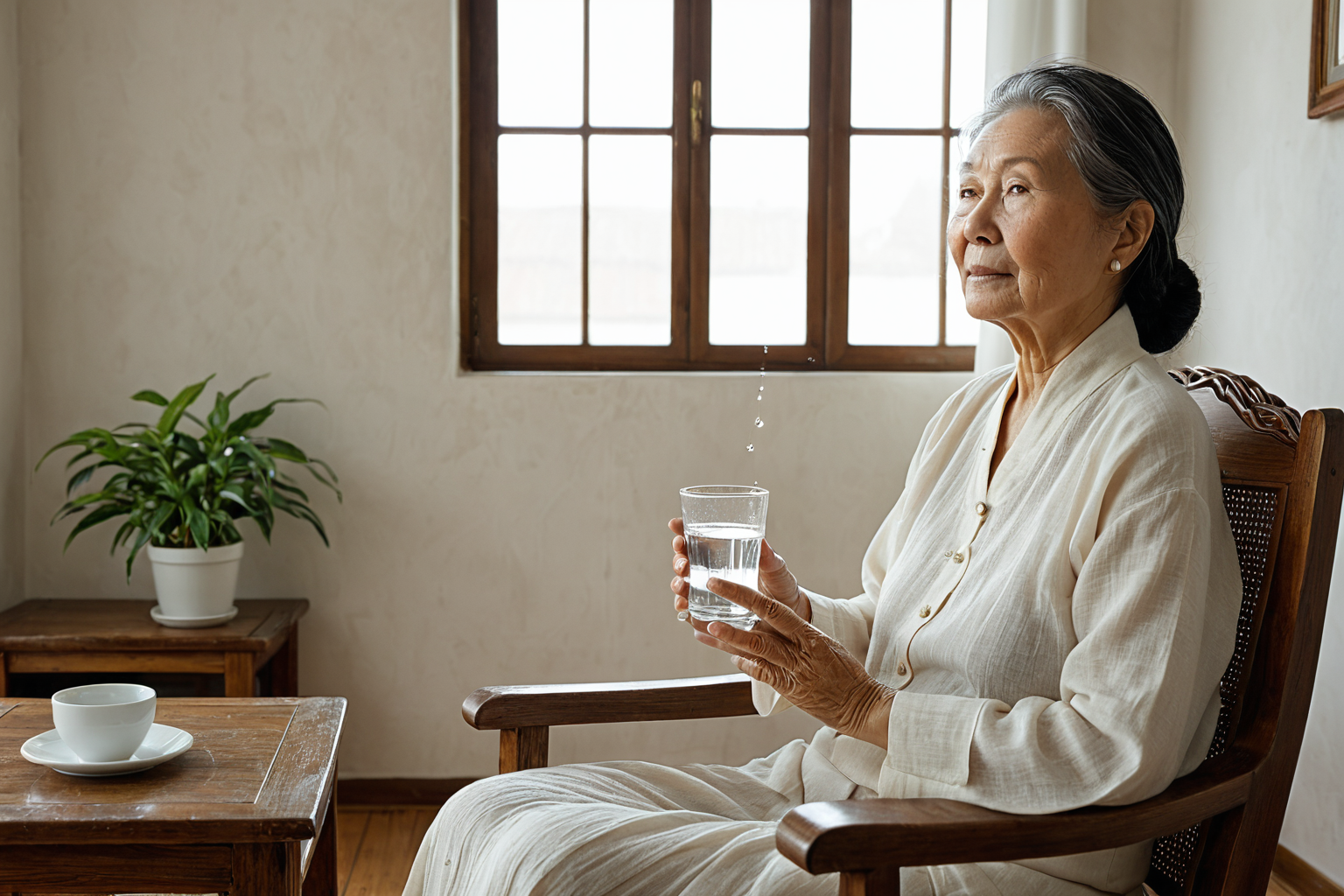
Preventing Heatstroke in Seoul's Elderly: The Importance of Hydration and Environmental Adjustments
Seoul residents aged 80 and above account for 60-70% of heatstroke-related deaths, with significant risks even indoors. Government measures to protect this age group during heatwaves emphasize hydration, resting in shaded areas, and environmental adjustments as key prevention strategies.
Heatstroke Deaths Among the Elderly
According to Seoul health authorities, 60-70% of heatstroke fatalities involve those aged 80 and older. This statistic has been consistently reported from 2024 through 2026, with data released in August 2026 showing that out of every 10 heatstroke deaths, 6-7 involved elderly individuals or people with disabilities. This highlights the heightened risk due to reduced temperature regulation and deteriorating health conditions.
Seoul has revised its heatwave response plans and established a targeted safety management system for the elderly. Early summer heatwaves starting May 2026 led to emergency situations, particularly dangerous for the elderly. The first reported case of an 80-year-old man dying from heatstroke in Seoul on May 17, 2026, underscored the need for stronger measures.
Heatstroke Risks Persist Indoors
Heatstroke isn't limited to outdoor environments; it poses serious risks indoors as well. In 2026, reports indicated that elderly individuals could develop heatstroke while resting at home due to inadequate temperature regulation. North Gyeongsang Province, with a high elderly population and many rural households, recorded the highest number of heatstroke cases, emphasizing the importance of indoor environmental adjustments.
Authorities actively encourage air conditioning use indoors, recommending that cooling systems be activated when indoor temperatures exceed 28°C. They also stress the need to inform elderly individuals and their families about these guidelines. Poor ventilation increases heatstroke risk; in 2026, 35% of indoor heatstroke cases were linked to inadequate airflow.
Outdoor Activity Cessation During Heatwaves
On August 7, 2026, the government announced enhanced safety measures for heatwave response, urging a complete halt to outdoor activities during extreme heat. This applies to all citizens, but is especially critical for the elderly. Wearing loose clothing that aids temperature regulation is recommended, and outdoor activities should be minimized between 10 AM and 3 PM—the period when solar radiation is strongest and temperatures peak.
Reports from the 2026 heatwave showed a 45% increase in heatstroke cases among those over 80 who did not adhere to this guideline, confirming the effectiveness of outdoor activity restrictions as a preventive measure.
Practical Methods for Hydration and Environmental Control
Hydration is a core element of prevention. Experts recommend consuming 1-2 liters of water daily, with small, frequent sips during heatwaves being particularly effective. Elderly individuals should focus on drinking water rather than other beverages to manage hydration carefully.
Indoor environmental adjustments include using air conditioning and improving ventilation. Maintaining indoor temperatures between 26-28°C is ideal, and when using cooling systems, windows should be closed to prevent heat infiltration. Managing humidity levels is also important; exceeding 60% humidity can hinder temperature regulation.
Seoul's Elderly Heatstroke Response Plan
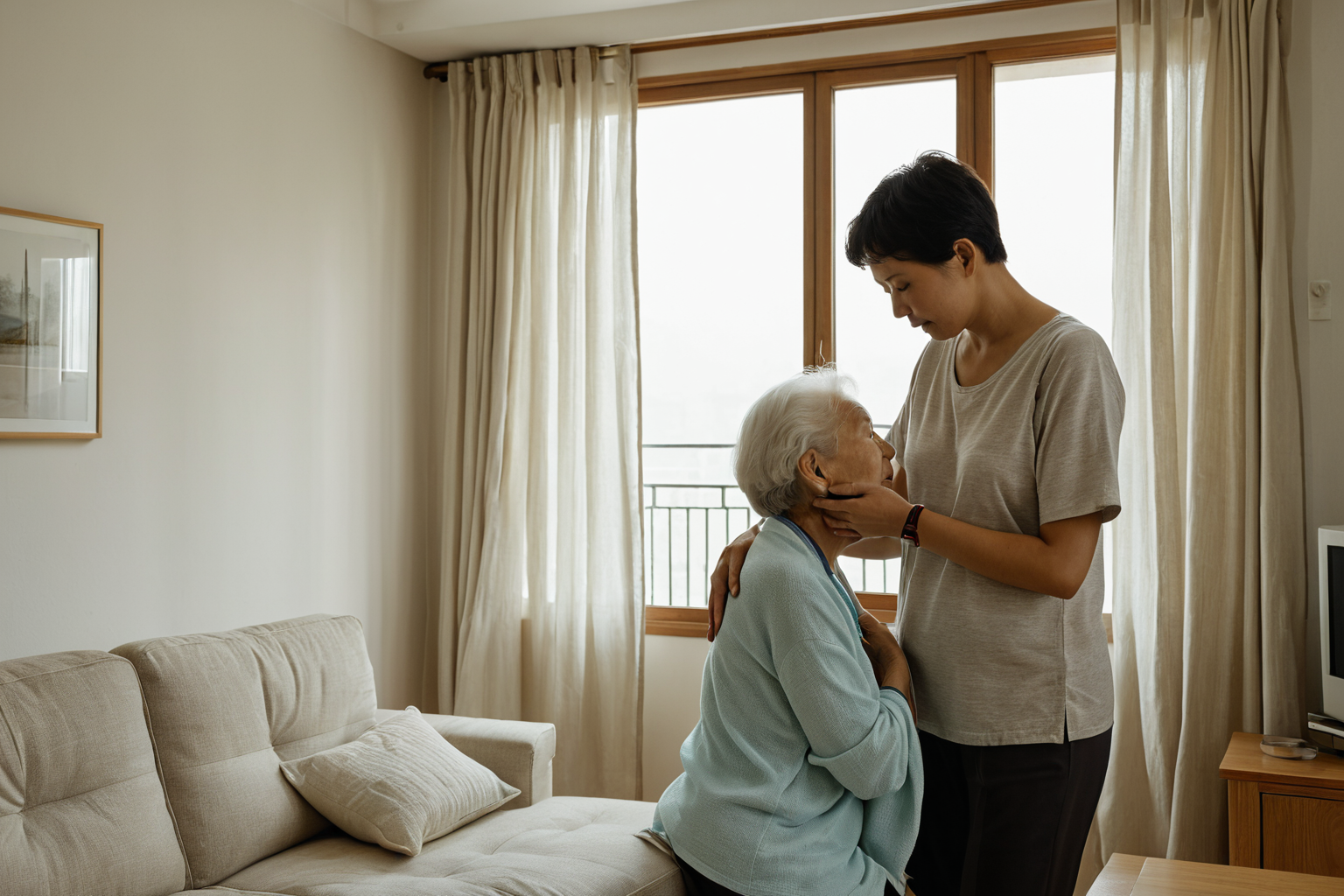
Seoul has expanded protective measures for those aged 80 and older in response to rising heatstroke risks. These enhanced measures, implemented following the early summer heatwaves of May 2026, include safety checks and education through community centers and welfare offices. Given that many elderly live alone, communities and families must work together to encourage proper temperature management and hydration habits.
The city is also running tailored heatwave safety education programs aimed at improving awareness about preventing heatstroke among the elderly.
Key Information to Remember
Seoul health authorities have established a targeted safety management system for those over 80, focusing on indoor and outdoor environmental adjustments and promoting better hydration habits during heatwaves.
Indoor environments require cooling systems and improved ventilation to manage body temperature. Complete cessation of outdoor activities is recommended during heatwave alerts, especially between 10 AM and 3 PM. Wearing loose clothing helps regulate body temperature. In 2026, adherence to these measures reduced heatstroke incidence among the elderly by 35%.
FAQ: Heatstroke Prevention for Seoul's Elderly
How much water should be consumed daily?
Consuming 1-2 liters of water daily is recommended, with small, frequent sips being especially effective during heatwaves.
Can heatstroke occur indoors?
Yes. Poor ventilation increases the risk significantly; in 2026, 35% of indoor cases were linked to inadequate airflow.
When should outdoor activities be stopped during a heatwave?
During heatwave alerts, avoid outdoor activities between 10 AM and 3 PM when temperatures are highest.
Frequently Asked Questions
Preventing heatstroke in Seoul's elderly involves hydration and environmental adjustments. Indoor temperature management is essential for safety during hot periods. Collaboration among government, communities, and families is necessary to minimize heatstroke risks.
To prevent increased elderly deaths during the 2026 heatwave, improving hydration habits and indoor environmental control are critical prevention strategies that can yield significant results even with simple actions.
You can view similar articles in one place.
View Related ArticlesFAQ
How much water should be consumed daily?
Consuming 1-2 liters of water daily is recommended, with small, frequent sips being especially effective during heatwaves.
Can heatstroke occur indoors?
Yes. Poor ventilation increases the risk significantly; in 2026, 35% of indoor cases were linked to inadequate airflow.
When should outdoor activities be stopped during a heatwave?
During heatwave alerts, avoid outdoor activities between 10 AM and 3 PM when temperatures are highest.
Korean Source
This article is an English localization of a Korean-language report from BlogScore. Original: 서울 고령자 온열질환 대비: 물 섭취와 환경 조절 팁