
Preserving Korea's Tidal Flats: Practical Measures After UNESCO Designation


UNESCO Designation: South Korea's Tidal Flat Conservation Strategy
Korea's tidal flats have been expanded as a UNESCO World Heritage site, adding the tidal flats of Seocheon, Yeosu, Goheung, Muan, and Hasan to the list. This expansion establishes a foundation for international cooperation in protecting the Yellow Sea tidal flats, which serve as migratory bird pathways. South Korea, China, and UNESCO have jointly committed to cross-border conservation through a joint declaration.
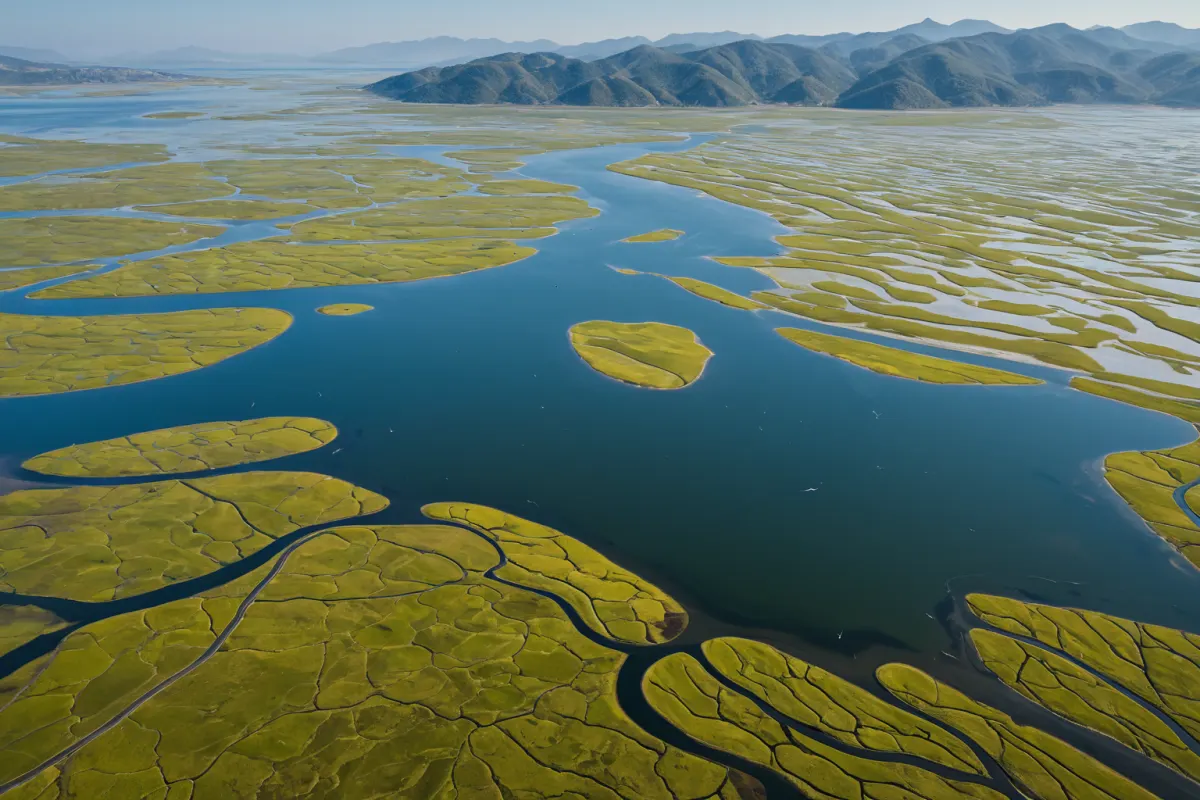
UNESCO Designated Areas and International Cooperation Details
On July 25, 2026, the UNESCO World Heritage Committee expanded the designation of 'Korea's Tidal Flats' and announced an international cooperation declaration for Yellow Sea tidal flat conservation. The tidal flats in Seocheon, Yeosu, Goheung, Muan, and Hasan were added to the list as natural heritage sites.
This expansion reflects the success of international cooperation based on Seocheon's tidal flat conservation experience. South Korea, China, and UNESCO jointly issued a 'Yellow Sea Tidal Flat International Joint Conservation Declaration,' establishing a foundation for cross-border collaboration in protecting migratory bird pathways along the Yellow Sea.
Ecological Significance of Tidal Flats and International Discussions
Tidal flats serve as ecological corridors connecting migratory bird routes, making them essential for ecosystem preservation. The UNESCO-listed tidal flats include those within the Yellow Sea region, where active cross-border conservation discussions are taking place.
Environmental groups have urged stronger conservation measures following the UNESCO designation, emphasizing that conservation efforts should extend to North Korea as part of the migratory bird pathway along the Yellow Sea. This highlights the need for collaboration among South Korea, China, and North Korea in preserving the tidal flat ecosystem.
Regional Conservation Activities and Practical Examples
Seocheon County presented its leadership in international cooperation on 'Korea's Tidal Flats' at the 48th UNESCO World Heritage Committee meeting. This model, based on Seocheon's conservation experience, is expected to serve as a reference for tidal flat preservation efforts in other regions.
Yeosu City is simultaneously pursuing measures to prevent high-temperature damage and protect the world heritage site, aiming to balance ecology with livelihoods. Yeosu's Yeoja-maen tidal flats, designated as a UNESCO World Heritage site, are being celebrated as an example where regional economy and environmental conservation work in harmony.
Hasan City Council celebrated the UNESCO designation of Gahorim Man Hasan Tidal Flats, while Goheung and Muan tidal flats have also been designated as natural heritage sites. These regions are developing preservation strategies tailored to their local characteristics.
The Seocheon, Yeosu, Goheung, Muan, and Hasan tidal flats are each implementing conservation activities that consider their unique ecological features. Seocheon's tidal flats serve as an international cooperation model for bird protection, Yeosu pursues a balance between tourism and environmental conservation, while Goheung, Muan, and Hasan seek harmony between regional economy and ecosystem preservation.
International Cooperation and Cross-Border Conservation Discussions
South Korea, China, and UNESCO jointly announced the 'Yellow Sea Tidal Flat International Joint Conservation Declaration,' marking the beginning of international cooperation for protecting migratory bird pathways along the Yellow Sea tidal flats.
This declaration has drawn global attention to tidal flat ecosystem conservation, with discussions expanding to include North Korea. It suggests that South Korea, China, and even North Korea can collaborate in preserving the Yellow Sea tidal flats.
Environmental groups have called for strengthened conservation measures following the UNESCO designation, criticizing 'Korea's World Heritage Conservation Failure' and demanding concrete action plans. This emphasizes that tidal flat preservation should go beyond mere designation to include specific implementation strategies.
Practical Application of Conservation Measures and Regional Examples
Yeosu City is simultaneously pursuing measures to prevent high-temperature damage and protect the world heritage site, aiming to balance ecology with livelihoods. This model is gaining attention as a successful integration of tidal flat ecosystem conservation and regional economic development.
Seocheon County has presented an international cooperation model based on its tidal flat conservation experience, opening possibilities for applying this approach to other regions' tidal flat preservation efforts. This is seen as the start of a new phase in international collaboration following UNESCO designation.
Goheung and Muan tidal flats were designated as natural heritage sites, with local residents and environmental groups collaborating on ecosystem conservation activities. They are operating various programs aimed at balancing tourism development with ecological preservation.
Hasan Tidal Flats is promoting projects that combine regional economy with environmental conservation to commemorate the UNESCO designation of Gahorim Man Hasan Tidal Flats. This model is recognized for achieving both tidal flat ecosystem preservation and sustainable development within local communities.
Key Information and Considerations
Korea's tidal flat conservation efforts under UNESCO designation must pursue both ecological preservation and regional economic revitalization. Preventing high-temperature damage and protecting migratory bird pathways are particularly important, with international cooperation being essential.
The key information to verify includes: specific conservation strategies for Seocheon, Yeosu, Goheung, Muan, and Hasan tidal flats; concrete examples of post-designation international cooperation; and practical cases where regional economy and ecosystem preservation are balanced.
Frequently Asked Questions
What is the most important aspect of conservation strategies for UNESCO-designated Korean tidal flats?
The core focus of conserving UNESCO-listed Korean tidal flats lies in cross-border protection of Yellow Sea tidal flats, which serve as migratory bird pathways. Strengthening international cooperation through joint declarations by South Korea, China, and UNESCO is the most critical aspect.
How is Yeosu City advancing tidal flat conservation?
Yeosu City is simultaneously addressing high-temperature damage prevention and world heritage site protection to balance ecology with livelihoods. The Yeoja-maen tidal flats in Yeosu, designated as a UNESCO World Heritage site, exemplify how regional economy and environmental conservation can work together harmoniously.
How are Seocheon's tidal flat conservation experiences being applied internationally?
Seocheon County presented its leadership in international cooperation on 'Korea's Tidal Flats' at the 48th UNESCO World Heritage Committee meeting. This model, based on Seocheon's conservation experience, is expected to serve as a reference for tidal flat preservation efforts in other regions.
Frequently Asked Questions
The UNESCO designation of Korea's tidal flats has established a foundation for international cooperation to protect migratory bird habitats along the Yellow Sea. The Seocheon, Yeosu, Goheung, Muan, and Hasan tidal flats have been added to the list, with each region implementing specific conservation strategies that balance ecology and livelihoods.
South Korea, China, and UNESCO have strengthened cross-border cooperation through the 'Yellow Sea Tidal Flat International Joint Conservation Declaration,' which will contribute to migratory bird pathway protection and ecosystem preservation. Environmental groups continue to call for stronger post-designation conservation measures, emphasizing the need for practical strategies that combine local community efforts with international collaboration.
The UNESCO designation marks a new starting point for tidal flat ecosystem conservation, and continued international cooperation is expected to contribute further to Yellow Sea tidal flat preservation. Ongoing efforts are necessary to maintain the balance between regional economy and ecosystem preservation.
This article was written based on official announcements from the UNESCO World Heritage Committee and related press materials.
You can view similar articles on this topic in one place.
View Related ArticlesFAQ
What is the most important aspect of conservation strategies for UNESCO-designated Korean tidal flats?
The core focus of conserving UNESCO-listed Korean tidal flats lies in cross-border protection of Yellow Sea tidal flats, which serve as migratory bird pathways. Strengthening international cooperation through joint declarations by South Korea, China, and UNESCO is the most critical aspect.
How is Yeosu City advancing tidal flat conservation?
Yeosu City is simultaneously addressing high-temperature damage prevention and world heritage site protection to balance ecology with livelihoods. The Yeoja-maen tidal flats in Yeosu, designated as a UNESCO World Heritage site, exemplify how regional economy and environmental conservation can work together harmoniously.
How are Seocheon's tidal flat conservation experiences being applied internationally?
Seocheon County presented its leadership in international cooperation on 'Korea's Tidal Flats' at the 48th UNESCO World Heritage Committee meeting. This model, based on Seocheon's conservation experience, is expected to serve as a reference for tidal flat preservation efforts in other regions.
Korean Source
This article is an English localization of a Korean-language report from BlogScore. Original: 유네스코 등재 한국 갯벌 보존을 위한 실질적 대책