
Preparing for Simultaneous Heatwaves and Floods: A Comprehensive Guide to Climate Crisis Readiness
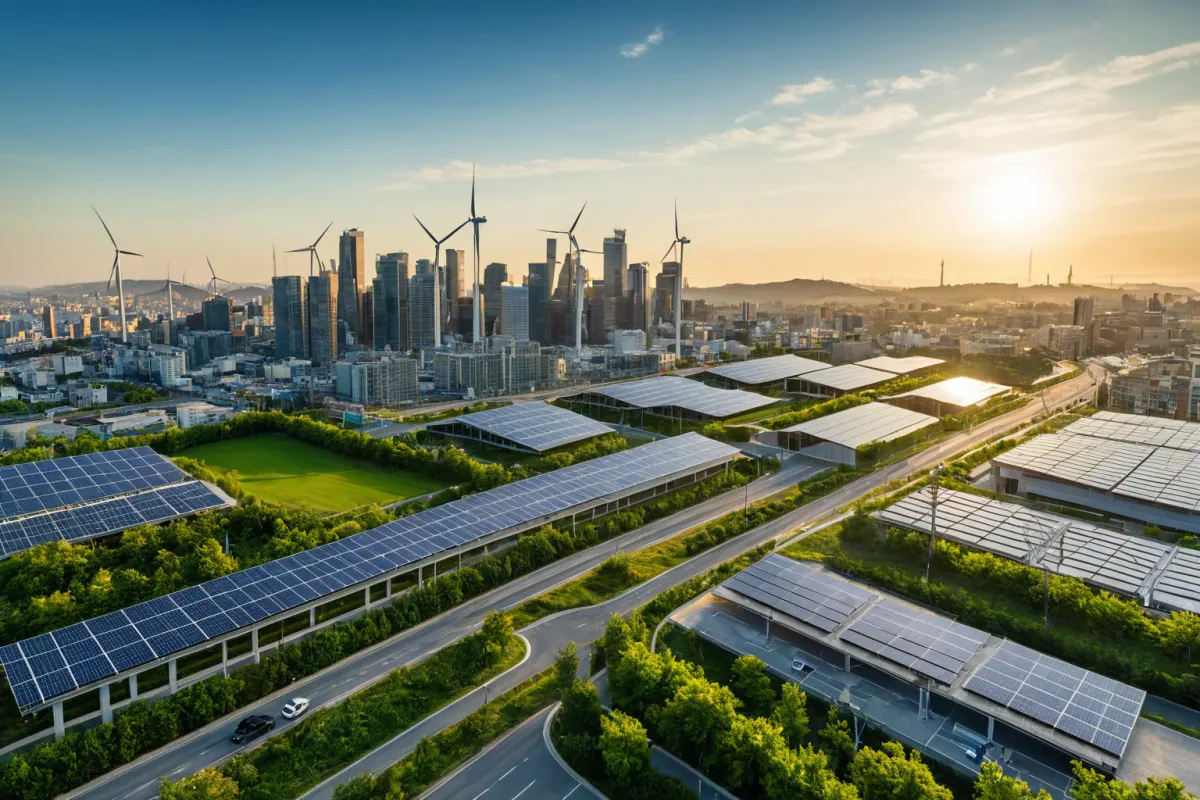
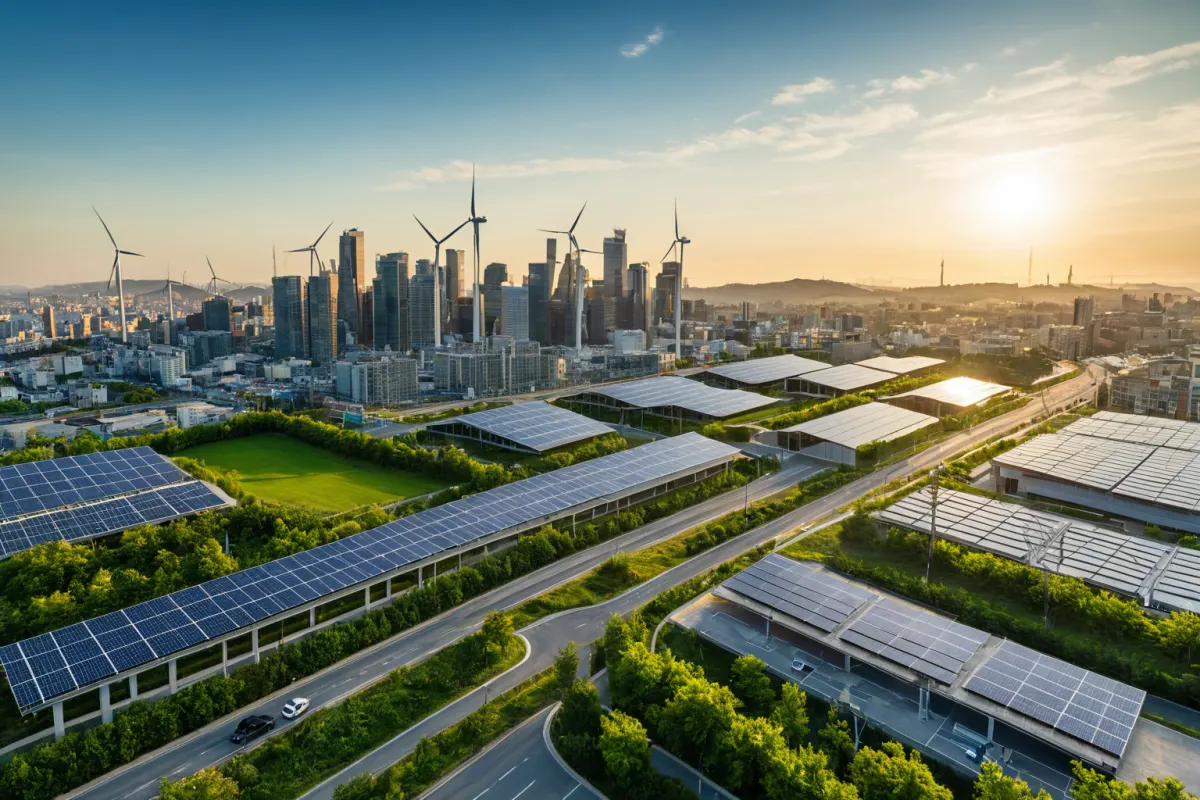
Comprehensive Climate Crisis Response: Government, Individuals, and Communities Must Prepare Together
In response to the climate crisis warning of simultaneous heatwaves and heavy rains in summer 2025, the government and local communities have launched the third National Climate Crisis Adaptation Enhancement Plan and a 'Climate Compound Disaster Response System.' Korea Water Resources Corporation will fully operate a system for simultaneous flood, heatwave, and algal bloom response starting July 2026. Seoul City is implementing comprehensive summer measures through proactive safety inspections and protecting vulnerable populations from climate disasters.
The government is advancing adaptation strategies by designating four water circulation promotion zones to prepare for simultaneous droughts and floods. The revised Carbon Neutrality Basic Act enforcement decree will take effect on October 23, 2025, contributing to concrete response measures such as checking electric vehicle chargers and batteries during heatwaves, and securing evacuation golden hours during floods.
By August 2026, simultaneous occurrences of heatwaves, wildfires, and floods have become normalized globally as extreme weather becomes routine. In southern regions, prolonged heatwaves are intensifying droughts. Seoul City faces recurring flooding damage despite riverbank improvement plans, necessitating more systematic responses.
Real-World Applications of Climate Adaptation Strategies
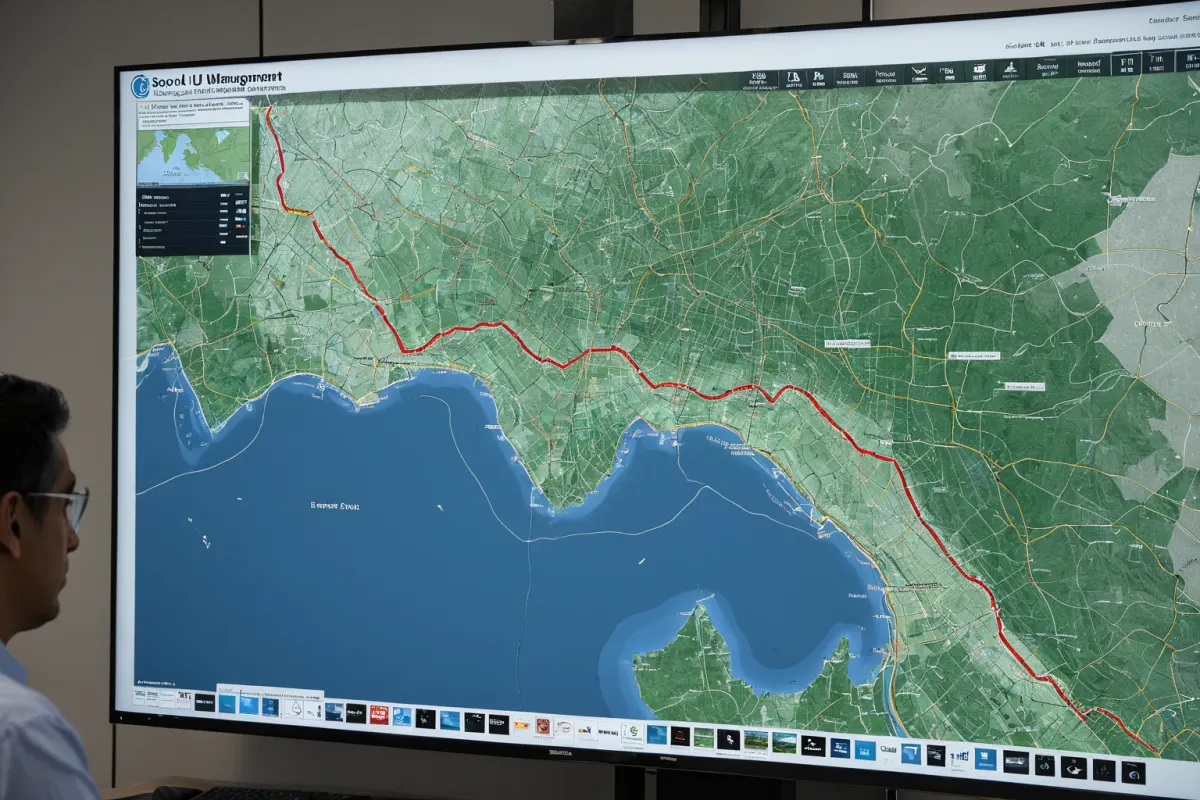
Seoul City conducts proactive safety inspections to protect vulnerable populations from climate disasters and has implemented comprehensive summer measures since May 15, 2025. However, riverbank improvements planned on paper are not preventing repeated flooding damage. A report dated July 23, 2025, revealed that delayed riverbank improvement projects were insufficient for actual damage prevention.
The government has designated four water circulation promotion zones to build a system for simultaneous drought and flood response. This strategy has become essential as extreme weather events become routine due to climate change. In the era of climate crisis, 'K-Adaptation Strategy' is now fully operational, with plans to expand water circulation promotion zones starting in 2026.
DB Insurance is establishing underwriting and investment strategies through risk segmentation, confirming that checking electric vehicle chargers and batteries during heatwaves is essential. This approach to insurance response to climate change is gaining attention.
Climate Crisis Alert: Rising Risk of Simultaneous Heatwaves and Floods
The summer of 2025 demonstrated 'compound disasters' with simultaneous heatwaves and heavy rains, highlighting the severity of the climate crisis. This reflects a situation where drought and record-breaking wildfires coincided for the first time in 108 years, prompting inter-departmental cooperation and real-time monitoring to manage risks.
As the frequency of heatwaves and floods increases due to climate change, threats to transportation networks and social systems are growing. Railways and roads, which bend or melt under extreme heat, have become frontline issues in the climate crisis. As of July 2026, the 'Climate Compound Disaster Response System' is fully operational, aiming to comprehensively address these challenges.
The government has implemented the third National Climate Crisis Adaptation Enhancement Plan to prepare for climate adaptation, with a full response system expected to launch in 2026. This will help manage the risk of simultaneous heatwaves and floods.
Government Policies, Personal Preparedness, and Localized Solutions
The government is strengthening climate response policies through revisions to the Carbon Neutrality Basic Act enforcement decree, effective from October 23, 2025. This will aid in establishing concrete response measures such as checking electric vehicle chargers and batteries during heatwaves.
Individuals should check electric vehicle charger and battery conditions during heatwaves, and recognize that prompt evacuation is essential during floods. Seoul City is implementing proactive safety inspections to protect vulnerable populations from climate disasters, while southern regions require strengthened water reserves due to intensified droughts from prolonged heatwaves.
Localized response strategies include Seoul City's climate disaster protection for vulnerable groups and proactive safety inspections, and enhanced water reserve strengthening in southern regions to prepare for long-term heatwaves. These efforts are becoming essential strategies to minimize social losses caused by the climate crisis.
Evolving Climate Crisis Response Systems
The Climate Compound Disaster Response System will be fully operational starting July 2026 under Korea Water Resources Corporation, aiming to respond simultaneously to floods, heatwaves, and algal blooms. This system has become essential as extreme weather events due to climate change become routine.
Designating four water circulation promotion zones by the government is a strategy for simultaneous drought and flood response, with plans to expand this initiative starting in 2026. This policy measure is recognized as an important step toward reducing compound disaster risks caused by the climate crisis.
Seoul City needs more systematic responses beyond riverbank improvement plans to address recurring flooding damage. This has become a critical task for minimizing social losses due to the climate crisis.
Key Information to Verify
The government's third National Climate Crisis Adaptation Enhancement Plan, launched in response to summer 2025 heatwaves and heavy rains, is scheduled to fully operate starting in 2026. Korea Water Resources Corporation's 'Climate Compound Disaster Response System' will be fully operational from July 2026, while designated water circulation promotion zones have become a core government policy.
Seoul City implements comprehensive summer measures through proactive safety inspections and protecting vulnerable populations from climate disasters, but needs additional responses to address recurring flooding damage caused by riverbank improvement plans alone. In southern regions, intensified droughts due to prolonged heatwaves require strengthened water reserves.
DB Insurance is developing underwriting and investment strategies through risk segmentation, confirming that checking electric vehicle chargers and batteries during heatwaves is essential. This insurance response strategy to climate change is gaining attention.
Frequently Asked Questions
What should be checked when operating an electric vehicle during a heatwave?
Electric vehicle chargers and battery conditions must be checked during heatwaves, which are essential measures to prevent reduced performance and fire risks.
How can the flood evacuation golden hour be secured?
Prompt evacuation is essential during floods. It's necessary to confirm evacuation routes and safe areas in advance and monitor surrounding situations in real-time.
What does the government's climate crisis adaptation policy include?
The government includes drought-flood simultaneous response systems and real-time monitoring through revisions to the Carbon Neutrality Basic Act enforcement decree and the third National Climate Crisis Adaptation Enhancement Plan.
Frequently Asked Questions
The climate crisis is no longer a distant future problem. The heatwaves and heavy rains of summer 2025 served as the first warning signal of the reality of the climate crisis. Governments, communities, and individuals must collaborate to strengthen the Climate Compound Disaster Response System and develop comprehensive strategies for simultaneous droughts and floods.
For Seoul City, riverbank improvement plans alone are insufficient; more systematic responses are needed. In southern regions, strengthened water reserves are urgently required to prepare for intensified droughts from prolonged heatwaves. To protect citizens' daily lives in the climate crisis era, government policies, personal preparedness, and localized strategies must be integrated.
The third National Climate Crisis Adaptation Enhancement Plan, scheduled to fully operate starting in 2026, will serve as a new starting point for systematic responses to climate change. As frontline participants in the climate crisis, we all need to prepare.
You can view similar articles on this topic together.
View Related ArticlesFAQ
What should be checked when operating an electric vehicle during a heatwave?
Electric vehicle chargers and battery conditions must be checked during heatwaves, which are essential measures to prevent reduced performance and fire risks.
How can the flood evacuation golden hour be secured?
Prompt evacuation is essential during floods. It's necessary to confirm evacuation routes and safe areas in advance and monitor surrounding situations in real-time.
What does the government's climate crisis adaptation policy include?
The government includes drought-flood simultaneous response systems and real-time monitoring through revisions to the Carbon Neutrality Basic Act enforcement decree and the third National Climate Crisis Adaptation Enhancement Plan.
Korean Source
This article is an English localization of a Korean-language report from BlogScore. Original: 폭염과 홍수 동시에 대비하는 방법: 위험에 대한 종합적인 준비 가이드