
Preparing for Adopting a Shelter Dog: Requirements and Procedures
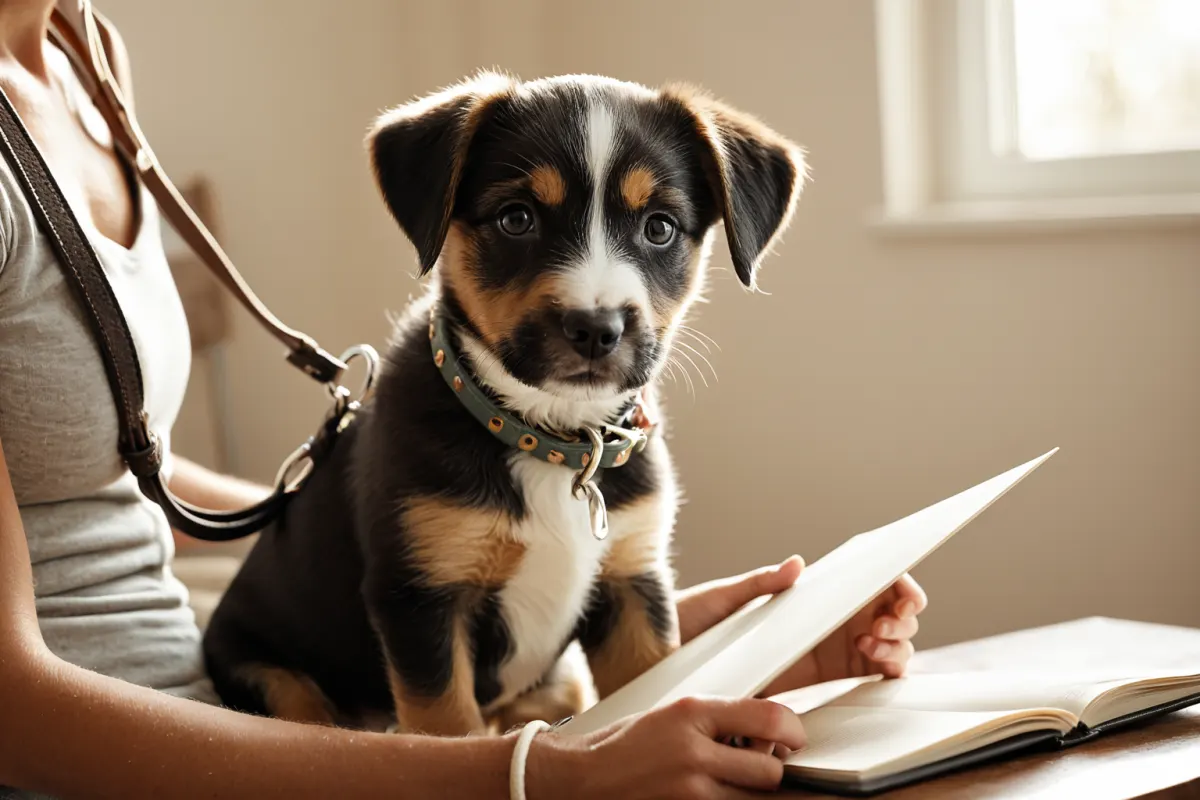
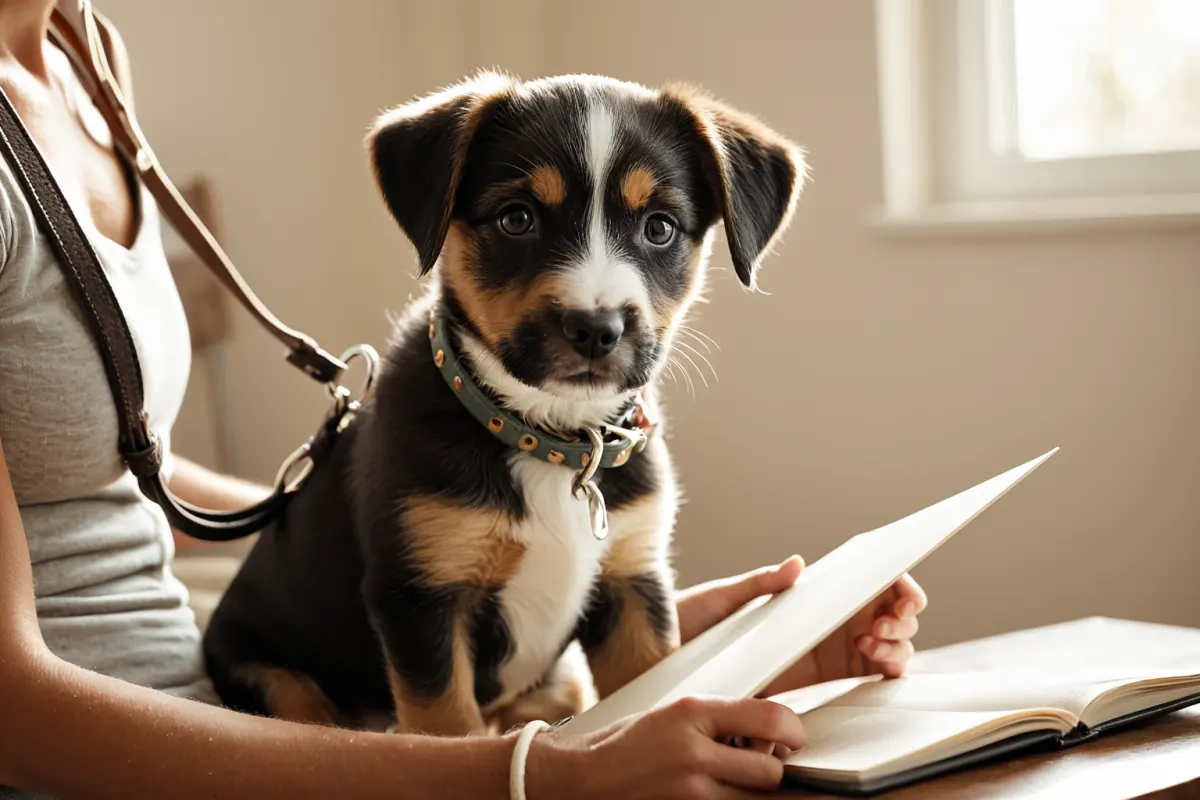
Adopting a stray dog may seem more complicated than it actually is, but requirements vary slightly between shelters, so preparation is key. Most centers typically require identification, an adoption application, and verification of your living environment to ensure you can responsibly care for the animal.
Shelter Adoption Procedure
The standard shelter adoption process usually follows consultation, animal check, application form completion, suitability review, and contract signing. Many people assume they can take a dog home immediately upon visiting, but in reality, shelters often assess both the animal's health condition and your living environment before proceeding.
For example, it’s common to visit on weekends, find a dog you like, have a brief consultation with staff, complete an application form, and then undergo checks regarding your home structure, family consent, and pet ownership experience. Once approved, an adoption date is scheduled.
You can find similar articles in one place.
View Related ArticlesAdoption Preparation Checklist
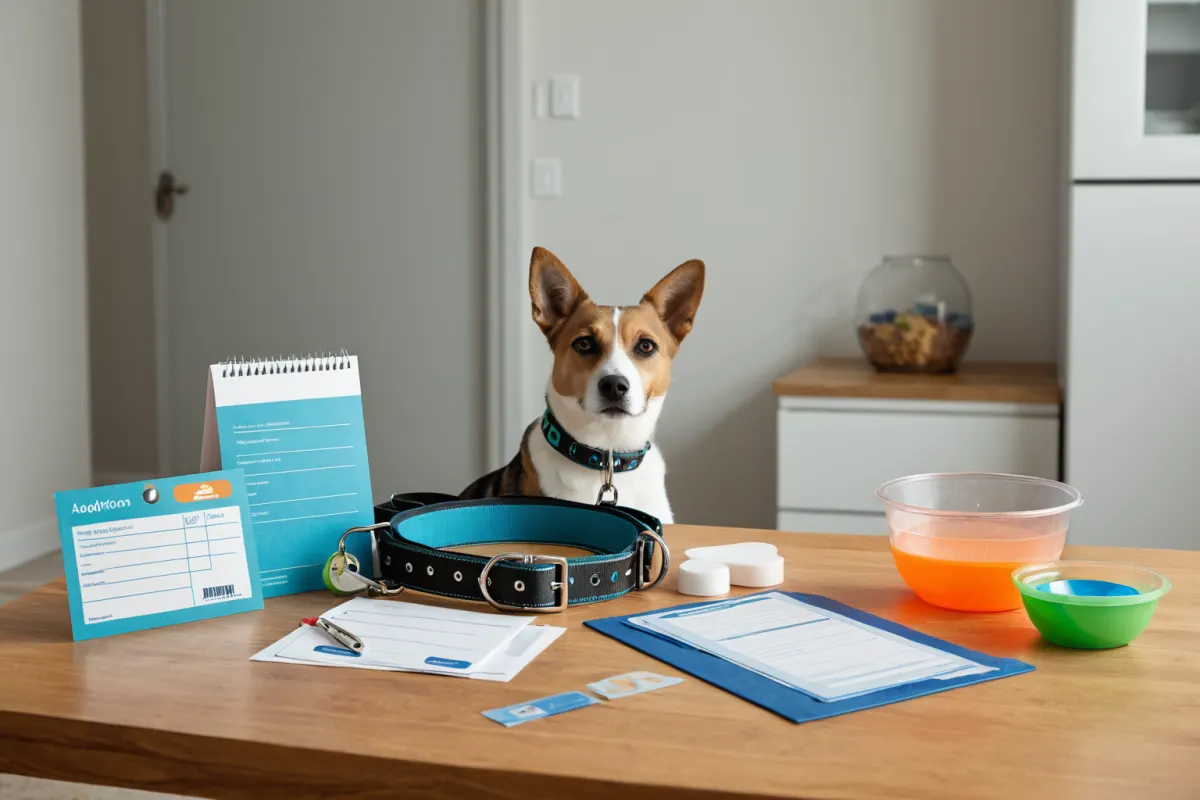
While specific requirements may vary by shelter, essential items to bring include identification, a carrier or leash, collar, potty pads, and sample food. Some shelters require carriers or safety equipment on adoption day.
If you have no pet supplies at home, start with basic essentials. Avoid switching food abruptly, as it can cause stomach issues; instead, ask the shelter for a small amount of the dog’s current food to continue feeding for a few days.
Shelter Adoption Criteria
Shelters prioritize whether you can responsibly care for the animal long-term rather than just asking if you want to adopt. Common factors include housing type, family consent, allergies, and how much time you spend away from home.
Puppies often require more attention for walking and potty training, and shy dogs may need extra support during their first few weeks. Some shelters ask about your work schedule or weekend care options if you live alone.
For instance, when searching for local shelters using terms like "Daegu stray dog adoption," note that even within the same city, shelter operations can differ significantly. It’s advisable to call ahead to confirm consultation hours, required documents, and whether immediate pickup is possible.
Common Mistakes in Shelter Adoption Process
The most overlooked aspect of shelter adoption is planning for life after adoption. The adjustment period once the dog arrives home can be challenging, as they may become sensitive to unfamiliar smells and sounds, leading to reduced appetite or hiding behavior.
Instead of forcing interaction, provide a quiet space with fixed locations for food and water, and minimize stress by avoiding excessive handling. For example, place a mat, water bowl, and potty pads in one corner of the living room and encourage family members to avoid disturbing the dog initially to ease adjustment.
Another important factor is veterinary follow-up. While shelters typically provide basic vaccinations and health checks, it’s recommended to schedule another checkup at an animal hospital after adoption. Skin conditions, internal parasites, or dental issues may not be immediately visible but can surface later.
Pre-Adoption Living Conditions Checklist
Don’t adopt a dog just because they’re cute—consider daily walking time, potential noise complaints from neighbors, and who will take primary care. If you live in an apartment, plan for noise control and potty training as well.
For example, if your work schedule requires being away for over 10 hours daily, a calmer dog might be better suited than an energetic puppy. Conversely, if you can spend more time at home with ample walking opportunities, a high-energy dog could thrive.
Many search online about adoption costs, but remember that initial expenses are just the start—ongoing costs for food, vaccinations, neutering, grooming, and medical care add up over time.
Real-Life Example: First Visit to a Shelter
If this is your first visit, prepare by calling ahead to confirm consultation hours and required documents. Bring identification and any necessary application details. Also, bring a carrier or leash to take the dog home immediately if approved.
Shelters often recommend comparing 2-3 dogs based on their temperament rather than choosing one immediately. For instance, shy dogs, friendly dogs, and active dogs each require different care patterns, so matching your lifestyle is crucial.
After approval, carefully review the contract terms and follow-up communication methods. Some shelters provide additional guidance on neutering or vaccinations during this phase, which can be easy to overlook—so take notes if needed.
First Two Weeks After Adoption
The first two weeks are critical for building trust. Maintain consistent routines for feeding, walking, and sleeping times. Use short, clear names repeatedly to help the dog adjust quickly.
Limit interactions with too many people during this period. Avoid large gatherings or loud events that could stress your new pet—instead, focus on establishing a calm routine within your family before gradually introducing external stimuli.
FAQ
Q1. Can shelter adoption be completed in one day?
A. It depends. While some shelters may allow same-day pickup, most require consultation, application review, and health checks before transferring the animal.
Q2. What items are essential for adoption?
A. Identification is required, along with a carrier or leash, potty supplies, and initial food samples. Requirements vary by shelter, so confirm in advance.
Q3. Can single individuals adopt stray dogs?
A. Yes, but shelters may ask about your work schedule, time away from home, and whether you have backup care for the dog during absences.
Adopting a shelter dog is a heartwarming experience that comes with responsibilities. Shelter procedures and adoption criteria vary by region, so it’s best to confirm details directly with the shelter before visiting.
Explore more articles on similar topics.
View Category ArticlesFAQ
Can shelter adoption be completed in one day?
It depends. While some shelters may allow same-day pickup, most require consultation, application review, and health checks before transferring the animal.
What items are essential for adoption?
Identification is required, along with a carrier or leash, potty supplies, and initial food samples. Requirements vary by shelter, so confirm in advance.
Can single individuals adopt stray dogs?
Yes, but shelters may ask about your work schedule, time away from home, and whether you have backup care for the dog during absences.
Korean Source
This article is an English localization of a Korean-language report from BlogScore. Original: 유기견 입양 준비물과 절차, 유기동물보호센터 기준은?