
Predicting the Impact of US-Japan Joint Intervention on South Korean Businesses
US-Japan Joint Intervention and Yen Fluctuations
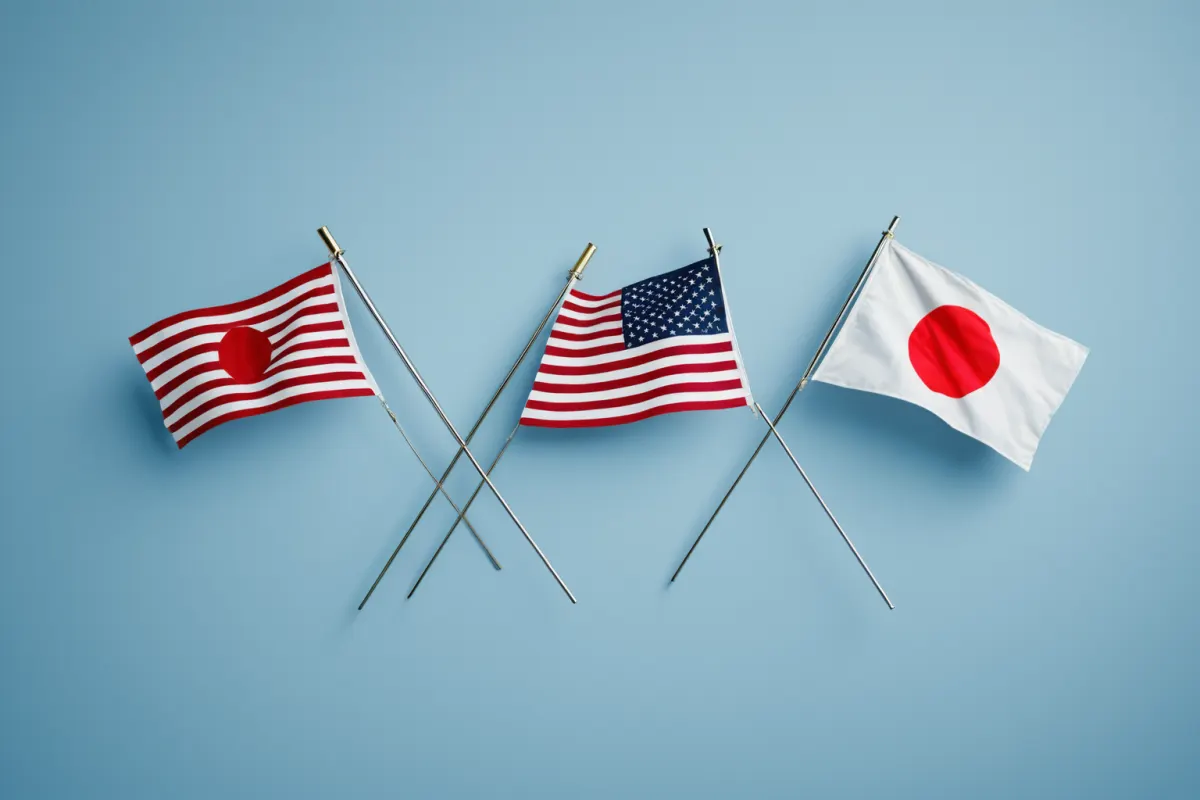
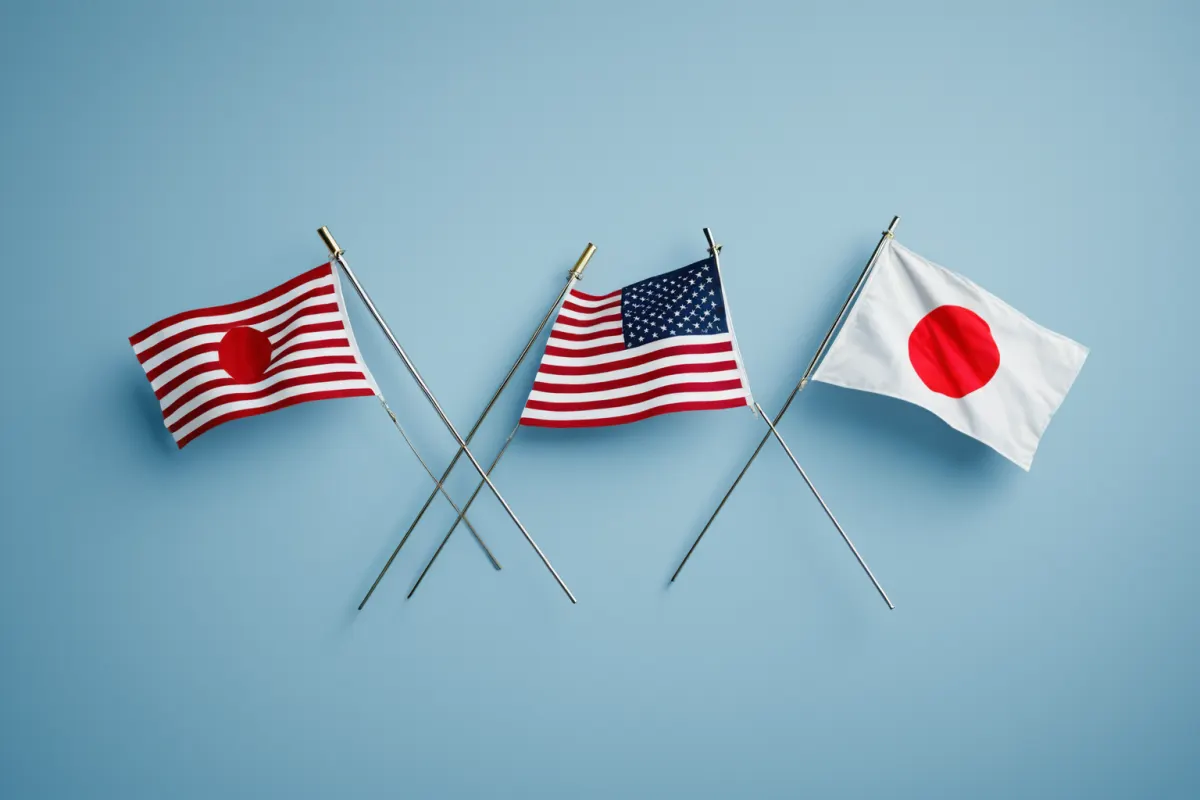
The United States and Japan conducted a joint foreign exchange intervention on August 3, 2026—the first in 15 years—to defend against yen depreciation. Similar to the Plaza Accord, the U.S. Treasury and Japanese Ministry of Finance coordinated to prevent further yen weakness that could ripple through other currency markets.
U.S. Treasury Secretary Bessent announced a $10 billion foreign exchange purchase, with potential for additional intervention. Japan's Finance Minister emphasized readiness to act against yen depreciation, pushing the USD/JPY rate up to 147 yen per dollar.
Background and Process of the US-Japan Joint Intervention
This measure followed a plan prepared since May, with Japan's Ministry of Finance and U.S. Treasury selling euros to defend the yen. Aimed at stabilizing financial markets amid 40 years of yen weakness, it drew comparisons to the Plaza Accord.
On August 3, Japan's Finance Minister stated that the U.S. and Japan would not hesitate to take further action against yen depreciation. This came amid concerns over market volatility from unwinding yen carry trades due to potential interest rate hikes, which led to a sharp rise in the yen starting August 4.
Direction of US-Japan Coordination
BofA predicts that USD/JPY could reach 149 by year-end following the intervention. This projection, outlined in a report released on August 5, suggests continued U.S.-Japan coordination may boost the yen.
The U.S. Treasury also warned of potential spillover effects from yen depreciation to other currencies, including the won. However, specific data on how this might affect South Korean businesses remains limited.
Market Reaction and Outlook
Markets have drawn parallels between this intervention and the Plaza Accord due to its rarity in a 40-year low yen scenario. Following the August 3 announcement, the yen surged sharply, with expectations of continued support from U.S.-Japan coordination.
However, potential interest rate hikes by Japan could trigger unwinding of yen carry trades, increasing market volatility. BofA notes that if USD/JPY reaches 149, it may impact won volatility and South Korean business profitability.
Specific Measures Taken
The U.S. Treasury announced a $10 billion foreign exchange purchase on August 3, while Japan sold euros to support the yen. This was part of a plan developed since May, indicating prior coordination between the two nations.
This joint intervention marks the first in 28 years and is seen as an unusual move amid a 40-year low yen value. It appears designed to prevent a chain reaction of currency devaluations across Asia and address lingering trauma from past foreign exchange crises.
Won Volatility and Impact on South Korean Businesses
The U.S. Treasury noted that won volatility appears excessive, warning of potential spillover effects from yen depreciation to other currencies. This highlights the need for specific analysis regarding won fluctuations and their impact on South Korean businesses, though such data remains scarce.
Concerns over unwinding yen carry trades due to possible interest rate hikes in Japan could directly affect South Korean business profitability. While the Japanese Finance Minister has mentioned potential further intervention, concrete details on interest rate policies remain undisclosed.
US-Japan Intervention and Market Outlook
BofA's August 5 report projects USD/JPY will rise to 149 by year-end if U.S.-Japan coordination continues. This suggests a potential yen strengthening effect, though analysis of how this affects the won and South Korean business performance remains limited.
The U.S. Treasury has warned about spillover effects from yen depreciation but lacks specific data on won volatility. As a result, predictions regarding shifts in South Korean business profitability remain insufficiently supported by concrete information.
Historical Context of the US-Japan Intervention
This joint intervention is the first in 15 years and follows a strategy similar to the Plaza Accord, which saw the U.S. and Japan coordinate foreign exchange interventions in 1985 to prevent excessive yen strength.
Coordinated action by the U.S. and Japan amid a 40-year low yen is unprecedented, reflecting shifts in Japanese economic policy. While Japan's Finance Minister has stated readiness for further intervention, specific timing and scale remain undisclosed.
Key Information to Verify
Specific data on how the US-Japan joint intervention might affect South Korean business profitability remains limited. Market volatility from unwinding yen carry trades due to potential interest rate hikes in Japan is a key concern that could directly impact business performance.
The U.S. Treasury has highlighted concerns about won volatility, but detailed analysis is still lacking. As such, more comprehensive data on the effects of this intervention on South Korean businesses would be beneficial for both companies and investors.
Frequently Asked Questions
What is the projected yen appreciation following the US-Japan joint intervention?
The U.S. and Japan conducted a $10 billion foreign exchange purchase to defend against yen depreciation, with BofA projecting USD/JPY could reach 149 by year-end.
How might additional Japanese interest rate hikes affect market volatility?
Potential further interest rate hikes in Japan could lead to unwinding of yen carry trades, increasing market volatility. This may directly impact South Korean business profitability.
What is the historical significance of this US-Japan intervention?
This joint action marks the first such move in 15 years and follows a strategy similar to the Plaza Accord. It is seen as an unprecedented response to a 40-year low yen, aimed at stabilizing financial markets.
Frequently Asked Questions
The U.S. and Japan conducted their first joint foreign exchange intervention in 15 years on August 3, 2026, to defend against yen depreciation—similar to the Plaza Accord. BofA projects USD/JPY could reach 149 by year-end, though specific analysis of how this affects the won and South Korean business profitability remains limited.
If U.S.-Japan coordination continues, a yen strengthening effect may emerge, but investors should prepare for volatility from unwinding yen carry trades following potential Japanese interest rate hikes. This information is crucial for South Korean businesses and investors as more data becomes available to support these predictions.
Explore similar articles on this topic in one place.
View Related ArticlesFAQ
What is the projected yen appreciation following the US-Japan joint intervention?
The U.S. and Japan conducted a $10 billion foreign exchange purchase to defend against yen depreciation, with BofA projecting USD/JPY could reach 149 by year-end.
How might additional Japanese interest rate hikes affect market volatility?
Potential further interest rate hikes in Japan could lead to unwinding of yen carry trades, increasing market volatility. This may directly impact South Korean business profitability.
What is the historical significance of this US-Japan intervention?
This joint action marks the first such move in 15 years and follows a strategy similar to the Plaza Accord. It is seen as an unprecedented response to a 40-year low yen, aimed at stabilizing financial markets.
Korean Source
This article is an English localization of a Korean-language report from BlogScore. Original: 미일 공동개입 결정 한국 기업의 수익성 변화 예측