
Predicting Seafood Price Fluctuations: Key Trends for 2023 and Beyond

Seafood price fluctuations have become increasingly pronounced due to extreme weather events and supply disruptions caused by the ongoing Middle East conflict, particularly affecting key items like cod, snow crab, and octopus. This reflects a significant shift in the seafood market, impacting both consumers and industry stakeholders.
Key Drivers of Rising Seafood Prices
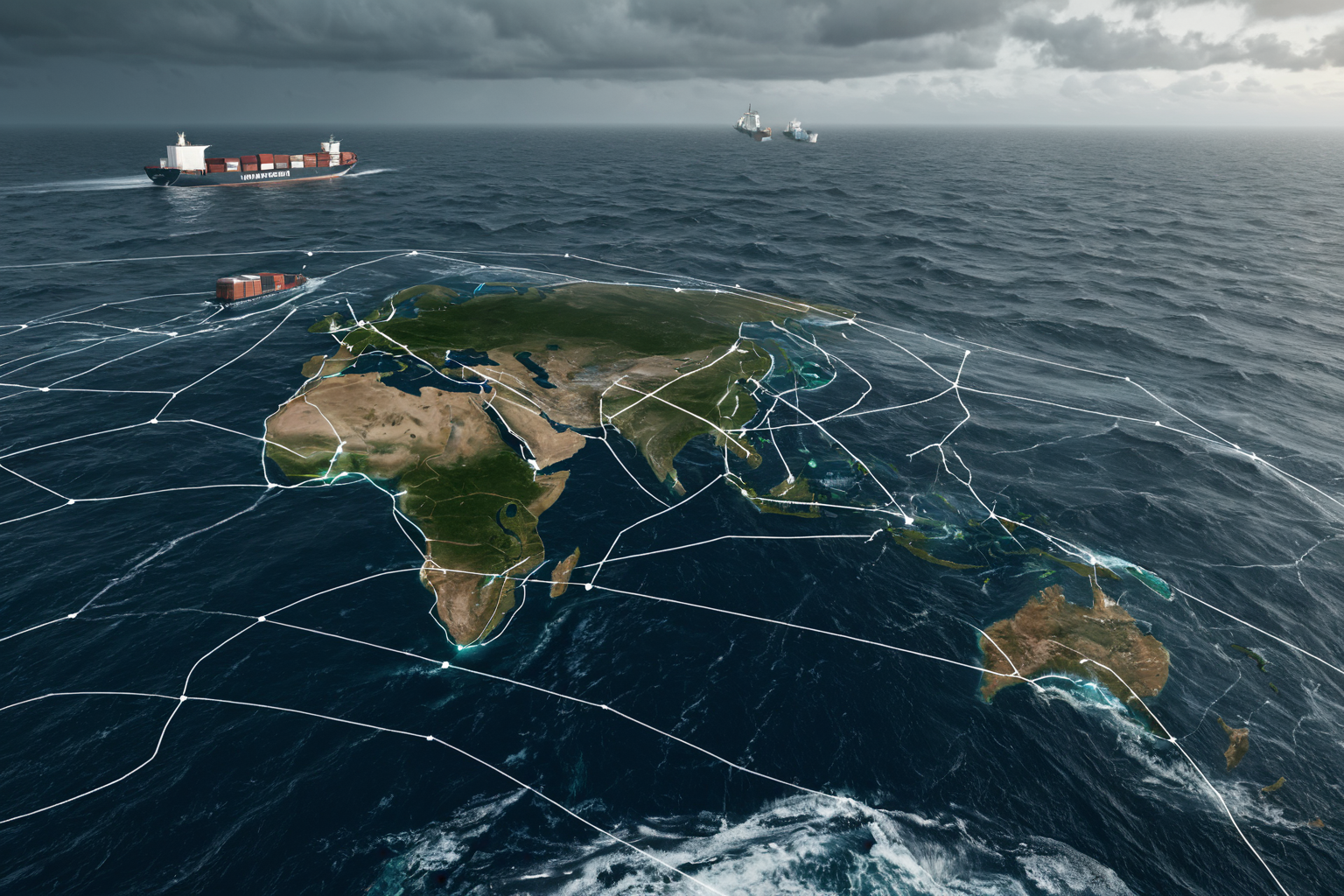
Extreme weather patterns and persistent conflicts in the Middle East have disrupted seafood supply chains. Large-scale shipping operations have been halted or faced increased logistics costs, contributing to rising prices across various seafood products.
Prices for major items like cod, snow crab, and octopus have consistently risen over recent months, signaling a supply shortage in the seafood market. Changes in marine ecosystems and declining catch volumes are cited as direct causes.
Particularly since 2023, rising sea levels and more frequent extreme storms due to climate change have damaged marine habitats, reducing fish breeding grounds. This has led to decreased catches of snow crab and octopus, accelerating price increases. The closure of ports and shipping disruptions caused by the Middle East conflict have directly impacted seafood imports, especially affecting trade between Europe and Asia.
Market Growth Outlook Through 2035
The octopus market is expected to significantly expand by 2035, driven by increased consumption and related industry development. Similarly, the fishmeal market is projected to continue growing through 2034.
Tuna markets are also anticipated to grow by 2034, reflecting shifts in seafood consumption trends. These market dynamics serve as important indicators for long-term prospects within the seafood industry.
Octopus market growth is primarily linked to increased consumption across Asian countries. Recent popularity of octopus-based dishes in China and Japan has sustained demand growth. Additionally, advancements in processing technology have diversified octopus products, broadening consumer choice.
The fishmeal market is expanding due to growing demand for fishmeal by-products used in feed and food industries. Its critical role as a raw material in livestock farming and aquaculture directly contributes to the expansion of this market segment.
Export Targets and Diesel Price Impact
Shrimp exports aim to reach $4.3 billion by 2025, though rising diesel prices are increasing logistics costs that may hinder these plans.
Rising diesel prices directly affect seafood export transportation costs, potentially reducing industry competitiveness. Experts recommend exporters develop strategies to reduce logistics expenses.
Diesel price increases began in 2023 due to energy supply disruptions between Europe and Asia following the Middle East conflict. This has led to higher shipping costs for seafood exports, with fuel representing over 30% of total logistics costs for large vessels. As a result, exporters are considering diversified shipping routes and adopting more energy-efficient vessels.
Climate Crisis and Need for Supply Chain Improvements
Climate change-related marine environment shifts negatively impact seafood production, making supply chain improvements urgent. Diverse policies and technological innovations are needed to address this challenge.
Prolonged Middle East conflicts have accelerated supply disruptions that drive up seafood prices. International cooperation and diversified supply chains are essential for market stability.
Marine ecosystem restoration projects are gaining attention. For example, South Korea's expansion of marine protected areas and catch regulations contribute to resource recovery, potentially stabilizing prices in the long term. Additionally, advancements in aquaculture technology enable alternative seafood production that reduces reliance on wild catches.
Growth of Frozen Food Market
The frozen food market is rapidly expanding as a response to rising seafood prices. Consumers prefer frozen seafood that maintains freshness while offering relatively stable pricing.
This represents another market shift due to supply disruptions, with the frozen food industry recognizing growth potential. Demand for frozen seafood is expected to continue increasing in the future.
Recent advancements in freezing technology are particularly notable. For instance, ultra-low temperature freezing techniques have been developed to preserve freshness, allowing consumers to experience taste and texture similar to fresh seafood. Improved packaging technology has also extended shelf life, contributing to reduced logistics costs.
Important Considerations for Seafood Price Fluctuations
Consumers should consider both short-term factors and long-term trends when assessing seafood price changes. For example, a doubling of catch volume for certain seafood might lead to price decreases, though this remains unconfirmed reporting.
Consumers should develop various purchasing strategies in response to price fluctuations. Understanding seasonal market patterns or anticipated supply disruptions can help optimize purchase timing.
Seafood price variations differ significantly by region. For instance, Southeast Asian countries have high seafood consumption, while European and American markets are more sensitive to price changes. Therefore, understanding regional market characteristics and price fluctuation patterns is crucial for consumers.
Key Information to Monitor
Reporting on seafood price fluctuations is continuously updated. Key items to monitor include whether shrimp export targets will be achieved by 2025 and how diesel price changes affect logistics costs.
As climate change and prolonged conflict continue, the seafood market is expected to become increasingly complex. Both consumers and industry stakeholders need ongoing monitoring of these dynamics.
Seafood price information can be verified through regular reports from government agencies and industry associations. For example, monthly seafood market trend reports by the Ministry of Oceans and Fisheries or analytical data from the International Marine Resources Management Association (IMRMA) provide reliable sources for verification.
Frequently Asked Questions
What are the main causes behind rising prices for cod, snow crab, and octopus?
Rising prices for cod, snow crab, and octopus result from supply disruptions caused by extreme weather and the Middle East conflict.
What is the basis for predicting octopus market growth through 2035?
The projected expansion of the octopus market until 2035 stems from increased consumption and related industry development.
How does rising diesel prices impact shrimp export targets?
Rising diesel prices increase logistics costs, creating challenges for achieving shrimp export goals by 2025.
Find similar articles in one place.
View Related ArticlesFAQ
What are the main causes behind rising prices for cod, snow crab, and octopus?
Rising prices for cod, snow crab, and octopus result from supply disruptions caused by extreme weather and the Middle East conflict.
What is the basis for predicting octopus market growth through 2035?
The projected expansion of the octopus market until 2035 stems from increased consumption and related industry development.
How does rising diesel prices impact shrimp export targets?
Rising diesel prices increase logistics costs, creating challenges for achieving shrimp export goals by 2025.
Korean Source
This article is an English localization of a Korean-language report from BlogScore. Original: 해산물 가격 변동 예측: 올해 주요 해산물 가격 변화 패턴