
Predicting Cyclical Phenomena with Real-Time Data: Strategic Use of Live Analytics
Core Strategies for AI-Powered Real-Time Data Prediction
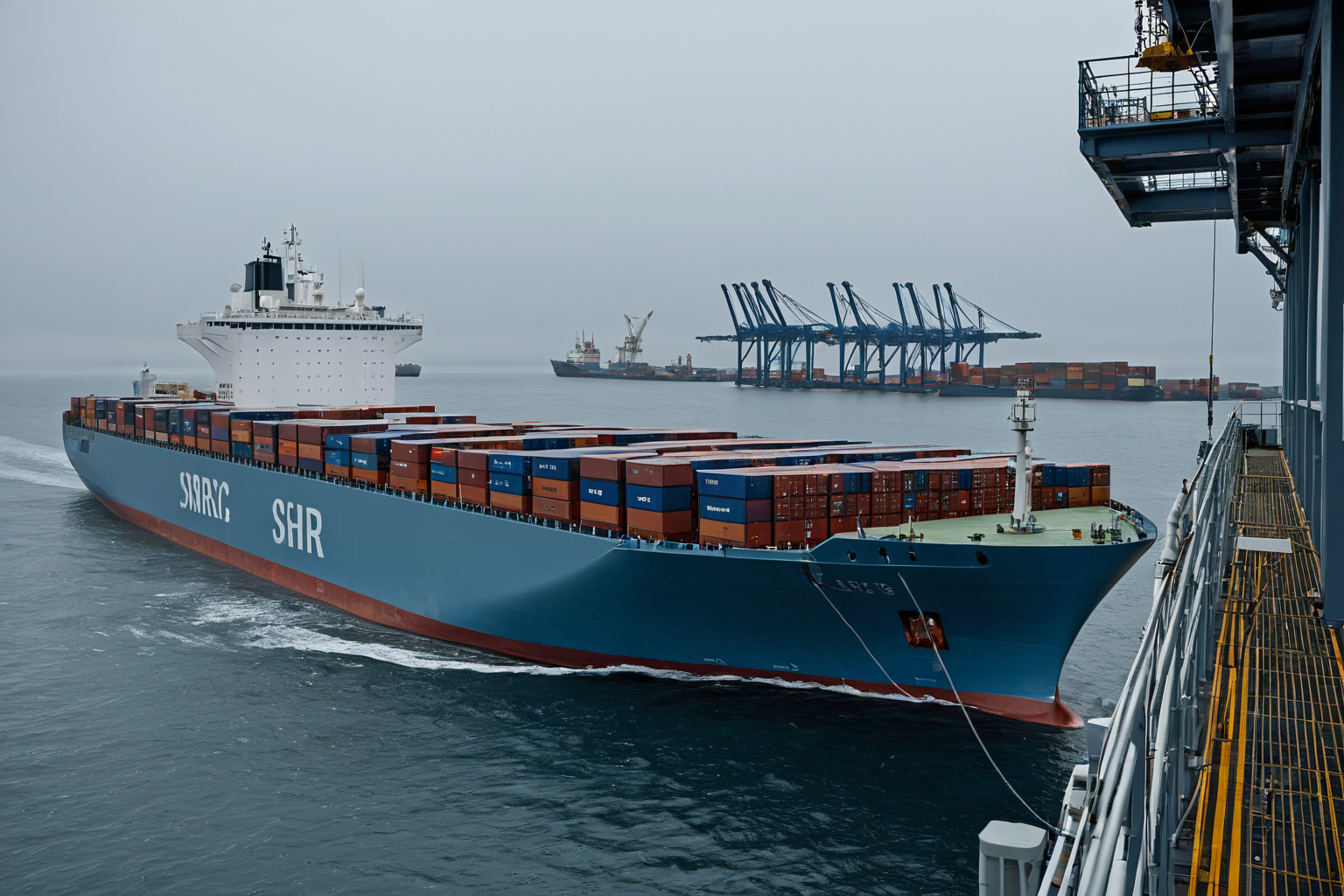
Ship equipment failure prediction can improve maintenance efficiency by 15% through real-time data analysis. In a case study from SignLab, an AI model processed sensor data in real time to detect early warning signs, reducing unplanned downtime. This transition moved beyond routine mechanical inspections toward a proactive maintenance system.
Data Utilization Strategy: Three Clear Distinctions
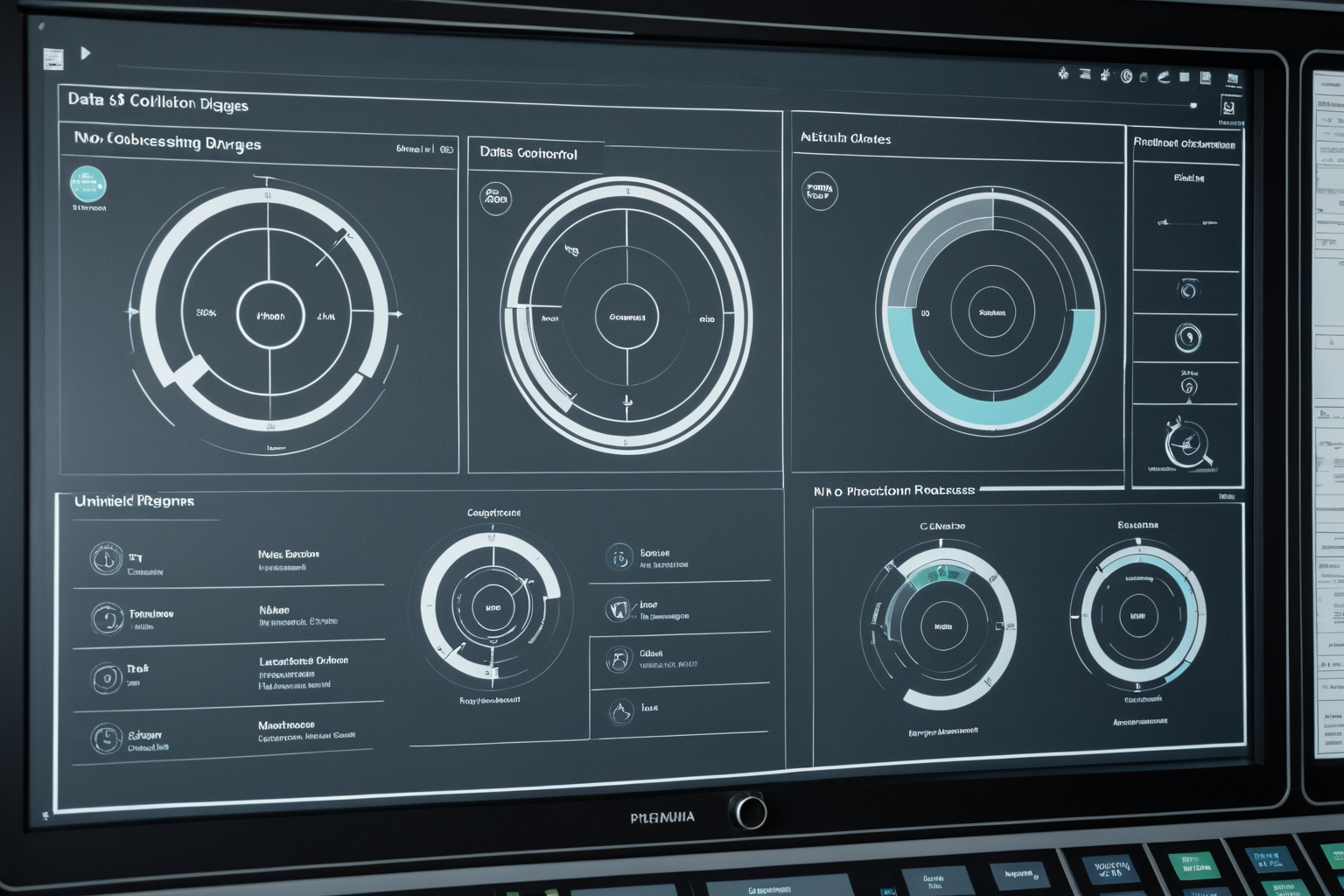
Teams that effectively use data clearly distinguish three aspects in the data collection, processing, and application process. First, they establish a sensor placement strategy to ensure real-time data accuracy. Second, they set filtering criteria for AI model training. Third, they build a process to quickly share prediction results with on-site maintenance teams.
These three distinctions optimize the flow from ensuring data reliability to practical implementation, enhancing the effectiveness of AI solutions. For example, in sensor placement strategy, high-sensitivity sensors were concentrated at key load points of ship equipment to reduce signal noise and improve accuracy.
Infinite Automation: The Future Vision for Ships
Korea Emerson is leading digital transformation in the shipping industry through its 'Infinite Automation' strategy. This aims to fully automate maintenance processes using real-time data-based AI prediction systems. For instance, when equipment has a high risk of failure, AI automatically generates repair requests and initiates part inventory management.
Infinite automation goes beyond simple automation by completely integrating data flow and decision-making processes, innovatively improving the shipping industry's maintenance system. This strategy was introduced as 'Future Ship Vision' in a report announced November 2025 and is already being piloted by some shipping companies.
Real-World Case Study: Real-Time Data Application
SignLab's AI solution successfully predicted cyclical phenomena in ship equipment in real time. According to an October 18, 2025, report in the Electronic News, shipping companies that adopted this solution improved maintenance efficiency by 15%. Specifically, unplanned downtime decreased by an average of 30%, and preventive maintenance costs were reduced.
The three distinctions method used by effective data teams was introduced in a June 1, 2025, Brunch article. This methodology systematized the process from data collection to application and played a key role in building real-time prediction systems.
Details of Data Utilization Strategy
The most critical factor in real-time data-based prediction is the data collection phase. Sensor placement strategy must be concentrated at key load points of equipment. To achieve this, SignLab analyzed ship equipment structure and operation to determine optimal sensor locations.
In the data processing phase, filtering criteria suitable for AI model training are established. For example, selecting vibration signals within specific frequency bands to remove noise improved accuracy. This approach was mentioned in a June 2025 Brunch article as one of the three distinctions used by 'teams that use data well'.
In the data application phase, sharing prediction results quickly with on-site maintenance teams is crucial. SignLab's solution provides real-time notifications via mobile app, enabling immediate response from team members.
Specific Strategies for Future Ship Vision
Korea Emerson's 'Infinite Automation' strategy aims to fully automate maintenance processes using real-time data-based AI prediction systems. This goes beyond simple alerts; when equipment has a high risk of failure, AI automatically generates repair requests and initiates part inventory management.
According to an Industrial News report on November 3, 2025, this strategy is gaining attention as a key approach accelerating digital transformation in the shipping industry. 'Infinite Automation' integrates data flow and decision-making processes to build proactive maintenance systems.
This strategy goes beyond simple technology adoption to change internal organizational culture and collaboration methods around data. Building a proactive maintenance system through real-time data analysis is the future of the shipping industry.
Effectiveness of Real-Time Data Utilization Strategy
Real-time data-based AI prediction creates multiple benefits in the shipping industry. First, maintenance efficiency improved by 15% (SignLab case). Second, unplanned downtime decreased by an average of 30%. Third, preventive maintenance costs were reduced.
These results were achieved through systematic management of the three stages: data collection, processing, and application. Particularly, the 'three distinctions' method used by effective data teams was a key factor in the success of real-time prediction systems.
In data collection, sensor placement strategy was crucial; in data processing, filtering criteria improved accuracy; and in data application, real-time notification systems enhanced communication with on-site teams.
This strategy can be expanded beyond ship equipment failure prediction to other industries. For example, similar principles could apply to aircraft engine inspections or power plant equipment management.
Validation of Data Utilization Strategy
The SignLab case was verified by an October 18, 2025, report in the Electronic News titled 'AI Predicts Ship Equipment Failures... Maintenance Efficiency Improved by 15%,' presenting actual data-based results.
The three distinctions method used by effective data teams was introduced in a June 1, 2025, Brunch article. This methodology played a key role in building proactive maintenance systems through real-time data analysis.
Korea Emerson's 'Infinite Automation' strategy was confirmed in an Industrial News report on November 3, 2025. The report introduced it as 'Future Ship Vision,' highlighting its role as a key strategy accelerating digital transformation.
These cases validate the effectiveness of real-time data-based AI prediction and contribute to improving maintenance systems in the shipping industry.
Key Checkpoints for Real-Time Data Utilization Strategy
When implementing a real-time data-based AI prediction system, verify the following: First, whether the sensor placement strategy is concentrated at key load points of equipment. Second, whether data filtering criteria effectively improve accuracy. Third, whether a process to quickly share prediction results with on-site teams is established.
These checkpoints are based on the three distinctions method used by effective data teams. Success in real-time data analysis largely depends on these three factors.
Frequently Asked Questions
What is the biggest obstacle when implementing a real-time data-based AI prediction system?
Data quality and integration processes. The accuracy of sensors, speed of data processing, and collaboration methods with on-site teams determine success.
In which industries can real-time data-based AI prediction be applied?
Beyond shipping, it can apply to aircraft engine inspections, power plant equipment management, and manufacturing process optimization.
What are the three distinctions used by effective data teams?
Clear distinction in three aspects: data collection, processing, and application. Specifically, sensor placement strategy, data filtering criteria, and real-time notification processes.
Frequently Asked Questions
Real-time data-based AI prediction can significantly improve maintenance efficiency in the shipping industry. In SignLab's case, maintenance efficiency improved by 15%, while Korea Emerson's 'Infinite Automation' strategy presents a vision for future ships.
The three distinctions method used by effective data teams is a core strategy for successful real-time data analysis. This methodology systematizes sensor placement, data filtering, and real-time sharing processes to build proactive maintenance systems.
Real-time data utilization strategies go beyond simple technology adoption to change internal organizational culture and collaboration methods around data. Through this approach, the shipping industry can establish proactive maintenance systems and accelerate digital transformation.
Systematic management from data collection to application is crucial, as it determines the success of real-time data-based AI prediction systems. Therefore, organizations should strengthen data culture and clearly define data utilization strategies.
This approach can be expanded beyond the shipping industry. The effectiveness of real-time data-based AI prediction is increasingly validated across more industries and will significantly impact future industrial structures.
You can view similar articles on this topic in one place.
View Related ArticlesFAQ
What is the biggest obstacle when implementing a real-time data-based AI prediction system?
Data quality and integration processes. The accuracy of sensors, speed of data processing, and collaboration methods with on-site teams determine success.
In which industries can real-time data-based AI prediction be applied?
Beyond shipping, it can apply to aircraft engine inspections, power plant equipment management, and manufacturing process optimization.
What are the three distinctions used by effective data teams?
Clear distinction in three aspects: data collection, processing, and application. Specifically, sensor placement strategy, data filtering criteria, and real-time notification processes.
Korean Source
This article is an English localization of a Korean-language report from BlogScore. Original: 낫의 주기적 현상 예측: 실시간 데이터 활용 전략