
A Practical Guide to Gaining 10kg: Sample Meal Plan and Calorie Calculation
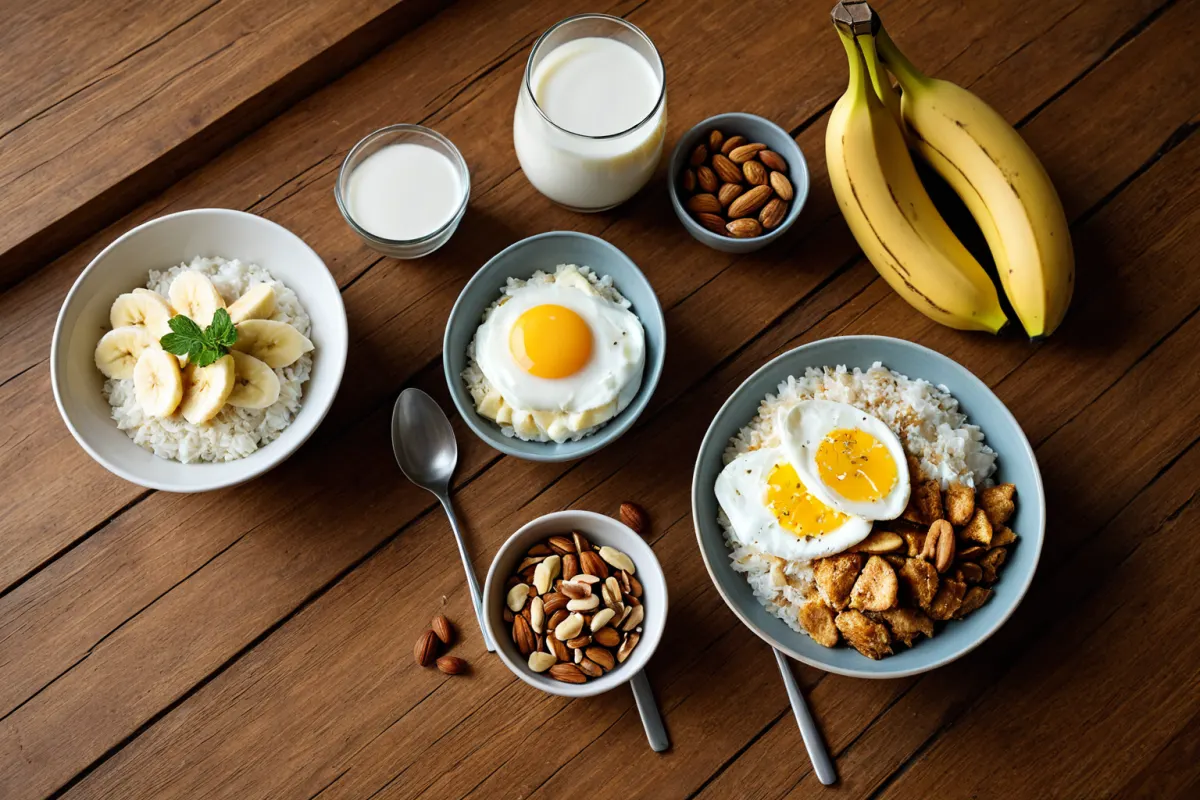
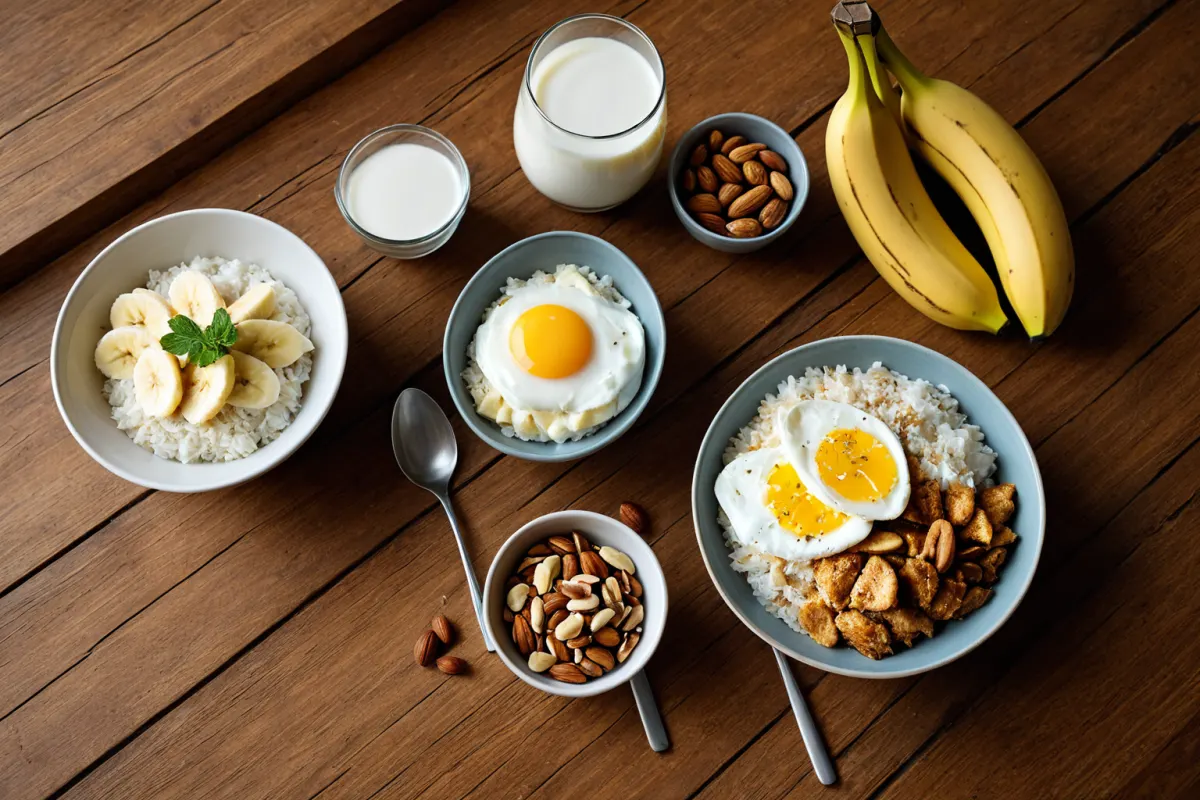
Gaining 10kg isn't about simply eating more—it's about accurately calculating your daily caloric needs and gradually meeting those requirements through a well-planned diet. The key is to first determine your total daily calorie intake based on your basal metabolic rate (BMR) and activity level, then distribute meals and snacks accordingly.
Those who struggle with low appetite or feel bloated after eating large portions should pay special attention to meal frequency and food density. Gaining 10kg is a gradual process that typically takes several months, allowing your body to adjust without significant disruption.
The Core of Healthy Weight Gain: Calorie Surplus
Weight gain ultimately depends on consuming more calories than you burn. However, rather than just increasing food quantity, aim for a daily calorie surplus of 300-500kcal above your maintenance level—a moderate approach that supports muscle growth while minimizing fat accumulation.
For example, if your maintenance calories are 2,100kcal, start with 2,400-2,600kcal. This range is ideal for building both muscle and weight without excessive fat gain or digestive discomfort.
If weight doesn't increase after a few weeks, adjust by adding 100-200kcal every two weeks. Conversely, if you feel bloated, maintain your calorie intake but modify your food choices to improve digestion.
Explore more articles on similar topics in one place.
View Related ArticlesHow to Calculate Daily Calories
The simplest method is multiplying your current weight by an activity-based factor. Adult males typically use 30-35kcal per kg of body weight, while females use 28-33kcal.
For example, a 60kg person with average activity might maintain around 1,800-2,100kcal daily. Adding 400kcal would bring this to 2,200-2,500kcal—the target range for weight gain.
A simple example: 600kcal breakfast, 700kcal lunch, 700kcal dinner, and 400kcal snacks. Distributing calories across three meals plus one or two snacks makes it easier to follow than eating large portions at once.
Sample Meal Plan for Gaining 10kg
The following example targets around 2,500kcal daily. Those with very low body weight may see gradual progress from this plan alone; more active individuals might need slightly higher amounts.
Breakfast could include one bowl of rice, two eggs, one pack of soy milk, and one banana. Adding peanut butter to toast or including nuts can easily boost calories.
Lunch: White rice, chicken breast or braised pork, tofu, vegetables, and soup. Focus on having protein-rich side dishes along with sufficient carbohydrates—not just eating less but choosing the right balance.
Snacks: Greek yogurt, milk, nuts, protein drinks, or sweet potatoes—foods that are easy to digest. Those who eat less can benefit from calorie-dense beverages to reduce meal burden.
Dinner: Rice, fish or beef, egg custard, and a salad with avocado or olive oil. For late-night hunger, add a glass of milk, cheese, or banana—practical solutions for real life.
Food Combinations That Promote Healthy Weight Gain
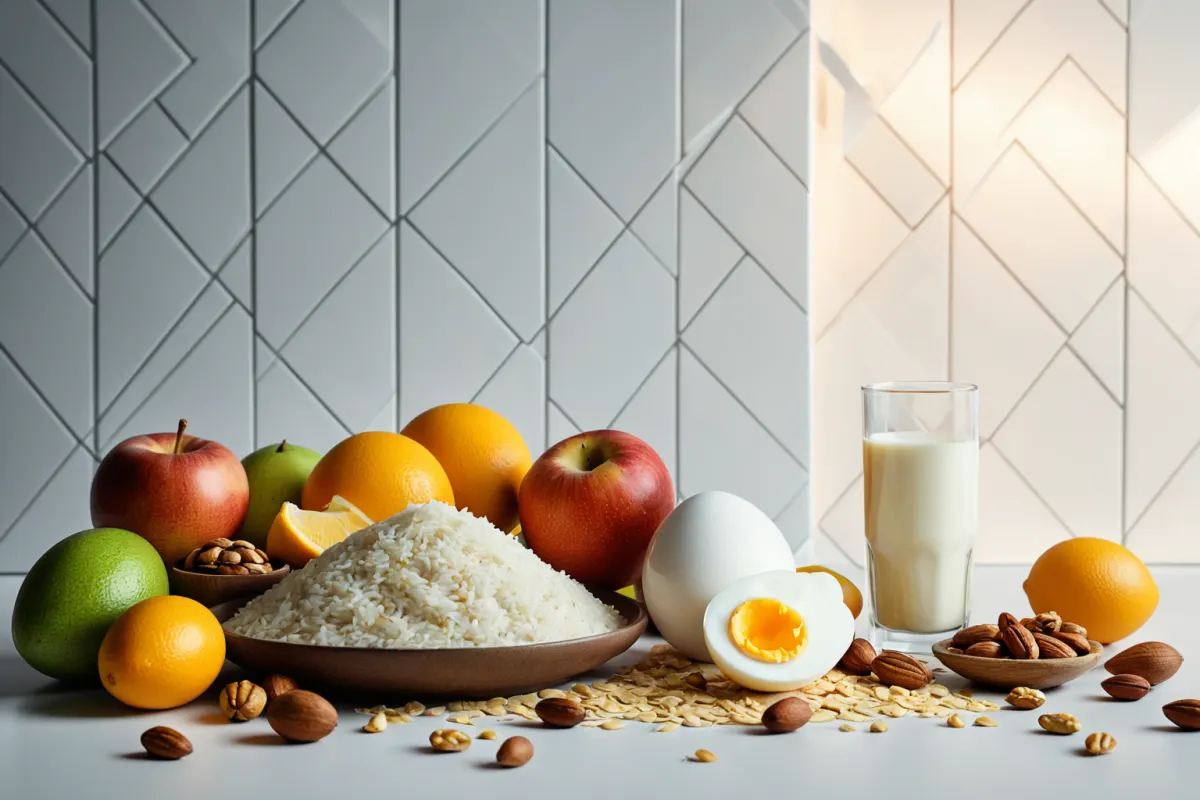
People who successfully gain weight often rely on calorie-dense foods. Meals with higher caloric density (such as rice, oils, nuts, dairy products, eggs, and lean meats) are more effective for weight gain than low-calorie options like salads or broth-based meals.
Eating only large portions of low-calorie foods can lead to insufficient total calories despite feeling full. High fiber content may fill you up without providing enough energy.
For those with small appetites, combining rice with eggs, cheese, tuna, sesame oil, or avocado is practical. Pairing these with milk or soy milk can significantly boost calorie intake per meal.
When Weight Gain Stalls: Key Checkpoints
If weight plateaus, first check your average daily intake over 1-2 weeks—not just a few days of high eating. Second, assess activity levels; increased movement outside exercise may require additional calories. Third, prioritize sleep—lack of rest can disrupt appetite and recovery, slowing progress.
Why Exercise Matters During Weight Gain
Gaining 10kg through diet alone often results in more fat gain than muscle. Combining strength training with your meal plan ensures the extra calories support muscle growth rather than just increasing body weight.
For example, incorporating squats, push-ups, rows, and deadlifts 3-4 times weekly while maintaining a proper diet leads to a cleaner physique. Without exercise, weight gain tends to accumulate more around the abdomen and sides.
After workouts, focus on balanced meals including rice, protein, and fruit—nothing too complicated. Simply ensuring you eat properly after training is enough for beginners.
Practical Tips for Real-World Success
1. Gradually increase portion sizes by 2-3 tablespoons per meal rather than all at once to avoid digestive issues.
2. Use calorie-rich beverages like milk, soy milk, or yogurt smoothies between meals—especially helpful in early stages.
3. When eating out, choose protein-based dishes like rice bowls with meat or grilled dishes instead of relying on fries or desserts for calories.
4. Weigh yourself 3-4 times weekly on an empty stomach rather than daily to avoid unnecessary diet adjustments.
Common Mistakes in Weight Gain Plans
The most overlooked aspect is not just how much you eat, but how you eat it. Adjusting meal speed, food texture, and snack timing can make eating more comfortable without overfilling your stomach.
Another common error is sticking too strictly to 'clean' eating. While healthy foods support weight gain, those with low appetite need calorie-dense options to sustain progress. For example, rotating between chicken breast, eggs, salmon, beef, and tofu prevents boredom while maintaining variety.
FAQ
Q1. How long does it take to gain 10kg?
It varies by person but usually takes several months. Gaining too quickly often leads to more fat than muscle, so combining diet with exercise is recommended.
Q2. What if I eat a lot but don't gain weight?
Track your actual intake—many underestimate their calorie consumption. Increasing snacks or calorie-rich drinks can help meet targets.
Q3. Can I avoid gaining belly fat while increasing weight?
You can't completely prevent it, but combining strength training with a protein-focused diet helps maintain a cleaner physique. Avoiding rapid weight gain is also key.
Gaining weight successfully depends more on consistency than quantity. Gradually increase calories within comfortable limits and adjust every two weeks based on your progress. Always consult a professional if you have health conditions or experience digestive issues during this process.
Keep exploring similar topics for additional guidance.
View Category ArticlesFAQ
How long does it take to gain 10kg?
It varies by person but usually takes several months. Gaining too quickly often leads to more fat than muscle, so combining diet with exercise is recommended.
What if I eat a lot but don't gain weight?
Track your actual intake—many underestimate their calorie consumption. Increasing snacks or calorie-rich drinks can help meet targets.
Can I avoid gaining belly fat while increasing weight?
You can't completely prevent it, but combining strength training with a protein-focused diet helps maintain a cleaner physique. Avoiding rapid weight gain is also key.
Korean Source
This article is an English localization of a Korean-language report from BlogScore. Original: 려운 10kg 증량 식단 예시와 칼로리 계산