
Power Demand Growth and Energy Efficiency Strategies
Projected Power Demand Growth and the Key Role of Energy Efficiency
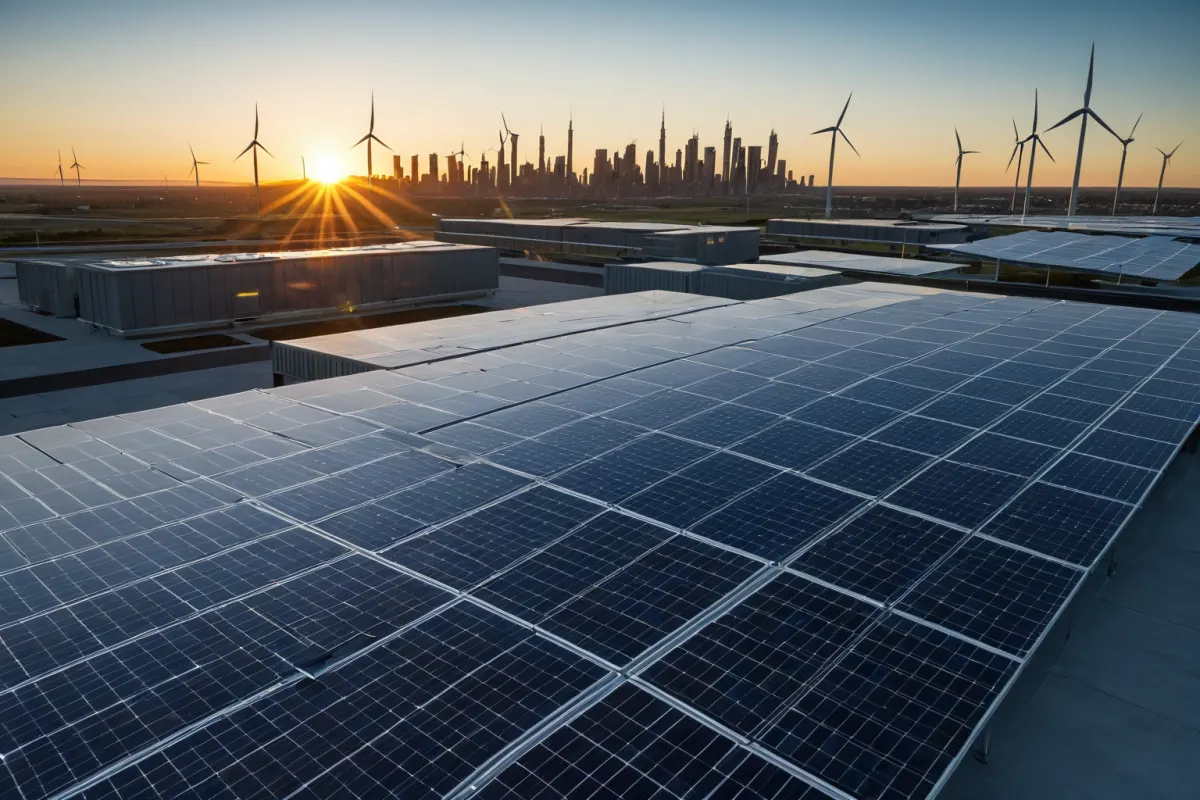
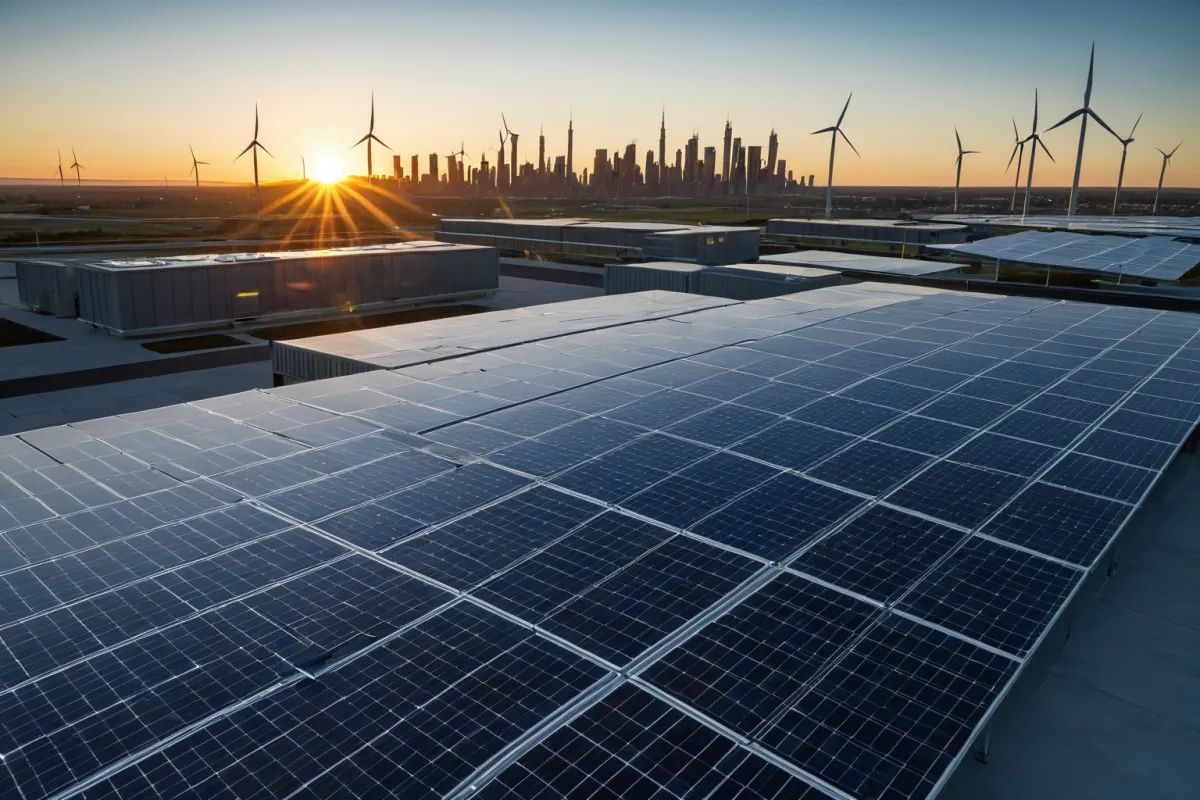
Global power demand is expected to surge due to AI data centers and AI-driven systems, with forecasts predicting a potential 30% increase over the next decade. As a result, managing electricity consumption through energy efficiency has become a central strategy. Data centers, in particular, consume more than double the power of traditional systems, with energy use during AI model training and inference identified as a primary driver.
Global Examples of Rising Power Demand and Policy Responses
Malaysia aims to save $21.5 billion by 2035 through energy efficiency measures, targeting the rapid growth in data center power demand. The government is supporting technology development for energy efficiency and strengthening performance standards for public buildings and industrial facilities.
Seongnam City is also advancing energy efficiency initiatives amid rising oil prices and heatwaves. On May 27, 2026, during a review of the local economy, they implemented a 'two-track' strategy to address peak power demand. This approach balances carbon neutrality goals with resident stability, aiming to reduce economic burdens through improved energy efficiency.
Sasang Group's Energy Efficiency Achievements and AI Technology Applications
Sasang Group reduced its facility power consumption by 8% through collaboration with LS Electric and Capco ES. This successful improvement in system efficiency demonstrates practical applicability, leveraging LS Electric’s smart power management solutions combined with Capco ES’s energy analytics technology to optimize usage patterns based on data.
Notably, AI-driven research has shown potential for reducing power consumption by up to 33 times. This represents a shift from simple cuts to building systematic management frameworks. The research developed algorithms that analyze real-time energy use patterns and automatically adjust optimal consumption timing, presenting a promising solution for data centers and industrial sites.

Detailed Strategies and Case Studies in Energy Efficiency
The Seoul Energy Forum held discussions on April 29, 2026, under the theme 'AI Era Power Demand Surge... Efficiency Improvement and Consumption Reduction Are Key.' The forum featured data center operators and AI platform companies sharing real-world energy usage data and efficiency strategies.
On October 31, 2025, Energy Daily reported a forecast of up to a 30% surge in global power demand over the next decade due to AI data centers. The report highlighted accelerated construction of data centers for computing resources needed for large-scale AI model development and operation.
On June 23, 2025, discussions on renewable energy and energy efficiency strategies to address energy security and climate challenges took place. Emphasis was placed on the necessity of investing in both renewable expansion and energy efficiency technology development at a governmental level.
Research Findings and Policy Directions for Power Demand Growth
The government has announced policies aimed at achieving economic growth while reducing energy consumption. These efforts seek to address rising power demand while advancing carbon neutrality goals, requiring practical approaches that balance both objectives. The government is supporting technology development for energy efficiency and encouraging public institutions to reduce their energy use.
An AI-based Energy Demand Management Forum was held on August 21, 2025, at Busan BEXCO. This event explored new approaches to managing rising power demand through AI, investigating the application of real-time energy management systems and data analytics technology.
Daesung Power is advancing energy efficiency initiatives at Dankook University’s Cheonan Campus, while Seongnam City implemented a policy on May 27, 2026, to address peak power demand. Dankook University’s campus has introduced smart grid technology to optimize power use across campus facilities.
Future Outlook for Energy Efficiency Strategies
Over the next decade, power demand is projected to rise by up to 30%, driven by data centers and AI systems. Strengthening energy efficiency strategies will be essential to address this trend. In particular, real-time energy management solutions integrated with AI technology are expected to advance further.
Increasing corporate collaboration cases like Sasang Group’s demonstrate growing momentum at the business level. Governments and local authorities are also moving toward comprehensive approaches that aim to achieve carbon neutrality and energy security simultaneously. This represents a shift from simple consumption cuts toward building systematic management frameworks.
An upcoming AI-era data center carbon neutrality parliamentary seminar is scheduled for December 2, 2025. This event will provide an important opportunity for policy discussions on power demand growth and efficiency strategies, with data center operators, government officials, and researchers expected to collaborate on practical solutions.
Key Information to Verify
A key point in reporting on power demand growth is the identification of AI data center power demand surges as a primary cause. This goes beyond simple numerical increases, requiring consideration of broader systemic impacts. Analysis of how changing power consumption patterns at data centers affect regional energy supply networks is also necessary.
Malaysia’s target of saving $21.5 billion through energy efficiency serves as a practical example that can inform domestic policy development. Additionally, the potential for AI technology to reduce power consumption by 33 times offers an important reference point, though real-world implementation must account for various environmental factors and technical limitations.
Frequently Asked Questions
1. What is the projected increase in power demand due to AI data centers?
Power demand related to AI data centers is forecasted to rise by up to 30% over the next decade.
2. What are the effects of energy efficiency on power reduction?
Sasang Group reduced its power consumption by 8% through collaboration with LS Electric and Capco ES, while AI technology applications have shown potential for reducing power use by up to 33 times.
3. How is the government supporting energy efficiency?
The government has announced policies aimed at achieving economic growth alongside reduced energy consumption. It emphasizes efficiency improvements and consumption reduction strategies through forums like the Seoul Energy Forum and AI-based Energy Demand Management Forum.
You can view similar articles on this topic in one place.
View Related ArticlesFAQ
What is the projected increase in power demand due to AI data centers?
Power demand related to AI data centers is forecasted to rise by up to 30% over the next decade.
What are the effects of energy efficiency on power reduction?
Sasang Group reduced its power consumption by 8% through collaboration with LS Electric and Capco ES, while AI technology applications have shown potential for reducing power use by up to 33 times.
How is the government supporting energy efficiency?
The government has announced policies aimed at achieving economic growth alongside reduced energy consumption. It emphasizes efficiency improvements and consumption reduction strategies through forums like the Seoul Energy Forum and AI-based Energy Demand Management Forum.
Korean Source
This article is an English localization of a Korean-language report from BlogScore. Original: 전력 수요 증가율과 에너지 효율화 전략