
Police Union's Hair-Shaving Protest: Public Opinion and Government Response
Overview of the Police Union's Hair-Shaving Protest
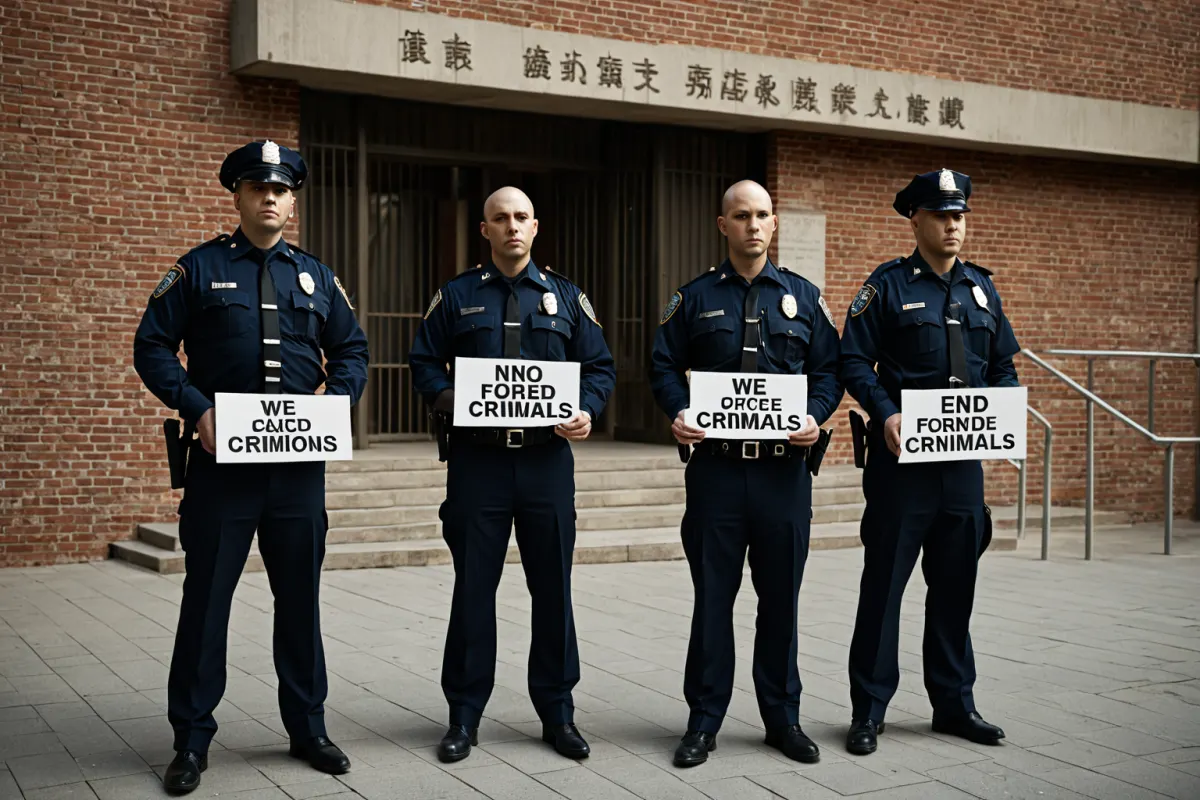
The Police Professional Association (PPA) has been conducting a hair-shaving protest in opposition to the government's unilateral expansion of rotation policies following the 'Jang Yun-ki incident.' Ten protesters shaved their heads collectively in front of the police headquarters, emphasizing that the rotation system treats officers as potential criminals.
Key Facts
The PPA's protest committee held a hair-shaving demonstration on August 3rd in front of the police headquarters, demanding the government withdraw its unilateral expansion of rotation policies. This action stems from strong opposition to how the entire police force has been treated as 'suspected criminals' following the Jang Yun-ki incident.
The PPA argues that the rotation system treats officers as potential criminals and has engaged in direct actions, including group hair-shaving, to pressure the government.
The PPA has also warned prosecutors not to exploit the Jang Yun-ki case to manipulate the rotation policy issue, while demanding the withdrawal of increased oversight personnel.
Incident Background
On July 30th, the PPA announced a hair-shaving protest against rotation policies following the 'Jang Yun-ki incident,' which sparked strong dissatisfaction with how police officers are being treated as 'suspected criminals.'
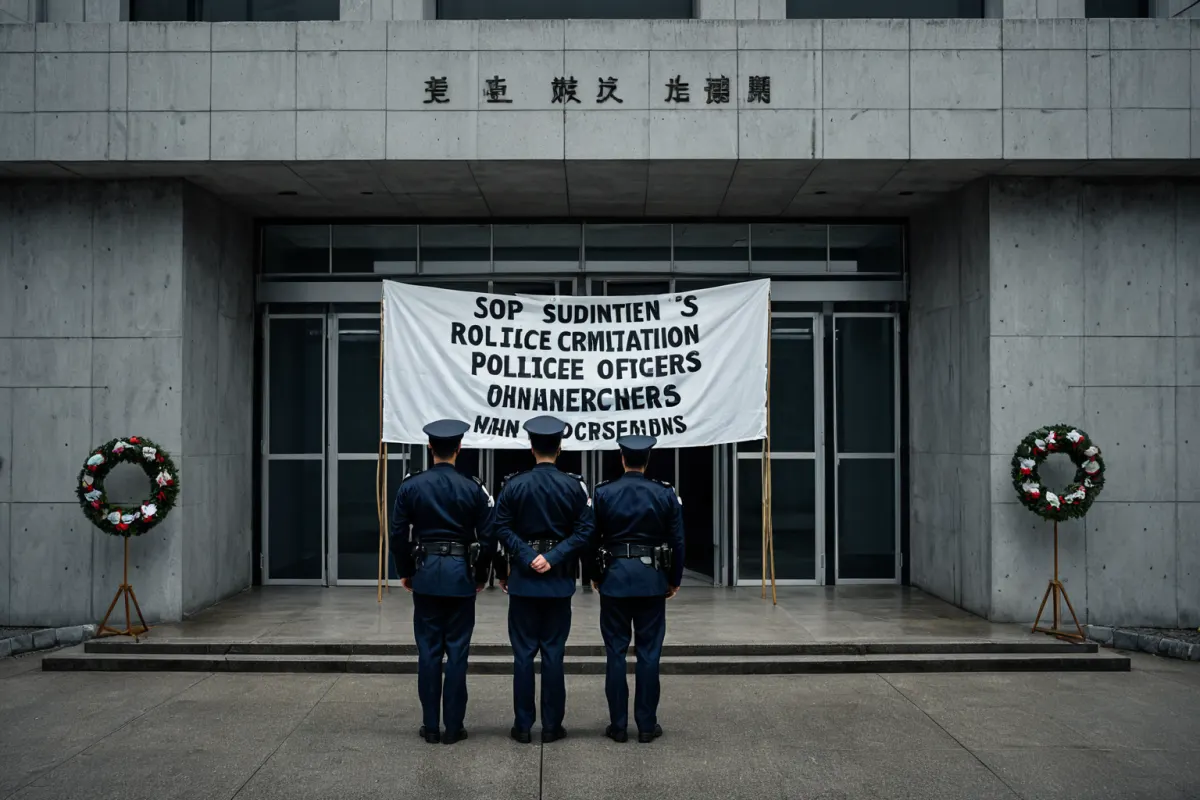
On July 31st, the PPA declared its intention to hold a hair-shaving protest against rotation policies and announced their first action would take place on August 3rd. On that day, mourning wreaths with messages like 'Immediately Withdraw Forced Rotations' were placed in front of the police headquarters.
On August 2nd, the National Police Professional Association held a hair-shaving protest against rotation policies. Then, on August 3rd, ten officers shaved their heads collectively in front of the police headquarters as part of the protest.
The PPA demands that forced rotation policies and increased oversight be withdrawn, stating that '130,000 police officers are being treated as criminals.' This movement occurred between late July and early August 2026, with police officers using direct actions like hair-shaving to express their opposition to the government.
Root Causes
The PPA's hair-shaving protest is a reaction to the government's unilateral expansion of rotation policies following the Jang Yun-ki incident. Officers strongly reject being treated as 'potential criminals.'
The introduction of the police rotation system led officers to feel that, due to the Jang Yun-ki case, the entire force was being treated as 'suspected criminals.' This stems from how the Jang Yun-ki case expanded into a broader internal accountability issue within the police department.
The PPA is opposing both the rotation policy and increased oversight personnel, strongly rejecting what they call the 'rotation and oversight expansion reform plan.' They believe changes to the management system directly impact officers' self-esteem and job performance.
Conflict between the government and the PPA has intensified as accountability disputes over the Jang Yun-ki incident clash. Debates continue over whether to 'minimize rather than conclude' or demand leadership resignation, deepening internal divisions within the police force and fueling controversy over government response.
Response and Safety Information
The PPA is using the hair-shaving protest to pressure the government to withdraw its unilateral rotation policies and also demands withdrawal of increased oversight. This stems from concerns about how changes in police management systems affect officers' work environment and self-esteem.
The government faces the challenge of addressing internal police opposition amid conflicting accountability claims over the Jang Yun-ki incident. This has led to ongoing debates about trust in the police organization and reforms to management systems.
Public opinion is divided, with disputes over 'breaking ties' and 'shifting on-site responsibility,' further deepening divisions within the police force. Some citizens argue for necessary police reform, while others advocate protecting frontline officers' rights.
The PPA has warned prosecutors not to exploit the Jang Yun-ki case to manipulate rotation policy issues, likely concerned about political exploitation of the case by prosecutors.
Verified Information
The government's official response to the PPA's hair-shaving protest has yet to be announced. This delay may reflect that the root issue lies in the police headquarters' unilateral expansion of personnel policies following the Jang Yun-ki incident.
The group hair-shaving was confirmed to have been led by the PPA's protest committee and took place in front of the police headquarters, with reports indicating it occurred on August 3rd.
The PPA demands the withdrawal of forced rotation policies and increased oversight, stating that '130,000 police officers are being treated as criminals.' This reflects concerns about how changes to the management system affect officers' work environment and self-esteem.
Accountability disputes over the Jang Yun-ki incident have led to conflicting arguments between 'minimizing rather than concluding' and demands for leadership resignation. These divisions deepen internal police conflicts and fuel controversy over government response.
Frequently Asked Questions
Why did the Police Union's hair-shaving protest start?
The PPA began its hair-shaving protest in opposition to the government's unilateral expansion of rotation policies following the 'Jang Yun-ki incident.' Officers are rejecting being treated as 'potential criminals.'
What are the main demands of the Police Union?
The PPA is demanding the withdrawal of forced rotation policies and increased oversight personnel. They have also warned prosecutors not to exploit the Jang Yun-ki case to manipulate rotation policy issues.
Why did police officers choose a hair-shaving protest?
Officers chose the hair-shaving protest because they argue the rotation system treats them as 'potential criminals,' and they want to apply direct pressure on the government through this action. This decision stems from concerns about how management system changes will affect their work environment and self-esteem.
Frequently Asked Questions
The PPA's hair-shaving protest began as a strong reaction against the government's unilateral expansion of rotation policies following the Jang Yun-ki incident, with officers collectively shaving their heads in front of police headquarters to pressure the government. This is an act of rejecting being treated as 'potential criminals.'
Conflict between the government and the PPA continues, with the PPA also demanding withdrawal of increased oversight while pressuring the government for a response. The dispute has intensified amid conflicting accountability claims over the Jang Yun-ki incident.
Public opinion is divided regarding 'breaking ties' and 'shifting on-site responsibility,' but the PPA is using the hair-shaving protest to demand withdrawal of forced rotation policies from the government. This reflects concerns about how management system changes will affect officers' work environment and self-esteem.
You can view similar articles on this topic all at once.
View Related ArticlesFAQ
Why did the Police Union's hair-shaving protest start?
The PPA began its hair-shaving protest in opposition to the government's unilateral expansion of rotation policies following the 'Jang Yun-ki incident.' Officers are rejecting being treated as 'potential criminals.'
What are the main demands of the Police Union?
The PPA is demanding the withdrawal of forced rotation policies and increased oversight personnel. They have also warned prosecutors not to exploit the Jang Yun-ki case to manipulate rotation policy issues.
Why did police officers choose a hair-shaving protest?
Officers chose the hair-shaving protest because they argue the rotation system treats them as 'potential criminals,' and they want to apply direct pressure on the government through this action. This decision stems from concerns about how management system changes will affect their work environment and self-esteem.
Korean Source
This article is an English localization of a Korean-language report from BlogScore. Original: 경찰직협 삭발 사건, 시민 의견과 정부 대응 현황