
Police Rotation System Controversy: Officer Backlash and Reform Debates
Widespread Opposition to Expanded Police Rotation System
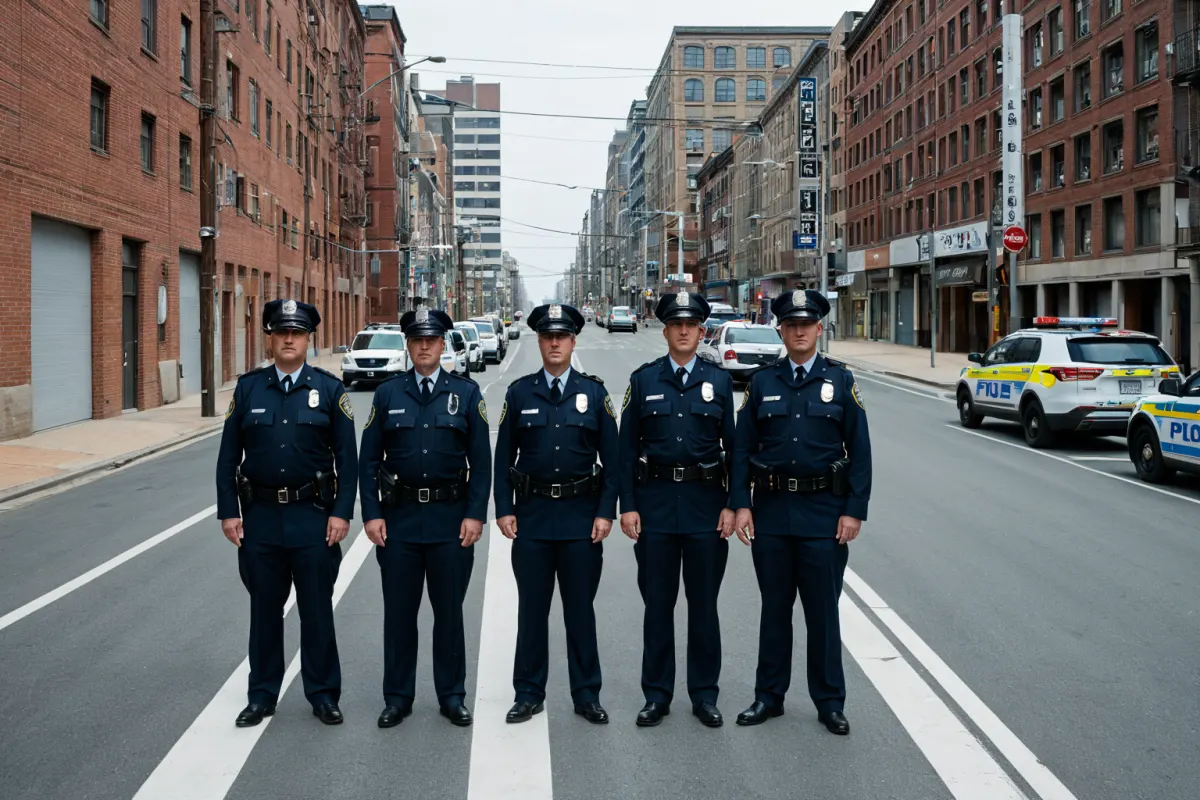
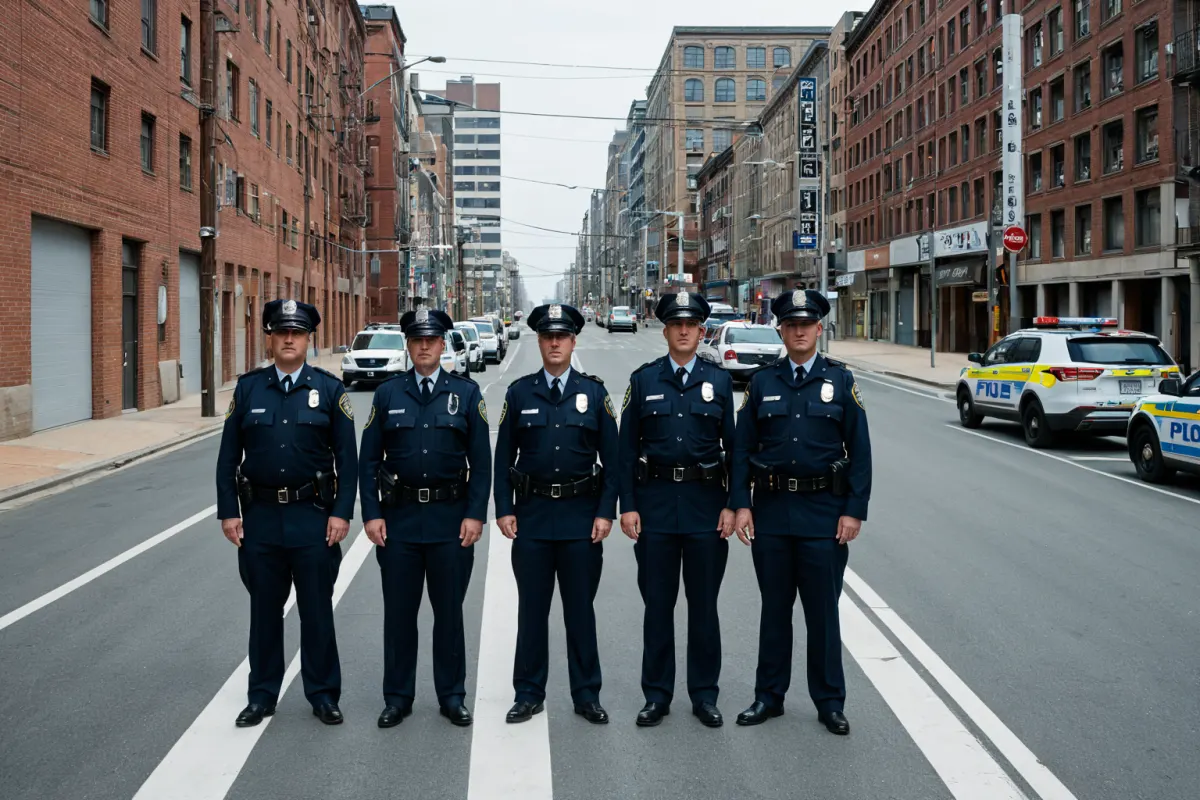
Opposition to South Korea's police rotation system is spreading nationwide, with officers in Ulsan and Daegu-Gyeongbuk regions strongly opposing what they call an unconsidered personnel policy that ignores local realities. The Police Occupational Council (Poc) has announced plans for collective hair-cutting protests demanding the abolition of "rotation system," citing concerns that it treats 130,000 officers as sacrificial lambs.
Following the Jang Yun-gi incident, the police have been considering expanding the rotation system. The Poc strongly opposes this, stating that over 17,000 officers have worked at the same post for more than a decade—a significant issue they've highlighted.
Collective Hair-Cutting Protest and Council's Arguments
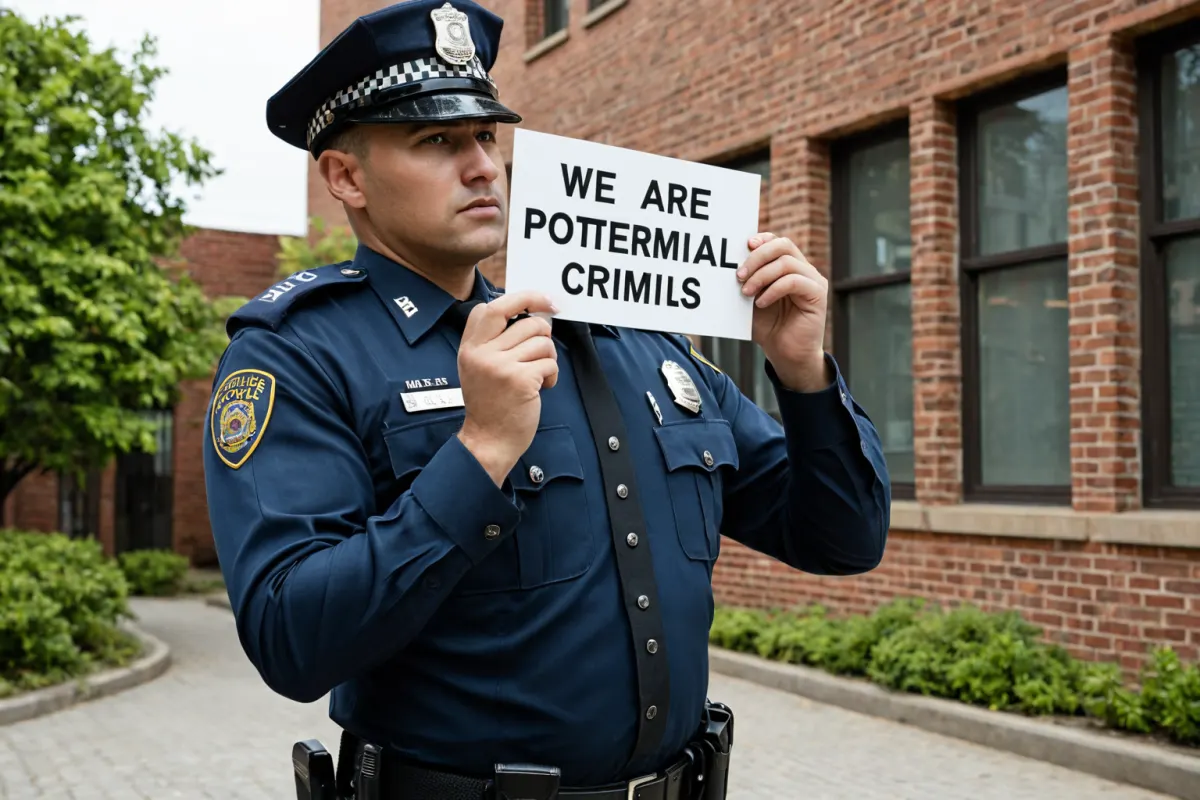
The Police Occupational Council is leading a protest with the slogan "We are not potential criminals," announcing collective hair-cutting demonstrations. This follows a nationwide investigation into police officers' families that identified 117 cases of incidents, which they argue shows police officers being treated as potential criminals.
The Poc emphasizes that following the Jang Yun-gi incident, an investigation into police officers' families uncovered 117 cases across South Korea. They use this to highlight how police officers are being unfairly treated as potential criminals, justifying their protest against the rotation system expansion.
Problems and Controversy Surrounding the Rotation System
The fact that over 17,000 officers have worked at the same post for more than a decade is cited as evidence that rigid rotation policies could harm cooperation with community policing. Regional disparities are also highlighted, with long-term officer ratios differing by up to nine times between regions.
The government is considering expanding the rotation system, but police are opposing it. Following the Jang Yun-gi incident, reforms to improve the rotation system are being pushed forward. The Poc's hair-cutting protests are seen as a manifestation of dissatisfaction with post-Jang Yun-gi personnel policies.
Internal Police Issues and Government Response
The government has revoked honors for military officials involved in the 1979 December 12 coup, including former interrogator Lee Geun-an. Incheon Police Agency promoted five colonels to higher ranks but faced controversy over including a unit involved in investigating illegal election activities by Yoo Jung-bok.
The acting police chief expressed "a heart-wrenching determination" regarding the Jang Yun-gi incident, pledging maximum efforts to restore public trust. Gangnam Police Station conducted personnel changes and comprehensive investigations as part of internal reforms following the Jang Yun-gi case.
Discussion on Improving the Rotation System
Following the Jang Yun-gi incident fallout, discussions about reforming the rotation system have intensified. Plans to expand the system starting in the first half of next year are under consideration, but the Poc is opposing these plans by highlighting their flaws.
The Police Occupational Council criticizes the rigid nature of the rotation system, arguing that it undermines operational efficiency by ignoring local conditions. This concern becomes more pronounced given that over 17,000 officers have worked at the same post for more than a decade.
Jang Yun-gi Incident and Personnel Reform
The Jang Yun-gi incident exposed internal police issues, leading to an investigation into officers' families. The investigation identified 117 cases, which the Poc argues shows how police officers are being treated as potential criminals.
The Police Occupational Council has strongly opposed personnel reforms following the Jang Yun-gi incident, particularly highlighting that rigid rotation could harm cooperation with community policing and reduce operational efficiency due to varying work experiences across regions.
Response and Safety Information
The acting police chief described the situation as "heart-wrenching" regarding the Jang Yun-gi incident, pledging maximum efforts to restore public trust. Gangnam Police Station conducted personnel changes and comprehensive investigations to address internal issues following the case.
Incheon Police Agency promoted five colonels but faced controversy over including a unit involved in investigating illegal election activities by Yoo Jung-bok, highlighting increased scrutiny of internal police appointments.
Key Information
The Police Occupational Council emphasizes that an investigation into officers' families following the Jang Yun-gi incident identified 117 cases, which they argue shows how police officers are being treated as potential criminals. They also point out that over 17,000 officers have worked at the same post for more than a decade—a significant issue highlighting regional disparities in long-term officer presence (up to nine times difference between regions) and suggesting rigid personnel policies could harm operational efficiency.
Frequently Asked Questions
Why did the Police Occupational Council start hair-cutting protests?
The Poc is conducting collective hair-cutting demonstrations after an investigation into police officers' families following the Jang Yun-gi incident identified 117 cases, which they argue shows police officers are being treated as potential criminals. They are using this to oppose the proposed expansion of the rotation system.
Why is expanding the rotation system controversial?
The Poc argues that rigid rotation policies could harm cooperation with community policing due to regional disparities in long-term officer presence (up to nine times difference between regions), and that over 17,000 officers have worked at the same post for more than a decade.
What measures have been taken internally following the Jang Yun-gi incident?
The acting police chief expressed "heart-wrenching" determination to restore trust, while Gangnam Police Station conducted personnel changes and comprehensive investigations as part of internal reforms. Incheon Police Agency promoted five colonels but faced controversy over including a unit involved in investigating illegal election activities by Yoo Jung-bok.
Frequently Asked Questions
The opposition to expanding the police rotation system following the Jang Yun-gi incident has exposed internal police issues. The Poc opposes it, stating that 130,000 officers are being treated as sacrificial lambs and arguing that rigid rotation could harm community policing cooperation.
Key concerns include over 17,000 officers working at the same post for more than a decade (with regional disparities up to nine times) and the impact of rigid personnel policies on operational efficiency. The acting police chief has pledged to restore trust following the incident, while Gangnam Police Station conducted internal reforms including personnel changes and comprehensive investigations.
The government is considering expanding rotation but faces strong opposition from police who argue for more nuanced approaches. Ongoing discussions about reforming the system are expected as the Poc continues its protests against what they see as unfair treatment of officers as potential criminals.
You can view similar articles on this topic in one place.
View Related ArticlesFAQ
Why did the Police Occupational Council start hair-cutting protests?
The Poc is conducting collective hair-cutting demonstrations after an investigation into police officers' families following the Jang Yun-gi incident identified 117 cases, which they argue shows police officers are being treated as potential criminals.
Why is expanding the rotation system controversial?
The Poc argues that rigid rotation policies could harm cooperation with community policing due to regional disparities in long-term officer presence (up to nine times difference between regions), and that over 17,000 officers have worked at the same post for more than a decade.
What measures have been taken internally following the Jang Yun-gi incident?
The acting police chief expressed "heart-wrenching" determination to restore trust, while Gangnam Police Station conducted personnel changes and comprehensive investigations as part of internal reforms. Incheon Police Agency promoted five colonels but faced controversy over including a unit involved in investigating illegal election activities by Yoo Jung-bok.
Korean Source
This article is an English localization of a Korean-language report from BlogScore. Original: 경찰 순환인사 삭발, 인사 대상자 선정 기준과 절차