
Summary of the Police Investigation Reform Committee's Handling of the Jang Yun-gi Case
Overview of the Police Investigation Reform Committee's Handling of the Jang Yun-gi Case
The Police Investigation Reform Committee was established on July 27, 2026, with the Jang Yun-gi case as its first agenda item. Despite criticism regarding its composition including 'pro-police personnel,' the committee plans to finalize the factual details of the case and present recommendations for institutional improvements and a revitalization plan.
Current Status of the Investigation into the Jang Yun-gi Case
On July 21, 2026, the Jang Yun-gi Special Task Force began an investigation involving the seizure of documents from the National Security Bureau (NSB) within the Police Agency. This move directly addresses the core controversy surrounding 'NSB directives' in the case and has brought to light internal issues within the police force as the investigation intensifies.
Background and Criticism Surrounding the Establishment of the Police Investigation Reform Committee
The committee faced criticism prior to its establishment for being composed largely of 'pro-police personnel.' However, it officially launched on July 27, selecting the Jang Yun-gi case as its first priority. This is seen as an attempt to address structural issues within the police force.
Summary of Facts Regarding the Jang Yun-gi Case
The Police Investigation Reform Committee plans to summarize the factual details of the Jang Yun-gi case based on investigative findings. According to related reports, the Jang Yun-gi Special Task Force conducted a separate investigation under directives from the NSB, which aligns with explanations provided by police officials regarding the need for comprehensive investigations.
Discussion and Direction of Institutional Improvements
The committee is currently discussing reforms related to rotation policies and the operation of internal anti-corruption units. These measures aim to strengthen control over police authority, preventing issues similar to the Jang Yun-gi case. On August 3, the committee announced it would review institutional improvements following the release of its investigative findings on the case.
Controversies Related to the Jang Yun-gi Case
The Jang Yun-gi case began with controversy over 'NSB directives' leading to separate investigations. The Police Personnel Committee plans to respond after verifying prosecutors' claims, and there has been backlash against mandatory rotation policies. Analysts view this as an issue extending beyond a simple investigative matter to encompass systemic organizational problems within the police force.
Reform Proposals by the Police Investigation Reform Committee
Based on lessons learned from the Jang Yun-gi case, the committee is reviewing proposals for improving rotation systems and the operation of internal anti-corruption units. These measures aim to prevent misuse of police power and enhance investigation fairness, potentially setting a benchmark for future police institutional reforms.
The Jang Yun-gi Case and Police Organizational Reform
The Jang Yun-gi case has exposed structural issues within the police force. As the Police Investigation Reform Committee proceeds with its work, the factual details of the case will be clarified, leading to a more focused implementation of institutional improvements. This is expected to contribute to restoring trust in the police organization and building a fairer investigative system.
How to Verify Information on the Jang Yun-gi Case
Factual details about the Jang Yun-gi case can be verified through reports from the Police Investigation Reform Committee and related media coverage. The committee's announcement of its institutional improvement discussions on August 3 is expected to serve as an important reference for understanding the direction of internal police reform.
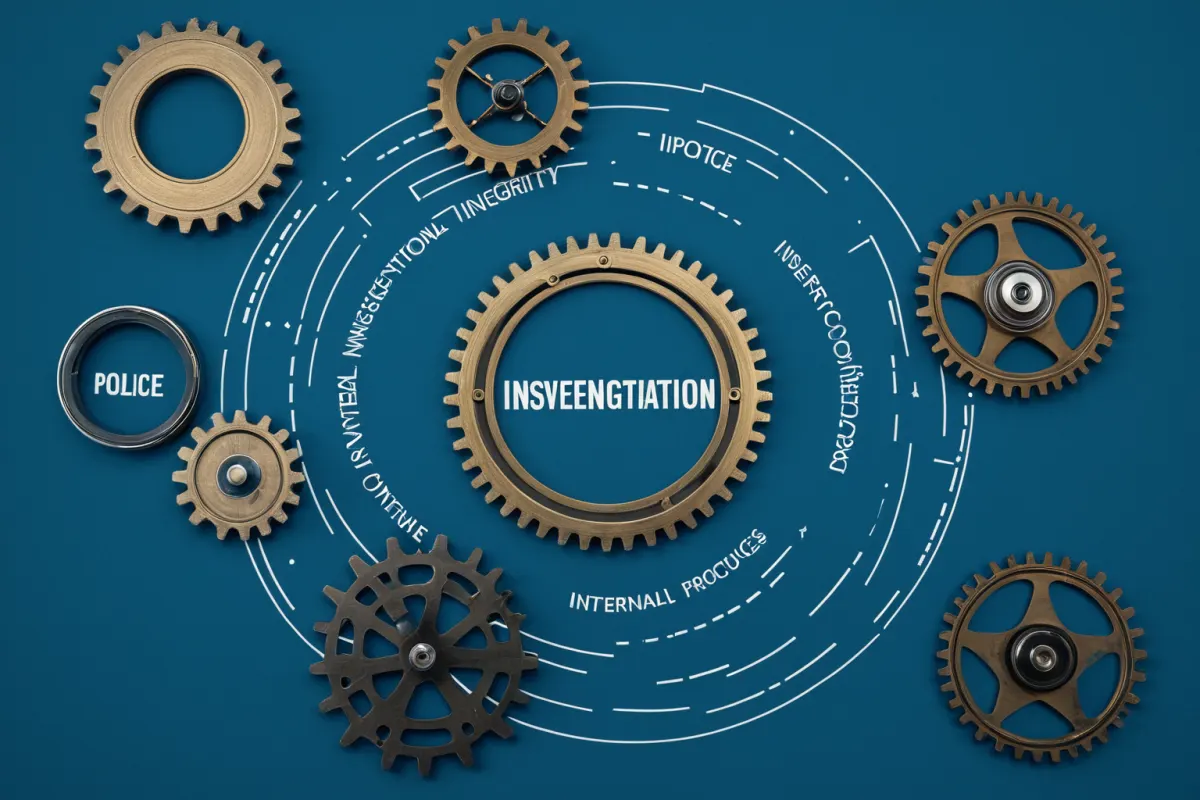
The Activities of the Police Investigation Reform Committee and Institutional Reforms
Based on data gathered from the Jang Yun-gi case, the committee is setting directions for institutional improvements. This includes specific measures such as enhancing rotation systems and discussing operational approaches for internal anti-corruption units. These efforts are interpreted as attempts to prevent misuse of police power and enhance investigation fairness.
The Jang Yun-gi Case and Investigation Improvements
The Jang Yun-gi case originated from controversy over directives for separate investigations within the police force. While some officials argued that NSB directives were necessary for comprehensive investigations, this has been a point of contention. The committee is working to resolve such issues through institutional reforms.
Internal Police Issues and Reform Directions
The Jang Yun-gi case represents an instance where structural problems within the police organization became evident. As the committee works, internal issues are being more clearly identified. Discussions on rotation policies and anti-corruption unit operations are seen as strategic approaches to addressing these challenges.
Key Schedule for the Jang Yun-gi Case
July 21, 2026: The Jang Yun-gi Special Task Force begins seizure investigation at the National Security Bureau (NSB) within the Police Agency
July 27, 2026: Police Investigation Reform Committee officially established with the Jang Yun-gi case as its first agenda item
August 3, 2026: Committee announces institutional improvement discussions following release of investigative findings
Verification of Media Coverage on the Jang Yun-gi Case
Information about the Jang Yun-gi case can be found through various media reports. Official committee reports and related news coverage provide accurate information regarding the factual details of the case and directions for institutional improvements.
Frequently Asked Questions
Why was the Jang Yun-gi case selected as the first agenda item by the Police Investigation Reform Committee?
The Jang Yun-gi case revealed structural issues within the police force due to controversies over NSB directives and separate investigations. As a result, the committee selected it as its primary focus to clarify facts and explore directions for institutional improvements.
What institutional improvement proposals is the Police Investigation Reform Committee currently discussing?
The committee is discussing reforms related to rotation systems and operational approaches for internal anti-corruption units. These measures aim to prevent misuse of police authority and enhance investigation fairness.
How will the investigative findings from the Jang Yun-gi case influence institutional improvements?
The investigative findings are expected to lead to concrete actions such as improving rotation systems and discussing operational approaches for internal anti-corruption units. This will help restore trust in police organizations and establish a fairer investigative system.
Frequently Asked Questions
The Police Investigation Reform Committee is advancing institutional improvements based on lessons learned from the Jang Yun-gi case. This represents an important effort to prevent misuse of police power and enhance investigation fairness, with potential contributions to future changes and development within the police organization.
You can view more articles on similar topics in one place.
View Related ArticlesFAQ
Why was the Jang Yun-gi case selected as the first agenda item by the Police Investigation Reform Committee?
The Jang Yun-gi case revealed structural issues within the police force due to controversies over NSB directives and separate investigations. As a result, the committee selected it as its primary focus to clarify facts and explore directions for institutional improvements.
What institutional improvement proposals is the Police Investigation Reform Committee currently discussing?
The committee is discussing reforms related to rotation systems and operational approaches for internal anti-corruption units. These measures aim to prevent misuse of police authority and enhance investigation fairness.
How will the investigative findings from the Jang Yun-gi case influence institutional improvements?
The investigative findings are expected to lead to concrete actions such as improving rotation systems and discussing operational approaches for internal anti-corruption units. This will help restore trust in police organizations and establish a fairer investigative system.
Korean Source
This article is an English localization of a Korean-language report from BlogScore. Original: 경찰수사개혁위 장윤기 사건, 관련자들의 주장 요약