
Police Circular Transfer Strike: Key Points After the Announcement
Overview of the Police Circular Transfer Hair Cutting Protest
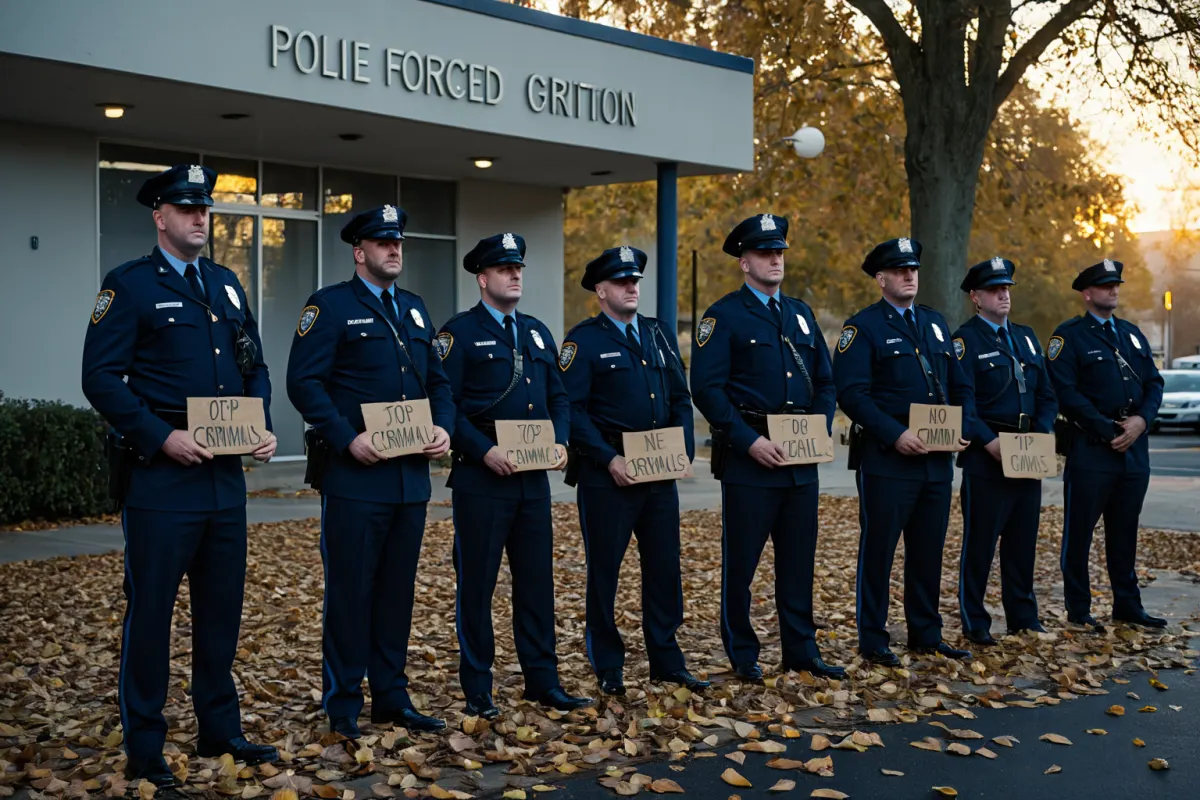
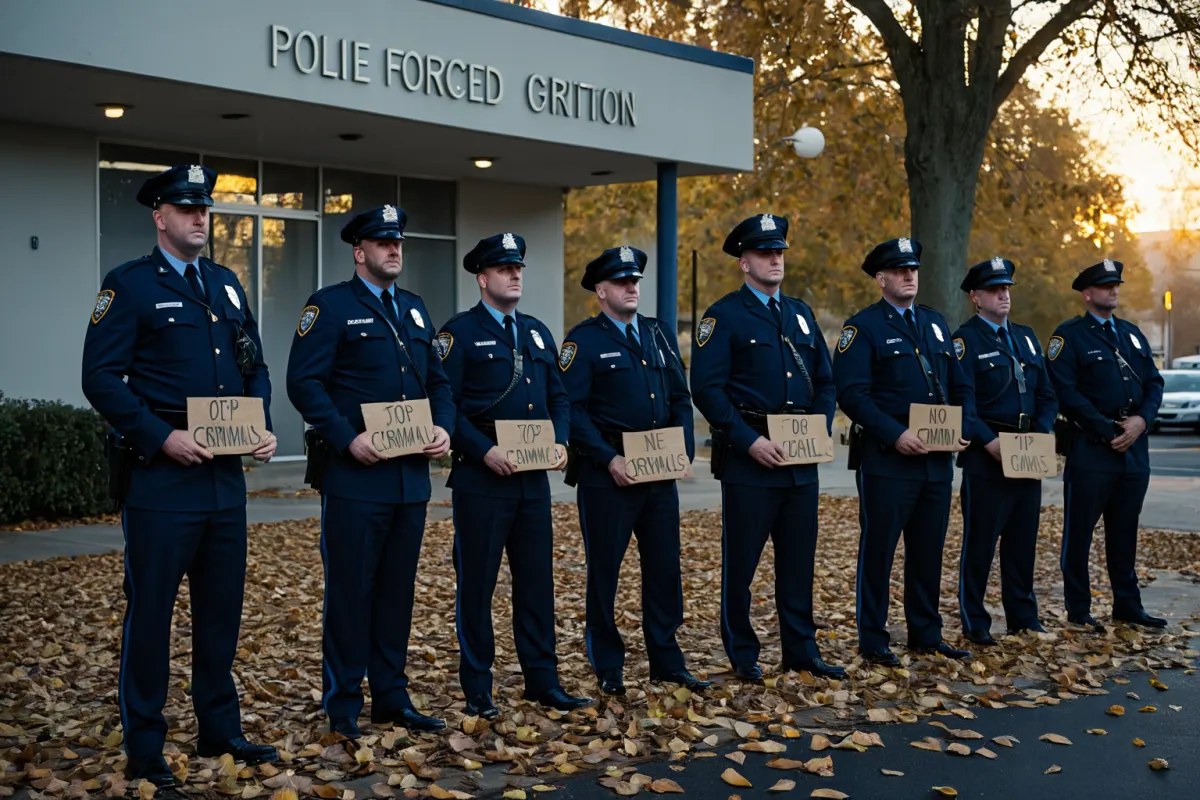
The Police Labor Union has declared a collective hair cutting protest against the expanded rotation policy. On August 3, they plan to demand the withdrawal of unilateral personnel policies in front of the police headquarters. This action is linked to their claim that '130,000 police officers are being treated as criminals,' with some officers expressing hardship due to home loans acquired before being subject to rotation.

Key Facts: The Start of the Hair Cutting Protest
The Police Labor Union announced on July 30 that they would hold a hair cutting ceremony in front of the police headquarters if communication continues to be blocked. This follows their opposition to increased oversight and personnel policies stemming from the Jang Yun-gi case, which they argue treats '130,000 police officers as criminals.' The first protest is scheduled for August 3 at the police headquarters, signaling potential escalation in tensions with the government.
The union is demanding a full withdrawal of forced rotation policies and increased oversight, along with calls for leadership resignation. This includes highlighting personal hardships, such as officers who purchased homes through loans and now face inconvenience due to rotation policies.
Incident Details: Preparing and Conducting the Hair Cutting Protest
On July 30, the Police Labor Union declared opposition to rotation policies and formed a nationwide coalition. This follows dissatisfaction with increased oversight and personnel policies following the Jang Yun-gi case, which they claim treats '130,000 police officers as criminals.'
On July 31, the union issued a warning about using the Jang Yun-gi case, announcing their hair cutting protest. This reflects dissatisfaction with prosecutorial oversight increases and personnel policies, demanding unilateral policy withdrawal.
On August 3, police officers began a collective hair cutting protest in front of the police headquarters. The protest expressed refusal to be treated as potential criminals and demanded the withdrawal of unilateral personnel policies. Some reports highlighted personal hardships, such as officers who bought homes through loans and now face difficulties due to rotation.
Investigation of Causes: Opposition to Rotation Policy
The Police Labor Union opposes increased oversight and personnel policies following the Jang Yun-gi case, claiming it treats '130,000 police officers as criminals.' They emphasize personal hardships, with some officers reporting difficulties after purchasing homes through loans due to rotation policies.
The union demands a full withdrawal of forced rotation and increased oversight, along with calls for leadership resignation. This signals deepening tensions between the government and the union, using examples like officers who bought homes via loans to highlight personal distress.
The Jang Yun-gi case is linked to policy changes following prosecutorial oversight increases, which has become a key reason for opposition to expanded rotation policies. The union strongly opposes treating '130,000 police officers as criminals.'
Response and Safety Information: Addressing the Hair Cutting Protest
The police headquarters has not issued an official response to the protest but tensions with the government are escalating. This is connected to their claim that '130,000 police officers are being treated as criminals,' focusing on demands for unilateral personnel policy withdrawal.
Personal hardships highlighted by reports of officers who bought homes through loans have been used to emphasize distress, contributing to the perceived seriousness of the protest. Some media coverage cited these cases to support the rationale behind the protest.
The Police Labor Union continues to demand a full withdrawal of forced rotation and increased oversight policies, along with calls for leadership resignation. This reflects deepening government tensions, using examples like officers who bought homes via loans to highlight personal distress.
Verified Information: For Accurate Details
The Police Labor Union continues to oppose rotation policies under the claim that '130,000 police officers are being treated as criminals,' linking it to increased oversight and personnel policy expansion following the Jang Yun-gi case. Personal hardships are emphasized in their statements.
The hair cutting protest held on August 3 at the police headquarters was a refusal of potential criminal treatment and demanded withdrawal of unilateral personnel policies. This signals deepening government tensions, with examples of officers who bought homes via loans highlighting personal distress.
The union demands full withdrawal of forced rotation and increased oversight policies while calling for leadership resignation. This reflects escalating tensions between the government and the police union, using cases of officers who purchased homes through loans to emphasize personal hardship.
Frequently Asked Questions
Why did the Police Labor Union declare a hair cutting protest?
The Police Labor Union opposes increased oversight and personnel policies following the Jang Yun-gi case, claiming it treats '130,000 police officers as criminals.'
Where is the hair cutting protest taking place?
The first hair cutting protest began on August 3 in front of the police headquarters. It expressed refusal to be treated as potential criminals and demanded withdrawal of unilateral personnel policies.
How does the case of officers who bought homes through loans relate to the hair cutting protest?
Some reports highlighted cases of officers who bought homes through loans, emphasizing personal hardship to demonstrate the seriousness of the protest.
Frequently Asked Questions
The Police Labor Union's hair cutting protest is a strong opposition to expanded rotation policies, with the claim that '130,000 police officers are being treated as criminals' at its core. This stems from dissatisfaction with increased oversight and personnel policies following the Jang Yun-gi case, using examples of officers who bought homes through loans to emphasize personal hardship. The first protest began on August 3 in front of the police headquarters, signaling deepening tensions between the government and the union.
The union demands a full withdrawal of forced rotation and increased oversight policies while calling for leadership resignation. This reflects escalating tensions with the government, with cases of officers who purchased homes through loans being used to highlight personal distress.
The police headquarters has not issued an official response but tensions with the government are increasing. This is connected to their claim that '130,000 police officers are being treated as criminals,' focusing on demands for unilateral personnel policy withdrawal.
The hair cutting protest reflects deepening government and union tensions, with personal hardship examples like officers who bought homes through loans contributing significantly. Further dialogue between the government and the union will likely be necessary moving forward.
You can view more articles on similar topics in one place.
View Related ArticlesFAQ
Why did the Police Labor Union declare a hair cutting protest?
The Police Labor Union opposes increased oversight and personnel policies following the Jang Yun-gi case, claiming it treats '130,000 police officers as criminals.'
Where is the hair cutting protest taking place?
The first hair cutting protest began on August 3 in front of the police headquarters. It expressed refusal to be treated as potential criminals and demanded withdrawal of unilateral personnel policies.
How does the case of officers who bought homes through loans relate to the hair cutting protest?
Some reports highlighted cases of officers who bought homes through loans, emphasizing personal hardship to demonstrate the seriousness of the protest.
Korean Source
This article is an English localization of a Korean-language report from BlogScore. Original: 경찰 순환인사 삭발, 인사 발표 후 주의사항 5가지