
The $16 Billion Physical AI Market: Why It's Growing So Fast
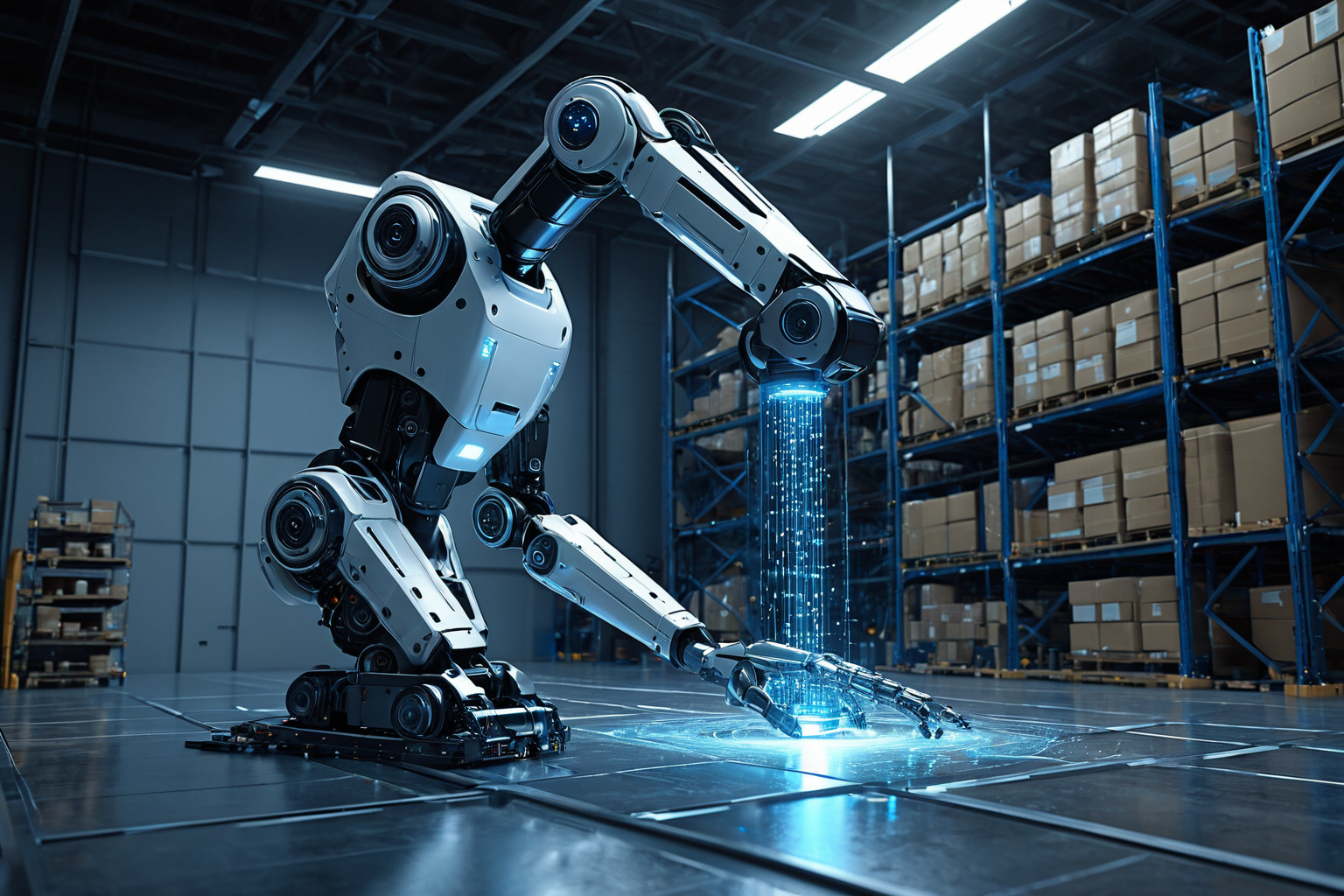
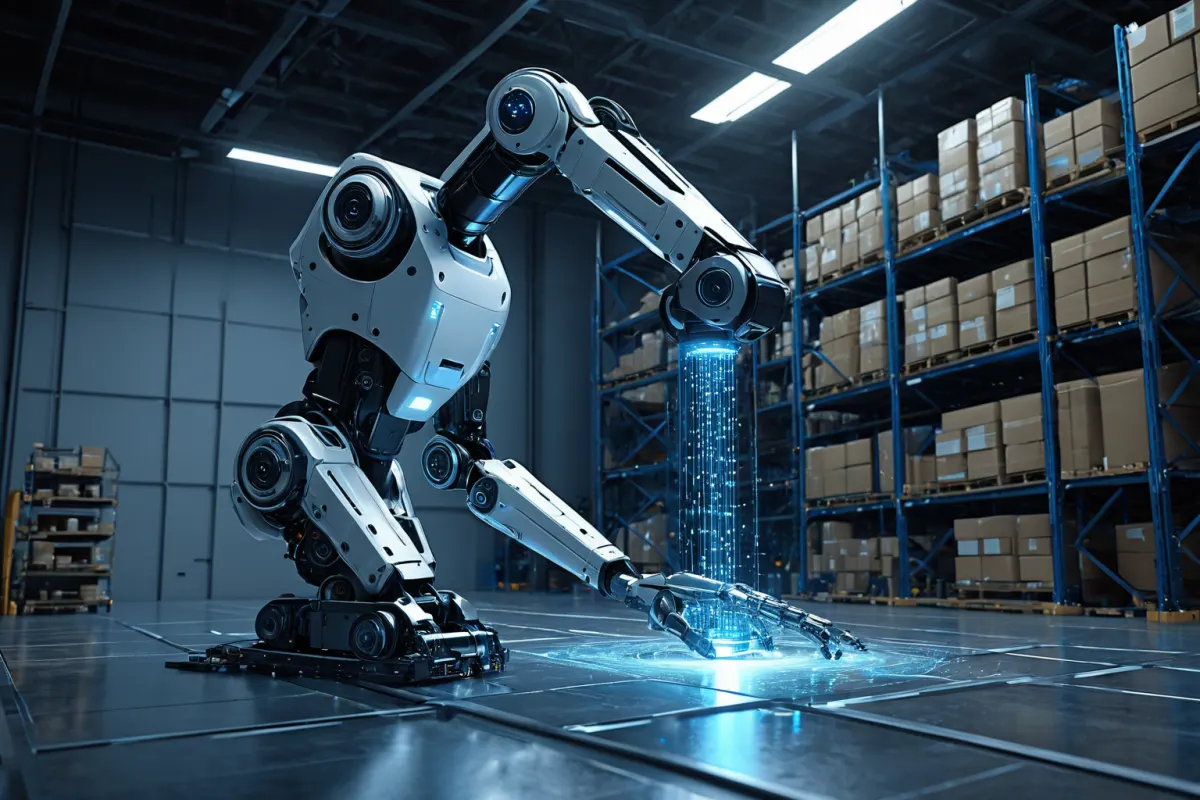
The sudden growth of the $16 billion physical AI market can be summed up in one phrase: "AI is stepping out of screens to perform real-world tasks." While earlier AI applications were limited to writing text or generating responses, they are now connecting with actual movements in fields like robotics, logistics, manufacturing, and autonomous driving, creating tangible economic value.
Physical AI is not just a buzzword; it's an industry that integrates sensors, cameras, control technology, robot hardware, and training data. Once the market opens up, its impact can be significant. That's why the $16 billion figure should be understood as reflecting the scale of real-world industrial adoption rather than the value of AI models themselves.
Why Physical AI Is Gaining Attention
Physical AI refers to systems that perceive and interpret the real world, then take action. Examples include robots identifying defective products on factory floors, warehouse robots moving goods, or autonomous vehicles responding to road conditions.
The reason for its growing attention is straightforward: businesses can reduce labor-intensive repetitive tasks while improving speed and accuracy. This creates a clear financial incentive through cost reduction and productivity gains.
Moreover, unlike software that's implemented once, physical AI requires ongoing equipment upgrades, maintenance, data collection, and system updates. As the market grows, the entire ecosystem expands in tandem.
You can find similar articles on this topic in one place.
View Related ArticlesKey Factors Behind the Market Expansion
The first factor is that robot prices and sensor capabilities have rapidly become more accessible. Previously, implementing physical AI required expensive equipment with limited applications, but advances in cameras, LiDAR, and edge computing have lowered entry barriers.
The second factor is the spread of generative AI. While language-based AI has been popular, industries like manufacturing, logistics, healthcare, and construction are now focusing on AI that perceives and controls real-world environments—shifting from "talking" AI to "doing" AI.
The third factor is labor shortages. In sectors with repetitive tasks requiring skill, it's increasingly difficult to hire enough workers. Companies are quickly evaluating physical AI for automatable areas.
Industries First Seeing Economic Impact
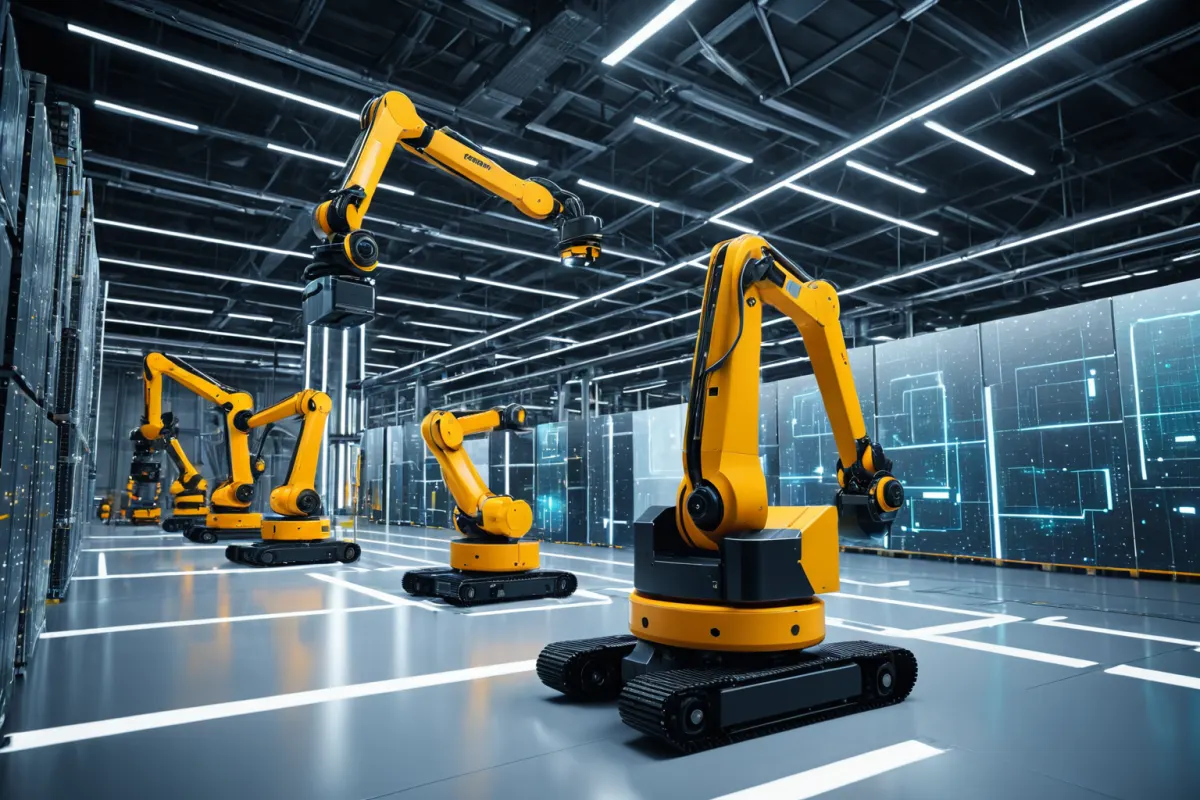
The fastest adoption is in manufacturing and logistics. Factories have many standardized tasks like quality inspection, equipment maintenance, and assembly assistance, while warehouses involve repetitive sorting and moving of goods—both ideal for physical AI.
For example, in a warehouse, cameras can identify box size and position, and robotic arms automatically pick and move items. This reduces manual movement time, significantly improving operational efficiency.
Healthcare and service sectors also show strong potential. Robotic assistants for surgery, patient transport support, and restaurant service robots are gaining demand as they reduce human intervention while maintaining precision. However, safety and liability concerns mean adoption is slower than in manufacturing.
The Meaning Behind the $16 Billion Figure
Market size estimates like this typically refer to projected total market value over several years, not current revenue. It's an estimate of the combined value of equipment, software, services, and maintenance that will form the industry in coming years—not a statement that $16 billion is already being earned.
So instead of focusing on the number alone, it's important to consider which sectors are included. The size varies significantly depending on whether it covers just robot sales or also includes software for making robots function.
For instance, a factory automation project might include cameras, sensors, controllers, robotic arms, communication equipment, and maintenance services—all bundled under physical AI’s growth potential.
Key Points to Consider When Investing
When evaluating physical AI companies, focus first on real-world applications rather than technical names. Even great technology won't drive revenue without customer adoption. Conversely, if a company already has field implementation in specific industries, commercialization is more likely.
Second, balance between hardware and software matters. A well-built robot body alone isn't enough; AI that can't move real-world devices effectively lacks purpose. Companies with integrated sensor systems, control mechanisms, data, and learning capabilities tend to be stronger.
Third, look for recurring revenue models. Beyond equipment sales, check if maintenance services, subscription-based software, or update offerings are included. This structure ensures market expansion translates directly into financial results.
Real-World Applications in Action
Consider a food factory inspecting product packaging. Humans might be slow and fatigued, but physical AI can use cameras to detect defects and automatically separate faulty items.
In warehouses, robots locate shelf positions when orders arrive and move goods, adjusting routes based on box size. The key isn't just automation—it's the ability to respond to changing conditions. In this way, physical AI represents a more advanced evolution than traditional robotics.
Home robots are following similar trends. Vacuum cleaners that simply avoid walls are evolving into systems that understand room layouts and identify obstacles. While still limited, these incremental improvements form the foundation for market growth.
Why South Korea Is Paying Close Attention
Korea's high manufacturing focus—with advanced sectors like semiconductors, batteries, and automotive—means many real-world sites need physical AI solutions, naturally driving interest in related companies and R&D efforts.
Additionally, an aging population and labor shortages are significant factors. Demand is growing for technologies that can replace repetitive tasks while maintaining quality, leading Korean companies to strengthen strategies combining robotics with AI.
However, high expectations come with challenges: safety certifications, on-site adaptation, cost recovery periods, and data acquisition remain hurdles. It's not as simple as "good technology equals immediate profit." These factors must be carefully considered.
Important Notes When Reviewing Physical AI Information
Be cautious when seeing figures like $16 billion in search results; these are often estimates with varying inclusion criteria. Different organizations calculate them differently, so relying solely on one number can lead to misunderstandings.
Physical AI is still largely in its early growth phase, meaning there's a significant gap between flashy demos and actual sales. What works well on screen may not operate reliably for 24 hours in real-world conditions.
Therefore, when reviewing companies or market data, verify "where it's applied," "if real deliveries exist," and "if maintenance is included." Real-world applicability matters more than numbers alone.
FAQ
Q1. What’s the difference between physical AI and regular AI?
Regular AI typically works with digital information like text, images, or audio. Physical AI adds the ability to read real-world sensor data and control actual devices.
Q2. Is the $16 billion market size an exact current figure?
No. It usually represents a projected market value over several years. Different organizations calculate it differently, so treat it as a reference point rather than a definitive number.
Q3. What should individual investors focus on first?
Look at real-world applications and customer adoption before technical claims. Check if the company sells only hardware or also offers software and maintenance services for recurring revenue models.
Physical AI has significant potential to expand across manufacturing, logistics, autonomous driving, and service robotics. However, market projections can change quickly, so staying updated with current trends is important.
Continue exploring similar topics.
View Category ArticlesFAQ
What's the difference between physical AI and regular AI?
Regular AI typically works with digital information like text, images, or audio. Physical AI adds the ability to read real-world sensor data and control actual devices.
Is the $16 billion market size an exact current figure?
No. It usually represents a projected market value over several years. Different organizations calculate it differently, so treat it as a reference point rather than a definitive number.
What should individual investors focus on first?
Look at real-world applications and customer adoption before technical claims. Check if the company sells only hardware or also offers software and maintenance services for recurring revenue models.
Korean Source
This article is an English localization of a Korean-language report from BlogScore. Original: 피지컬 AI 16조 시장, 왜 이렇게 커졌나