
Physical AI Hub Pros and Cons: Key Factors to Consider Before Choosing
Current State of Physical AI Hubs
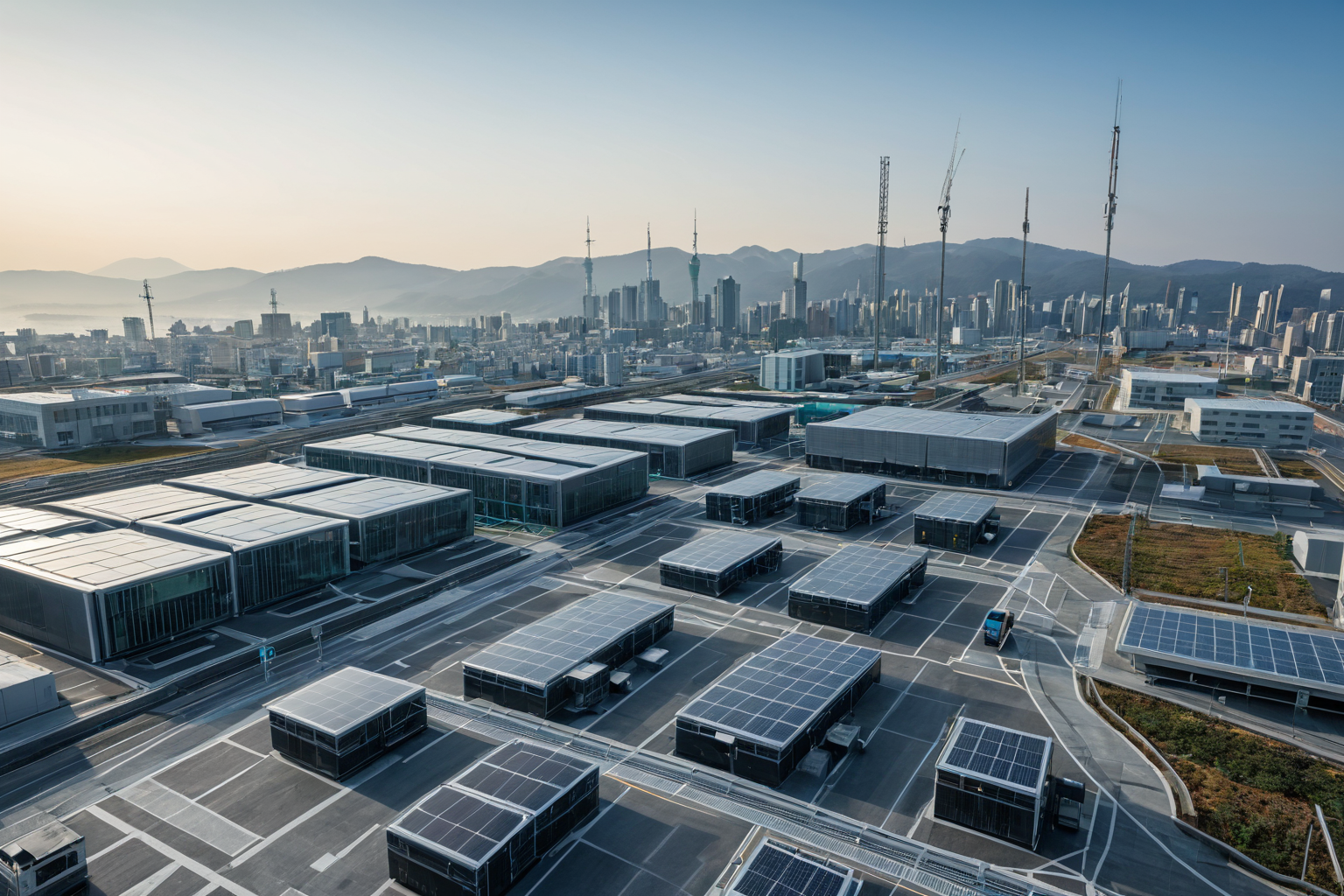
South Korea's Physical AI hubs are actively being developed in areas such as Jeonbuk's SaeMangum, Gyeongbuk and Gyeongsang regions, and Busan. The government and local authorities are expanding these hubs through policy support and large-scale investments, with Hyundai Motor Group planning a 900 billion won investment to establish AI, robotics, and energy hubs in SaeMangum.
Major Domestic Physical AI Hub Regions
Jeonbuk is elevating its status as a Physical AI hub by developing innovation centers around SaeMangum. The Jeonbuk Physical AI Special Committee aims to make SaeMangum a global innovation hub, with Hyundai Motor Group planning a 900 billion won investment for AI, robotics, and energy hubs.
Gyeongbuk and Gyeongsang are also developing Physical AI hubs, with the Financial Services Commission planning policy financial support for these areas. Busan has been designated as an ideal testing ground for Physical AI due to its high concentration of small and medium-sized manufacturers, while Kyungbook University is establishing a dedicated college for Physical AI to align with the 'Creating 10 Seoul Universities' policy.
International Comparisons
Japan has established semiconductor co-development hubs in Kumamoto and robot data collection hubs like 'Toyosu Data Factory' in Tokyo. These examples highlight the importance of physical testing sites, which South Korea also needs to address as it faces a shortage of such locations.
Amazon is expanding investments in Korean AI startups, showing interest in Physical AI as well. This indicates growing global attention toward South Korea's Physical AI market.
The Shortage of Testing Sites
Physical AI hubs are being utilized across various sectors including industrial zones, agricultural areas, and urban business locations for technology testing and data collection. However, the shortage of such testing sites is delaying the expansion of Physical AI.
In Gunwi's agricultural area, plans for establishing a national Physical AI hub are under discussion, while industrial zones are being developed as robot learning centers. Local banks and policy finance institutions are responsible for funding these initiatives.
Workforce Acquisition Challenges
Incheon robotics companies have identified workforce acquisition as a key challenge in the era of Physical AI. Sufficient specialized personnel are needed to apply technology effectively in industrial settings, making this a critical issue for hub development.
Samsung's 19 Trillion Won Investment and Gumi Hub
Samsung is investing 19 trillion won in Gumi to expand its 'AI Factory' model, which combines AI data centers with robotics technology. This initiative aims to elevate Gumi as a Physical AI hub and drive new innovations through the integration of data centers and robotics.
There are proposals to designate SaeMangum as a special capital city for Physical AI, with Kim Ui-kyung MP having suggested it as a Physical AI hub. This represents a strategic approach to enhance regional competitiveness.
Cultivating Data Centers and Export Models
The government and ruling parties are fostering data centers and export models for Physical AI while providing power and permit support. These efforts aim to boost the global competitiveness of Physical AI technology.
Ulsan has positioned AI hub development as a key campaign promise, differentiating itself through specific pledges. Jeonnam-Gwangju Advanced Industrial Complex is designated as an 'AI Humanoid' manufacturing innovation hub, aiming to enhance competitiveness through innovative technologies.
Expansion Strategy for Physical AI Hubs
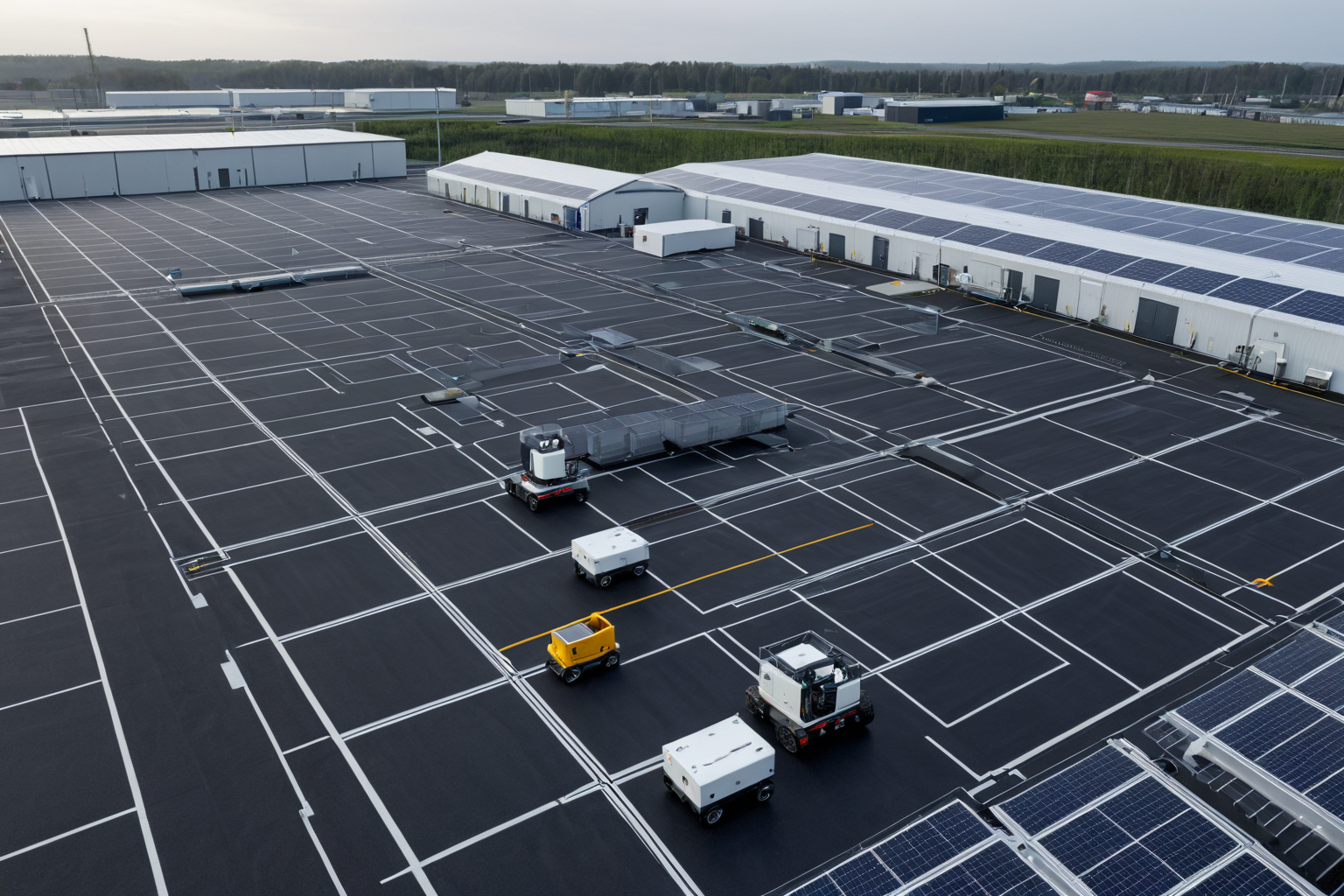
Physical AI hubs are being utilized across various sectors including manufacturing, agriculture, and semiconductors for technology testing and data collection. Industrial zones are being developed as robot learning centers, with local banks and policy finance institutions providing funding support.
In Gunwi's agricultural area, plans for establishing a national Physical AI hub are under discussion. Japan has established semiconductor and robotics data collection hubs in Kumamoto and Tokyo, respectively, offering potential models to address the shortage of testing sites.
Workforce Acquisition Strategy
Workforce acquisition is identified as a core challenge for Physical AI hub development. Incheon robotics companies have highlighted it as a key issue, indicating the need for sufficient specialized personnel to implement technology effectively.
Samsung's 19 trillion won investment and Gumi hub are driving innovation through the integration of data centers and robotics technology, demonstrating the potential for practical application of Physical AI in industrial settings.
Enhancing Global Competitiveness
Amazon is expanding investments in Korean AI startups, including interest in the Physical AI sector. This shows global companies are taking notice of South Korea's Physical AI market, which could boost competitiveness.
SaeMangum in Jeonbuk and Gumi are gaining attention as strategic locations with high potential for Physical AI hubs, with government-private collaboration playing a key role in hub development.
Strategies to Expand Testing Sites
The shortage of testing sites is delaying the expansion of Physical AI. To address this, hubs are being established across various sectors including industrial zones, agricultural areas, and urban business locations.
In Gunwi's agricultural area, plans for establishing a national Physical AI hub are under discussion. South Korea can learn from Japan's example of establishing semiconductor co-development hubs in Kumamoto and robot data collection hubs like 'Toyosu Data Factory' in Tokyo to expand testing sites effectively.
Current Status of Physical AI Hub Development
Hyundai Motor Group plans a 900 billion won investment in SaeMangum to build AI, robotics, and energy hubs. This represents an important case for expanding Physical AI hubs and is expected to contribute to regional economic revitalization.
Jeonbuk is developing innovation centers around SaeMangum to elevate its status as a Physical AI hub. The Financial Services Commission plans to provide policy financial support in Jeonbuk, Gyeongbuk, and Gyeongsang, reflecting tailored support for regional characteristics.
Busan has been designated as an ideal testing ground for Physical AI due to its high concentration of small and medium-sized manufacturers. Kyungbook University is establishing a dedicated college for Physical AI to align with the 'Creating 10 Seoul Universities' policy.
Policy Support for Expanding Physical AI Hubs
The government and ruling parties are fostering data centers and export models for Physical AI while providing power and permit support. These efforts aim to boost the global competitiveness of Physical AI technology.
Ulsan has positioned AI hub development as a key campaign promise, differentiating itself through specific pledges. Jeonnam-Gwangju Advanced Industrial Complex is designated as an 'AI Humanoid' manufacturing innovation hub, aiming to enhance competitiveness through innovative technologies.
Expanding Testing Sites for Physical AI
The shortage of testing sites is delaying the expansion of Physical AI. To address this, hubs are being established across various sectors including industrial zones, agricultural areas, and urban business locations.
In Gunwi's agricultural area, plans for establishing a national Physical AI hub are under discussion. Japan has established semiconductor co-development hubs in Kumamoto and robot data collection hubs like 'Toyosu Data Factory' in Tokyo, which can serve as models for expanding testing sites effectively.
Workforce Acquisition Strategy
Incheon robotics companies have identified workforce acquisition as a key challenge in the Physical AI era. This highlights the need for sufficient specialized personnel to implement technology effectively, making talent development and attraction critical tasks.
Samsung's 19 trillion won investment and Gumi hub are driving innovation through the integration of data centers and robotics technology, demonstrating how workforce acquisition is essential for successful Physical AI hub development.
Global Competitiveness in Physical AI
Amazon is expanding investments in Korean AI startups, including interest in the Physical AI sector. This global attention toward South Korea's Physical AI market could serve as a catalyst to enhance competitiveness.
SaeMangum in Jeonbuk and Gumi are gaining recognition as strategic locations with high potential for Physical AI hubs, with government-private collaboration playing a key role in hub development.
Key Information to Verify
The shortage of physical testing sites needs continuous resolution. South Korea can look to Japan's example by establishing semiconductor and robot data collection hubs as possible solutions.
Workforce acquisition is identified as a core challenge, with Incheon robotics companies highlighting it as a key issue. Additional information and policy support measures are needed to address this challenge effectively.
Frequently Asked Questions
What sectors utilize Physical AI hubs?
Physical AI hubs are utilized across various sectors including manufacturing, agriculture, and semiconductors for technology testing and data collection.
How does South Korea's Physical AI hub development compare to Japan's?
Japan has established semiconductor co-development hubs in Kumamoto and robot data collection hubs like 'Toyosu Data Factory' in Tokyo. South Korea is facing delays in expansion due to a shortage of testing sites.
What are the main challenges in Physical AI hub development?
The primary challenges identified are shortages of testing sites and workforce acquisition issues.
Frequently Asked Questions
South Korea's Physical AI hubs are actively being developed in regions such as Jeonbuk SaeMangum, Gumi, and Busan, with government-private collaboration playing a key role. Major investments like Hyundai Motor Group's 900 billion won investment and Samsung's 19 trillion won investment in Gumi indicate strong momentum toward enhancing global competitiveness in Physical AI technology. However, challenges such as the shortage of testing sites and workforce acquisition remain critical issues that need to be addressed.
Physical AI hub development is being utilized across various sectors including manufacturing, agriculture, and semiconductors for technology testing and data collection. South Korea needs to expand testing sites by learning from Japan's examples like Kumamoto semiconductor hubs and Tokyo's 'Toyosu Data Factory' while implementing workforce training and attraction policies.
You can view similar articles in one place.
View Related ArticlesFAQ
What sectors utilize Physical AI hubs?
Physical AI hubs are utilized across various sectors including manufacturing, agriculture, and semiconductors for technology testing and data collection.
How does South Korea's Physical AI hub development compare to Japan's?
Japan has established semiconductor co-development hubs in Kumamoto and robot data collection hubs like 'Toyosu Data Factory' in Tokyo. South Korea is facing delays in expansion due to a shortage of testing sites.
What are the main challenges in Physical AI hub development?
The primary challenges identified are shortages of testing sites and workforce acquisition issues.
Korean Source
This article is an English localization of a Korean-language report from BlogScore. Original: 피지컬AI 거점 장단점: 선택 전 반드시 확인해야 할 5가지