
Perseus Meteor Shower Viewing Conditions: Dark Areas and Timing
Perseus Meteor Shower Viewing Conditions: Dark Areas and Timing
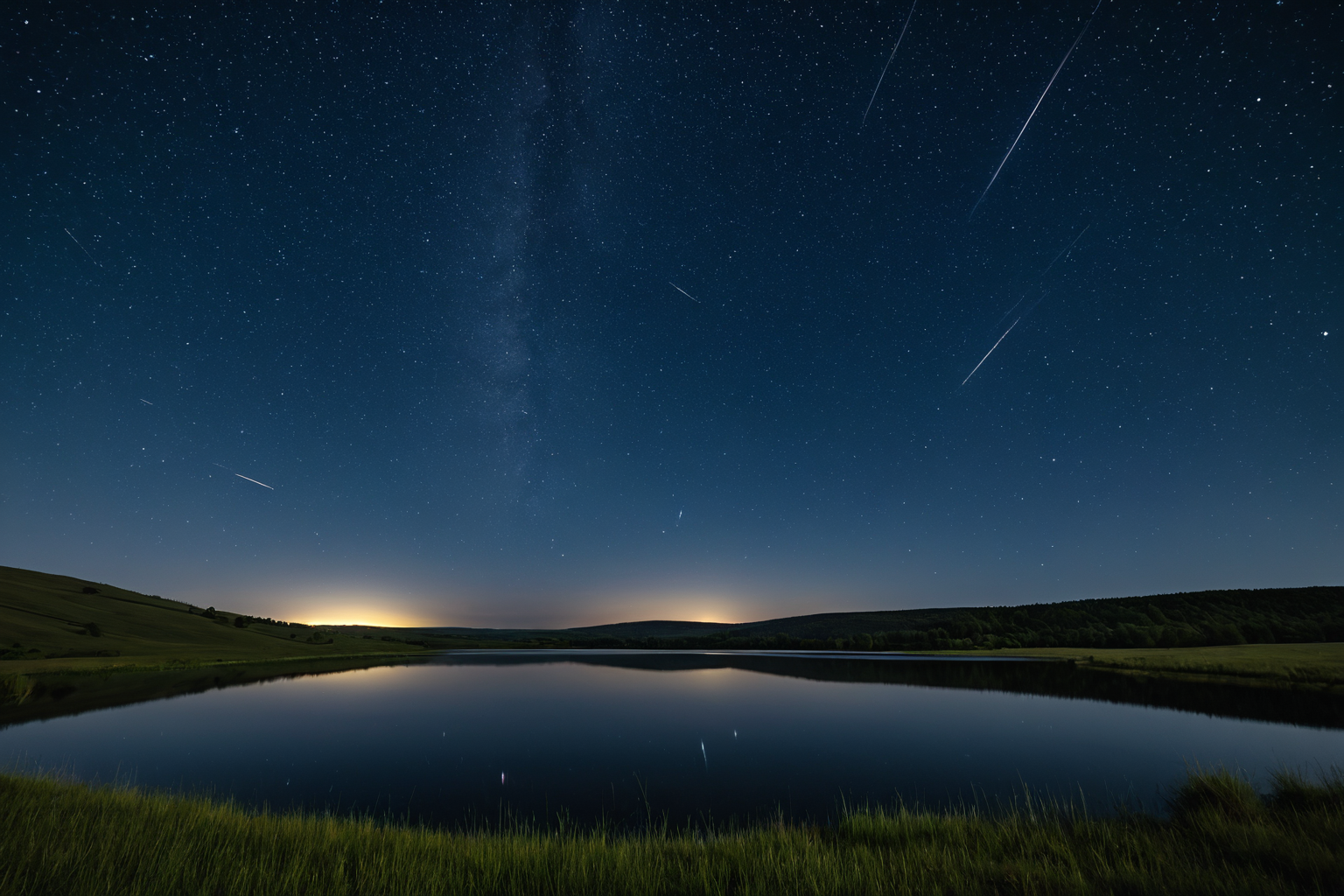
The Perseid meteor shower will reach its peak on the morning of August 13-14, 2026, under optimal conditions when observed throughout the night in dark areas with no moonlight. Up to approximately 100 meteors per hour can be seen, making it essential to avoid light pollution from cities. This annual astronomical event occurs between late August and early September, with observations centered on the Perseus constellation. The peak in 2026 is expected to be particularly clear due to the absence of moonlight, providing ideal viewing conditions.
Peak Timing for the Perseid Meteor Shower
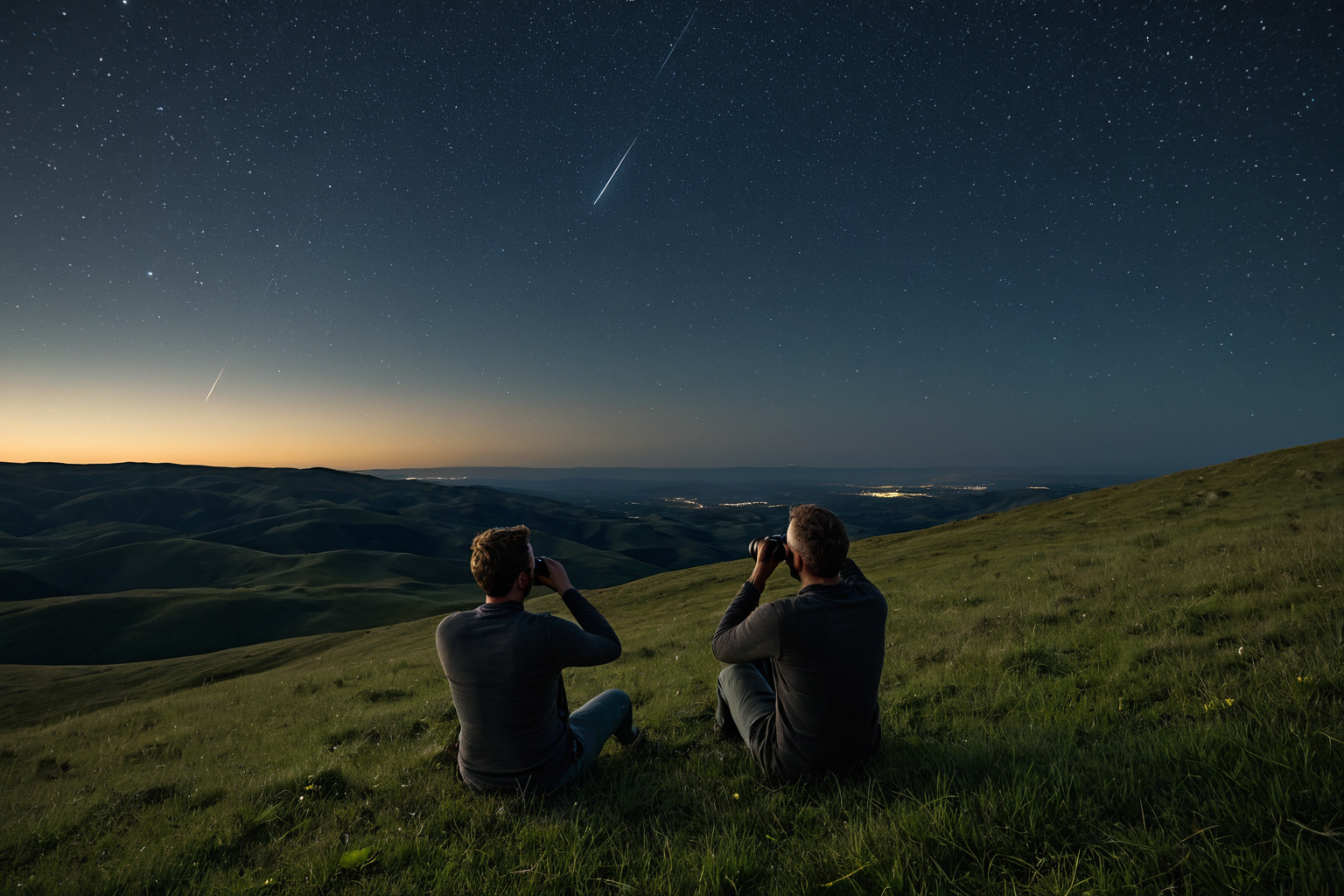
The peak of the Perseid meteor shower will occur on the morning of August 13-14, 2026, when observations are most active. In South Korea, the most visible meteors can be observed during the early hours of August 13. Without moonlight, the brightness of the meteors becomes more distinct. This peak time has been accurately predicted by astronomers based on long-term observational data, confirming that the Perseid meteor shower will reach its maximum intensity around the morning of August 13, 2026. The moon's phase significantly affects viewing conditions, and on the early morning of August 13, 2026, the moon will be below the horizon, minimizing light pollution.
Optimal Viewing Conditions
The ideal location for viewing is an area with minimal light pollution and a wide field of view. Observing during nights when the moon is absent or low in the sky allows for better visibility of both the quantity and brightness of meteors. It is nearly impossible to see meteors from urban areas due to light pollution. For best results, choose locations such as mountains or open fields with little lighting and no obstructions. The middle of August offers the most favorable conditions for observing the meteor shower. On nights with little or no moonlight, meteors appear more clearly.
When selecting a viewing location, consider the surrounding environment. Areas on the outskirts of cities or national parks are ideal due to minimal light pollution. Additionally, flat terrain without obstructions improves observation efficiency. On the early morning of August 13, 2026, the moon will be below the horizon until it rises, maintaining a dark sky.
Meteor Count per Hour
Under conditions with no moonlight, observers can expect to see approximately 100 meteors per hour. This is when the Perseid meteor shower is most active, particularly during its peak between the early hours of August 13-14. It's recommended to spend at least a few minutes allowing your eyes to adjust to the darkness before beginning observations. After about 20 minutes of adaptation, meteors become easier to spot.
Looking for the Perseus constellation in the night sky can help locate the meteor shower more easily. The Perseus constellation rises high in the sky during mid-August, when the meteor shower is most active, providing optimal conditions for observers. While the hourly count may vary slightly depending on moonlight and weather conditions, it generally remains around 100 meteors per hour.
Best Viewing Times and Weather
The best time to observe is from the evening of August 13 until early morning on August 14, with the most active period between midnight and 3 a.m. During this window, the moon has not yet risen, maintaining a dark sky for optimal viewing. It's advisable to check the weather conditions starting the day before. Cloudy or rainy days will make observation difficult.
Check the meteorological forecast for August 13, 2026, early morning to ensure ideal conditions. Weather information can be obtained through the Korea Meteorological Administration's 7-day forecasts or specialized astronomy websites. Additionally, the moon phase can be easily checked using astronomy-related apps or websites.
Recommended Viewing Locations
Outskirts of cities, national parks, and rural areas are ideal for viewing. For example, coastal areas in Yeongdeok County, Gyeongsangbuk-do; mountainous regions in Goseong County, Gangwon-do; open fields in Geumsong County, Jeollanam-do; or the outskirts of Cheongju City, Chungcheongbuk-do are recommended due to minimal light pollution and wide views.
When selecting a location, avoid surrounding lighting and choose flat terrain for easier observation. The middle of August offers the most favorable conditions for observing the meteor shower. On nights with little or no moonlight, meteors appear more clearly. Additionally, it's important to select safe locations considering the surrounding environment.
Viewing Tips
It's best to sit comfortably on a reclining chair or stool for viewing. Spending over 20 minutes observing will allow you to see meteors more clearly. After your eyes adapt to the dark, the brightness of meteors becomes more noticeable.
During observation, minimize smartphone light and avoid surrounding lighting. In dark areas, a flashlight can help your eyes adjust comfortably. Observation can continue throughout the night, so try to observe for as long as possible. Additionally, it's essential to check the surrounding environment beforehand and choose a safe location for viewing.
Characteristics of the Perseid Meteor Shower
The Perseid meteor shower is an annual astronomical event occurring between late August and early September, observed with reference to the Perseus constellation. It features fast-falling meteors, with many visible during its peak period. The Perseid meteor shower has been consistently observable since the 1980s, with predictions based on long-term data collected by astronomers.
Locating the Perseus constellation in the night sky can help observers spot the meteor shower more easily. During mid-August, the Perseus constellation rises high in the sky, when the meteor shower is most active, providing optimal conditions for viewers. Additionally, unlike other meteor showers, the Perseid shower is known for producing many bright meteors.
Checking Viewing Conditions
It's important to observe on nights with little or no moonlight. Check the moon phase early on August 13, 2026, as moonrise can interfere with meteor observations. Additionally, confirming clear weather is essential.
Check both the weather and moon phase before observing, starting from the day before. It takes about 20 minutes for your eyes to adjust to the dark, so prepare in advance. The middle of August offers the most favorable conditions for viewing the Perseid meteor shower. Astronomy-related apps can provide real-time updates on moon phases and weather information.
Frequently Asked Questions
What is the best time to observe?
The Perseid meteor shower will be visible from the evening of August 13 until early morning on August 14, with the most active period between midnight and 3 a.m.
Where should I view it?
View in dark areas without moonlight, such as outskirts of cities or national parks. Choose locations with minimal surrounding lighting and a wide field of view for optimal viewing.
How many meteors can be seen per hour?
Under conditions with no moonlight, approximately 100 meteors per hour can be observed. This is the peak period of the Perseid meteor shower, particularly during its maximum activity between the early hours of August 13-14.
You can find similar articles all in one place.
View Related ArticlesFAQ
What is the best time to observe?
The Perseid meteor shower will be visible from the evening of August 13 until early morning on August 14, with the most active period between midnight and 3 a.m.
Where should I view it?
View in dark areas without moonlight, such as outskirts of cities or national parks. Choose locations with minimal surrounding lighting and a wide field of view for optimal viewing.
How many meteors can be seen per hour?
Under conditions with no moonlight, approximately 100 meteors per hour can be observed. This is the peak period of the Perseid meteor shower, particularly during its maximum activity between the early hours of August 13-14.
Korean Source
This article is an English localization of a Korean-language report from BlogScore. Original: 페르세우스 유성우 관측 조건: 어두운 지역과 시간대