
Perseid Meteor Shower Directions and Timing: Where to Watch in South Korea
Perseid Meteor Shower Viewing Period and Time
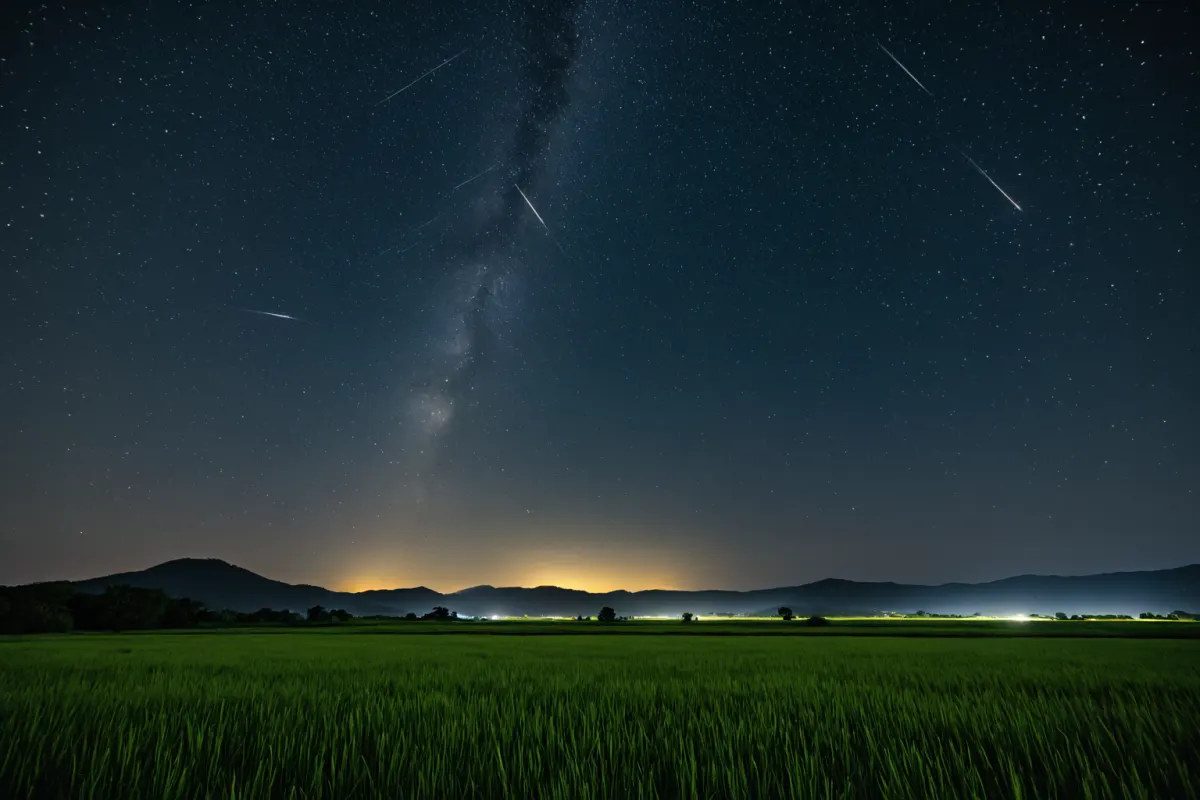
The Perseid meteor shower is visible from the night of August 12 to the early morning of August 13 each year, with its peak occurring on the early morning of August 13. This period is one of the most active times for observing meteors during summer, and you'll see more meteors if you look toward the northeast sky after letting your eyes adjust to the dark in a location away from light pollution. The shower remains particularly active between the night of August 12 and early morning of August 13, coinciding with when the Perseus constellation is optimally positioned in the sky.
Direction for Viewing the Perseid Meteor Shower
Meteors appear to radiate from the direction of the Perseus constellation toward the northeast sky. The highest number of meteors is typically seen around the early morning of August 13, so planning your viewing around this time is recommended. The Perseus constellation is easily identifiable in the summer night sky and appears clearly when looking northeast. This direction serves as the radiant point for the meteor shower, making it important to identify the correct orientation for optimal viewing. Additionally, the Perseus constellation has cultural significance tied to Greek mythology, referencing the hero Perseus.
Optimal Viewing Conditions
Meteors are more clearly visible in areas with minimal light pollution. Allow your eyes 15–30 minutes to adjust to the dark and look toward the northeast sky for a better chance of spotting meteors. The viewing conditions improve when there is no moon, as seen in the predicted 2026 Perseid meteor shower. This year's event will provide ideal conditions with clear visibility, allowing observers to see more meteors. Additionally, the cooler temperatures from late August through early morning make for a comfortable viewing experience.
Predicted 2026 Perseid Meteor Shower
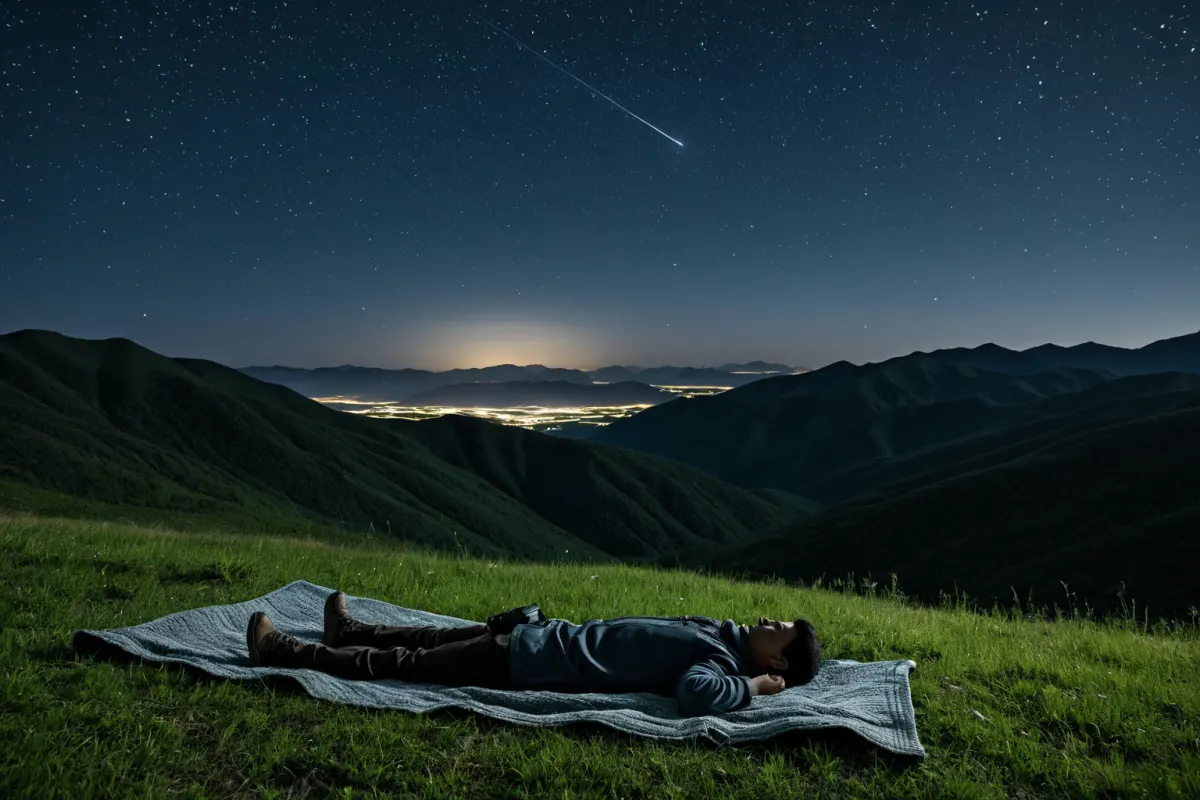
The 2026 Perseid meteor shower will peak from the night of August 12 to the early morning of August 13, with excellent viewing conditions due to the absence of moonlight across South Korea. The best time for observation is expected around the early morning hours of August 13. Meteors radiate from the Perseus constellation direction toward the northeast sky, so choosing a location that allows direct viewing in this direction is important. Astronomers anticipate this event as an exceptional opportunity, with favorable conditions and active meteor activity predicted for 2026.
Recommended Viewing Locations
Areas outside city limits or mountainous regions with minimal light pollution are ideal for observing the Perseid meteor shower. Recommended spots include Hangang Park near Seoul, Cheongpyeong in Gyeonggi Province, and Seoraksan Mountain in Gangwon Province. National parks and wildlife reserves across South Korea also offer excellent viewing conditions due to their natural landscapes and low light pollution. For example, the banks of the Nakdong River in Gyeongsangnam-do or mountainous areas in Jeju Island provide nearly no light pollution for optimal observation. When planning your visit, consider safety and choose a location with minimal noise and unnecessary lighting.
Viewing Tips and Precautions
Dress warmly as temperatures can be cool during the early morning hours, and allow time for your eyes to adapt to the dark. The highest number of meteors occurs until the early morning of August 13, so plan around this period. Avoid viewing on nights when the moon is visible, as it can interfere with visibility. Bring a red LED light, which does not disrupt night vision and is ideal for observing meteors. Always check weather conditions before heading out, avoiding rainy or cloudy days.
Key Information About the Meteor Shower
The Perseid meteor shower occurs annually around mid-August, radiating from the direction of the Perseus constellation. The 2026 event is particularly notable for its lack of moonlight, offering excellent viewing conditions across all regions. To experience it fully, select an optimal location and time. The phenomenon happens as Earth passes through debris left by a comet while orbiting the Sun, appearing to radiate from Perseus. While this occurs yearly, conditions vary; 2026's absence of moonlight will make meteors more visible.
Important Viewing Considerations
Meteors are less visible in areas with heavy light pollution, so venturing outdoors to darker locations is recommended. Check the timing in advance and allow time for your eyes to adjust to darkness. The peak occurs around early morning on August 13, offering the best chance to see the most meteors. Minimize surrounding noise and unnecessary lighting at viewing sites to maintain focus during observation.
Frequently Asked Questions
Where is the best place to view the Perseid meteor shower?
The shower is best viewed in dark locations with minimal light pollution, such as Hangang Park near Seoul or mountainous areas.
When does the Perseid meteor shower peak?
The peak occurs on the early morning of August 13. Plan your viewing around this time for the best experience.
What are the ideal conditions for observing the 2026 Perseid meteor shower?
In 2026, there will be no moonlight, providing excellent visibility across South Korea. The optimal time is expected to be early morning on August 13.
You can find more articles related to this topic in one place.
View Related ArticlesFAQ
Where is the best place to view the Perseid meteor shower?
The shower is best viewed in dark locations with minimal light pollution, such as Hangang Park near Seoul or mountainous areas.
When does the Perseid meteor shower peak?
The peak occurs on the early morning of August 13. Plan your viewing around this time for the best experience.
What are the ideal conditions for observing the 2026 Perseid meteor shower?
In 2026, there will be no moonlight, providing excellent visibility across South Korea. The optimal time is expected to be early morning on August 13.
Korean Source
This article is an English localization of a Korean-language report from BlogScore. Original: 페르세우스 유성우 방향과 시간: 어디서 볼 수 있을까?