
Perfect Checklist for Observing the Perseid Meteor Shower
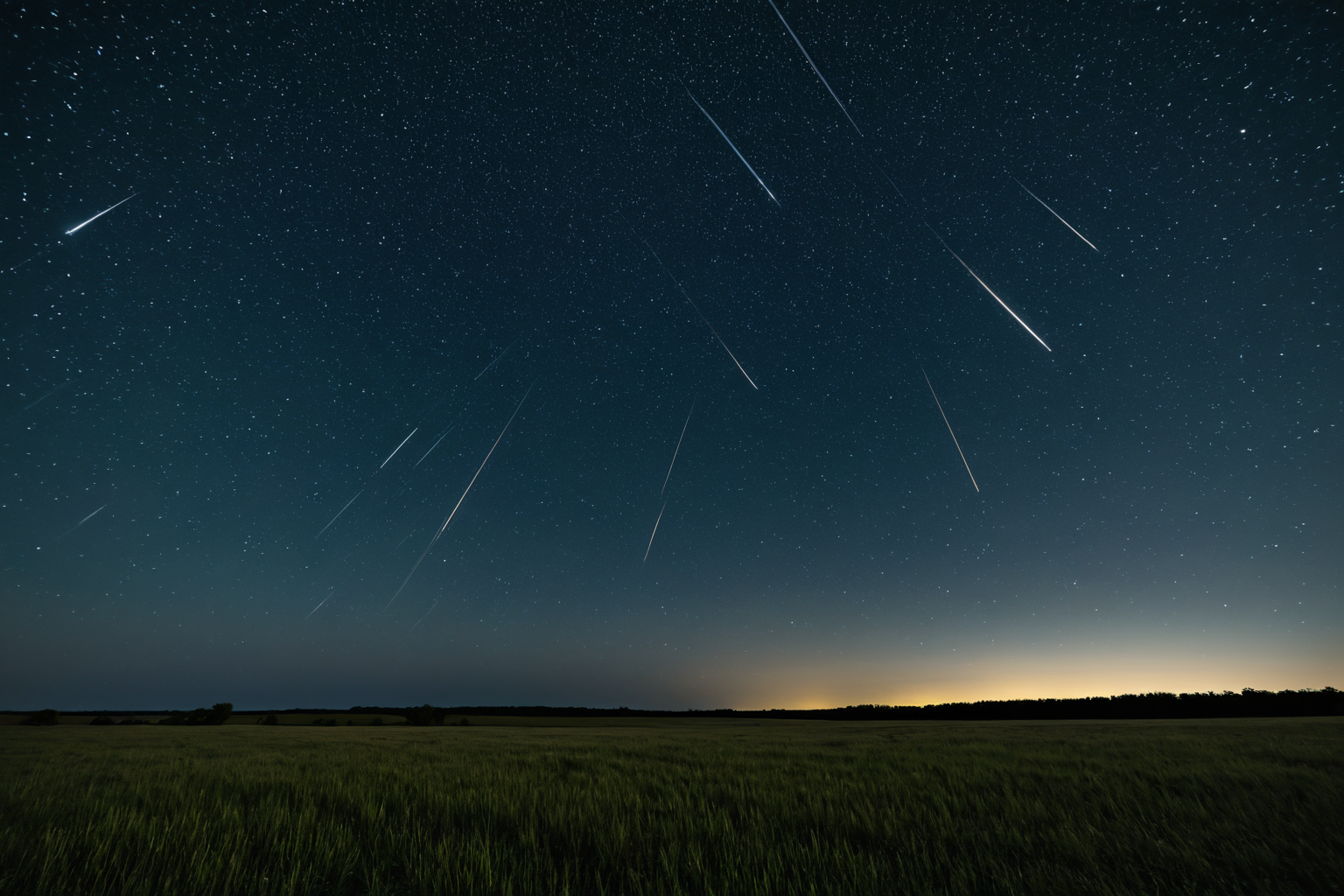
The Essential Checklist for Observing the Perseid Meteor Shower: Dark Locations and Eye Adaptation
The Perseid meteor shower peaks annually around mid-August, with peak times expected on the night of August 12, 2024 at 11:30 PM and between August 12-13, 2026. For optimal viewing, choosing a dark location and allowing your eyes to adapt for 15-20 minutes is essential. Using red lighting helps preserve night vision, while bringing a comfortable chair and blanket ensures you can observe for extended periods.
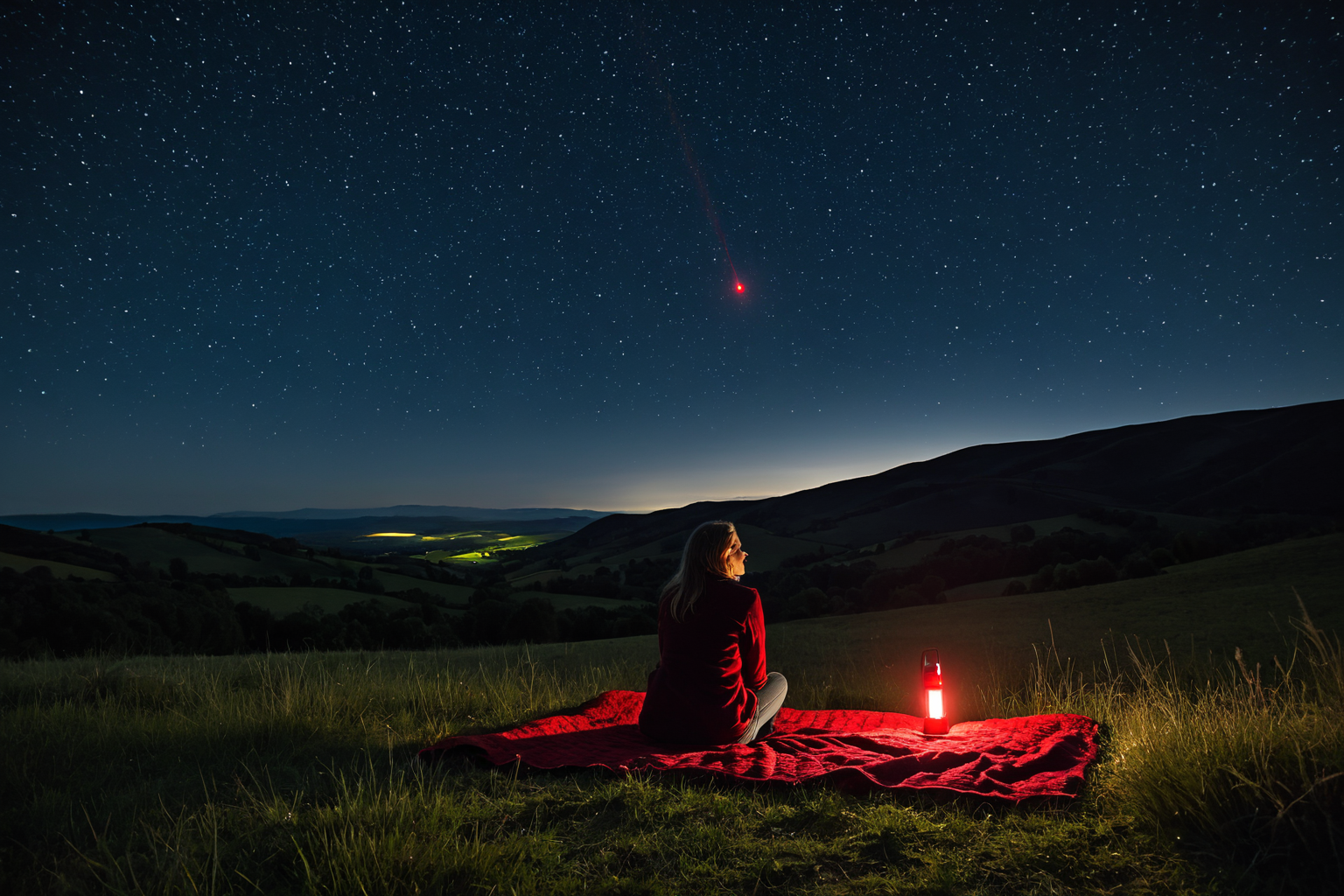
Peak Dates and Expected Meteor Count
The Perseid meteor shower reaches its peak around mid-August each year, with up to 100 meteors visible per hour. The 2024 peak is expected on the night of August 12 at 11:30 PM, and the 2026 peak will occur between August 12-13. The Ganghwa Astronomy Science Center plans a special observation event for August 13, 2026.
To see the meteors clearly, it's important to find a location away from city light pollution. Outdoor areas are ideal, and conditions are optimal between mid-August through the end of the month.
Essential Items for Meteor Shower Viewing
To observe the Perseid meteor shower, you'll need the following items. First, selecting a dark location is crucial. Meteors are harder to see in areas with significant light pollution from cities, so seek out rural or quiet outdoor spaces.
Eye adaptation time is also important. Allowing your eyes 15-20 minutes in darkness improves visibility of meteors. During this period, avoid bright lights and use red lighting to preserve night vision.
A comfortable chair and blanket are essential as observing can take a long time. You'll need to stay seated comfortably for extended periods, especially when maintaining body warmth outdoors with a blanket is recommended.
A camera and star map can also be useful. A camera allows you to capture the light of meteors, while a star map helps identify where meteors are falling from.
Important precautions include avoiding bright lights and using red lighting to preserve night vision. During the eye adaptation period, it's best not to use smartphones or other devices with bright screens.
Viewing Opportunities in 2024 and 2026
The Perseid meteor shower peak is expected on the night of August 12, 2024 at 11:30 PM. It's best to observe from areas with minimal light pollution. The 2026 peak is anticipated between August 12-13, and the Ganghwa Astronomy Science Center plans a special observation event.
This meteor shower can produce up to 100 meteors per hour at its peak. It's considered one of the most beautiful astronomical events of the year, drawing significant interest from many people.
Viewing Tips
To enhance your viewing experience, follow these tips. First, allow 15-20 minutes for eye adaptation in darkness, avoiding bright lights during this time.
Using red lighting is important as it doesn't disrupt night vision, preserving your ability to see meteors at night. Instead of using bright smartphone screens or other devices, opt for red lighting.
A comfortable chair and blanket are essential for extended viewing sessions. Especially when observing outdoors, maintaining body warmth with a blanket is crucial.
When photographing the meteor shower, use long exposure settings (typically 15-30 seconds) and keep your camera steady.
Post-Observation Considerations
After observing the meteor shower, it's important to relax and maintain body warmth. If you've been outside for a long time, having warm beverages can help.
You should also check the safety of your observation location. Areas outside cities or in rural settings may present unexpected hazards, so choose safe locations for viewing.
Special Observation Event at Ganghwa Astronomy Science Center (2026)
The Ganghwa Astronomy Science Center plans a special observation event for the Perseid meteor shower on August 13, 2026. This event will include expert explanations and access to observation equipment.
Advance reservations may be required for participation, so it's recommended to check their website or social media channels for the latest information.
Key Information to Verify
When observing the Perseid meteor shower, verify these points. First, choose a dark location—meteors are harder to see in areas with heavy city light pollution. Second, allow 15-20 minutes for eye adaptation without bright lights. Third, prepare a comfortable chair and blanket for extended observation.
Frequently Asked Questions
What is the Perseid meteor shower? The Perseid meteor shower occurs annually around mid-August, with up to 100 meteors visible per hour. It's considered one of the most beautiful astronomical events of the year.
Why should I use red lighting during observation? Red lighting preserves night vision as it doesn't disrupt eye adaptation. Avoid bright lights like smartphones and use red lighting instead.
When is the special observation event at Ganghwa Astronomy Science Center in 2026? The event is planned for August 13, 2026. Advance reservations may be required, so check their website or social media channels for updates.
What are the peak dates for the Perseid meteor shower? The 2024 peak is expected on the night of August 12 at 11:30 PM, and the 2026 peak will occur between August 12-13.
Frequently Asked Questions
The essential preparations for observing the Perseid meteor shower include choosing a dark location, allowing eye adaptation time (15-20 minutes), and bringing a comfortable chair and blanket. The peak is expected in 2024 on August 12 at 11:30 PM and in 2026 between August 12-13, with the Ganghwa Astronomy Science Center planning a special event. Using red lighting instead of bright lights is important during observation.
The Perseid meteor shower is considered one of the most beautiful astronomical events of the year, drawing significant interest from many people. For optimal viewing, choose dark locations and allow time for eye adaptation, while bringing comfortable seating and a blanket to observe for extended periods.
Plan your observation around the expected peak dates: August 12-13, 2024, and 2026. The Ganghwa Astronomy Science Center's special event is also worth noting.
The success of meteor shower viewing depends on proper preparation and environmental conditions. Therefore, choosing a dark location and allowing eye adaptation time are crucial, along with bringing comfortable seating and a blanket.
You can find similar articles all in one place.
View More Related ArticlesFAQ
What is the Perseid meteor shower?
The Perseid meteor shower occurs annually around mid-August, with up to 100 meteors visible per hour. It's considered one of the most beautiful astronomical events of the year.
Why should I use red lighting during observation?
Red lighting preserves night vision as it doesn't disrupt eye adaptation. Avoid bright lights like smartphones and use red lighting instead.
When is the special observation event at Ganghwa Astronomy Science Center in 2026?
The event is planned for August 13, 2026. Advance reservations may be required, so check their website or social media channels for updates.
What are the peak dates for the Perseid meteor shower?
The 2024 peak is expected on the night of August 12 at 11:30 PM, and the 2026 peak will occur between August 12-13.
Korean Source
This article is an English localization of a Korean-language report from BlogScore. Original: 페르세우스 유성우 관측을 위한 완벽한 준비물 리스트