
Percival Meteor Shower in 2026: Essential Viewing Guide and Weather Conditions
The Timing of the Perseid Meteor Shower: 2026 Peak Schedule
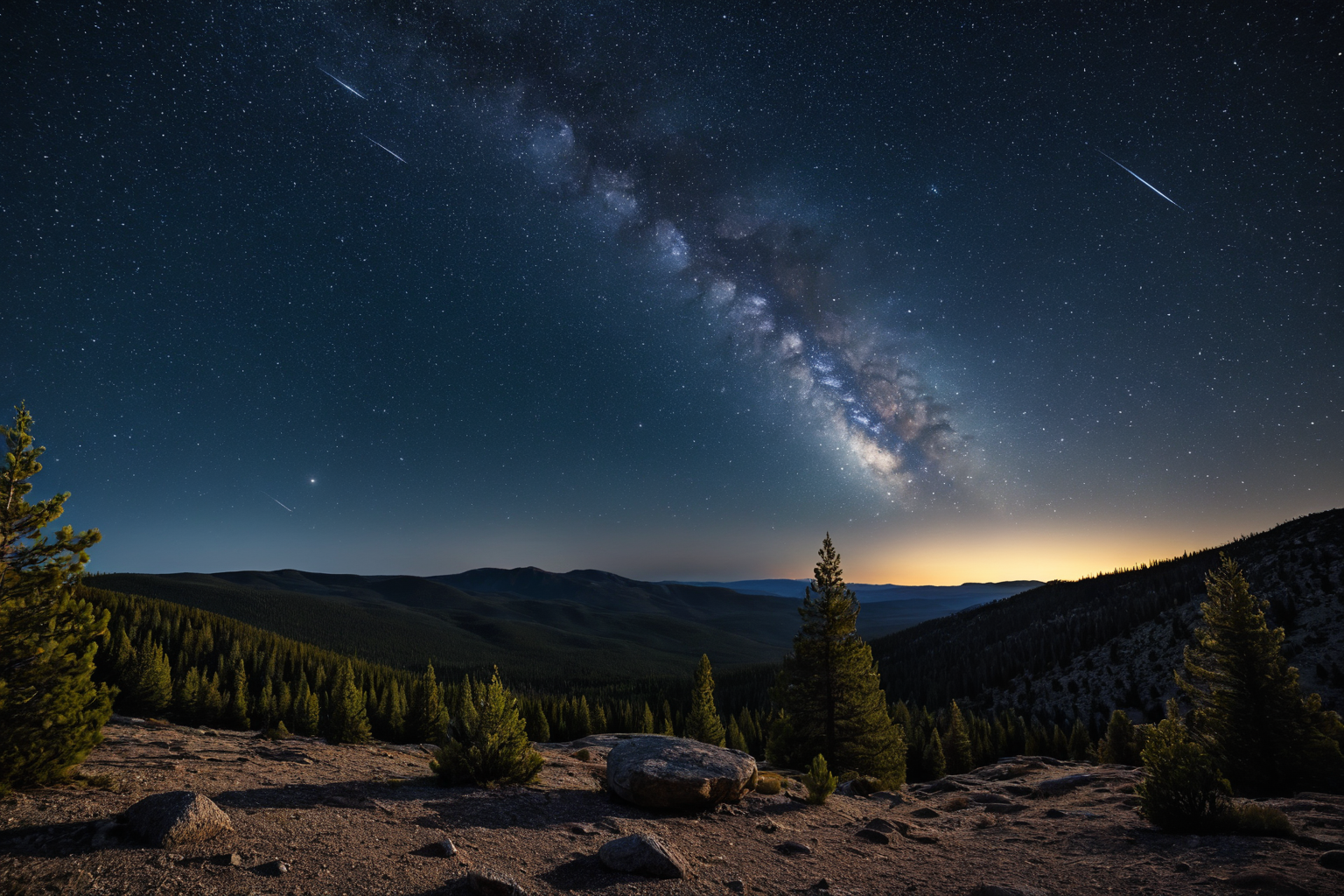
The Perseid meteor shower will reach its peak between the evening of August 12 and the early morning of August 13, 2026. This period is known as the optimal viewing window when approximately 100 meteors per hour can be observed. Visibility is best after 10 PM until dawn, especially on clear nights with no moonlight.
Best Time to Observe: Nightfall to Dawn
The peak of the Perseid meteor shower occurs between the evening of August 12 and early morning of August 13. Most astronomers recommend observing between 10 PM and 4 AM, as this time minimizes moonlight and maximizes darkness for better visibility.
Key considerations before observation include weather conditions and location. Heavy rain, snow, or overcast skies can make viewing difficult, so checking the forecast in advance is essential. Observing from outside urban areas—such as rural locations, mountains, or beaches—is recommended to avoid light pollution.
Optimal Viewing Conditions: Darkness and No Moonlight
The most important factor for observing meteor showers is darkness. Light pollution from cities makes it difficult to see meteors clearly. Therefore, choosing a location away from city centers—such as rural areas, mountains, or beaches—is ideal.
Observing during times when the moon is not visible improves visibility, as bright moonlight can wash out the faint flashes of meteors. For the 2026 Perseid shower, selecting a time between August 12 and 13 when the moon has set or remains below the horizon is essential.
When choosing an observation site, consider safety and accessibility. If observing in mountainous areas or near beaches, check routes and environmental conditions beforehand, and prepare appropriate safety equipment. Visibility can be reduced at night, so extra caution is needed to avoid slipping or falling.
Essential Pre-Observation Checklist
1. Check Weather Conditions: Mid-August often brings rain, so check the forecast up until the day before observation. Choose a clear, cloudless night for best results.
2. Select Location: Find an area with wide visibility and minimal light pollution. Ideal locations include outskirts of cities, mountains, or beaches. Observing from higher elevations can increase the number of meteors visible.
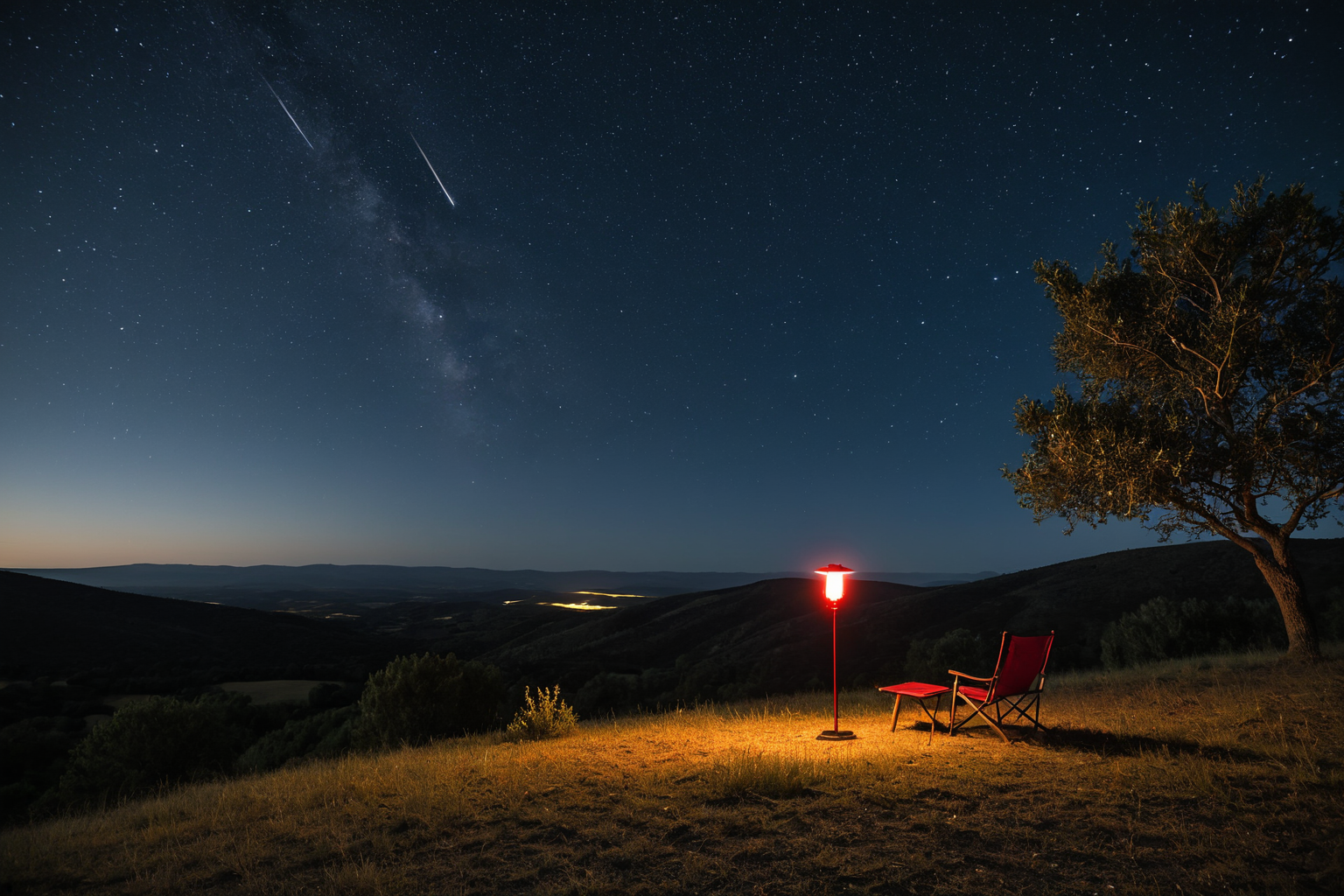
3. Prepare Equipment: No camera or telescope is needed—observing with the naked eye is best. Bring comfortable clothing and a red-light flashlight to help your eyes adjust to the dark without disrupting night vision.
4. Manage Time: Observation is possible from 10 PM until dawn. Select times when there is no moonlight, and keep track of time to maximize observation efficiency.
5. Safety Check: Ensure the location is safe before heading out. Nighttime observation in dark areas increases risks of slipping or falling, so prepare safety gear and familiarize yourself with the surroundings.
Pro Tips for Successful Observation
To increase your chances of spotting meteors, allow your eyes to adjust to darkness. Spend about 30 minutes in the dark before observing to improve visibility.
Also, avoid talking or using bright lights during observation, as these can disrupt your night vision and reduce the number of meteors you see.
Additional Information About the Meteor Shower
The Perseid meteor shower peaks in mid-August and is known as a summer night celebration of shooting stars. It is one of the most prominent meteor showers, with up to 100 meteors per hour visible under ideal conditions.
Other notable meteor showers include the Orionids (November) and Geminids (December). However, the Perseids are considered the easiest to observe.
What to Do If Observation Fails
If your observation attempt fails, consider these steps. First, recheck weather conditions; if clouds or rain are present, reschedule for a clearer day.
If you observed from an urban area but light pollution prevented visibility, try moving to rural areas or mountains next time.
Confirming Observation Details and Updates
The 2026 Perseid meteor shower schedule is based on astronomical data. However, actual viewing conditions may vary depending on weather and environment. Check the latest forecast up until the day before observation, and refer to official astronomy websites for additional information.
Frequently Asked Questions
Q: When does the meteor shower occur?
The Perseid meteor shower occurs between August 12 and early morning of August 13, 2026. The best viewing time is from 10 PM to 4 AM.
Q: Is it necessary to observe without moonlight?
Selecting a time with no moonlight improves visibility. When the moon is visible, meteor flashes may be less noticeable.
Q: What equipment is needed for observation?
No camera or telescope is required—observing with the naked eye is best. Bring comfortable clothing and a red-light flashlight to help your eyes adjust to darkness.
Frequently Asked Questions
The Perseid meteor shower will peak between August 12 and early morning of August 13, 2026, with up to 100 meteors per hour visible. Before observing, check weather conditions, location, and moonlight visibility. Choose a dark area away from city lights, allow your eyes time to adjust, and prepare for safe observation. Success depends largely on proper preparation and favorable viewing conditions.
For the best experience with the 2026 Perseid meteor shower, plan ahead and enjoy the summer night sky’s spectacular display of shooting stars.
You can view similar articles all at once.
View Related ArticlesFAQ
When does the meteor shower occur?
The Perseid meteor shower occurs between August 12 and early morning of August 13, 2026. The best viewing time is from 10 PM to 4 AM.
Is it necessary to observe without moonlight?
Selecting a time with no moonlight improves visibility. When the moon is visible, meteor flashes may be less noticeable.
What equipment is needed for observation?
No camera or telescope is required—observing with the naked eye is best. Bring comfortable clothing and a red-light flashlight to help your eyes adjust to darkness.
Korean Source
This article is an English localization of a Korean-language report from BlogScore. Original: 유성우 떨어지는 시간과 날씨 조건, 관측 전 필수 체크리스트