
Understanding the Difference Between Perceived Temperature and Actual Temperature
The Definition and Factors Influencing Perceived Temperature
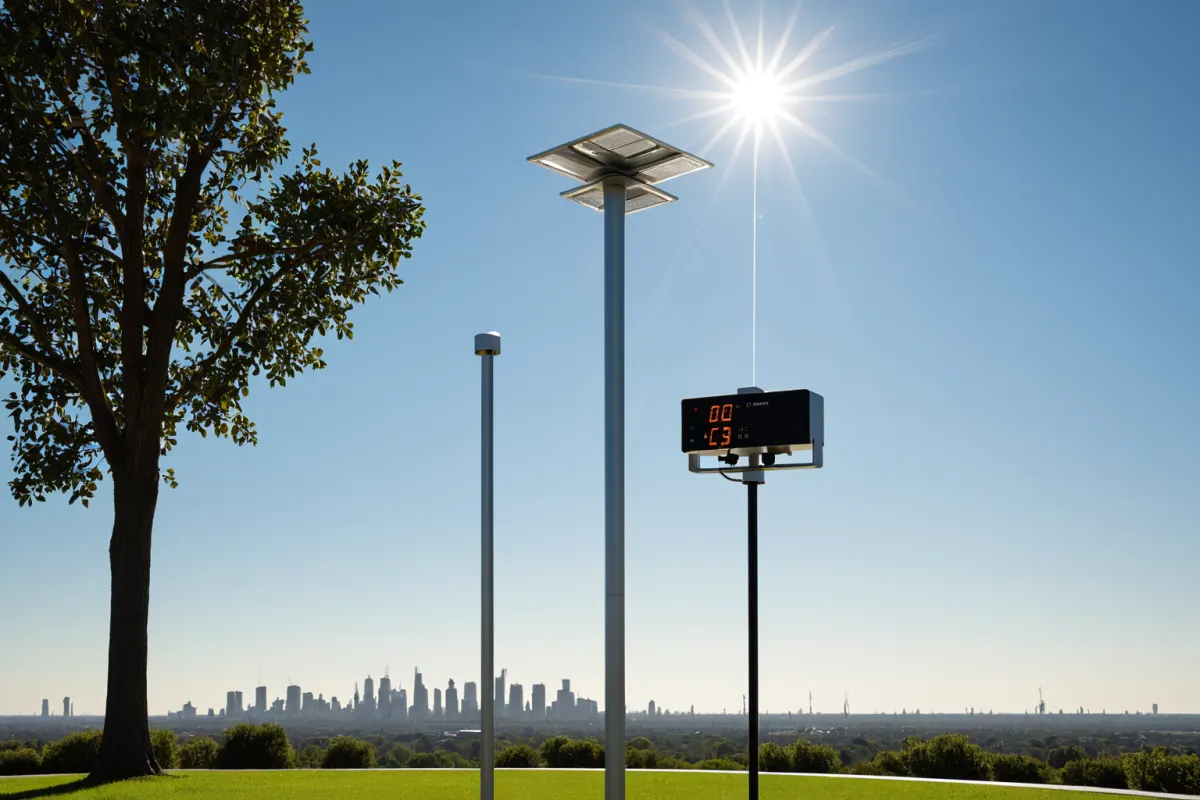
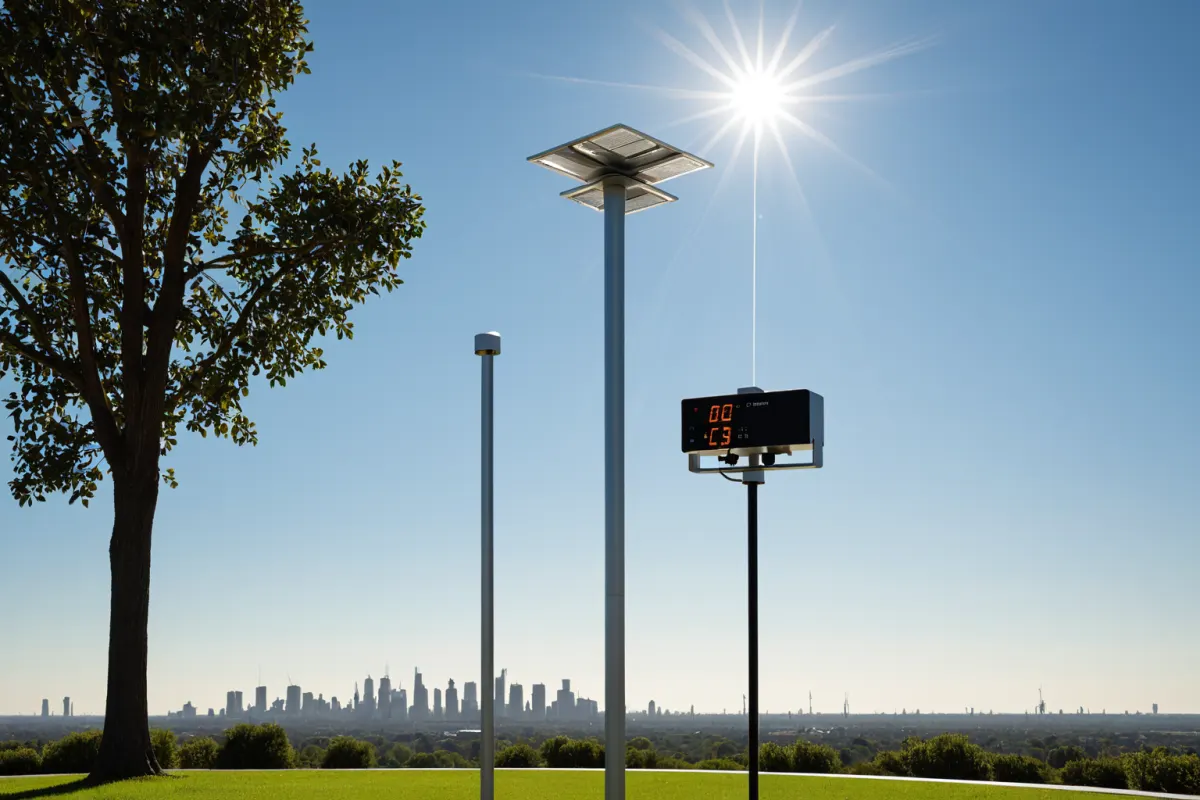
Perceived temperature reflects a subjective sense of warmth or coolness that differs from actual air temperature, determined by factors including wind speed, humidity, and solar radiation. The Korea Meteorological Administration officially measures perceived temperature, which serves as a key benchmark for heatwave and cold weather response policies.
For example, even when the air temperature is 30°C, strong winds and high humidity can make it feel like 35°C or higher. Conversely, on dry days with intense sunlight, perceived temperature may exceed actual readings. This occurs because the human body perceives temperature differently based on environmental factors.
The Difference Between Perceived Temperature and Actual Air Temperature
It's common for street measurements to show 50°C while weather forecasts report only 39°C, reflecting how perceived temperature differs from actual air temperature readings.
A 2024 KBS News report noted that the rate of increase in perceived temperature is exceeding that of global average temperature rise. Urban heat island effects and climate change are combining to accelerate perceived temperature increases.
Policy and Technological Developments Reflecting Perceived Temperature
In industrial settings, safety standards have shifted from air temperature measurements to perceived temperature for preventing heat-related illnesses. When perceived temperature reaches 31°C or higher, mandatory heatwave regulations apply, with recommendations for monitoring and work suspension to protect workers.
Professor Koo Chong-wan's research team at Incheon University and Hurean signed a technology transfer agreement in December 2025 for a thermal stress monitoring system. NextSafe released the 'Perceived Temperature Meter 800N Set' in June 2026, while Kweather launched a perceived temperature measurement device for heatwave management in May 2025. These developments align with strengthened Occupational Safety and Health Act regulations aimed at proactive prevention of heat-related illnesses.
Difference Between Perceived Temperature and Discomfort Index
The discomfort index relates to perceived temperature but represents a distinct concept. The discomfort index primarily considers humidity and air temperature, while perceived temperature factors in additional elements like wind speed and solar radiation.
For instance, on humid days the discomfort index may be high, but strong winds can make perceived temperature feel lower. This variation reflects how human heat dissipation mechanisms respond to environmental conditions.
Perceived Temperature in Winter and Indoor Heating
Perceived temperature can also feel low during winter months due to environmental factors like humidity and wind. Even with indoor temperatures at 20°C, drafts from windows may make it feel cooler, affecting heating efficiency. Therefore, considering perceived temperature is important for effective winter heating management.
Managing Perceived Temperature for Safety
Measuring perceived temperature in industrial settings has become a critical procedure for worker protection. As measurement devices have been introduced, they directly contribute to improved safety management at work sites.
A 2024 KBS News report highlighted that the rate of increase in perceived temperature is exceeding global average temperature rise. This indicates climate change's intensifying direct impact on human experience, making perceived temperature management increasingly important through policy and technological development.
Recent Information Related to Perceived Temperature
A July 2025 report from People's Daily noted cases where street measurements showed 50°C while weather forecasts reported only 39°C, clearly demonstrating the difference between perceived temperature and actual readings.
YTN reported in July 2025 that Seoul experienced a heatwave ending after 12 days but saw intense 'heatwaves' return during daytime hours. This illustrates how perceived temperature fluctuations connect to real weather phenomena.
Policy Changes and Industrial Responses to Perceived Temperature
The strengthened Occupational Safety and Health Act has enabled proactive responses to heat-related illnesses through new regulations based on perceived temperature standards and the introduction of measurement devices.
The December 2025 technology transfer agreement between Incheon University's Professor Koo Chong-wan research team and Hurean for a thermal stress monitoring system represents a significant turning point in applying perceived temperature measurement technology to industrial settings. This signifies practical technological advancement for worker protection.
Release and Application of Perceived Temperature Measurement Devices
The 'Perceived Temperature Meter 800N Set' by NextSafe was designed specifically for industrial use, accurately measuring perceived temperature to ensure worker safety.
Kweather's heatwave management perceived temperature measurement device, released in May 2025, is effective for large-scale work sites. These technological advancements play a crucial role in accurately measuring and managing perceived temperature.
Key Information About Perceived Temperature
Perceived temperature represents the subjective sense of warmth or coolness different from actual air temperature, determined by factors including wind speed, humidity, and solar radiation. This occurs because the human body perceives temperature differently based on environmental conditions.
A 2024 KBS News report noted that perceived temperature is rising faster than global average temperature increases, highlighting climate change's significant impact on how people experience heat.
The July 2025 People's Daily report about the discrepancy between street measurements and weather forecasts demonstrates how perceived temperature can differ from actual meteorological information.
Frequently Asked Questions
Q: What factors determine perceived temperature?
Perceived temperature is determined by multiple factors including wind speed, humidity, and solar radiation. It reflects how the human body perceives environmental conditions.
Q: What applies when perceived temperature reaches 31°C or higher?
When perceived temperature reaches 31°C or higher, mandatory heatwave regulations apply. This policy-based worker protection system manages work conditions based on perceived temperature standards.
Q: What is the difference between perceived temperature and discomfort index?
The discomfort index primarily considers humidity and air temperature, while perceived temperature factors in additional elements like wind speed and solar radiation. The two metrics are related but represent distinct concepts.

Frequently Asked Questions
Perceived temperature reflects a subjective sense of warmth or coolness different from actual air temperature, determined by factors including wind speed, humidity, and solar radiation. This serves as an important benchmark for heatwave and cold weather response policies.
In industrial settings, new regulations based on perceived temperature standards and measurement devices have strengthened worker protection. Additionally, climate change has caused the rate of perceived temperature increase to exceed global average temperature rise.
Managing perceived temperature goes beyond simple meteorological data—it plays a crucial role in ensuring safety and health in daily life. Therefore, accurate understanding and management of perceived temperature are becoming increasingly important.
You can view similar articles on this topic together.
View Related ArticlesFAQ
What factors determine perceived temperature?
Perceived temperature is determined by multiple factors including wind speed, humidity, and solar radiation. It reflects how the human body perceives environmental conditions.
What applies when perceived temperature reaches 31°C or higher?
When perceived temperature reaches 31°C or higher, mandatory heatwave regulations apply. This policy-based worker protection system manages work conditions based on perceived temperature standards.
What is the difference between perceived temperature and discomfort index?
The discomfort index primarily considers humidity and air temperature, while perceived temperature factors in additional elements like wind speed and solar radiation. The two metrics are related but represent distinct concepts.
Korean Source
This article is an English localization of a Korean-language report from BlogScore. Original: 체감온도와 실제 온도의 차이, 어떻게 측정하는지 알아보기