
Peptide Skincare Ingredients: A Global Market Analysis
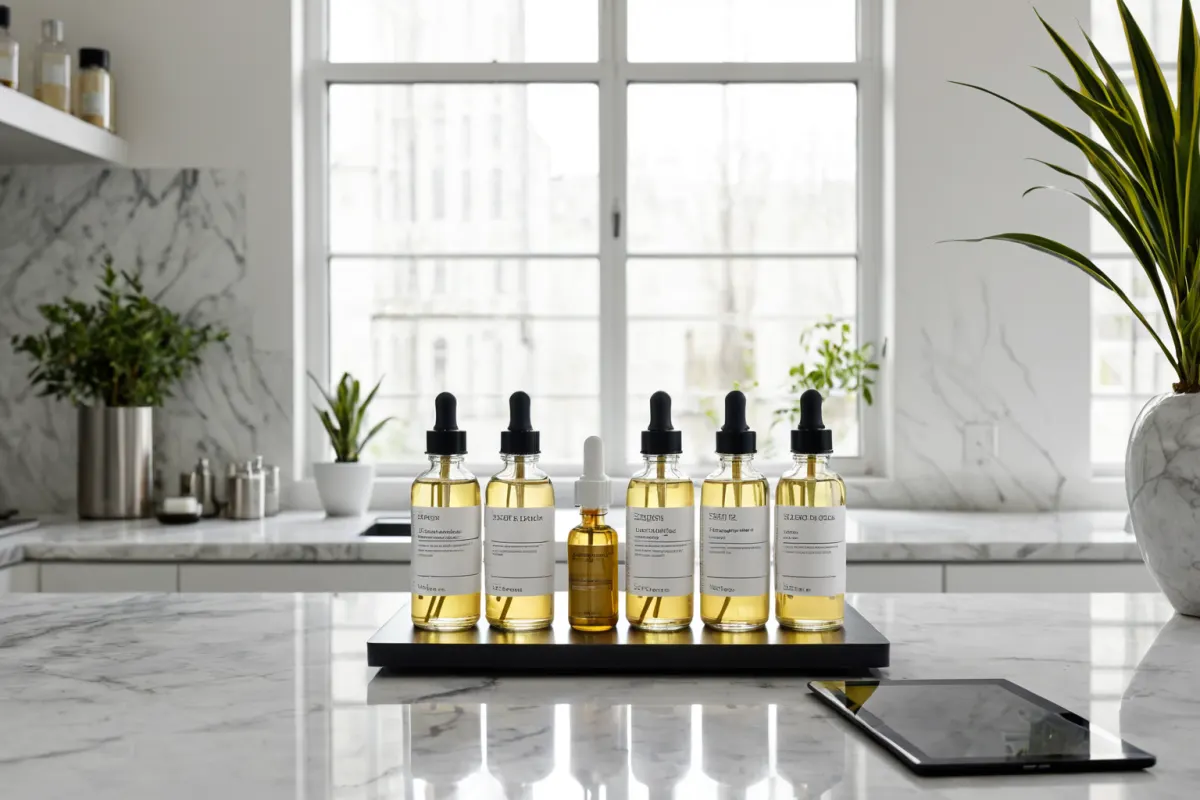
Global Expansion of Peptide Skincare Ingredients and Key Company Strategies
Peptide skincare ingredients are driving anti-aging trends and market growth, with Korean companies like Amorepacific and Daebong LS launching new peptide components through AI and proprietary development. In China, EGF raw materials are prohibited, creating different regulatory environments, while in the U.S., peptide-related ingredients rank second to collagen for anti-aging searches.

Global Trends in Peptide Skincare Ingredient Market
Peptide skincare ingredients are gaining attention in the functional cosmetics market, with Amorepacific developing a new peptide for hair strengthening using AI and molecular modeling, which was published in an international academic journal. Koreaana Cosmetics also launched 'Ampleen Peptide Shot Eye Cream' containing proprietary peptides. In China, EGF raw material use is prohibited, affecting the regulatory environment for peptide skincare products.
Among 17 new cosmetic ingredients registered in China's October market, only Neopharm completed registration among Korean companies. In the U.S., peptide-related ingredients rank second to collagen in anti-aging searches. Daebong LS announced leadership in the next-generation peptide market, and the anti-aging mechanism of compound peptide 'Orepep' was confirmed.
Key Events and Developments in the Peptide Market
On September 11, 2024, Daebong LS announced leadership in the next-generation peptide market. On September 8, 2025, 'ingredient beauty' and 'facial cleanser' trends were highlighted at K-beauty trends. On February 18, 2026, the anti-aging mechanism of compound peptide 'Orepep' was confirmed. On November 3, 2025, a report on the scale and market share of peptide synthesis reagents was published.
On April 13, 2026, peptide-related ingredients ranked first in U.S. anti-aging searches. On December 1, 2025, China registered 17 new cosmetic ingredients in October, with Neopharm being the only Korean company to complete registration. Amorepacific announced AI and molecular modeling-based peptide development results on March 27, 2026. Koreaana Cosmetics launched 'Ampleen Peptide Shot Eye Cream' on November 19, 2025.
On April 14, 2026, silk peptide ampoule became the top-selling product at Olive Young overall. On February 9, 2026, ingredients extracted from silkworm cocoons dominated U.S. search rankings. On April 27, 2015, Lee Tae-hoon of NovaCell announced his ambition to pioneer a new market with peptide technology.
Bridge Economy published 'High Concentration Isn't Always Better?... Analyzing K-beauty's Ingredient Competition' on August 13, 2026. Cosin Korea reported on the 'Peptide Trend' as a key anti-aging ingredient in the U.S. on July 7, 2026. BioTimes covered Caregen's 'CG-Hyalux' patent application on March 3, 2026, while Beauty Nuri featured an interview on how peptides are becoming the foundation of brands on March 23, 2026.
Key Drivers Behind Peptide Market Expansion
Peptide skincare ingredients are gaining global attention due to their anti-aging benefits and rising consumer interest. In China, EGF raw material use is prohibited, creating different regulatory environments, while in the U.S., peptide-related ingredients rank second to collagen in anti-aging searches—indicating high consumer evaluation of peptides.
Daebong LS and Amorepacific are strengthening market competitiveness by launching new peptide components through AI and proprietary development. Among 17 new cosmetic ingredients registered in China's October market, Neopharm was the only Korean company to complete registration, suggesting strong regulatory response capabilities from Korean firms. Silk peptide ampoule achieved top sales at Olive Young, reflecting high consumer demand.
Ingredients extracted from silkworm cocoons dominated U.S. search rankings, verifying the credibility and popularity of peptide skincare. Lee Tae-hoon of NovaCell announced his ambition to pioneer a new market with peptide technology on April 27, 2015, reflecting long-term strategic recognition of the importance of the peptide market.
Market Response and Safety Information
Peptide skincare ingredients are gaining attention in the functional cosmetics market, with domestic brands like Amorepacific and Koreaana Cosmetics launching new peptide components through AI and proprietary development. In China, EGF raw material use is prohibited, creating different regulatory environments, which hinders global standardization of peptide skincare products.
The peptide CDMO market and bioactive ingredient market are expected to grow steadily until 2035, indicating high potential for continued growth due to technological advancements and rising consumer demand. In China, complex registration procedures for new cosmetic ingredients have led Korean companies to focus on regulatory responses.
On March 27, 2026, Amorepacific announced results of peptide development through AI and molecular modeling, contributing to strengthening the scientific foundation of peptide components. Silk peptide ampoule achieved top sales at Olive Young, reflecting high consumer demand, while silkworm-derived ingredients dominating U.S. search rankings reflects global popularity of peptide skincare.
Key Information to Verify
To understand global trends in peptide skincare ingredients and key company strategies, it's important to verify whether EGF raw material use is prohibited in China (yes), if peptide-related ingredients rank second to collagen in U.S. anti-aging searches (yes), and the current status of AI-based peptide development by Daebong LS and Amorepacific. Among 17 new cosmetic ingredients registered in China's October market, Neopharm was the only Korean company to complete registration.
It's also important to verify that silk peptide ampoule achieved top sales at Olive Young on April 14, 2026, and that silkworm-derived ingredients dominated U.S. search rankings. Lee Tae-hoon of NovaCell announced his ambition to pioneer a new market with peptide technology on April 27, 2015, reflecting long-term strategic recognition of the peptide market's importance.
Frequently Asked Questions
Are peptide skincare ingredients safe?
Peptide skincare ingredients are gaining attention due to their anti-aging benefits and high consumer interest. Domestic brands like Amorepacific and Koreaana Cosmetics have launched new peptide components through AI and proprietary development.
Is EGF raw material use prohibited in China?
In China, EGF raw material use is prohibited, creating different regulatory environments for the peptide skincare market, which necessitates strategic responses for Chinese market entry.
Are peptide ingredients popular in the U.S.?
In the U.S., peptide-related ingredients rank second to collagen in anti-aging searches. Silkworm-derived ingredients dominated U.S. search rankings, reflecting global popularity of peptide skincare products.
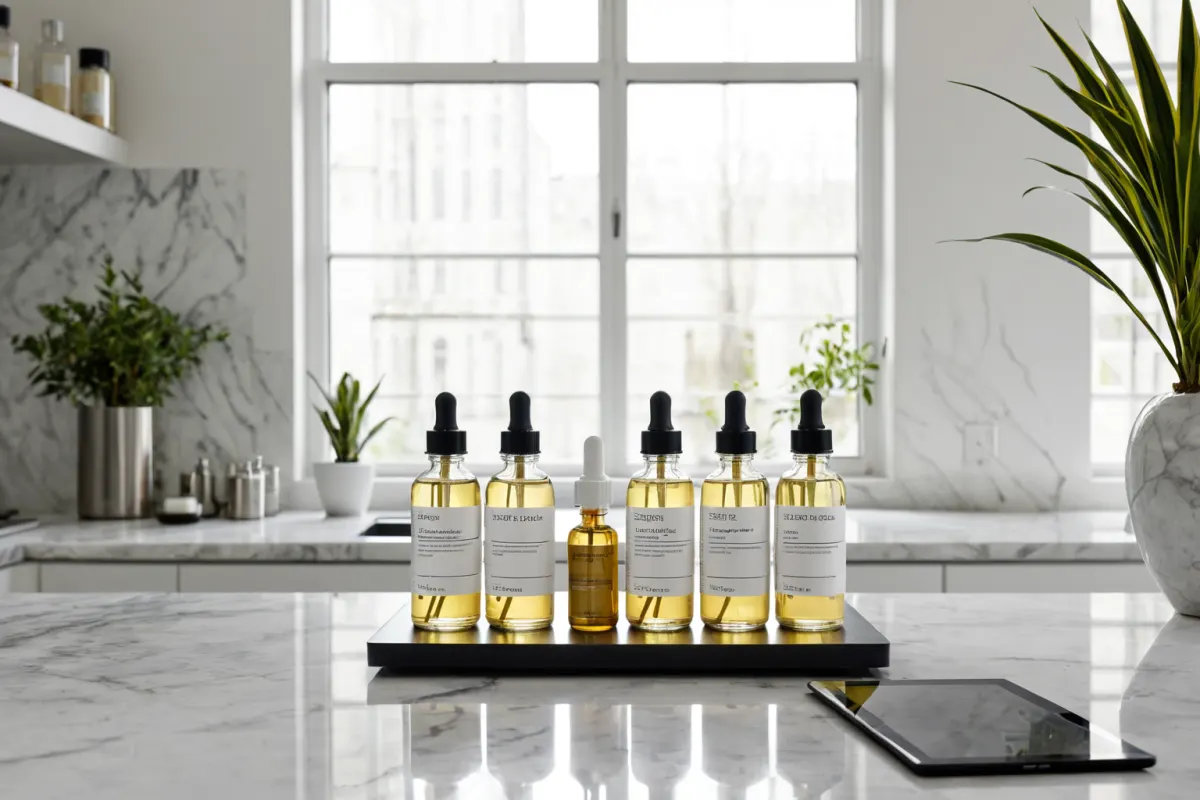
Image2
Market Expansion and Technology Innovation Strategies
Peptide skincare ingredients are gaining global attention due to their anti-aging benefits and rising consumer demand. Amorepacific and Daebong LS are launching new peptide components through AI and proprietary development, while China's prohibition of EGF raw materials creates different regulatory environments. Silk peptide ampoule achieved top sales at Olive Young overall, and silkworm-derived ingredients dominating U.S. search rankings reflects global popularity.
Among 17 new cosmetic ingredients registered in China's October market, Neopharm was the only Korean company to complete registration. In the U.S., peptide-related ingredients rank second to collagen in anti-aging searches. Daebong LS's announcement of leadership in the next-generation peptide market and Amorepacific's AI-based peptide development contribute to strengthening the scientific foundation of peptide technology.
On March 27, 2026, Amorepacific announced results of peptide development through AI and molecular modeling, contributing to strengthening the scientific foundation. Silk peptide ampoule achieved top sales at Olive Young, reflecting high consumer demand, while silkworm-derived ingredients dominating U.S. search rankings reflects global popularity.
The peptide CDMO market and bioactive ingredient market are expected to grow steadily until 2035, indicating high potential for continued growth due to technological advancements and rising consumer demand. In China, complex registration procedures have led Korean companies to focus on regulatory responses.
Lee Tae-hoon of NovaCell announced his ambition to pioneer a new market with peptide technology on April 27, 2015, reflecting long-term strategic recognition of the peptide market's importance. Media outlets like Bridge Economy and Cosin Korea reported on global expansion of peptide skincare ingredients in 2026.
On March 3, 2026, BioTimes covered Caregen's 'CG-Hyalux' patent application, while Beauty Nuri featured an interview on how peptides are becoming the foundation of brands on March 23, 2026. This shows peptides are becoming a core competitive advantage for established brands.
Peptide skincare ingredients are gaining attention in global functional cosmetics material development trends, with silk peptide ampoule achieving top sales at Olive Young overall. Ingredients extracted from silkworm cocoons dominating U.S. search rankings show rising consumer interest.
You can view similar articles on this topic in one place.
View More Related ArticlesFAQ
Are peptide skincare ingredients safe?
Peptide skincare ingredients are gaining attention due to their anti-aging benefits and high consumer interest. Domestic brands like Amorepacific and Koreaana Cosmetics have launched new peptide components through AI and proprietary development.
Is EGF raw material use prohibited in China?
In China, EGF raw material use is prohibited, creating different regulatory environments for the peptide skincare market, which necessitates strategic responses for Chinese market entry.
Are peptide ingredients popular in the U.S.?
In the U.S., peptide-related ingredients rank second to collagen in anti-aging searches. Silkworm-derived ingredients dominated U.S. search rankings, reflecting global popularity of peptide skincare products.
Korean Source
This article is an English localization of a Korean-language report from BlogScore. Original: 펩타이드 화장품 성분 분석, 어떤 게 더 좋을까?