
People Power Party Ethics Committee Disciplinary Standards and Key Cases Explained
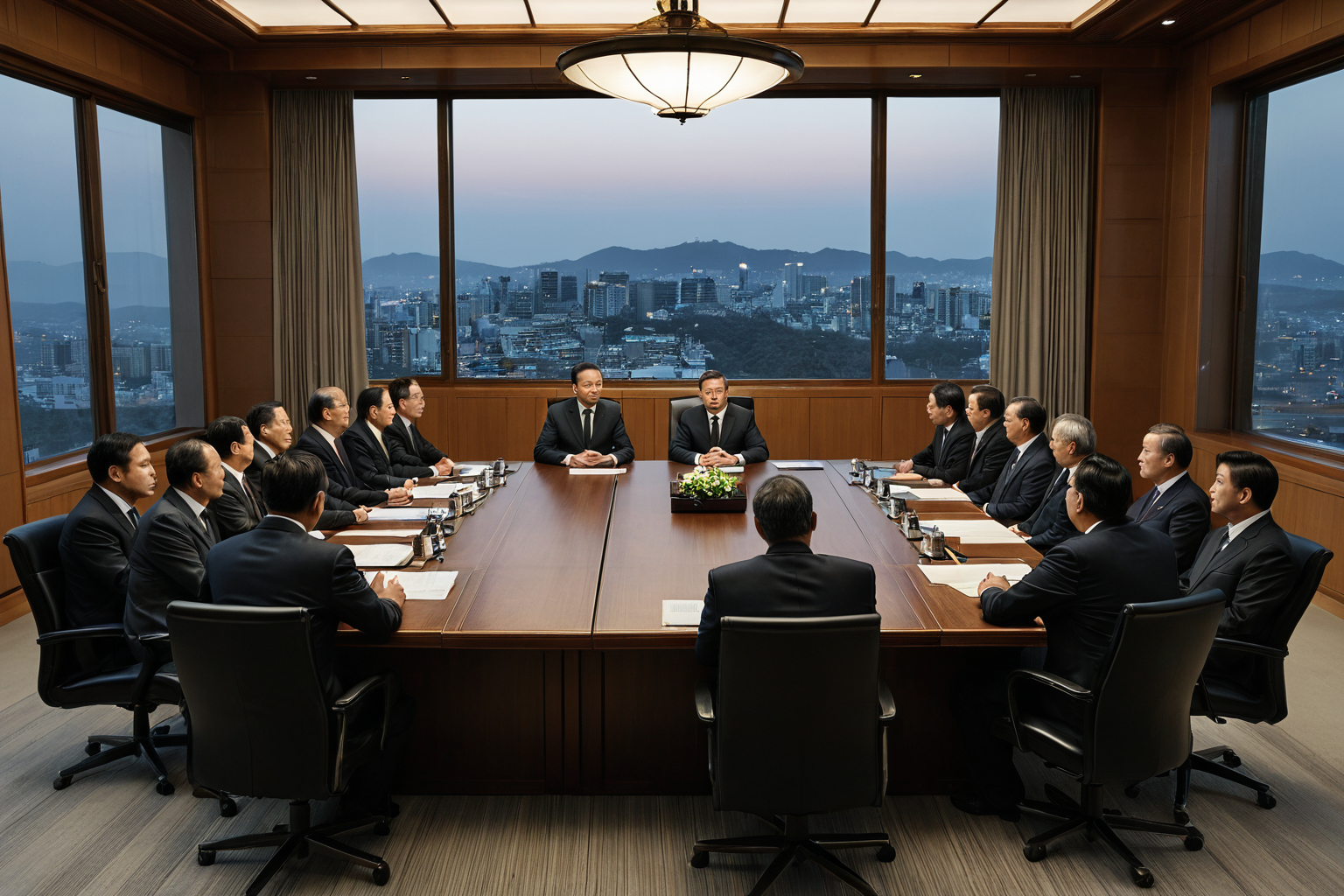
People Power Party Ethics Committee Disciplinary Controversy
The People Power Party's Ethics Committee stated it could impose disciplinary action against members who intentionally and repeatedly criticized the party leader, but this has intensified internal conflict. Recent decisions to impose severe sanctions on four sitting lawmakers have led to the emergence of a new term 'bi-jang-hoeng-sa' (literally meaning 'to kill without reason'), with sanctioned members challenging the rulings through legal action and appeals.
Disciplinary Standards and Internal Conflict
The Ethics Committee announced on July 22 that simple criticism of the party leader would not be grounds for disciplinary action, but issued its disciplinary standards on July 23, sparking internal conflict over quorum issues. This led to backlash from within the committee during the disciplinary process.
On August 11, the Ethics Committee decided to suspend Kim Kyu-nam, former Seoul City Council member, for two years. He has filed an appeal with the central party. On August 18, the committee heard explanations from lawmakers Jin Jong-o and Jo Gyeong-tae as part of disciplinary proceedings.
Reactions from Sanctioned Members
The recent collective sanctions against four sitting lawmakers—Jo Gyeong-tae, Jin Jong-o, Kwon Young-jin, and Seo Beom-su—have deepened party divisions. Jo received a two-year six-month suspension, Jin a two-year suspension, and Kwon a one-year six-month suspension.
Kim Kyu-nam, the former Seoul City Council member, has appealed his two-year suspension through an appeal to the central party. Kwon Young-jin and Seo Beom-su have filed requests for retrial regarding their suspensions. Jin Jong-o appears to have filed a preliminary injunction request with the court over his two-year suspension.
Internal Conflict Within Ethics Committee and External Criticism
Vice Chairman Woo Jong-hwan of the Ethics Committee pointed out insufficient justification for disciplinary actions, questioning 'who would accept this.' This reflects criticism that the committee has become a political tool for targeting leaders, deepening political tensions.
The Democratic Party proposed discussions on establishing disciplinary standards related to prosecutorial investigations. This appears to emphasize that the committee's disciplinary decisions should not be based on political judgments.
Reestablishing Disciplinary Standards and Legal Procedures
The Ethics Committee stated it could impose discipline for intentional, repeated criticism of the party leader, but this contradicts previous standards. Notably, Jo Gyeong-tae pointed out that no disciplinary action was taken against Lee Jin-suk, raising questions about fairness.
Jang Dong-hyuk argued that those who committed violations should be permanently barred from reinstatement, but this prompted opposition and expanded debate over the committee's purpose. Jeong Jeon-sik emphasized the need for caution when disciplining lawmakers, while a case involving Seo Beom-su's 'kicking back' remark has been referred to the Ethics Committee.
Timeline of Disciplinary Decisions
On July 22, the Ethics Committee announced that simple criticism of the party leader would not be disciplinary grounds. However, two days later on July 23, when it published its standards, internal conflict arose over quorum issues.
On August 11, Kim Kyu-nam received a two-year suspension and filed an appeal. On August 18, the committee heard explanations from Jin Jong-o and Jo Gyeong-tae. On August 20, the Ethics Committee announced disciplinary decisions against Jo Gyeong-tae, Jin Jong-o, and Kwon Young-jin.
On August 21, internal party conflict resurfaced with the emergence of the term 'bi-jang-hoeng-sa,' intensifying controversy. On August 27, some Ethics Committee members called for Chairman Yoon Min-woo's removal and questioned whether all disciplinary actions should be nullified.
Controversy Over Disciplinary Fairness
The Ethics Committee's disciplinary decisions have raised fairness concerns. Jang Dong-hyuk argued that discipline must be strict, but Jo Gyeong-tae pointed out the lack of disciplinary action against Lee Jin-suk, questioning fairness.
Vice Chairman Woo Jong-hwan criticized insufficient justification for disciplinary actions, asking 'who would accept this,' suggesting the committee's decisions are politically motivated. The Democratic Party has proposed discussions on establishing disciplinary standards related to prosecutorial investigations.
Legal Proceedings Underway
Jin Jong-o filed a preliminary injunction request with the court over his two-year suspension, indicating that the Ethics Committee's decision may lack legal validity. Kwon Young-jin and Seo Beom-su have also requested retrials to nullify their disciplinary decisions.
The Ethics Committee continues to face internal conflict while reestablishing its standards, deepening debate over its role and purpose.
Future Direction of the Ethics Committee
The Ethics Committee urgently needs to clarify its disciplinary standards and resolve internal conflicts. However, it has faced external criticism for decisions that appear politically motivated. Notably, disciplinary actions related to intra-party power dynamics seem to be deepening political tensions.
How the committee's future decisions will affect the party—whether they will help reconcile divisions or further fuel political conflict—will shape the People Power Party's identity and direction. This represents a critical test of whether the Ethics Committee can maintain political neutrality.
Key Points to Verify
It is necessary to verify if the Ethics Committee's disciplinary standards are clearly established and consistent with fairness. Additionally, specific details regarding calls for Chairman Yoon Min-woo's removal and potential nullification of all disciplinary actions by some committee members should be confirmed.
The legal status of ongoing lawsuits by sanctioned members and the Democratic Party's proposal to establish disciplinary standards related to prosecutorial investigations are important indicators for understanding external oversight and policy direction regarding the Ethics Committee's decisions.
Frequently Asked Questions
How did the People Power Party Ethics Committee establish its disciplinary standards?
The Ethics Committee stated it could impose discipline for intentional, repeated criticism of the party leader, but this contradicts previous standards. The announcement led to internal conflict and questions about quorum.
What reactions have sanctioned members shown?
Sanctioned members Kim Kyu-nam, Kwon Young-jin, Seo Beom-su, and Jin Jong-o are challenging the rulings through appeals, retrial requests, and court injunctions. Jin Jong-o specifically filed a preliminary injunction request with the court, suggesting the Ethics Committee's decision may lack legal force.
What was Vice Chairman Woo Jong-hwan's opinion on disciplinary legitimacy?
Vice Chairman Woo Jong-hwan pointed out insufficient justification for disciplinary actions and questioned 'who would accept this.' This appears to be a response to criticism that the committee is making politically motivated decisions.
The content of this article is based on sources, and additional information should be verified with recent reports.
You can view similar articles in one place.
View Related ArticlesFAQ
How did the People Power Party Ethics Committee establish its disciplinary standards?
The Ethics Committee stated it could impose discipline for intentional, repeated criticism of the party leader, but this contradicts previous standards. The announcement led to internal conflict and questions about quorum.
What reactions have sanctioned members shown?
Sanctioned members Kim Kyu-nam, Kwon Young-jin, Seo Beom-su, and Jin Jong-o are challenging the rulings through appeals, retrial requests, and court injunctions. Jin Jong-o specifically filed a preliminary injunction request with the court, suggesting the Ethics Committee's decision may lack legal force.
What was Vice Chairman Woo Jong-hwan's opinion on disciplinary legitimacy?
Vice Chairman Woo Jong-hwan pointed out insufficient justification for disciplinary actions and questioned 'who would accept this.' This appears to be a response to criticism that the committee is making politically motivated decisions.
Korean Source
This article is an English localization of a Korean-language report from BlogScore. Original: 국민의힘 윤리위 징계 기준과 주요 사건 정리