
Peak Perseid Meteor Shower in 2026: Best Viewing Times and Tips
Peak Timing of the Perseid Meteor Shower
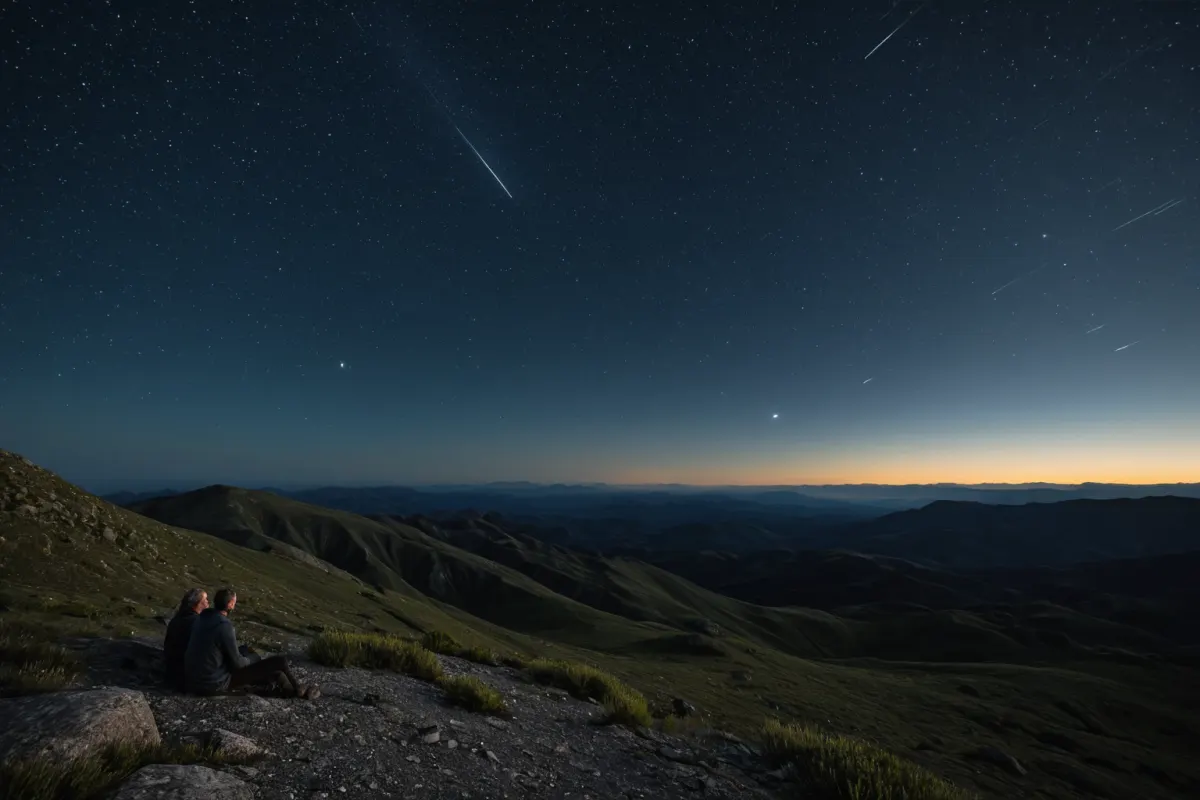
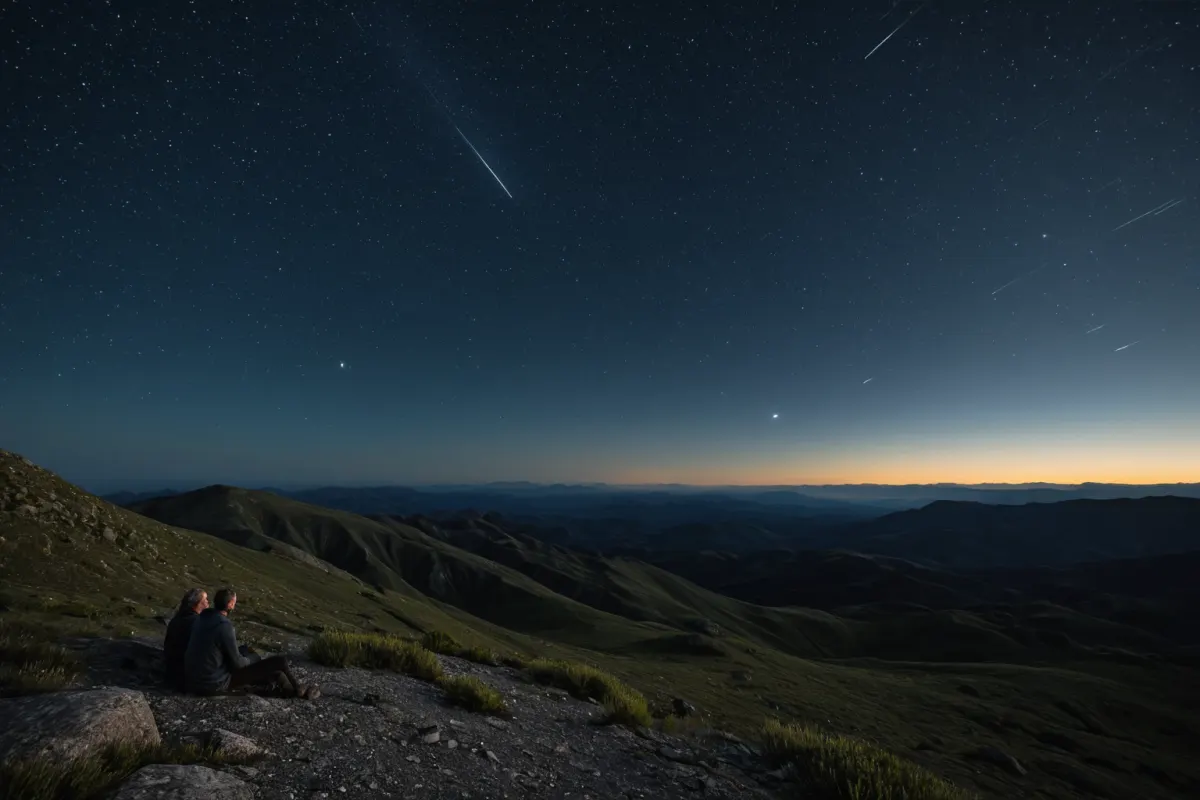
The 2026 Perseid meteor shower is expected to reach its peak on the morning of August 13. Under moonless conditions, observers may see up to 100 meteors per hour, with the best viewing window between 2:00 AM and 4:00 AM.
Optimal Viewing Conditions and Timing
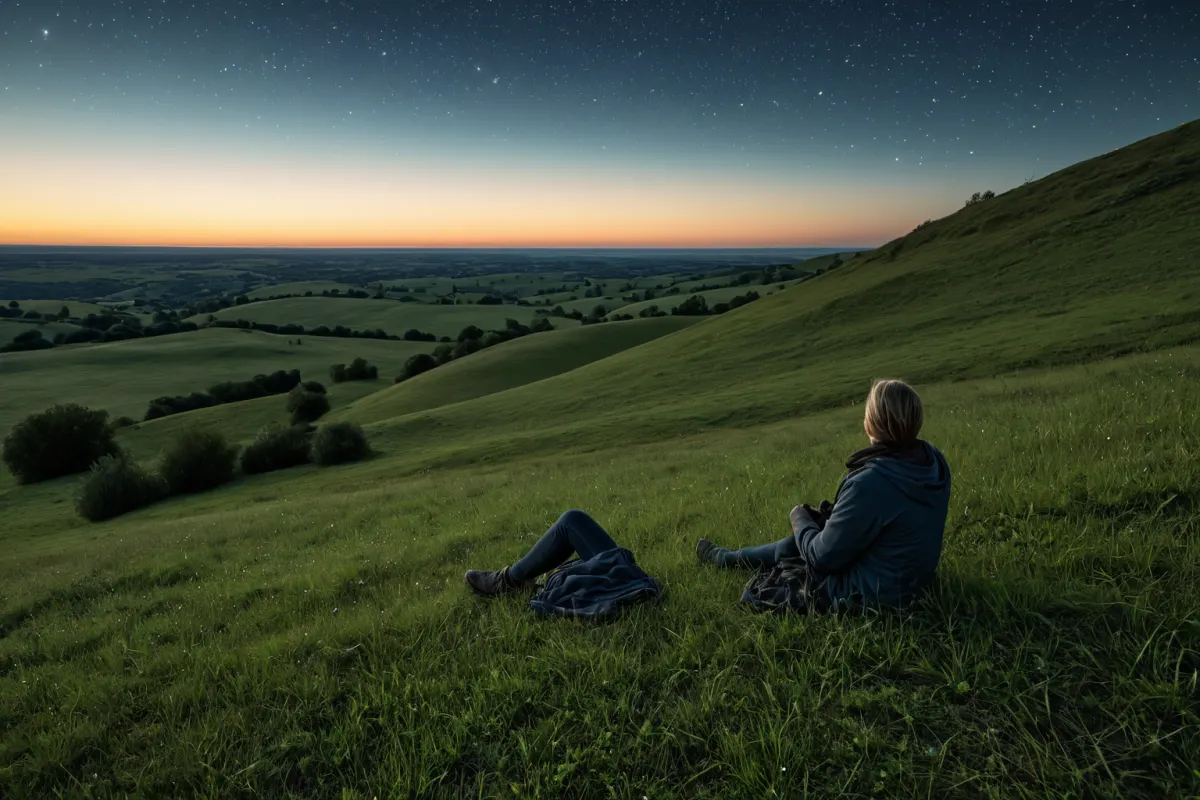
The ideal conditions for observing the Perseid meteor shower are clear, moonless nights. After allowing your eyes to adjust for about 15 minutes in a dark area away from city lights, look toward the northern or eastern sky for better visibility. The period between 2:00 AM and 4:00 AM is particularly active for meteors.
Under optimal conditions, observers can see up to 100 meteors per hour—making this one of the most active meteor showers of the year. Moonlight can obscure meteors, so it's important to choose a time when the moon is not visible or is relatively dim.
Periodicity and Historical Observations
The Perseid meteor shower is observable from late July through mid-August each year, with the 2024 peak occurring between August 10–12. Known as a 'celestial show,' it attracts many astronomy enthusiasts.
2026 will be particularly favorable for viewing due to moonless conditions. The shower's activity peaks around the early morning of August 13, based on historical observations and forecasts. While meteors occur annually at this time, visibility depends on lunar position and other conditions.
Be aware that in areas with significant light pollution from cities, meteors may be harder to see. Choosing a location away from urban centers—such as natural parks or coastal areas—is recommended. Also, check weather forecasts beforehand, as cloudy or poor weather can hinder observations.
The Perseid meteor shower has been observed by astronomers since the 19th century, with the first detailed records dating back to 1834. At that time, observers reported about 60 meteors per hour—lower than today's counts due to greater light pollution in urban areas during that era.
Modern advancements in observation technology have improved viewing conditions significantly. For the 2026 peak, with no moonlight interfering, it is possible to observe over 100 meteors per hour—a highly favorable condition compared to historical observations.
Viewing Tips and Recommended Locations
The most important tip for viewing is allowing your eyes to adjust to the dark. Avoid areas with bright city lights, and consider moving to locations like mountains or beaches where ambient lighting is minimal.
Looking toward the northern or eastern sky will improve visibility, as meteors appear to radiate from that direction. When choosing a location, take this into account for better viewing opportunities.
The optimal viewing window for 2026 is between 2:00 AM and 4:00 AM on the morning of August 13. This period offers active meteor activity under moonless conditions with less light pollution from other observers.
Recommended locations include national parks or coastal areas outside city limits, such as southern Gyeongsang Province coastline or mountainous regions in Gangwon Province. These spots offer minimal light pollution and excellent viewing conditions. It's advisable to visit these places beforehand to assess the location and surroundings.
For a comfortable experience, bring a chair or mat for extended observation. Pack warm beverages and snacks—early morning temperatures in mid-August can be cool, so dressing warmly is recommended.
Essential Viewing Gear
No special equipment is required to observe the Perseid meteor shower; it's visible with the naked eye. However, wearing warm clothing and bringing a comfortable chair or mat will enhance your experience.
Allowing your eyes 15–20 minutes to adjust in darkness is crucial for better visibility. If clouds or poor weather are forecasted, consider postponing observation until clearer conditions arise.
Capturing photos or videos of the event is optional but recommended for those who wish to document the experience. While photography can be done without special equipment, the high meteor activity in 2026 may yield excellent results even with basic gear.
Comparison: 2024 vs. 2026
The 2024 Perseid peak occurred between August 10–12, but moonlight made viewing conditions less favorable. In contrast, the 2026 event will occur under moonless skies, offering a much higher chance of success.
Compared to 2024, 2026 provides better conditions for observing more meteors per hour. This variation depends on the moon's position and phase each year.
During the 2024 peak, observers recorded an average of about 65 meteors per hour under moonlit conditions. In 2026, with no moonlight interference, up to 100 meteors per hour are expected—a significant increase in visibility.
Important Viewing Considerations
Safety is paramount when observing outdoors at night. Always choose a safe location and be aware of your surroundings—especially on uneven terrain or near water bodies.
For family outings, select quieter, safer areas over crowded spots. When bringing children, ensure there's a secure space for them to observe comfortably.
Be mindful of noise and light pollution during observation. Keep lights and sounds to a minimum to avoid disturbing other observers. After the event, help maintain the environment by disposing of trash properly.
Frequently Asked Questions
When is the peak time for the Perseid meteor shower?
The 2026 peak will occur on the morning of August 13. Under moonless conditions, observers may see up to 100 meteors per hour.
What do I need to bring for viewing?
No special equipment is required—just your eyes. Bring warm clothing and a comfortable chair or mat for extended observation.
When is the best time to view?
The ideal window is between 2:00 AM and 4:00 AM on August 13, when meteors are most active under moonless conditions.
You can find more articles about similar topics here.
View Related ArticlesFAQ
When is the peak time for the Perseid meteor shower?
The 2026 peak will occur on the morning of August 13. Under moonless conditions, observers may see up to 100 meteors per hour.
What do I need to bring for viewing?
No special equipment is required—just your eyes. Bring warm clothing and a comfortable chair or mat for extended observation.
When is the best time to view?
The ideal window is between 2:00 AM and 4:00 AM on August 13, when meteors are most active under moonless conditions.
Korean Source
This article is an English localization of a Korean-language report from BlogScore. Original: 페르세우스 유성우 절정, 시간대별 관측 팁 정리