
Park Seung-won's Vision for Gwangmyeong: Building a Cultural and Entertainment Hub with K-Arena
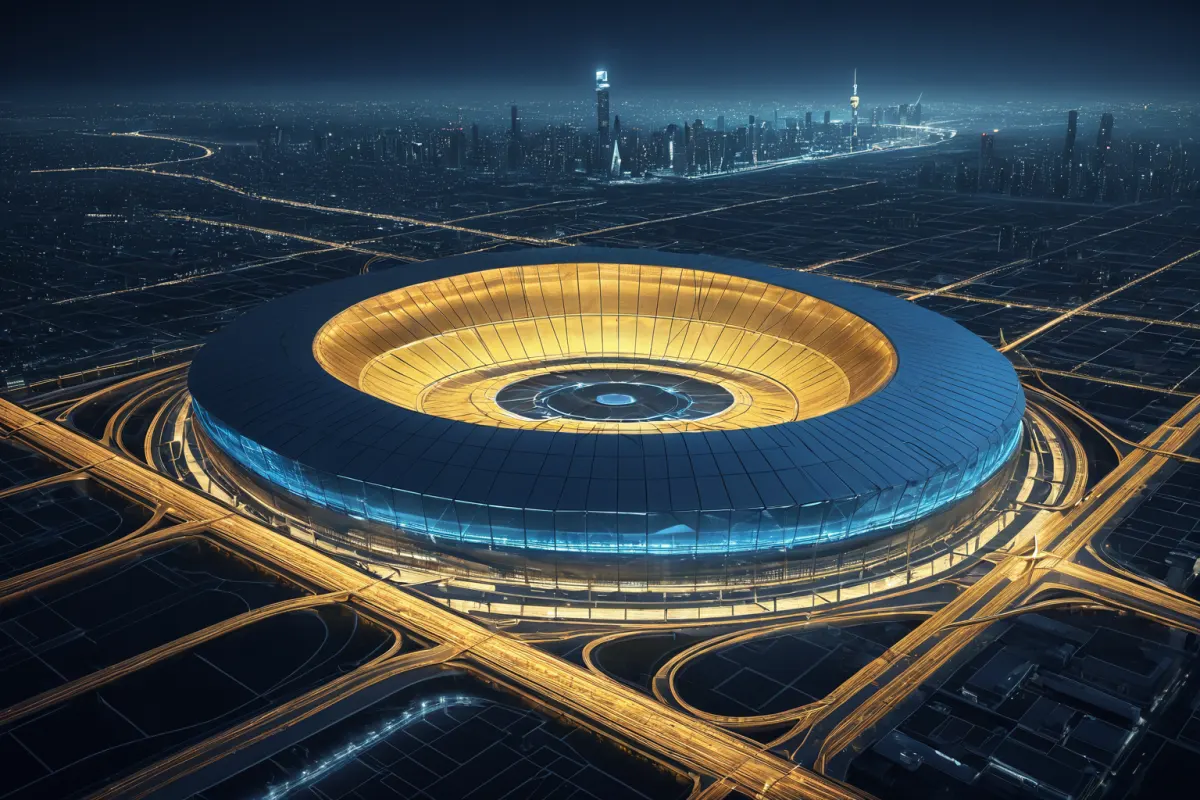
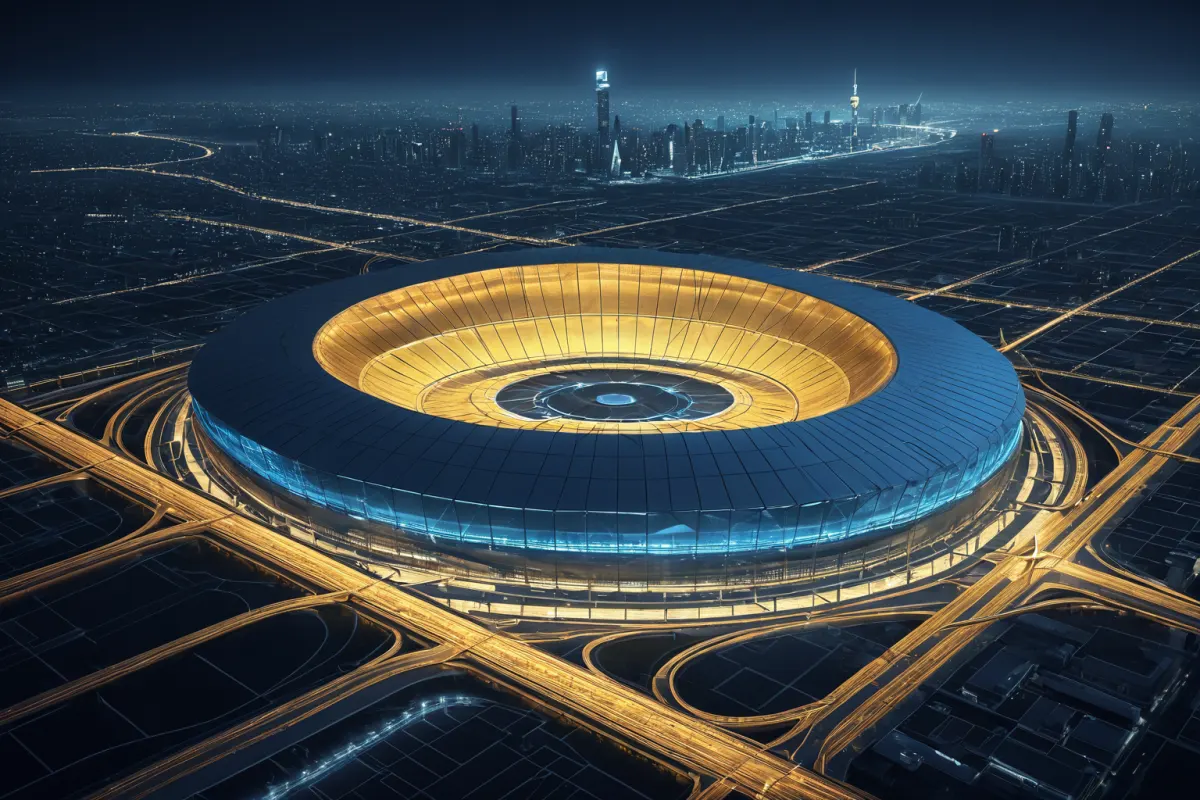
Municipal Mayor Park Seung-won's strategy for attracting the K-Arena is essentially an urban development plan to elevate Gwangmyeong into a major cultural and performance hub. The core of this initiative isn't merely about building a single venue but integrating transportation, commercial areas, and tourism to extend residents' and visitors' stay times while generating economic benefits.
What most people are likely curious about is "Why Gwangmyeong? What exactly is being done?" Based on current information, Gwangmyeong City is leveraging its strengths in railway connectivity and proximity to Seoul to expand the potential for attracting large-scale comprehensive cultural facilities.
Why Gwangmyeong Seeks the K-Arena
Gwangmyeong has repeatedly emphasized its position as a transportation hub. For major venues like the K-Arena, accessibility is crucial, making the city's location in southwestern Seoul an advantage for gathering crowds from across the region.
Another key factor is urban image. Large performance and event facilities serve not just as buildings but as symbols that shape how people remember a city. This aligns with Gwangmyeong's ambition to expand into a cultural city and a destination where people stay longer.
In reality, large concert venues also boost demand for nearby restaurants, accommodations, transportation, and shopping. The city's focus on this strategy reflects an awareness of these ripple effects.
You can explore more articles on similar topics in one place.
View Related ArticlesKey Directions of Gwangmyeong's K-Arena Strategy
Municipal Mayor Park Seung-won's strategy for attracting the K-Arena can be understood in three main aspects: location competitiveness, infrastructure integration, and private investment with administrative support.
Location competitiveness refers to Gwangmyeong Station's railway accessibility. Infrastructure integration involves aligning surrounding roads, parking, pedestrian pathways, and public transport transfer systems. Private investment and administrative support involve helping streamline bureaucratic processes and building a compelling case for attracting the venue.
A key point is that "having just a concert hall isn't enough." Large arenas require careful planning around audience movement, safety management, noise control, and harmony with surrounding commercial areas to operate effectively.

Gwangmyeong's Competitive Location Advantages
Gwangmyeong is well-positioned near Seoul and serves as a connector for southwestern metropolitan areas, making it ideal for gathering crowds for large events. When considering KTX, subway, and bus routes, the city offers lower barriers to access compared to more peripheral locations.
Especially for venues that see concentrated crowds on specific days like weekend concerts or fan events, urban accessibility and transfer convenience are critical factors. Gwangmyeong is likely emphasizing this advantage strategically.
For example, if audiences from southwestern Seoul, Ansan, Bucheon, Anyang, and Siheung can easily travel to the venue, it broadens the city's potential for attracting events. Ultimately, location isn't just about geography but how well it reduces actual travel time.
Economic Impact on Surrounding Commerce and City Economy
The reason why K-Arena attraction is gaining attention goes beyond concert revenue. When dining, cafes, accommodations, and shopping follow performances, the local economy experiences tangible benefits. These effects are most noticeable once a large facility becomes established.
Gwangmyeong is already adjacent to densely populated areas with well-developed transportation and living infrastructure, so attracting such a venue could lead to expanded commercial zones. The city's distinct peak times for increased foot traffic also present opportunities for small business owners.
However, these benefits won't automatically materialize. If event schedules are irregular, surrounding businesses may struggle to consistently benefit from the influx of visitors, meaning coordinated operational plans and community engagement programs are essential.
Key Considerations During Attraction Process
Attracting large cultural facilities isn't just about a plan—it requires securing land, assessing urban planning changes, conducting traffic impact assessments, addressing environmental concerns, and determining funding sources. The longer this process takes, the more public attention it attracts.
Especially whether public or private entities lead the initiative affects speed and direction. Public-led projects emphasize social benefit and regional balance, while private-led ones prioritize business viability and profitability.
Gwangmyeong must balance both aspects: citizens will assess how much daily life is disrupted, while investors will evaluate the project's financial potential.
Real-World Changes Citizens Will Notice
For instance, on days when major concerts are held, stations and commercial areas become bustling, with increased demand for delivery services, taxis, and parking. These changes may not be noticeable in daily life but become evident during large events.
Conversely, poor preparation can lead to only congestion without benefits. Therefore, Gwangmyeong must implement practical measures like traffic distribution, clear guidance pathways, and minimizing disruption for residents alongside its attraction strategy.
To locals, the most realistic question is "What will change if a concert hall appears?" The answer is straightforward: well-managed operations can drive jobs, commerce, and city branding forward, but poor planning could only increase inconvenience.
Connection to Mayor Park Seung-won's Campaign Promises
The K-Arena attraction strategy isn't an isolated issue—it fits within Gwangmyeong's broader vision of becoming a connected cultural, transportation, and economic hub. It's part of the city's overall direction rather than just a single project.
In other words, what matters more than the venue itself is how the city utilizes it afterward. Events, local festivals, commercial activation, and transportation improvements must all align for campaign promises to translate into tangible results.
From this perspective, Gwangmyeong's strategy serves as a case study showing the city's future direction—not just about whether the K-Arena will be built but how it will be implemented under what conditions and structure.
FAQ
Q. What is Mayor Park Seung-won's K-Arena attraction strategy?
Gwangmyeong City aims to attract a large-scale cultural venue like the K-Arena to grow together with transportation, commerce, and city branding.
Q. What will be the biggest change if K-Arena comes?
The influx of concert audiences is likely to increase demand for nearby restaurants, cafes, accommodations, and transportation services.
Q. What's the most important condition in actual implementation?
All factors like land availability, traffic conditions, funding, and minimizing resident disruption must align, with both business viability and public benefit considered simultaneously.
The latest developments may vary based on future announcements, so staying updated through official channels is recommended.
Continue exploring articles on similar topics.
View Category ArticlesFAQ
What is Mayor Park Seung-won's K-Arena attraction strategy?
Gwangmyeong City aims to attract a large-scale cultural venue like the K-Arena to grow together with transportation, commerce, and city branding.
What will be the biggest change if K-Arena comes?
The influx of concert audiences is likely to increase demand for nearby restaurants, cafes, accommodations, and transportation services.
What's the most important condition in actual implementation?
All factors like land availability, traffic conditions, funding, and minimizing resident disruption must align, with both business viability and public benefit considered simultaneously.
Korean Source
This article is an English localization of a Korean-language report from BlogScore. Original: 박승원 광명시장 K-아레나 유치 전략 추진 내용