
Park Seo-jin's Minhwa Hobby: What You Need to Start
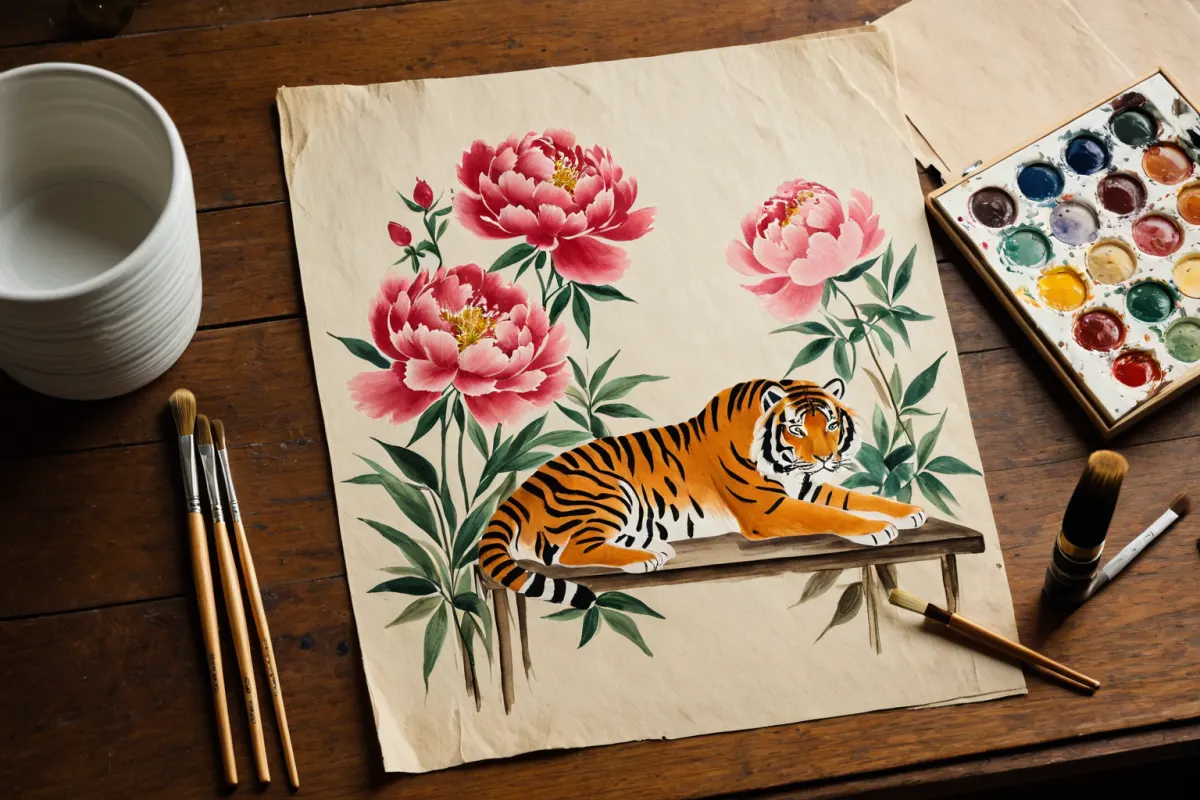
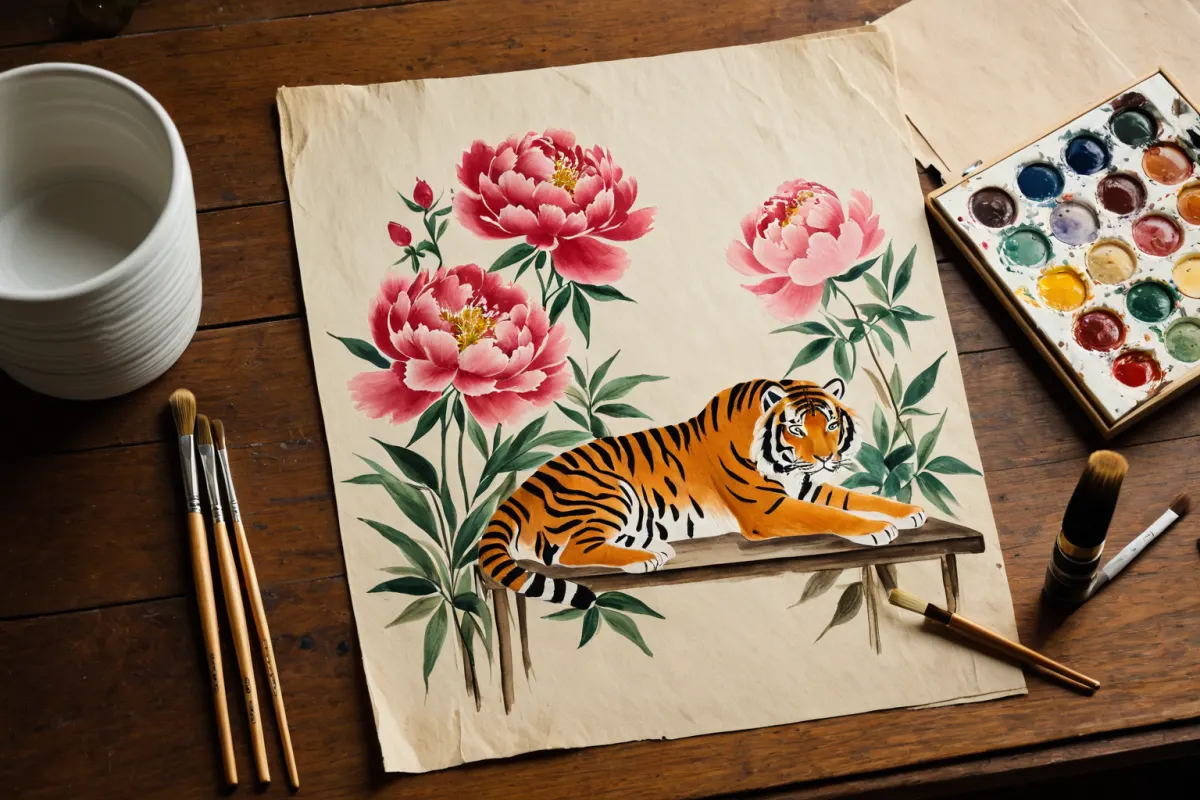
If you're inspired to try Park Seo-jin's Minhwa hobby, you don't need elaborate supplies to get started—just paper, a sketch, 2-3 brushes, acrylic or Minhwa paint, a palette, and a water container. There's no need to buy expensive materials all at once; start with basic, affordable items for practice, then gradually upgrade as you become comfortable.
Minhwa is more about developing the sense of drawing lines and building color experience than achieving perfection. It's surprisingly accessible even for beginners, especially when following popular styles like Park Seo-jin's Minhwa, which may look vibrant but is actually simple to start.
Core Essentials for Starting Minhwa
The most important thing when starting isn't buying lots of materials—it's having the basic tools neatly organized. Brushes can be divided into fine-line (thin), medium, and coloring types, which is sufficient. For paper, beginner-friendly options include practice sheets or thick drawing paper.
Paints specifically for Minhwa are ideal but not necessary at first; beginners can start with easy-to-handle materials. If you dislike color bleeding, paper choice matters, and if shaky lines worry you, focus on mastering brush pressure before worrying about the tool itself.
- Brushes: 1 thin brush, 1 medium brush, 1 coloring brush
- Paper: Practice sheets or thick paper like hanji (traditional Korean paper)
- Paints: Basic colors only
- Palette: Flat surface for mixing colors
- Water container and tissues: For brush maintenance
You don't need professional equipment right away. In fact, having too many tools can confuse beginners—using a small set of materials consistently works better.
Find more articles on similar topics.
View Related ArticlesRecommended Practice Order for Beginners
Before coloring, focus on line practice and mastering basic shapes. Minhwa often features repeating elements like petals, leaves, birds, or fish, so practicing simple geometric forms is key.
For example, when drawing iconic subjects like tigers or peonies, start by focusing only on the outline rather than aiming for a finished piece. Shaky lines can make even beautifully colored work look messy.
A practical sequence to follow:
- Lightly sketch composition with pencil
- Draw outer outlines first
- Add inner patterns and decorative lines
- Apply light colors broadly
- Finish with darker tones for definition
This order helps beginners avoid frustration. Focus on completing small sections rather than aiming for perfection in one go.
Frequently Confused Points When Starting Like Park Seo-jin's Minhwa
Many searching for Park Seo-jin's Minhwa hobby are more concerned with what level they need to start at rather than what materials to buy. The answer is simple: You don't need exceptional drawing skills to begin this hobby.
Minhwa appears intricate but relies on repetitive patterns and stable color placement, making it beginner-friendly. However, starting with overly complex large-scale works can lead to quick burnout—opt for small designs instead.
Example: A peony bloom slightly smaller than A4 paper, a simple bird without long wings, or basic still-life items like books are ideal for beginners. These designs have fewer lines and easier color division, leading to faster achievement satisfaction.
Key Considerations When Choosing Beginner Supplies
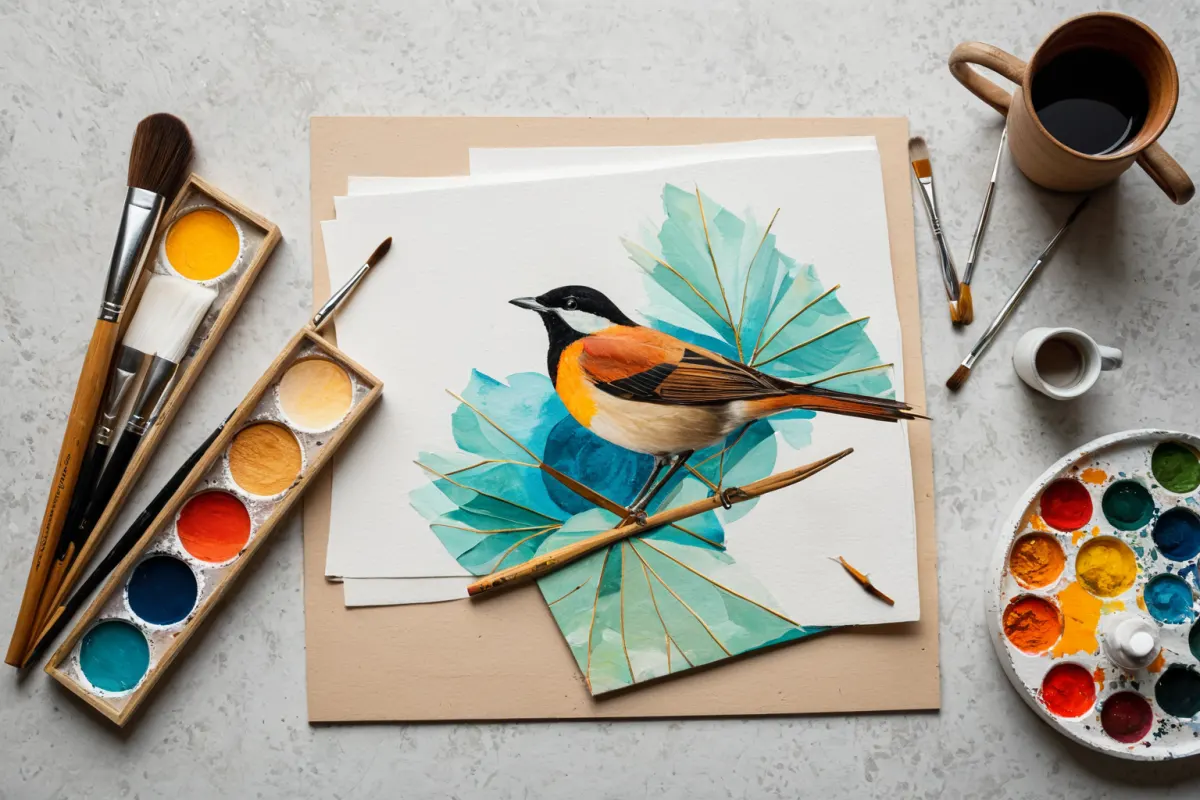
Even with the same brushes or paints, fit varies per user, so it's better to choose easier-to-handle products over premium ones at first. Check if brushes hold a point, paint isn't too watery, and paper doesn't bleed easily to avoid trial-and-error.
Especially for paper, which greatly affects the Minhwa aesthetic: Too thin causes bleeding, while too rough makes clean lines difficult. Beginners should stick with one type of paper for consistency.
Online sets often include unnecessary items, so a basic small set is usually more practical than bulkier options for beginners.
Easy Minhwa Practice Examples for Home
To start Minhwa at home, create a small workspace on your dining table or desk. You don't need an expensive studio—just lay down mats or newspapers to protect surfaces from paint spills.
For example, practicing short repetitive exercises like drawing 10 petals, 10 leaves, or 10 cloud lines can quickly build muscle memory. The next day, apply one of these elements to a small design for seamless connection.
Focus on practice separately from finished pieces: Use disposable practice sheets for experimentation and select the best lines for your final work. This separation makes it easier to sustain the hobby long-term.
Maintaining Your Minhwa Hobby Long-Term
Sustaining Minhwa is more important than starting—focus on mastering a few tools (like brushes and paints you use often) and supplement only what's needed. After using brushes, rinse them immediately to prevent bristles from fraying, and organize paint containers so colors don't mix accidentally.
Even just 20 minutes daily is enough for beginners. Regular short sessions help stabilize lines and improve color selection skills over time. As with Park Seo-jin's Minhwa hobby, consistency makes the biggest difference in long-term enjoyment.
Frequently Asked Questions
Q1. Do I need specialized Minhwa paint to start?
You don't have to use Minhwa-specific paint right away. Beginners can start with basic paints and switch later as they get comfortable.
Q2. Can I try Minhwa even if I'm not good at drawing?
Absolutely. Minhwa focuses on copying forms and dividing colors rather than complex creativity, so beginners can follow templates easily.
Q3. What's a reasonable budget for beginner supplies?
It varies by choice but basic tools won't be expensive. Start with small sets and add items as needed to avoid unnecessary costs.
If you're inspired by Park Seo-jin's Minhwa hobby, start not by hunting for expensive materials but by choosing a simple design and trying it out. For the most up-to-date material recommendations and pricing, check at purchase time.
Check out more articles on similar topics.
View Category ArticlesFAQ
Do I need specialized Minhwa paint to start?
You don't have to use Minhwa-specific paint right away. Beginners can start with basic paints and switch later as they get comfortable.
Can I try Minhwa even if I'm not good at drawing?
Absolutely. Minhwa focuses on copying forms and dividing colors rather than complex creativity, so beginners can follow templates easily.
What's a reasonable budget for beginner supplies?
It varies by choice but basic tools won't be expensive. Start with small sets and add items as needed to avoid unnecessary costs.
Korean Source
This article is an English localization of a Korean-language report from BlogScore. Original: 박서진 민화 취미, 처음 시작할 때 준비물은?