
Park Mi-hee, the Kimchi Master: Revealing Traditional Kimchi-Making Secrets
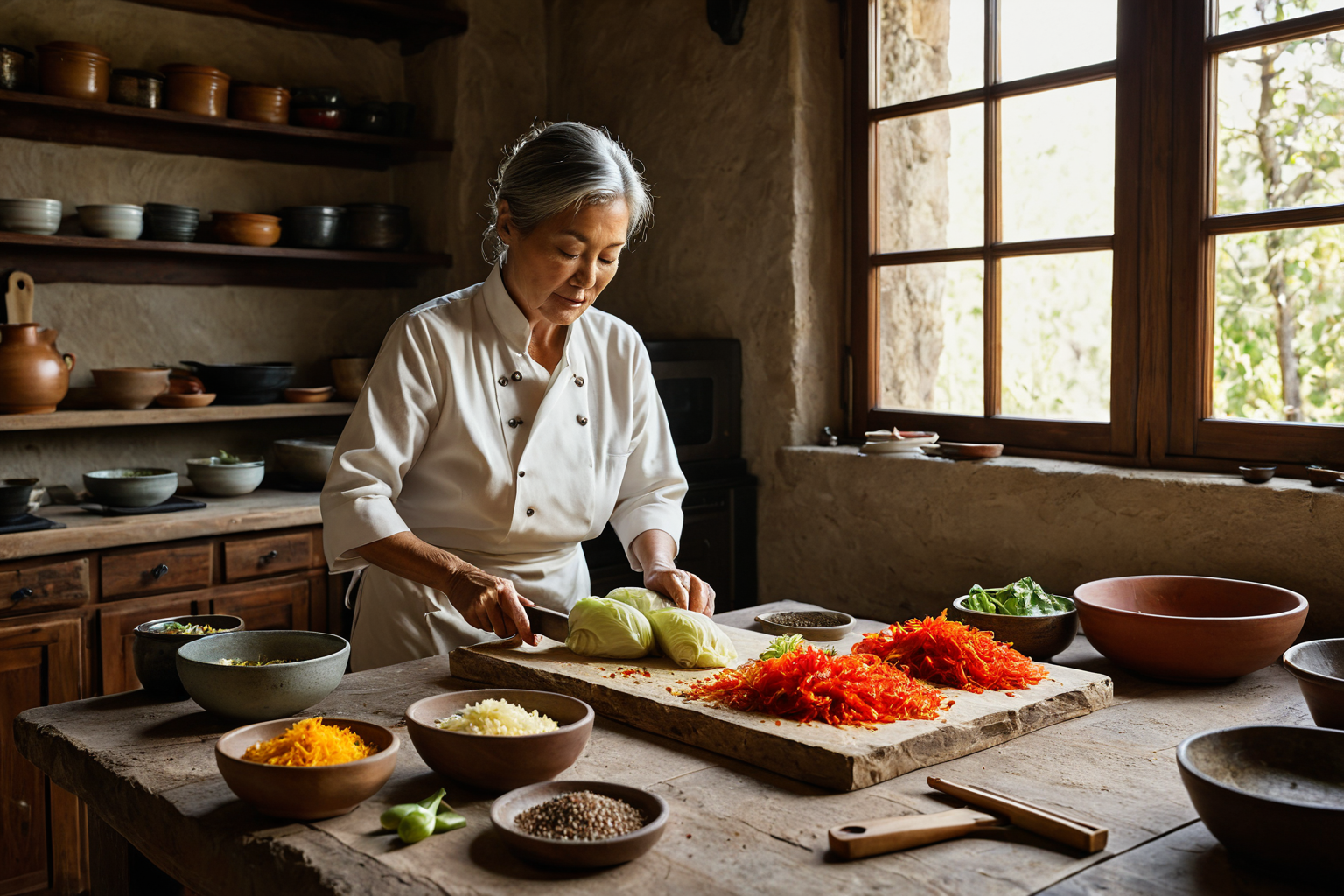
Park Mi-hee, the Kimchi Master: Traditional Secrets Revealed
Park Mi-hee began her career as a domestic worker in the household of the late Kim Woo-jung, former chairman of Daewoo Group. At 16, she moved from Jeju to Seoul and learned traditional kimchi-making techniques while working for the wealthy family. After 20 years of entrepreneurship, she grew her company, Domisol Food, into a business with annual sales of 5 billion won. She overcame a crisis during HACCP mandatory certification by borrowing money—repaying 8 billion won in interest alone—and successfully navigated 10 asset seizures to expand her business. Park also contributed to popularizing traditional kimchi recipes on the TV show 'Alto Ran,' including her signature 'Hwangtae Kimchi.'
Background and Journey of Park Mi-hee, the Kimchi Master
Park Mi-hee worked as a domestic helper in the household of former Daewoo Group chairman Kim Woo-jung at age 16. There, she learned various kimchi recipes and techniques from a high-society setting, including traditional 'Hwangtae Kimchi,' which involves specific regional methods. Over time, she developed a deep understanding of kimchi-making through hands-on experience.
After 20 years in business, Park expanded Domisol Food to an annual revenue of 5 billion won, focusing on modernizing and popularizing traditional kimchi. Her mission was not just business success but preserving and advancing kimchi-making techniques to promote Korean food culture globally.
Navigating HACCP Crisis and Business Expansion
In the early 2010s, many small businesses struggled with mandatory HACCP certification. Park Mi-hee overcame this by borrowing money to pay 8 billion won in interest alone, successfully avoiding 10 asset seizures. She believed that maintaining traditional kimchi-making methods while meeting modern safety standards was essential.
As a result, Domisol Food earned HACCP certification in 2015, proving its safety and quality. This achievement was seen as a successful blend of traditional kimchi production and contemporary hygiene practices.
'Alto Ran' Show: The Hwangtae Kimchi Recipe
In May 2024, Park Mi-hee revealed her 'Hwangtae Kimchi' recipe on the TV show 'Alto Ran.' This recipe combined traditional kimchi-making techniques with modern cooking methods, gaining widespread popularity. Using dried yellow croaker (Hwangtae), the special fermentation process enhanced both flavor and texture.
Park described Hwangtae Kimchi as more than just a recipe—it was a cultural bridge between tradition and modernity. Following the show, the recipe became widely shared online, with many people trying it at home.
Domisol Food's Management Philosophy
Park Mi-hee emphasized traditional kimchi-making techniques and philosophy at Domisol Food. She viewed kimchi not just as food but as a cultural heritage connecting families and communities, shaping the company’s core values. Under her belief that 'kimchi is an art of fermentation,' she maintained traditional methods in every step from ingredient selection to fermentation.
Her unique approach to employee welfare—providing company cars and gold bars—became a new model for corporate culture, contributing to 12 billion won in two months. Park believed that happy employees lead to satisfied customers, prioritizing workplace environment and well-being.
Kimchi Philosophy Highlighted in Korean Farmers' Newspaper (2025)
In December 2025, the Korean Farmers' Newspaper featured Park Mi-hee's kimchi philosophy. She reiterated that 'kimchi is not just food but a cultural heritage connecting families and communities,' guiding the company’s direction.
The newspaper highlighted how Park reinterpreted traditional kimchi-making for modern times, contributing to both business success and preserving Korean culinary culture.
Popularization and Growing Recognition
Park Mi-hee's Hwangtae Kimchi recipe on 'Alto Ran' brought her national recognition. This not only popularized kimchi-making techniques but also created new markets through modern interpretations of traditional cuisine.
After the show, Park continued engaging with the public via social media, sharing kimchi tips and cultural insights to introduce more people to Korean traditional food culture.
The Kimchi Master's Management Style and Employee Welfare
Park Mi-hee prioritized employee welfare at Domisol Food by offering company cars and gold bars—a unique approach that differentiated her from other businesses. This strategy boosted morale and productivity, becoming a new model in the industry.
Providing gold bars was not just a reward but a way to foster a culture where employees felt part of the company’s growth. This method proved effective for talent retention and attracted attention across industries as an innovative management style.
Park Mi-hee's Traditional Kimchi-Making Secrets
At the heart of Park Mi-hee's Hwangtae Kimchi recipe is the use of 'Hwangtae' (dried yellow croaker), enhancing flavor and texture through a special fermentation process. She emphasized that freshness of ingredients and fermentation time were crucial to capturing traditional kimchi’s authentic taste.
The use of dried yellow croaker in fermentation was seen as an innovative blend of traditional methods with modern cooking techniques, elevating the unique taste of kimchi.
Key Points for Readers
Park Mi-hee is a former domestic worker in the household of late Daewoo Group chairman Kim Woo-jung. At 16, she moved from Jeju to Seoul and learned kimchi-making techniques before building Domisol Food into a 5 billion won annual sales business after 20 years. She overcame an HACCP-related crisis by repaying 8 billion won in interest alone through borrowing, successfully avoiding 10 asset seizures. Her 'Alto Ran' appearance popularized her signature Hwangtae Kimchi recipe.
Her approach to blending traditional kimchi-making with modern safety standards and innovative employee welfare policies has been widely recognized, making her a key figure in preserving Korean food culture while driving business success.
Frequently Asked Questions
What is Park Mi-hee's annual sales volume?
Domisol Food reached an annual revenue of 5 billion won after 20 years of operation.
How did Park Mi-hee overcome the crisis during HACCP implementation?
She borrowed money to pay 8 billion won in interest alone, successfully avoiding 10 asset seizures while expanding her business.
What kimchi recipe did Park Mi-hee reveal on 'Alto Ran'?
She shared the Hwangtae Kimchi recipe, contributing to its popularization and modern interpretation of traditional kimchi-making techniques.
Find more articles on similar topics in one place.
View Related ArticlesFAQ
What is Park Mi-hee's annual sales volume?
Domisol Food reached an annual revenue of 5 billion won after 20 years of operation.
How did Park Mi-hee overcome the crisis during HACCP implementation?
She borrowed money to pay 8 billion won in interest alone, successfully avoiding 10 asset seizures while expanding her business.
What kimchi recipe did Park Mi-hee reveal on 'Alto Ran'?
She shared the Hwangtae Kimchi recipe, contributing to its popularization and modern interpretation of traditional kimchi-making techniques.
Korean Source
This article is an English localization of a Korean-language report from BlogScore. Original: 박미희 김치 명장의 전통 김치 만들기 비법 공개