
Park Kyung-hye's Rent Crisis Highlights Need for Housing Policy Reform
The Truth Behind Park Kyung-hye's Rent Crisis
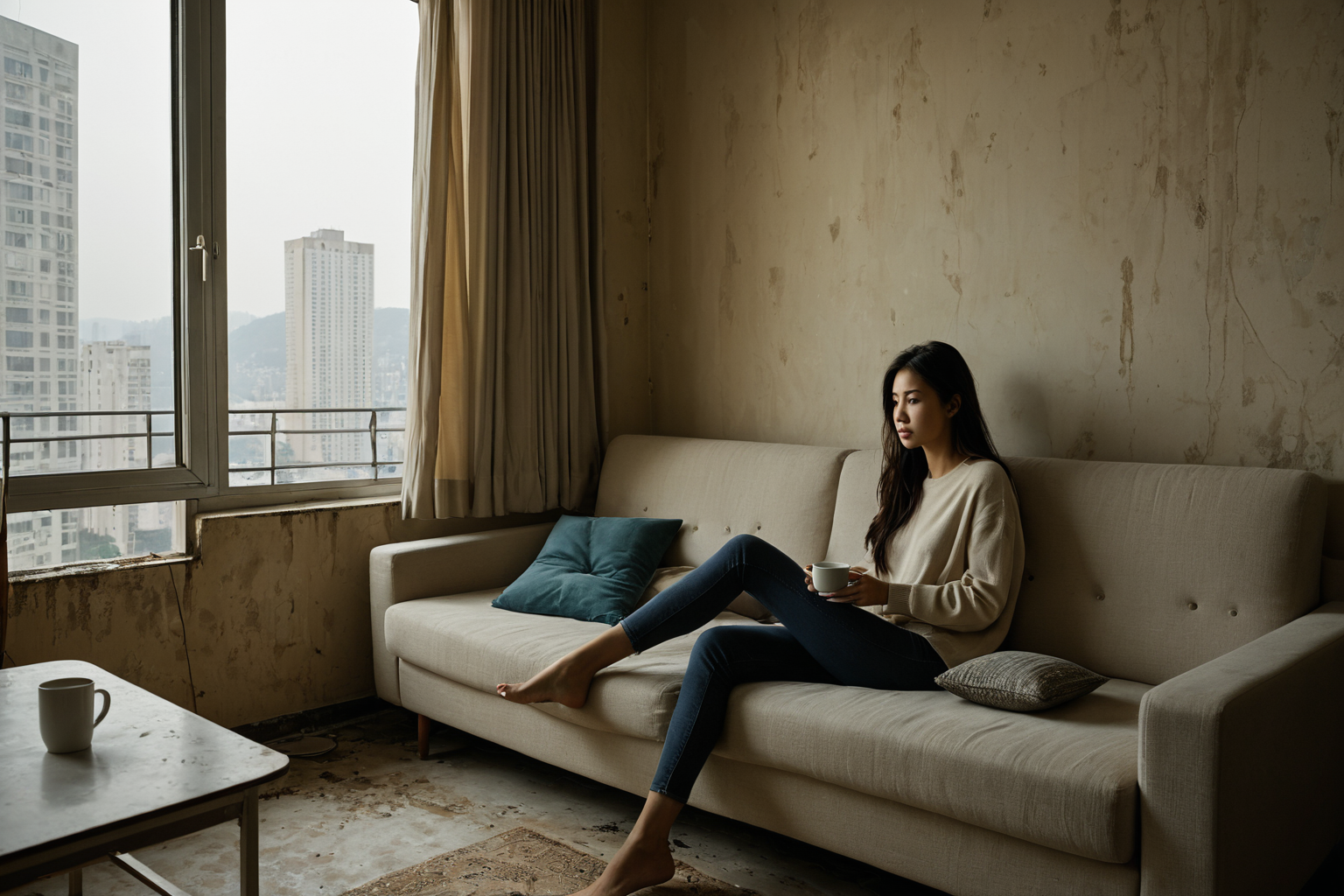
Actress Park Kyung-hye recently shared her living situation in a Gangnam 6-pyong studio apartment, paying 590,000 won monthly rent for a space plagued with mold and rust. Despite purchasing a sofa using advertising income from the show "My Solo Land" (나혼산), she still struggles with unstable fixed income and works part-time at a cafe to make ends meet. Unable to find available housing due to the severe shortage of rental properties, she chose an affordable option in Gangnam but now faces poor living conditions.
Park Kyung-hye's Living Conditions and Reality
During a March 18, 2026 episode of "My Solo Land," Park revealed her cramped studio apartment with moldy walls and high rent. Describing it as a "mold hellhole," she highlighted structural issues in the youth housing market where rental shortages and excessive monthly costs are simultaneously occurring.
After filming for "My Solo Land," Park received advertising income that allowed her to buy a sofa for 57,000 won. However, this was only temporary as she continues to lack stable income despite being a veteran actress with 15 years of experience. Working part-time at a cafe, she exemplifies the economic instability faced by many young people in South Korea.
Background: Structural Issues in the Rent Market
Park Kyung-hye was reported to have moved into a moldy studio apartment on February 12, 2026. She later discussed her living conditions during the "My Solo Land" broadcast, revealing she paid 590,000 won monthly rent for a 6-pyong space in Gangnam. She admitted she didn't thoroughly check the place before moving in and offered advice to prospective renters. After her lease expires, she plans to move again, continuing to cook with convenience store ingredients.
On April 23, 2026, it was reported that Park purchased a sofa using advertising income after filming "My Solo Land." This temporary financial boost did not solve her ongoing issues due to the lack of stable income. Unable to qualify for youth housing support programs, she chose an affordable studio in Gangnam but now experiences significant living discomfort.
Root Causes: Structural Limitations of the Rent Market
Park's case reflects structural problems within South Korea's rent market. "Jeonse" (a type of deposit-based housing) and "wolse" (monthly rent) are often combined in a hybrid system called "jeonse-wolse." However, rising demand for jeonse has led to shortages in available properties, pushing more people toward wolse.
In Gangnam, where housing demand is high, there's a severe shortage of jeonse properties. Despite this, young renters struggle to find affordable options, as reported by media that noted they couldn't locate 590,000 won apartments for 50 million won in Gangnam. This highlights how structural issues in the rent market are exacerbating youth housing instability.
Youth housing support programs have limited eligibility criteria and conditions. Park may not qualify for these programs due to specific restrictions on who can apply, leaving many young people struggling with both housing costs and insufficient income.
Response & Safety Information: Directions for Housing Policy Improvement
Park's situation underscores the urgent need for reform in youth housing policies. To address structural issues in the jeonse-wolse market, solutions include increasing jeonse supply, expanding youth housing support programs, and strengthening rent regulations.
Support programs should be revised to allow more young people to benefit by easing income requirements and expanding eligible areas to include high-demand regions like Gangnam.
Rent regulation policies also need reinforcement. Measures such as implementing rent caps or offering special assistance for young renters could help alleviate excessive monthly costs in the jeonse-wolse market.
Additional Information: The Widespread Nature of Housing Issues
Park's case is not an isolated incident but reflects a nationwide housing crisis. Recent reports indicate worsening housing instability among young people in South Korea's jeonse-wolse market, turning it into a significant social issue.
Especially in Gangnam, where demand for housing is high and jeonse properties are scarce, young renters find it increasingly difficult to secure affordable studio apartments. The media report that many cannot find 590,000 won apartments priced at 50 million won in Gangnam, illustrating the severity of this problem.
Park plans to move after her lease expires and continues cooking with convenience store ingredients—a symbol of economic hardship faced by young South Koreans. Addressing these issues requires active housing policy improvements from both national and local governments.
Frequently Asked Questions
Why is Park Kyung-hye considering moving due to mold problems in her Gangnam studio apartment?
Park Kyung-hye cited the severe shortage of available housing due to the rent crisis, making it difficult to move. She also mentioned living conditions worsened by mold and rust on walls at a monthly rent of 590,000 won. Unable to qualify for youth housing support programs, she chose an affordable option in Gangnam but now faces significant discomfort.
What is Park Kyung-hye's financial situation like?
Park Kyung-hye has been a veteran actress for 15 years but lacks stable income, working part-time at a cafe. After filming "My Solo Land," she received temporary advertising income that allowed her to buy a sofa, but this did not solve ongoing economic challenges.
What are the main issues in the jeonse-wolse market?
The structural problems of the jeonse-wolse market include shortages of jeonse properties leading more people to pay monthly rent, increasing housing costs for young renters. Additionally, youth housing support programs have limited eligibility and conditions, leaving many unable to benefit from them.
Frequently Asked Questions
Park Kyung-hye's case reflects structural issues in South Korea's jeonse-wolse market and highlights the need for policy reform. Solutions include increasing jeonse supply, expanding youth housing support programs, and strengthening rent regulations. These policies could alleviate housing instability and economic hardship among young people.
Park plans to move after her lease expires while continuing to cook with convenience store ingredients—a symbol of ongoing financial struggles faced by many young South Koreans. Immediate policy improvements from government and local authorities are urgently needed to address this growing issue.
Explore more articles on similar topics in one place.
View Related ArticlesFAQ
Why is Park Kyung-hye considering moving due to mold problems in her Gangnam studio apartment?
Park Kyung-hye cited the severe shortage of available housing due to the rent crisis, making it difficult to move. She also mentioned living conditions worsened by mold and rust on walls at a monthly rent of 590,000 won. Unable to qualify for youth housing support programs, she chose an affordable option in Gangnam but now faces significant discomfort.
What is Park Kyung-hye's financial situation like?
Park Kyung-hye has been a veteran actress for 15 years but lacks stable income, working part-time at a cafe. After filming "My Solo Land," she received temporary advertising income that allowed her to buy a sofa, but this did not solve ongoing economic challenges.
What are the main issues in the jeonse-wolse market?
The structural problems of the jeonse-wolse market include shortages of jeonse properties leading more people to pay monthly rent, increasing housing costs for young renters. Additionally, youth housing support programs have limited eligibility and conditions, leaving many unable to benefit from them.
Korean Source
This article is an English localization of a Korean-language report from BlogScore. Original: 박경혜 전월세난, 주거 정책 변화의 필요성