
Overturned Court Ruling in Gwacheon City's Dispute with Shincheonji Over Mall Floor Religious Use
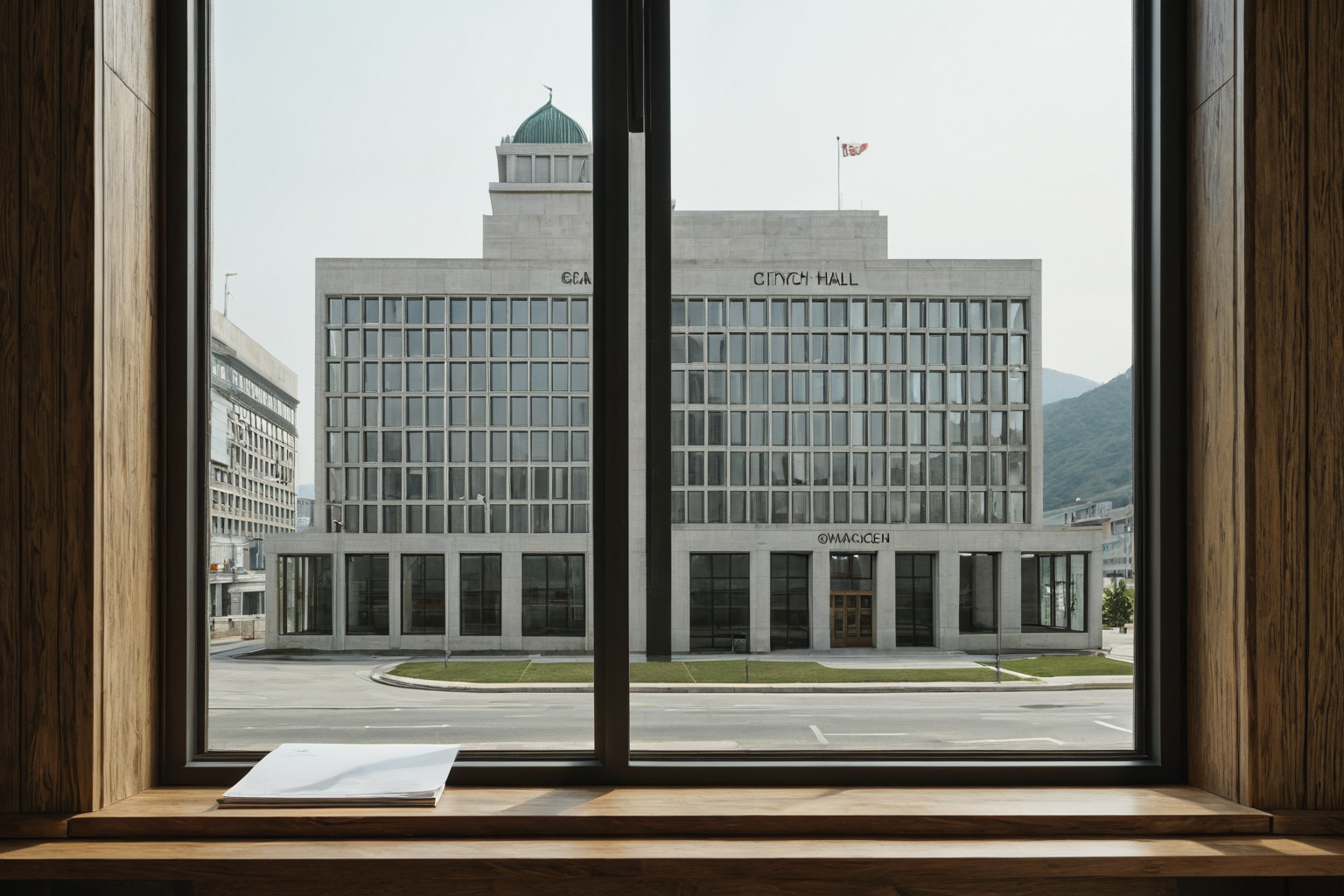
Gwacheon City Wins Appeal in Shincheonji Zoning Dispute
The city of Gwacheon has won an appeal against the Shincheonji Church of Jesus for using the ninth floor of a Lotte Mart as a religious facility without proper zoning changes. While the first trial ruled in favor of Shincheonji, the appellate court upheld Gwacheon City's rejection of the zoning change as legally justified.
On May 7, 2025, the first trial court ruled that Gwacheon City's refusal to allow a religious facility zoning change was unlawful and granted victory to Shincheonji. However, on August 12, 2026, the appellate court ruled in favor of Gwacheon City, recognizing the legitimacy of its administrative action based on public safety and community welfare.
Gwacheon City determined that Shincheonji's use of a purchased property as a religious facility without obtaining proper zoning changes was illegal, leading to the city's administrative decision to reject such use. This case centered around the 'Lotte Mart ninth floor religious facility,' becoming an example where administrative actions based on public safety and community welfare were upheld.
Parent Groups and Citizen Participation
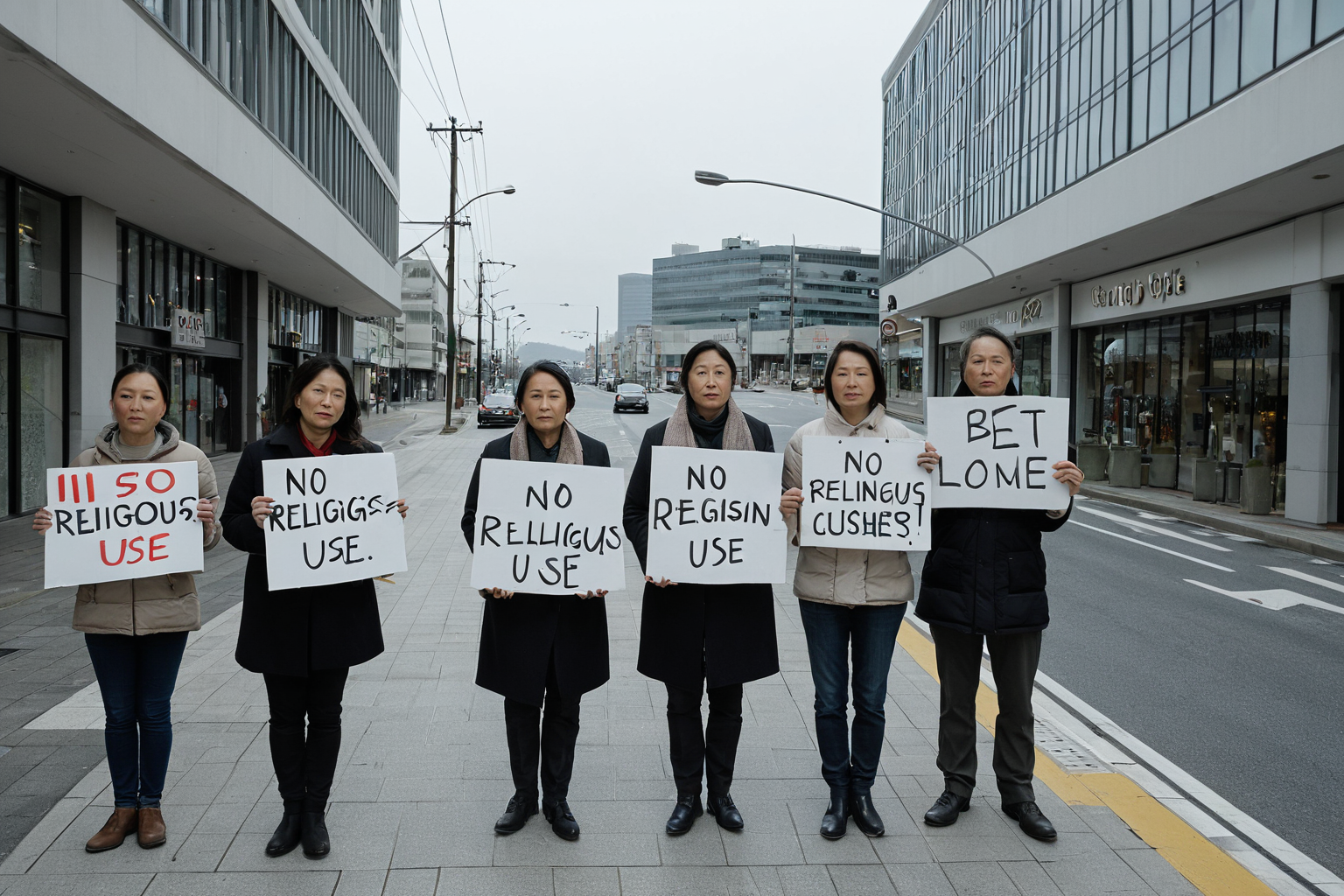
Citizen groups in Gwacheon, including parent organizations, submitted petitions against Shincheonji to the court, demonstrating community solidarity. On June 27, 2025, Gwacheon parents collected signatures opposing the zoning change and submitted them to the court.
Mayor Shin Kyu-yong described the appellate victory as a result of prioritizing 'citizen safety and public welfare.' This case is seen as an example where active citizen participation influenced the legal outcome.
Comparison with Goyang City's Ruling
In a similar dispute between Gwacheon City and Shincheonji, Shincheonji won the first trial but faced differing outcomes in Goyang City. The Supreme Court ruled on Goyang City's case with a 'dismissal due to failure to proceed with litigation,' resulting in a final victory for Shincheonji. This led to debate over regional legal differences, as Gwacheon's appellate court ruling favored the city, contrasting with Goyang's outcome.
On December 12, 2025, the Supreme Court ruled on Shincheonji's zoning dispute in Goyang City with a 'dismissal due to failure to proceed with litigation,' finalizing Shincheonji's victory. This was also confirmed as a loss for Shincheonji in civil lawsuits, highlighting contrasting outcomes between Gwacheon and Goyang.
Administrative Lawsuit Timeline
Gwacheon City filed a lawsuit against Shincheonji on June 2, 2025, refusing to allow the building's zoning change. However, it lost at first trial. Shincheonji continued using the ninth floor as a religious facility, arguing that Gwacheon's administrative action based on public safety was justified.
On August 13, 2025, news of Shincheonji's victory in the first trial emerged, prompting citizen groups to submit petitions against the zoning change. This demonstrated community solidarity and likely influenced the legal outcome.
On March 18, 2026, a second phase of Gwacheon City's administrative lawsuit with Shincheonji was held, continuing disputes over unauthorized religious use without zoning changes. On August 12, 2026, the appellate court ruled in favor of Gwacheon City, and it appears that Shincheonji's civil case also ended in a confirmed loss.
Reason for Zoning Change Rejection
Gwacheon City determined that Shincheonji's use of purchased property as a religious facility without proper zoning changes was illegal. Building zoning changes must be approved by the relevant authority, and unauthorized modifications are subject to legal penalties.
The city prioritized public safety and community welfare in its administrative decision, which was recognized by the appellate court on August 12, 2026. This ruling suggests that Shincheonji may face legal responsibility for using a religious facility without proper zoning changes.
Supreme Court Ruling
On December 12, 2025, the Supreme Court ruled on Shincheonji's zoning dispute in Goyang City with a 'dismissal due to failure to proceed with litigation,' resulting in final victory for Shincheonji. This was also confirmed as a loss for Shincheonji in civil lawsuits, creating contrasting outcomes between Gwacheon and Goyang.
Gwacheon's appellate victory reflects potential regional differences in legal rulings, contrasting with Shincheonji's success in other areas. This has sparked debate over the legal standards for zoning-related administrative lawsuits.
Key Information to Verify
The Gwacheon City vs. Shincheonji administrative lawsuit saw Shincheonji win at first trial but lose at appellate level. The case centered around the 'Lotte Mart ninth floor religious facility,' where Gwacheon's administrative action based on public safety and community welfare was upheld.
Active participation from citizen groups, including parent organizations, influenced the legal outcome, while comparisons with Goyang City's Supreme Court ruling highlighted regional differences. Shincheonji's civil case also ended in a confirmed loss.
Frequently Asked Questions
How did the first trial and appellate court rulings differ in Gwacheon City vs. Shincheonji?
The first trial ruled in favor of Shincheonji, but the appellate court ruled in favor of Gwacheon City. This was because Gwacheon's refusal to allow zoning changes was deemed legally justified.
How did citizen groups influence the lawsuit outcome?
Parent organizations submitted petitions against Shincheonji to the court, demonstrating community solidarity. This was seen as a factor that influenced the legal outcome.
How do Gwacheon and Goyang City rulings differ?
In Goyang City, the Supreme Court ruled with 'dismissal due to failure to proceed with litigation,' resulting in Shincheonji's victory. In contrast, Gwacheon's appellate court ruled in favor of the city, creating a regional discrepancy that has sparked debate.
Frequently Asked Questions
Gwacheon City's appellate victory is an example where administrative actions based on public safety and community welfare were upheld. The ruling reflects legal judgment regarding Shincheonji's use of property as a religious facility without proper zoning changes, with active citizen participation from groups like parent organizations influencing the outcome.
Comparisons with Goyang City's Supreme Court ruling have highlighted regional differences in legal outcomes, but Gwacheon won at appellate level, contrasting with other regions. Shincheonji's civil case has also been confirmed as a loss, suggesting ongoing debate over legal standards for zoning-related administrative lawsuits.
You can view similar articles on this topic in one place.
View Related ArticlesFAQ
How did the first trial and appellate court rulings differ in Gwacheon City vs. Shincheonji?
The first trial ruled in favor of Shincheonji, but the appellate court ruled in favor of Gwacheon City. This was because Gwacheon's refusal to allow zoning changes was deemed legally justified.
How did citizen groups influence the lawsuit outcome?
Parent organizations submitted petitions against Shincheonji to the court, demonstrating community solidarity. This was seen as a factor that influenced the legal outcome.
How do Gwacheon and Goyang City rulings differ?
In Goyang City, the Supreme Court ruled with 'dismissal due to failure to proceed with litigation,' resulting in Shincheonji's victory. In contrast, Gwacheon's appellate court ruled in favor of the city, creating a regional discrepancy that has sparked debate.
Korean Source
This article is an English localization of a Korean-language report from BlogScore. Original: 과천시 신천지 소송 승소 결정의 법적 근거와 절차