
Office Worker Heatwave Survival Guide: Customized Tips by Work Hours
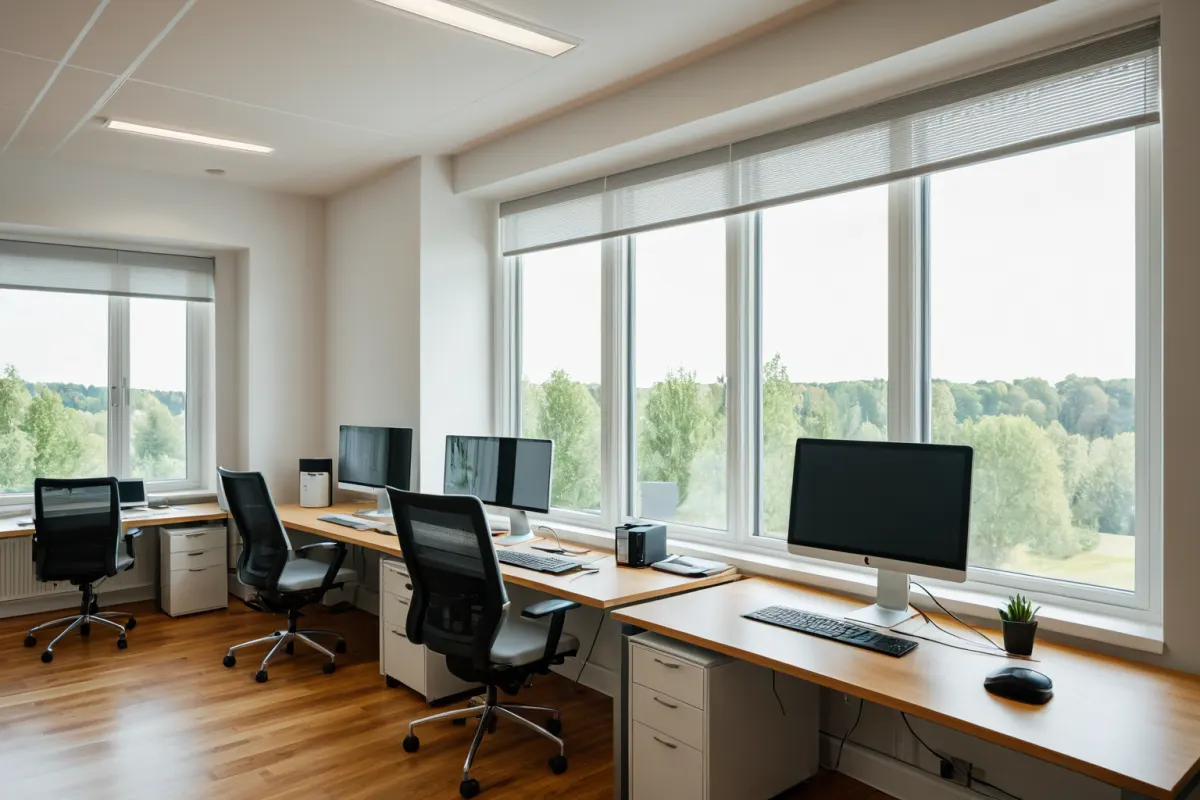
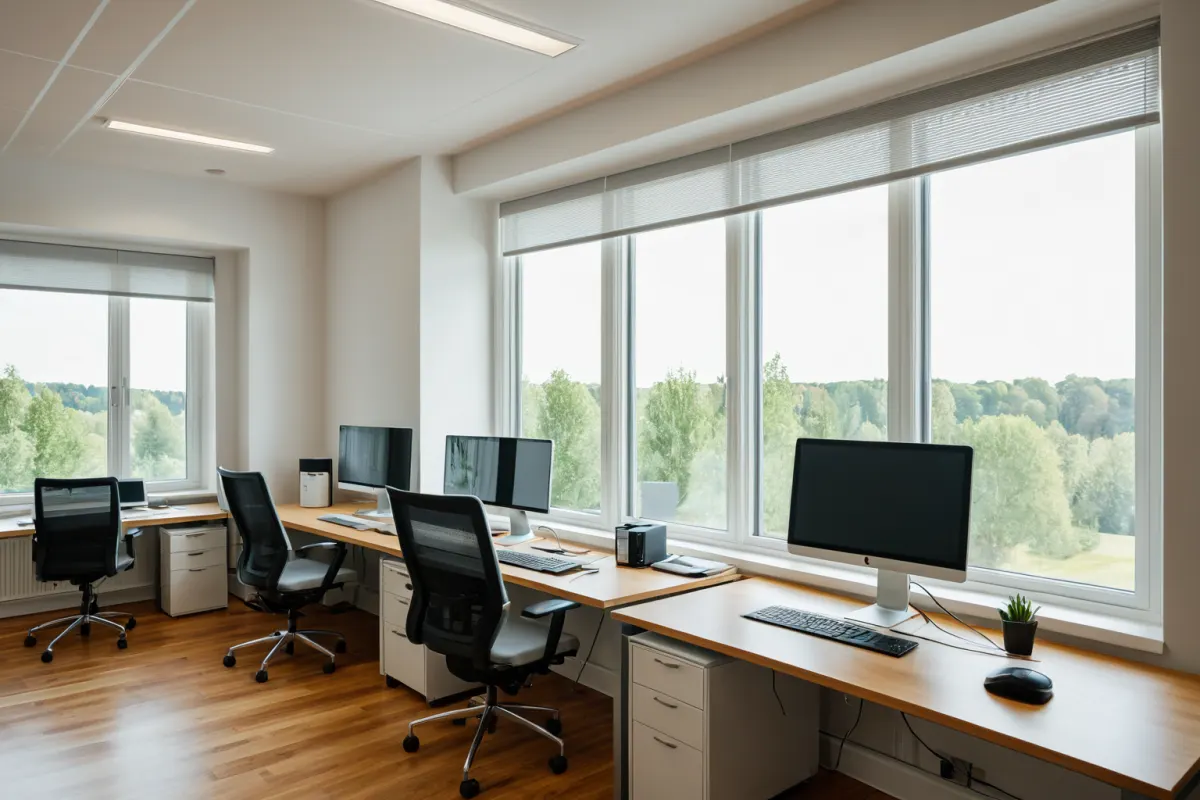
Heatwave Survival: Energy-Saving and Health Management Strategies for Office Workers
Optimizing air conditioner use and managing indoor-outdoor temperature differences are key during heatwaves. Setting AC to 26°C reduces power consumption, while maintaining a difference of 6-7 degrees between indoor and outdoor temperatures lowers perceived temperature, aiding health management.
To save energy, using computer sleep mode and distributing work hours effectively is recommended. Directly measuring AC power usage enables efficient management, with methods available to save up to 10% of cooling electricity consumption.
The government has strengthened the heatwave alert system and is applying strict penalties for heatstroke incidents. Daily check-ins for elderly living alone and using smart technology for heat illness prevention are also gaining attention.
Office workers' heatwave strategies should be tailored to different work hours, including tips like consuming sodium crystals and using cooling fans in daily life. Additional measures may be needed during extreme heat with perceived temperatures above 38°C.
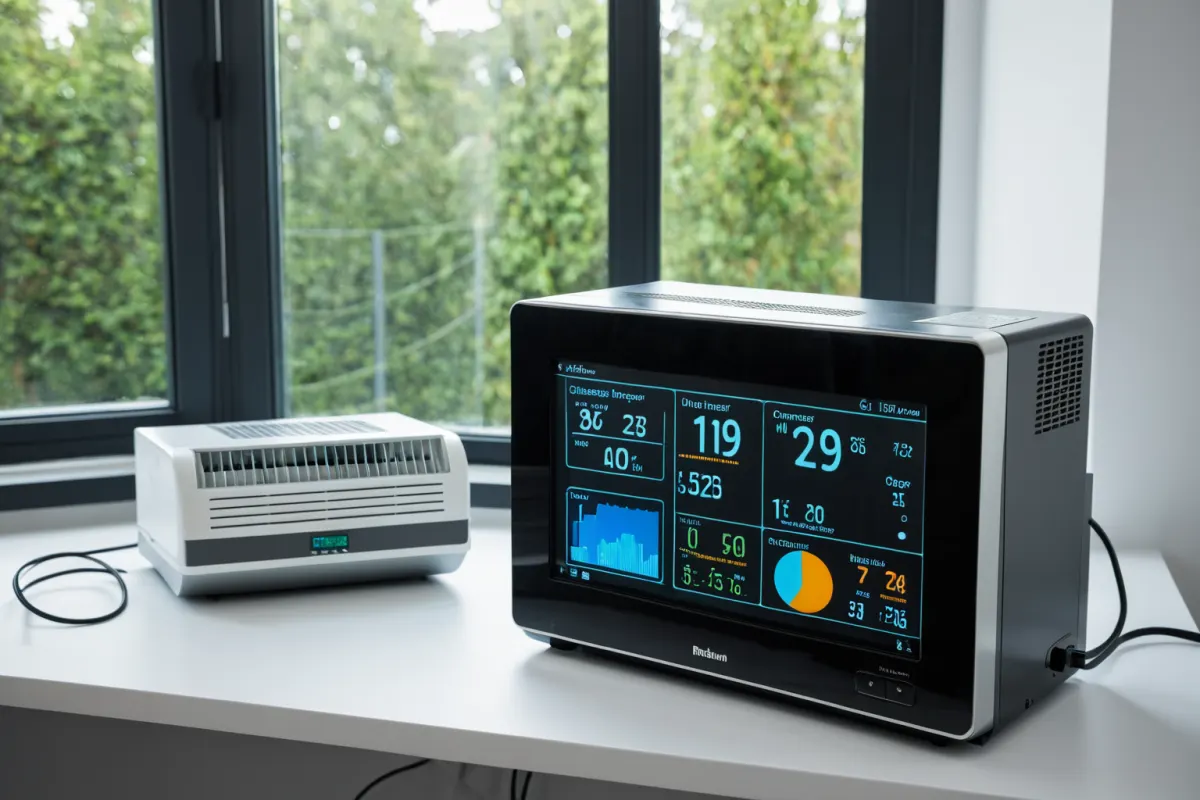
Customized Energy-Saving Tips for Office Workers
Optimizing AC use is central to heatwave management. Setting AC to 26°C reduces power consumption, while keeping indoor-outdoor temperature differences within 6-7 degrees lowers perceived temperature and supports health management.
High-efficiency dehumidifiers are recommended as an alternative to air conditioners. Singapore has revived 19th-century cooling technology for heatwave response, a case gaining attention for achieving both energy savings and environmental protection.
Using computer sleep mode and distributing work hours is practical for saving energy. Some companies adjust arrival times to avoid peak electricity demand during extreme heat.
Directly measuring AC power usage leads to efficient management. According to Donga Ilbo, real-time monitoring and adjustment of power consumption through direct measurement helps manage usage effectively.
Saving 10% on heating and cooling electricity is a helpful tip for office workers. Zatuli Economy introduces 'energy-saving honey tips' with practical advice that can be easily implemented in daily life.
Heatwave Alert System and Government Response
The government issues heatwave alerts based on perceived temperature, categorized as 'Caution' and 'Warning.' Guidelines for each level are provided. All regions except Gangwon have previously received 'Warning' or 'Caution' alerts, indicating the severity of heatwaves.
Four out of ten office workers choose to arrive on time even during extreme weather, suggesting government recommendations for working from home may not be effectively implemented. This reflects a gap in the effectiveness of response measures.
The strict penalty law applies when three or more heatstroke cases occur within a year, with corresponding measures based on heatwave risk levels. Daily check-ins for elderly living alone and the introduction of a 'Major Heatwave Alert' are also being implemented.
In industrial settings, smart technology is being used to prevent heat-related illnesses. Real-time body temperature monitoring and automatic cooling systems are being introduced to enhance worker safety.
Customized Heatwave Strategies by Work Hours
Office workers' heatwave strategies should be tailored to different work hours. In the morning, when perceived temperatures are lower, minimizing AC use is recommended. In the afternoon, as perceived temperatures rise, maintaining indoor-outdoor temperature differences becomes important.
Sodium crystals are recommended as essential intake during heatwaves. This tip, popularized by actors in traditional Korean costumes, has gained significant traction among office workers. Sodium replenishment aids in body temperature regulation and prevents dehydration.
Methods to address sleep deprivation due to 'hot nights' (heatwaves preventing restful sleep) have also been suggested. HanS Economic introduced practical tips for improving sleep during hot nights, supporting office worker health management.
During extreme heat with perceived temperatures above 38°C, additional measures are required. According to Chosun Biz, office workers are making efforts to protect their health in situations where perceived temperatures approach 38°C.
The use of cooling fans has become a new trend in indoor environment management. Stardailynews.co.kr emphasizes the importance of maintaining a comfortable indoor environment through increased use of cooling fans during heatwaves.
Balance Between Energy Saving and Health Management
Heatwave strategies should balance energy saving and health management. Optimal temperature settings and innovations in cooling technology must be implemented simultaneously, supported by practical tips from office workers.
Combining high-efficiency dehumidifiers with air conditioners reduces power consumption while controlling indoor humidity to lower perceived temperature. Singapore's revival of 19th-century cooling technology is considered applicable to other countries as well.
Computer sleep mode and distributed work hours contribute to energy savings, with real-time power measurement enabling improved usage patterns. The 'energy-saving honey tips' introduced by Zatuli Economy have received significant positive feedback from office workers.
Saving 10% on heating and cooling electricity involves simple yet effective methods like maintaining indoor-outdoor temperature differences and optimizing AC settings, making them easy to implement in daily life.
Key Information to Verify
What exactly is the scope of the government's heatwave alert system and strict penalty law? Which regions have previously received 'Warning' or 'Caution' alerts?
Why do four out of ten office workers choose to arrive on time during heatwaves, and what specific measures could improve this situation?
What are the main devices and technologies used in industrial settings for preventing heat-related illnesses through smart technology? Are there real-world examples of implementation?
Frequently Asked Questions
Q1: Why set air conditioners to 26°C during heatwaves?
Setting AC to 26°C reduces power consumption, while maintaining a 6-7 degree difference between indoor and outdoor temperatures lowers perceived temperature. This represents the optimal setting for balancing health management and energy savings.
Q2: How are daily check-ins for elderly living alone conducted?
Daily check-ins for elderly living alone are linked to the newly introduced 'Major Heatwave Alert.' Local community organizations or health centers conduct these checks through in-person visits or phone calls.
Q3: Why is cooling fan usage increasing?
Cooling fans consume less power than air conditioners and help maintain a comfortable indoor environment, leading to increased adoption. They are gaining attention as innovative cooling technology in workplaces, becoming practical tips for daily heatwave management.
Frequently Asked Questions
Heatwave strategies should balance energy saving and health management. Office workers should apply customized tips by work hours while referencing the government's heatwave alert system and strict penalty law to respond safely.
Maintaining indoor-outdoor temperature differences, optimizing AC settings, and using high-efficiency dehumidifiers are simple yet effective daily life tips. Additionally, daily check-ins for elderly living alone and smart technology-based heat illness prevention demonstrate new directions in social response strategies.
During extreme heat with perceived temperatures above 38°C, additional measures are required. Office workers should monitor perceived temperature levels and adjust their responses accordingly in real-time.
Maintaining the balance between energy saving and health management is the most important strategy for office workers during heatwaves. This goes beyond simple energy savings to require a comprehensive approach that considers both social responsibility and personal health.
You can view similar articles on this topic in one place.
View Related ArticlesFAQ
Why set air conditioners to 26°C during heatwaves?
Setting AC to 26°C reduces power consumption, while maintaining a 6-7 degree difference between indoor and outdoor temperatures lowers perceived temperature. This represents the optimal setting for balancing health management and energy savings.
How are daily check-ins for elderly living alone conducted?
Daily check-ins for elderly living alone are linked to the newly introduced 'Major Heatwave Alert.' Local community organizations or health centers conduct these checks through in-person visits or phone calls.
Why is cooling fan usage increasing?
Cooling fans consume less power than air conditioners and help maintain a comfortable indoor environment, leading to increased adoption. They are gaining attention as innovative cooling technology in workplaces, becoming practical tips for daily heatwave management.
Korean Source
This article is an English localization of a Korean-language report from BlogScore. Original: 직장인 폭염 대처법: 업무 시간대별 맞춤형 실전 팁