
Office Furniture Budget Guide: Value Picks vs. Long-Term Investments
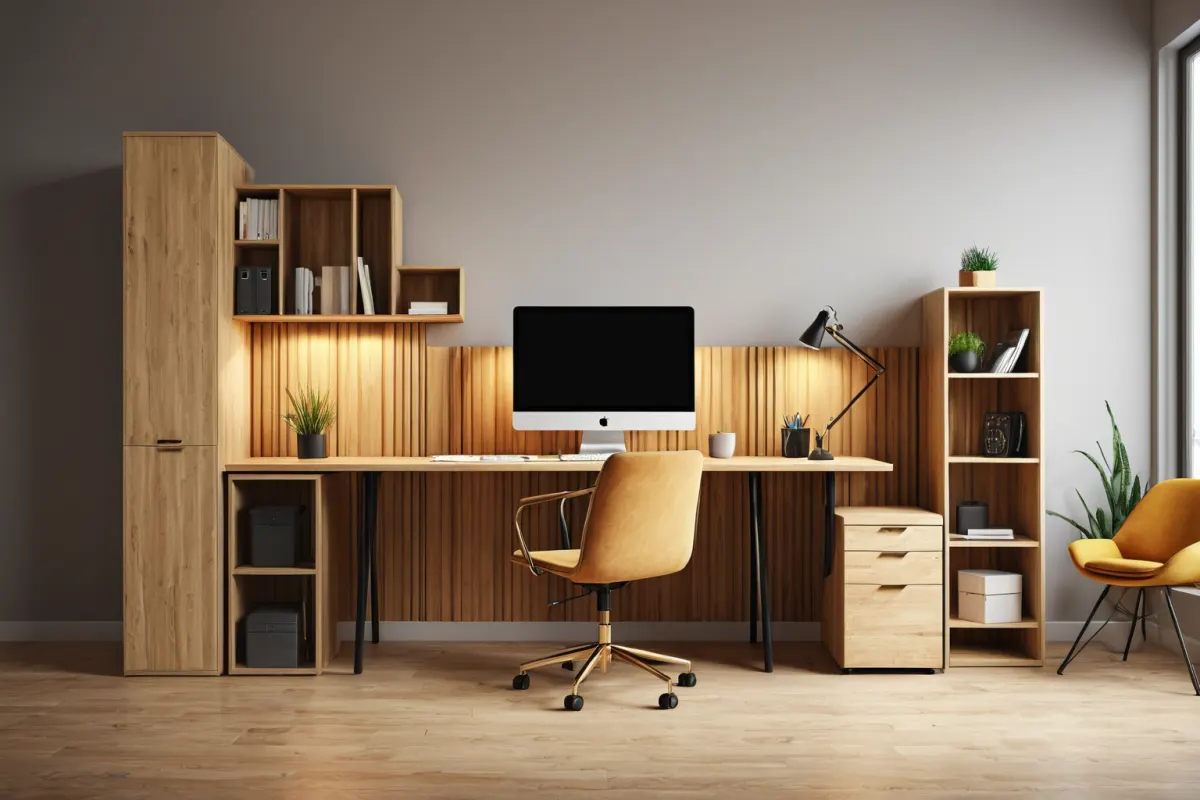
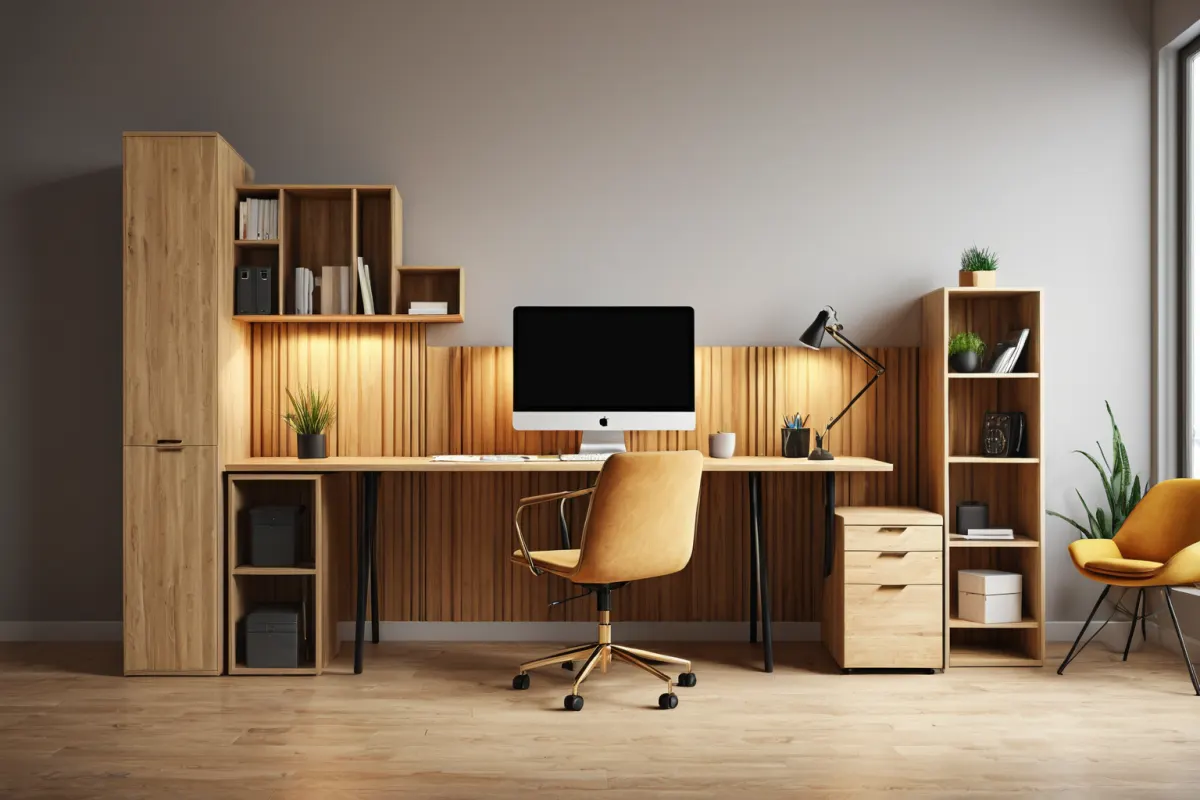
Setting a clear budget makes choosing office furniture much easier. For budgets around 500,000 won, you can create the basics of a workspace; with 1 million won, you can get comfortable setups for all-day use; and over 2 million won allows balanced configurations covering desks, chairs, storage, and meeting spaces.
The key is that satisfaction varies greatly depending on what you prioritize within your budget. Just buying cheaper items may seem affordable at first, but if one piece like a chair or desk causes discomfort, productivity drops immediately. On the other hand, there's no need to go all-in with premium options from the start.
Budget-Based Office Furniture Guidelines
When selecting furniture, consider your daily usage time. The requirements for a space used 2-3 hours a day differ greatly from those needing full-time office use. For long sitting sessions, focus on chair and desk height; in high-traffic areas, appearance and workflow matter more than storage.
Value-focused setups prioritize essential functions. For example, a solo workspace might need just one standard desk, one mesh chair, and one mobile drawer unit. In contrast, long-lasting configurations require checking desk thickness, chair durability, caster quality, and storage stability.
Divide your budget across categories to avoid over-investing in one area. Allocate 40% for desks, 30% for chairs, 20% for storage, and 10% for extras. Many people end up regretting skipping chair budgets after focusing too much on desks.
You can explore similar articles in one place.
View Related ArticlesBest Value Options for Budget-Friendly Setups
Value-focused office furniture should focus on what you need right now. Early-stage startups or small teams often find individual workstations and shared storage more useful than large meeting tables. Modular desks and basic mesh chairs offer the best value for cost-conscious buyers.
For example, with a 700,000 won budget, consider two desks, two chairs, and one compact storage unit. If client meetings are rare, sturdy metal cabinets or open shelves work better than expensive sofas. Prioritize workflow over aesthetics.
A common oversight in value setups is assembly and after-sales service. Cheap online purchases may require difficult assembly or lack durable parts, leading to extra costs later. Always check load capacity, durability, and warranty period alongside price.
Key Points for Long-Lasting Furniture Configurations
Long-lasting office furniture isn't just about expensive items. The difference in quality becomes more noticeable with daily use, so choosing stable, well-built pieces from the start is ultimately more cost-effective. Especially chairs and desks, which are used long-term, show quality differences over time.
For long-lasting setups, check desk frames for stability, tabletop thickness, and cable management features. For chairs, look for adjustable armrests, lumbar support, seat depth, and durable casters. Storage units should have properly aligned doors and high-quality hinges to avoid squeaking over time.
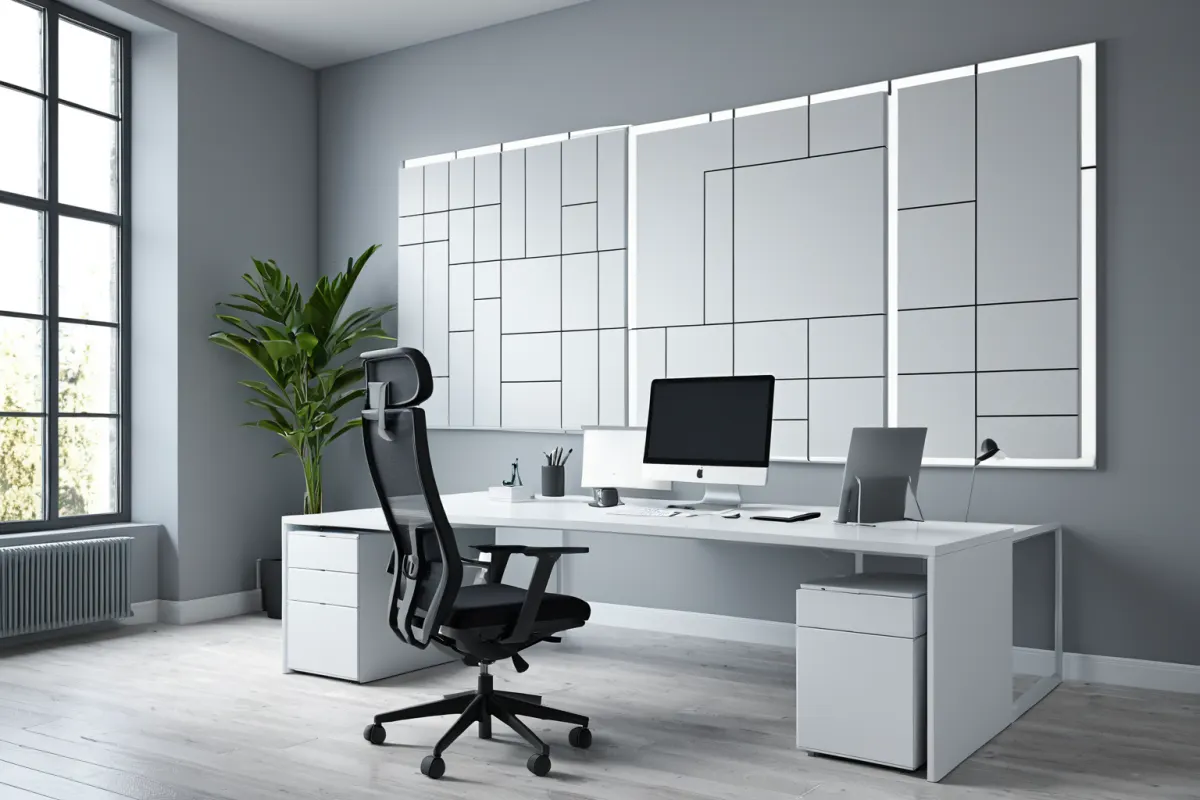
A budget around 1.5 million won typically suits a setup with one personal desk, one ergonomic chair for long use, one locked storage unit, and a simple collaborative table. This configuration may not be flashy but reduces daily stress during work hours.
Different Priorities by Office Size
Single-person offices need short movement paths; 3-5 person spaces require layouts that avoid collisions. In small areas, choosing large desks makes movement difficult and insufficient storage creates clutter quickly. Conversely, in spacious rooms with undersized furniture, the space feels empty and inefficient.
For example, a 10-pyeong (approx. 33 sqm) space benefits from L-shaped layouts or wall utilization. Desks don't need to match exactly—mix height-adjustable and standard models based on work needs. For frequent meetings, multiple small tables often provide more flexibility than one large table.
Businesses with high client interaction should prioritize waiting area aesthetics over chairs. Clean storage, tidy tables, and consistent color schemes matter more than ornate decorations for creating a professional impression.
Must-Check Items Before Buying
The first thing to check is accurate measurements. Verify door widths, elevator sizes, and available space before purchasing; otherwise, you'll face delivery issues later. Especially desks should be based on actual workflow paths rather than wall dimensions.
Next, examine materials and finishes. A smooth tabletop may still have poor edge finishing that peels quickly, and thin chair cushions cause fatigue during long use. Test drawer slides for smoothness and check if storage doors close properly.
- First define daily usage time and number of users
- Distribute budget across desks, chairs, and storage
- Check delivery, installation, and after-sales service costs
- Select items slightly smaller than measured space for safety
Color choice also matters. Light colors like white or light wood make spaces feel larger; darker tones provide stability but can feel cramped. For first-time office setups, neutral or wood tones have lower risk of failure.
What to Avoid on Tight Budgets
On tight budgets, following trends often leads to poor choices. Items that look nice but lack durability cause workflow disruptions when they break—especially chairs and storage units, where entry-level vs. mid-range differences are significant.
You also don't need to replace everything at once. Consider using refurbished desks with new chairs, or focus on fresh furniture for client-facing areas while prioritizing practicality in internal workspaces.
A common example: Keep the executive office simple with just one meeting table and two chairs, while standardizing desks and cabinets across staff areas. This approach saves budget while keeping a tidy overall impression.
Budget Allocation Examples
For an 800,000 won budget, focus on value setup: secure two desks and basic chairs first, then complete with shelves or mobile drawers. The priority is getting the workspace functional rather than having everything at once.
With a 1.5 million won budget, you can mix some long-lasting elements—elevate the chair for the person who sits longest, choose sturdy desk frames, and limit storage to essentials (add more later if needed).
For budgets over 2.5 million won, consider designing the whole space with a consistent tone. Plan distinct areas for meetings, individual work, and storage so you can easily scale as your team grows.
Common Oversights When Comparing Retailers
Office furniture stores let you test seating height and stability in person—something photos don't convey well. Online shopping offers wider selection and easier price comparisons, making it ideal for value-focused setups.
Regardless of where you buy, confirm delivery and installation terms. Large desks may require extra fees based on doorways, stairs, or elevators; some products have strict return policies. Include these factors in your final budget calculation.
Since office furniture is often used long-term, consider total cost rather than just the visible price. Prioritizing by usage frequency reduces failure risk compared to buying the cheapest items separately for each category.
FAQ
Q: What should I buy first on a tight budget?
A: Start with the chair that will be used most throughout the day. Since it affects your body directly, satisfaction differences are more noticeable than with desks.
Q: How do I distinguish between value-focused and long-lasting setups?
A: Value-focused prioritizes essential functions and price; long-lasting configurations also consider durability, comfort, and maintenance needs.
Q: What's the most common mistake when choosing office furniture?
A: Choosing based on design alone without measuring space. If workflow paths get blocked after installation, replacement costs become much higher.
Office furniture should match your current work style more than follow trends. Budgets change over time, so always verify specific pricing and product details at the point of purchase.
Continue exploring similar topics.
View Category ArticlesFAQ
What should I buy first on a tight budget?
Start with the chair that will be used most throughout the day. Since it affects your body directly, satisfaction differences are more noticeable than with desks.
How do I distinguish between value-focused and long-lasting setups?
Value-focused prioritizes essential functions and price; long-lasting configurations also consider durability, comfort, and maintenance needs.
What's the most common mistake when choosing office furniture?
Choosing based on design alone without measuring space. If workflow paths get blocked after installation, replacement costs become much higher.
Korean Source
This article is an English localization of a Korean-language report from BlogScore. Original: 사무가구 예산별 추천: 실속형 vs 오래 쓰는 구성