
Office Desk Recommendations: Optimal Layout and Dimensions for Productivity
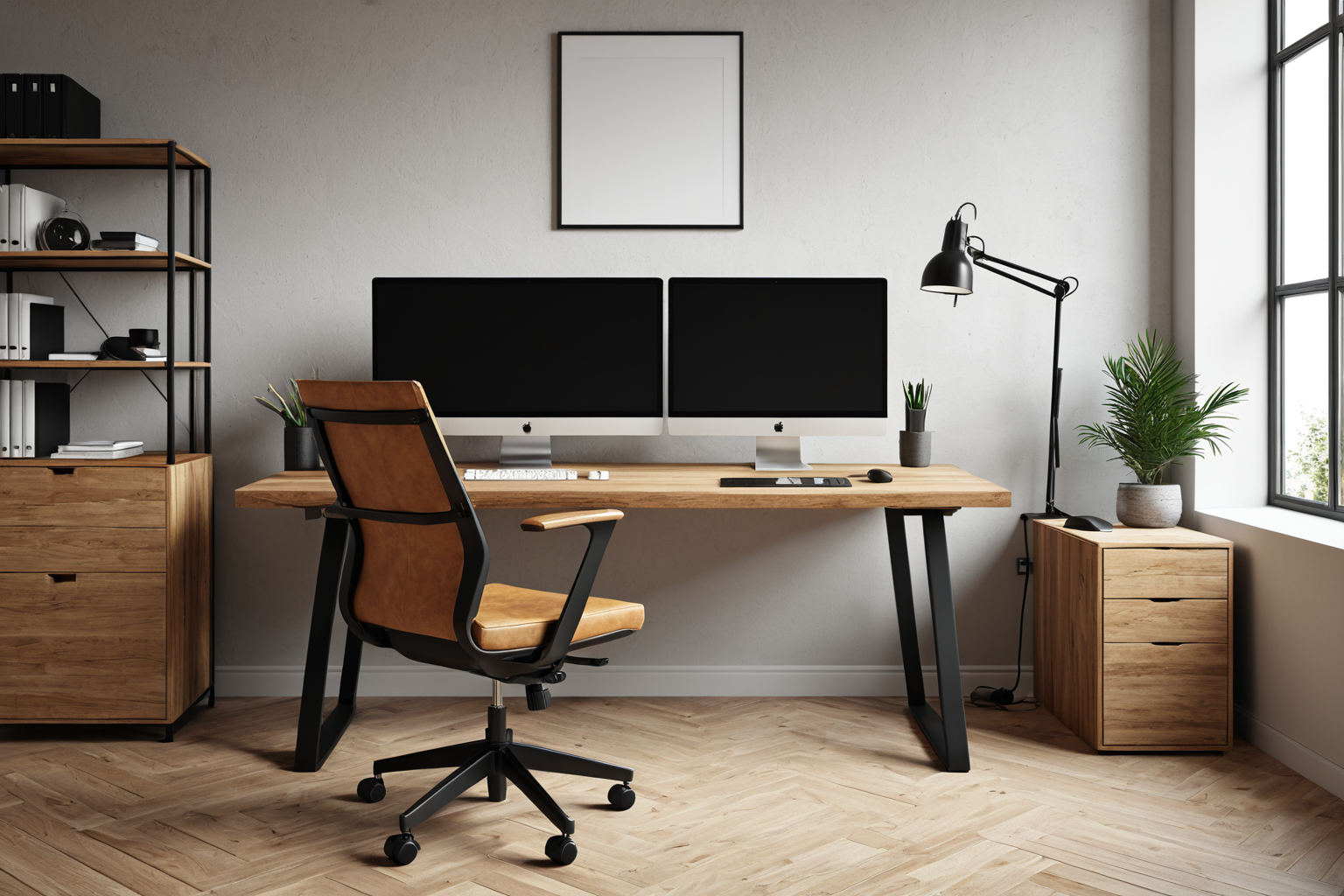
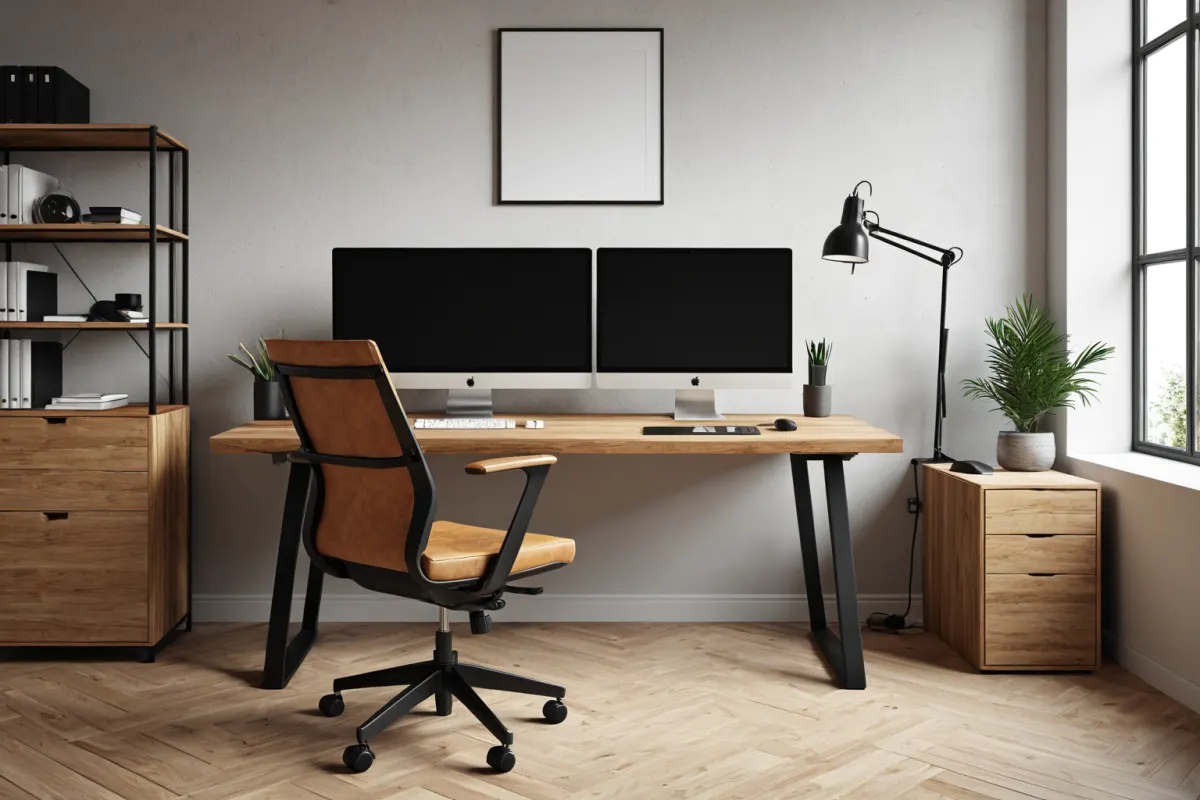
An office desk should prioritize dimensions and arrangement that prevent work from getting stuck, not just aesthetics. To put it simply, for a single person, the ideal width is between 1200–1400mm and depth around 700–800mm. If you use a monitor alongside documents, a depth of 800mm will be much more comfortable.
Simply changing your desk can improve focus, organization habits, and workflow. That’s why when searching for office desk recommendations, it’s better to first consider size, leg structure, and layout flexibility that match your work style rather than just design.
Office Desk Size Selection Criteria
The most confusing part is often the size. Placing a large desk in a small space may look stylish but can lead to cramped conditions with insufficient room behind the chair. Conversely, a desk that’s too small will quickly become crowded even with just a laptop and some notes.
In practice, here are common guidelines: For laptop-focused work, aim for around 1200mm in width; for one monitor and document work, consider 1400mm; and for dual monitors or drafting tasks, desks over 1600mm provide better stability. Depth should be at least 600mm, but for optimal eye-screen distance, 700mm or more is recommended.
For example, a versatile home-office setup might benefit from a 1200x700mm desk. If you’ll be sitting at your desk for long hours doing document work in an office setting, a 1400x800mm desk offers higher satisfaction.
You can find similar articles all in one place.
View Related ArticlesKey Workflow in Efficient Desk Arrangement
The spacing between desks is more important than you might think. In environments where people frequently pass by, narrow aisles can become a daily distraction. It’s not just about the desk looking good—consider space for chair movement, drawer access, and overall flow.
Generally, leave at least 80cm of space behind the desk, and if it's a high-traffic area, aim for over 90cm. If placing cabinets or printers next to your desk, ensure you can comfortably stretch your arms without bumping into them.
Natural light from windows is desirable, but be mindful of screen glare. Position monitors at a right angle to the window for best results. Avoid placing desks directly in front of doors or entrances as this can disrupt concentration due to constant visual distractions; instead, consider side placements.
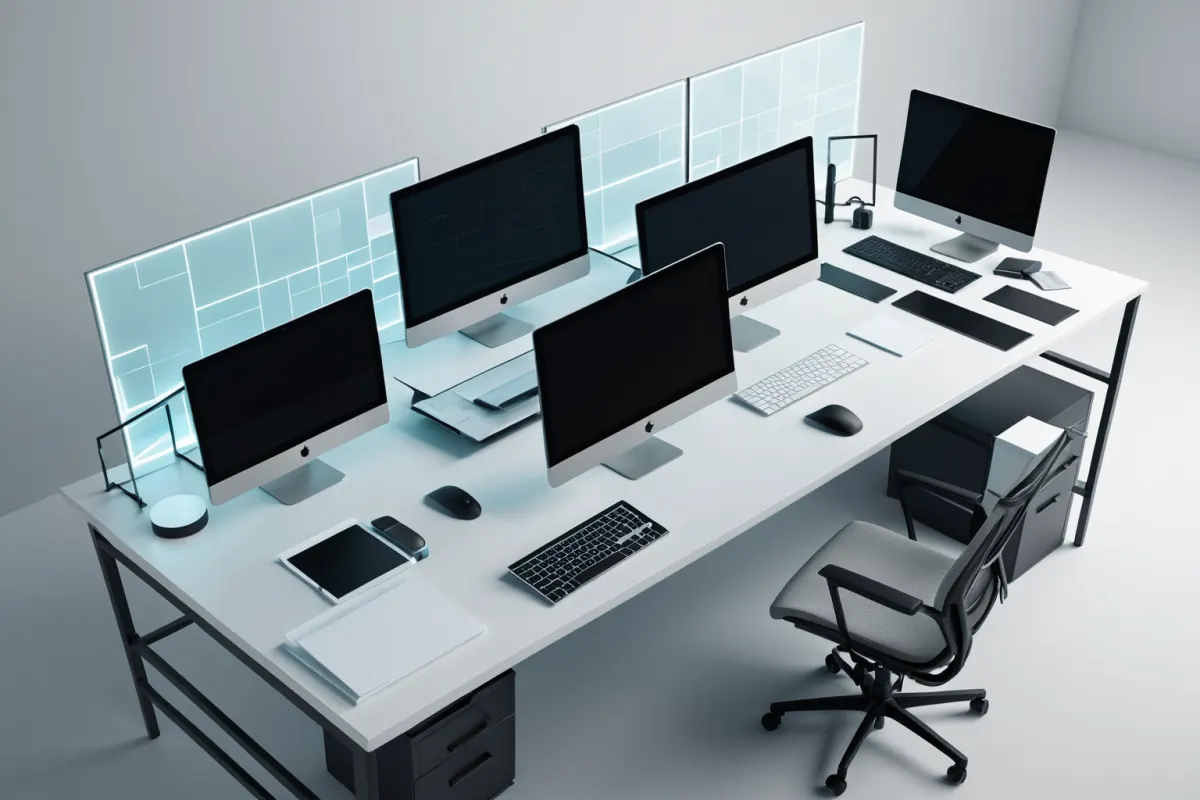
Leg Structure and Storage Differences
Picking an office desk based only on the top surface can lead to regret. The leg structure affects leg space, and whether there’s under-storage influences posture. Especially for those who sit for long periods, desks with unobstructed lower leg space are preferred.
Desks with a "D"-shaped leg or thick side frames offer stability but may feel cramped in the center. In contrast, straight-frame or open-bottom designs allow easier leg movement and make cleaning simpler. If drawers are essential, consider adding mobile drawer units instead of fixed ones beneath the desk.
When choosing an office desk set, avoid tops with too many shelves underneath—while they look organized at first glance, they often reduce knee space and become uncomfortable over time. Open-style desks suit those who like to tidy frequently.
Recommended Dimensions by Work Type
The ideal desk size varies depending on your job. For document-heavy roles where paperwork accumulates, width matters more than depth. For laptop-focused work, cable management is more important than width. And for design or planning tasks, space to accommodate multiple screens is key.
Here’s a quick breakdown:
- Laptop-focused: 1200x600–700mm
- One monitor + document work: 1200–1400x700–800mm
- Dual monitors or long focus tasks: 1400–1600x800mm and above
- Meeting or collaborative space: Over 1400mm with ample movement space
For instance, in roles like accounting or administration where documents are frequently turned over, a depth of 800mm makes a noticeable difference. In contrast, for call center or consultation roles, well-organized storage and cable management matter more than desk size.
Choosing Between Custom and Standard Desks
Custom desks offer the advantage of fitting perfectly into your space—corner, wall-mounted, or built-in styles minimize wasted area. However, they come with higher costs and are harder to relocate later.
Standard office desks may be better suited for many situations. If you move often or work in a dynamic environment where teams change frequently, standardized sizes simplify management. Foldable desks suit temporary spaces like meeting rooms, training areas, or event setups where usage varies.
Ultimately, decide first whether you need a fixed desk or one that can be moved. For long-term workspaces, standard sturdy desks are better; for multi-purpose areas, foldable or modular options offer greater efficiency.
Key Things to Check Before Purchasing
An office desk may look different in photos than it feels in person—colors and textures might not match, and wobbling could be an issue. A thick-looking top might use lightweight materials inside, reducing durability, while a simple design with sturdy frames can last longer.
Before buying, check these three things: First, desk depth and space behind the desk; second, whether armrests fit under the desk; third, cable management options considering power outlets and multi-plugs. Getting these right significantly improves satisfaction.
For example, if you plan to use a monitor arm, confirm there’s a clamp fixed at the back of the desk. Also, in offices with uneven floors, desks with adjustable leg height are much more comfortable.
Common Mistakes When Choosing an Office Desk
Many people focus only on top color or design, but factors like reflectivity and stain resistance matter more. Very shiny surfaces can cause eye strain under lighting, while very dark colors show dust and scratches easily.
When pairing a desk with chairs, check the balance between chair height and desk height. Typically, desks are around 720–750mm high; however, adjust for your body type so that elbows naturally form a 90-degree angle when typing. If the chair is too low or high, it can strain your back and shoulders.
Some mistakenly believe larger desks are always better, but in reality, the right size for your space matters most. A bigger desk might seem appealing, but it often narrows walkways and makes cleaning harder.
Budget-Based Selection Strategies
If budget is tight, prioritize frame stability and top durability first—design elements can be addressed later. Daily-use furniture’s satisfaction depends more on wobble resistance and ease of maintenance than appearance.
For low budgets, start with a basic office desk and supplement storage with mobile drawer units. For mid-range budgets, consider desks with 700–800mm depth, cable holes, and height-adjustable feet. If you have ample budget, custom or modular desks designed for your space will last longer.
FAQ
Q. What is the ideal desk height?
A. Typically 72–75cm is common. However, prioritize adjusting to a height where your elbows naturally form a 90-degree angle when seated, based on chair height and body type.
Q. What desk works best in small offices?
A. Standard models with depths of 600–700mm or wall-mounted styles are better. For narrow spaces, choose desks that don’t block movement paths for practicality.
Q. Are foldable desks suitable for office use?
A. They work well in meeting rooms, training areas, and temporary workspaces with fluctuating usage. However, for long-term fixed tasks, standard desks are usually more stable and durable.
An office desk is a long-term investment, so consider both your current workflow and potential future changes to the space. While specific dimensions and features may vary by brand, always measure your space and review detailed specifications before purchasing.
Continue exploring similar topics.
View Category ArticlesFAQ
What is the ideal desk height?
Typically 72–75cm is common. However, prioritize adjusting to a height where your elbows naturally form a 90-degree angle when seated, based on chair height and body type.
What desk works best in small offices?
Standard models with depths of 600–700mm or wall-mounted styles are better. For narrow spaces, choose desks that don’t block movement paths for practicality.
Are foldable desks suitable for office use?
They work well in meeting rooms, training areas, and temporary workspaces with fluctuating usage. However, for long-term fixed tasks, standard desks are usually more stable and durable.
Korean Source
This article is an English localization of a Korean-language report from BlogScore. Original: 오피스책상 추천, 일 잘되는 배치와 규격은