
Odyssey Giant Filming Secrets: The Real-Life Experience of the Production Team
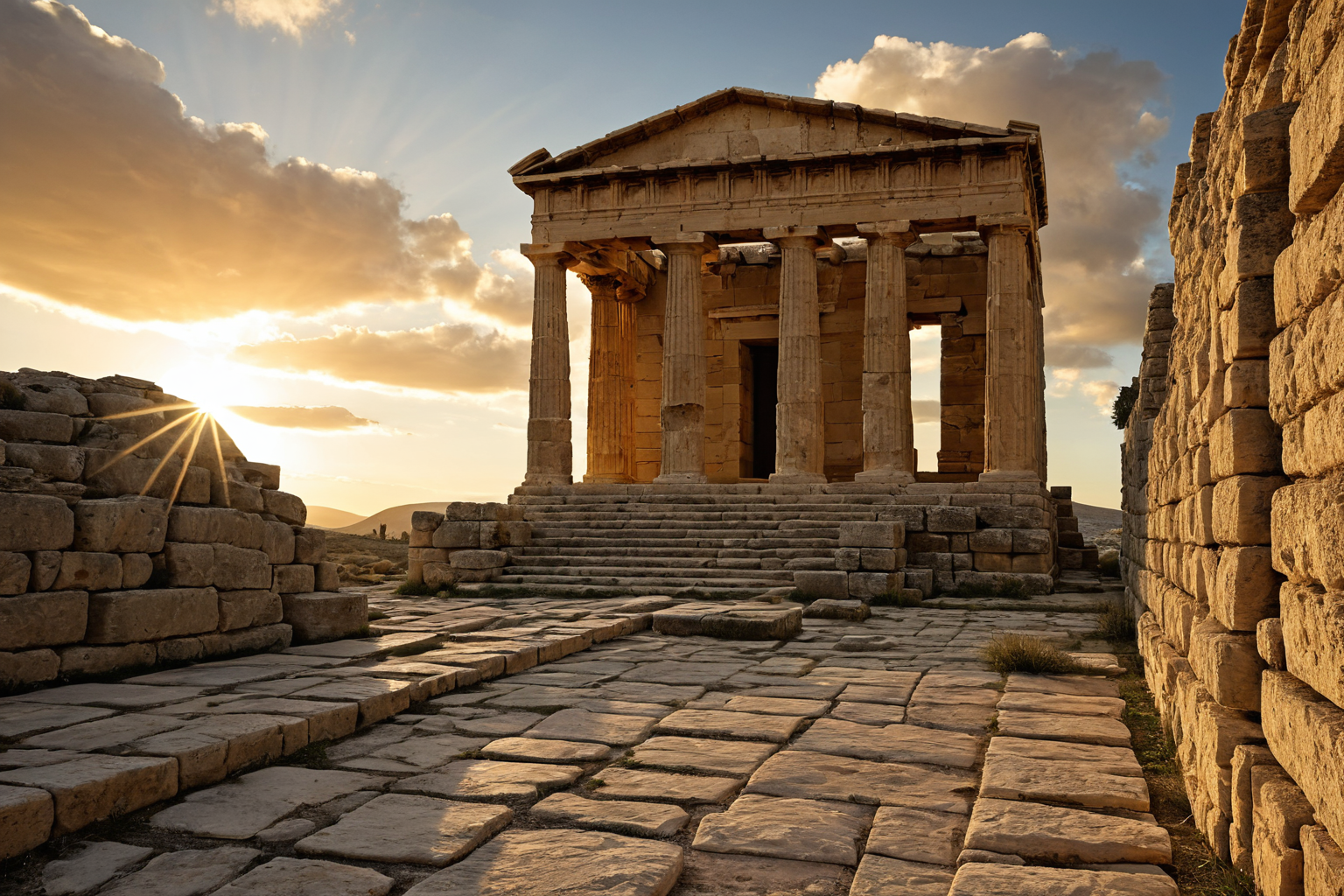
Odyssey Giant Filming Secrets: The Director's Real-Life 'Analog Magic'
In Christopher Nolan's new film 'Odyssey,' the one-eyed giant Cyclops was filmed using an 18-meter-scale physical model, not CGI. This real-world technique earned Nolan's praise as a 'terrifying challenge.' The movie has already surpassed 900,000 ticket pre-sales, successfully recreating a mythological world with immersive realism through IMAX technology.
Physical Models vs. CGI: Nolan's Analog Magic
The one-eyed giant Cyclops in 'Odyssey' was created as an 18-meter physical model, filmed without CGI. Nolan described it as a 'terrifying challenge.' Even the 'pig transformation' scene was shot practically, not with CGI, drawing attention as an example of the value of live-action filming in the AI video era.
Physical models allow interaction with the background that CGI cannot replicate, creating a more authentic feel. For instance, the physical interaction between the giant model and its environment provided audiences with a vivid experience. This approach has been praised by Nolan as 'analog magic,' opening new horizons in filmmaking techniques.
Box Office Success and IMAX Technology: The Keys to Odyssey's Triumph
'Odyssey' has achieved massive success with over 900,000 pre-sold tickets. This achievement is attributed to the film's use of physical models combined with IMAX technology, which recreated a realistic mythological world. Notably, Nolan used IMAX to bring to life the 18-meter giant Cyclops, a 10-meter physical Trojan Horse, and a fully seaworthy ship.
IMAX technology provides high-resolution visuals across the entire screen, enhancing audience immersion. This played a key role in realistically portraying mythological elements. For example, the intricate details of the Trojan Horse and the movement of the ship heightened audience engagement.
The Making of the One-Eyed Giant: A Persistent Challenge
Creating an 18-meter-scale physical model for Cyclops presented significant technical challenges to the 'Odyssey' production team. As Nolan described it, this was a 'terrifying challenge,' requiring overcoming obstacles such as interaction between the model and background, lighting issues, and more.
The giant model's massive size made construction and movement difficult, and on-set adjustments were challenging. Nevertheless, the team overcame these hurdles to present Cyclops in a lifelike manner that felt alive within the film.
Additionally, the 'pig transformation' scene was filmed practically, using interaction between actors and physical models. This approach provided audiences with a more vivid experience compared to CGI.
Physical Model Technique: Reimagining Mythical Worlds on Screen
The physical model technique used in 'Odyssey' went beyond simply replacing filming equipment—it transformed the overall atmosphere and feel of the film. For example, the 10-meter Trojan Horse was built alongside a fully seaworthy ship, allowing audiences to experience mythological elements in a realistic way.
Physical models offer more dynamic expression than CGI, enhancing audience immersion through interaction with the background. This is one reason 'Odyssey' has been praised as a 'human-centered hero story that surpasses Homer's tradition.'
The Chosun Ilbo highlighted 'Odyssey' in an article titled 'Myths Drawn to Life, Leaving Homer in Awe,' noting that the physical model technique played a significant role in the film's success.
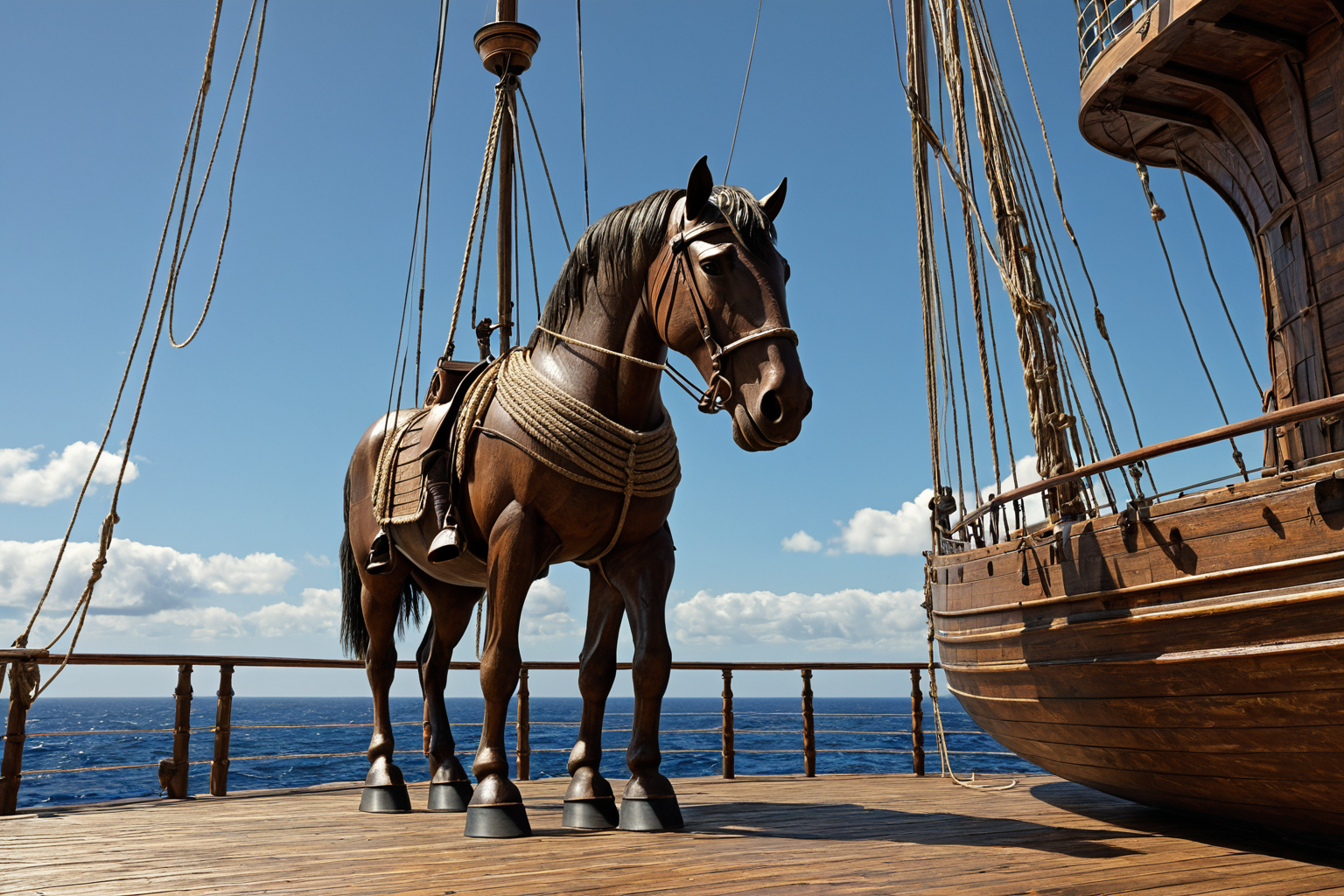
Physical Models and IMAX Technology: Nolan's Mythological World
The 18-meter Cyclops model featured in 'Odyssey' was brought to life with IMAX technology, creating a vivid portrayal of the giant moving within its environment. This interaction between the physical model and background provided audiences with deep immersion.
The combination of physical models and IMAX technology went beyond simple filming techniques—it transformed the overall feel of the film. This is one reason 'Odyssey' has been praised as a 'human-centered hero story that surpasses Homer's tradition.'
Why Choose Physical Models? The Reasoning Behind It
Nolan prefers physical models over CGI because they allow interaction with the background, creating more authentic expressions. In particular, for 'Odyssey,' he chose physical models to realistically portray mythological elements.
Physical modeling provides sensory experiences through real-world interactions that CGI cannot replicate. For instance, the interaction between the giant model and its environment, along with lighting effects, helped make the film's world feel realistic.
Benefits of Physical Modeling: Safety and Realism
The main advantage of physical modeling is that it creates more dynamic shots than CGI by allowing interaction with the background. This enhances audience immersion.
Additionally, since real models are used instead of CGI, interactions within the film feel more natural. For example, in the 'pig transformation' scene, the interaction between actors and the physical model provided a more vivid experience for audiences.
Difference Between Physical Models and CGI: Key Points
Physical models involve filming with real-scale props, whereas CGI creates images through computer graphics.
The advantage of physical modeling is that it allows interaction with the background, offering a more vivid expression. Conversely, while CGI offers greater creative freedom, it may lack natural physical interactions.
Frequently Asked Questions
1. How was the one-eyed giant created in 'Odyssey'?
The one-eyed giant Cyclops in 'Odyssey' was made as an 18-meter-scale physical model, filmed without CGI. Nolan called it a 'terrifying challenge.'
2. What is the ticket pre-sale count for 'Odyssey'?
'Odyssey' has sold over 900,000 tickets in advance, attributed to its use of physical models and IMAX technology to create a realistic mythological world.
3. How was the 'pig transformation' scene filmed?
The 'pig transformation' scene was shot practically, using interaction between actors and physical models. This provided audiences with a more vivid experience compared to CGI.
Frequently Asked Questions
The physical model technique used in 'Odyssey,' which involves filming with real-scale props rather than CGI, has been praised by Nolan as 'analog magic.' This approach, combined with IMAX technology and 900,000 pre-sold tickets, successfully recreated a realistic mythological world.
Physical modeling allows for interaction with the background, creating more vivid expressions that enhance audience immersion. This is one reason why 'Odyssey' has been praised as a 'human-centered hero story that surpasses Homer's tradition.'
The success of 'Odyssey' stems from the combination of physical model techniques and IMAX technology, opening new horizons in filmmaking. Future works by Nolan are expected to further develop these techniques.
You can find more articles on similar topics.
Read MoreFAQ
How was the one-eyed giant created in 'Odyssey'?
The one-eyed giant Cyclops was made as an 18-meter-scale physical model, filmed without CGI. Nolan called it a 'terrifying challenge.'
What is the ticket pre-sale count for 'Odyssey'?
'Odyssey' has sold over 900,000 tickets in advance, attributed to its use of physical models and IMAX technology.
How was the 'pig transformation' scene filmed?
The 'pig transformation' scene was shot practically, using interaction between actors and physical models for a more vivid experience.
Korean Source
This article is an English localization of a Korean-language report from BlogScore. Original: 오디세이 거인 촬영 비법: 촬영팀의 실제 경험담