
The Rise of 'Nurse Backlash' in Online Discourse: Why It's More Than Just a Trend
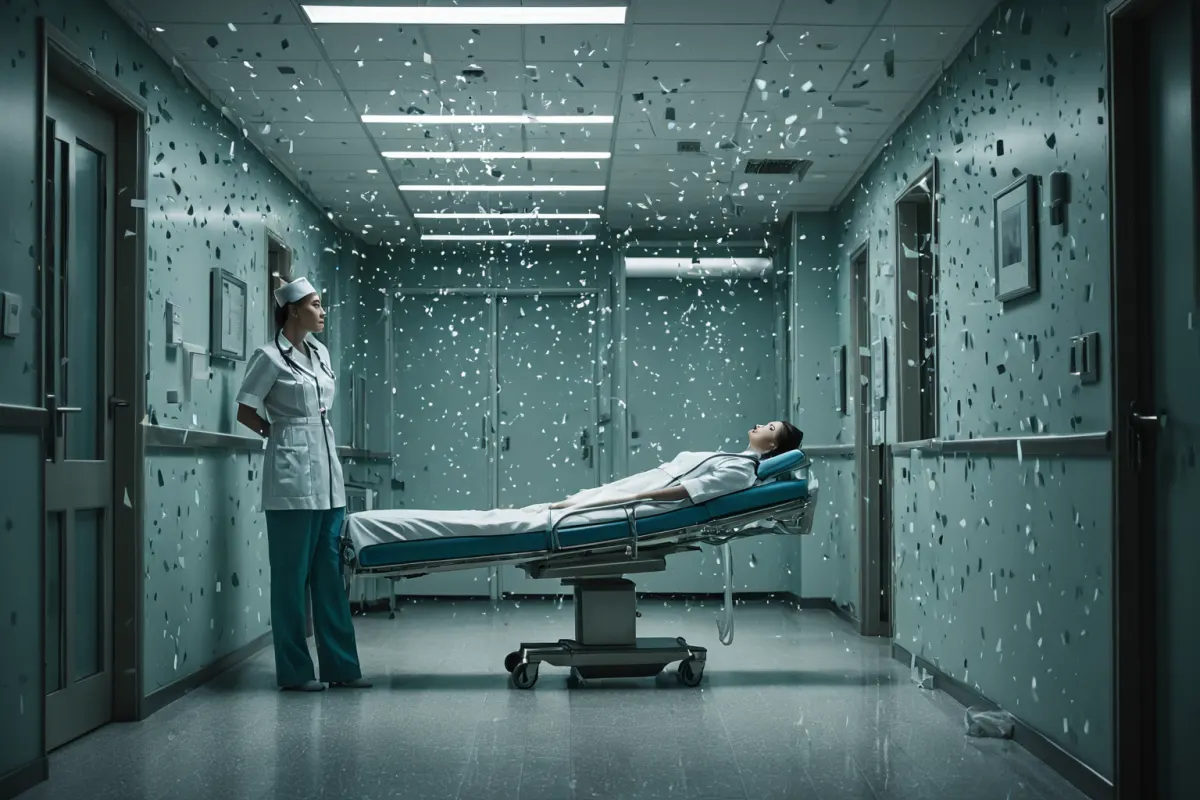
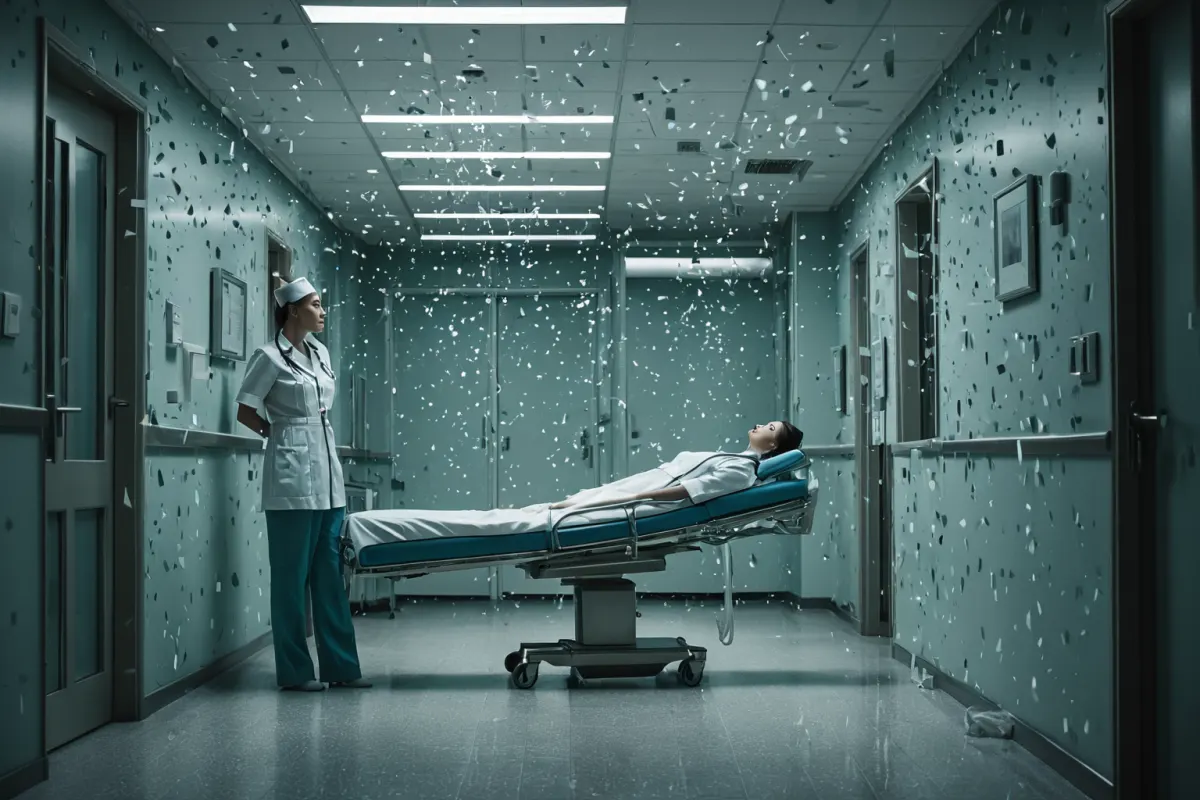
The term "nurse backlash" (간호사 태움 역관광) is increasingly used online to describe situations where hospitals or perpetrators face public backlash due to workplace bullying culture. However, the expression is often sensationalized, overshadowing the deeper issue of why mistreatment persists and what systemic changes are needed.
The recent surge in this term stems not just from personal conflicts but from ongoing reports linking nurse mistreatment to broader organizational culture and work environment issues. When whistleblowers share evidence—such as recordings, screenshots, or testimonies—the hospital's reputation can be damaged, leading people to label it a "backlash" moment.
What Does 'Nurse Backlash' Mean?
Nurse mistreatment (태움) refers to the culture where new or experienced nurses face intense pressure, public criticism, or excessive workloads. When paired with "backlash," it describes situations where those causing the problem end up facing negative consequences like public opinion shifts, internal whistleblowing, or evidence exposure.
For example, if long-ignored practices—like dismissing complaints with phrases such as "everyone deals with this"—are exposed through recordings, screenshots, or colleague testimonies, the atmosphere changes dramatically. People then use terms like "the mistreatment has come full circle" instead of simply complaining.
You can find more articles on similar topics here.
View Related ArticlesWhy Is This Term Gaining Traction Online?
The spread of this term reflects both empathy and frustration toward healthcare environments. While everyone agrees patient safety is crucial, repeated incidents of new nurses enduring excessive emotional labor and work pressure inevitably draw public attention.
Online communities rapidly amplify personal stories. Keywords like "nurse mistreatment disqus" appear together because current or prospective nurses want to understand hospital culture before joining. Once issues become public, they can affect hiring—making delayed responses costly for hospitals.

The Structural Causes Behind Repeated Mistreatment
Mistreatment isn't just about individual personalities but also stems from high workloads and staffing structures. With more patients and less experienced new hires, insufficient training often leads to seasoned staff exerting pressure on newcomers.
When hierarchical culture is added—where seniors justify verbal abuse or public shaming as "teaching"—victims find it hard to speak up, and others stay silent. This silence accumulates, causing similar mistreatment cases to repeat over time.
Why Hospital Cultures Vary So Much
People wonder about specific hospitals because cultures vary widely even within the same profession. Some hospitals have well-structured training manuals; others immediately place new nurses into high-pressure situations with little guidance.
For instance, Hospital A provides one-on-one mentorship from a preceptor during training periods, while Hospital B assigns solo rounds during busy times and publicly criticizes mistakes. Both may call it "training," but the experience is vastly different.
Common Scenarios Labeled as 'Nurse Backlash'
Online cases labeled as nurse backlash typically involve external exposure of mistreatment leading to hospital apologies, perpetrators facing job-related consequences, or senior staff previously ignored being criticized internally.
Another common scenario is when accumulated testimonies on online communities gain power. Initial personal complaints can evolve from isolated incidents into recognized systemic issues when similar experiences are shared. Public opinion then leans more toward victims than perpetrators.
What to Watch For When Reviewing Mistreatment Cases
Keywords like "nurse mistreatment death" or "nurse mistreatment punch" may attract attention, but they shouldn't be taken as fact without verification. Each case varies based on legal rulings, investigation results, and statements from involved parties. Not all online content is accurate.
When reviewing cases, it's important to distinguish between normal work feedback and repeated humiliation, public shaming, or unreasonable overtime demands. Understanding this difference helps avoid getting caught up in emotional debates and allows for clearer assessment of the situation.
Points for Job Seekers to Consider
If concerned about hospital culture, ask specific questions during interviews: "How long is new nurse training?" "Is a preceptor assigned?" "When do night shifts begin?" These questions help gauge whether the hospital's responses are genuine.
While alumni stories and current staff testimonials can be helpful, relying on just one or two may lead to unreliable conclusions. Even within the same hospital, department cultures and staffing conditions can vary by time period. Gathering information from multiple sources is safer.
Understanding Online Reactions
The term "nurse backlash" compresses complex situations into a catchy phrase, but it's important to remember that real human suffering underlies these cases. Instead of treating the term as just a trend, understanding what environment pushed someone to their limits is crucial.
People respond to this keyword because they increasingly agree: in healthcare settings where mistakes have serious consequences, strict training is necessary—but humiliation and bullying should never be justified. The key to solving the problem lies not in blaming individuals but in addressing hospital systems and accountability structures together.
FAQ
Q1. What does 'nurse backlash' precisely mean?
The online term describing when mistreatment culture becomes public, leading to negative consequences for perpetrators or organizations through public opinion, investigations, or internal opposition.
Q2. How is mistreatment different from simple training?
Work feedback may be necessary, but repeated humiliation, verbal abuse, excessive pressure, and workload shifting cross into mistreatment territory.
Q3. What helps job seekers assess hospital culture in advance?
Ask specific questions about new nurse training duration, preceptor assignment, night shift timing, and department staffing structures. Cross-reference with multiple current staff testimonials for a balanced view.
This article summarizes general information; actual cases may vary based on internal investigations and recent reports.
Continue exploring similar topics here.
Browse CategoryFAQ
What does 'nurse backlash' precisely mean?
The online term describing when mistreatment culture becomes public, leading to negative consequences for perpetrators or organizations through public opinion, investigations, or internal opposition.
How is mistreatment different from simple training?
Work feedback may be necessary, but repeated humiliation, verbal abuse, excessive pressure, and workload shifting cross into mistreatment territory.
What helps job seekers assess hospital culture in advance?
Ask specific questions about new nurse training duration, preceptor assignment, night shift timing, and department staffing structures. Cross-reference with multiple current staff testimonials for a balanced view.
Korean Source
This article is an English localization of a Korean-language report from BlogScore. Original: 간호사 태움 역관광, 온라인에서 말 나오는 이유는