
North Pole Shipping Route Trial Voyage: Itinerary and Schedule
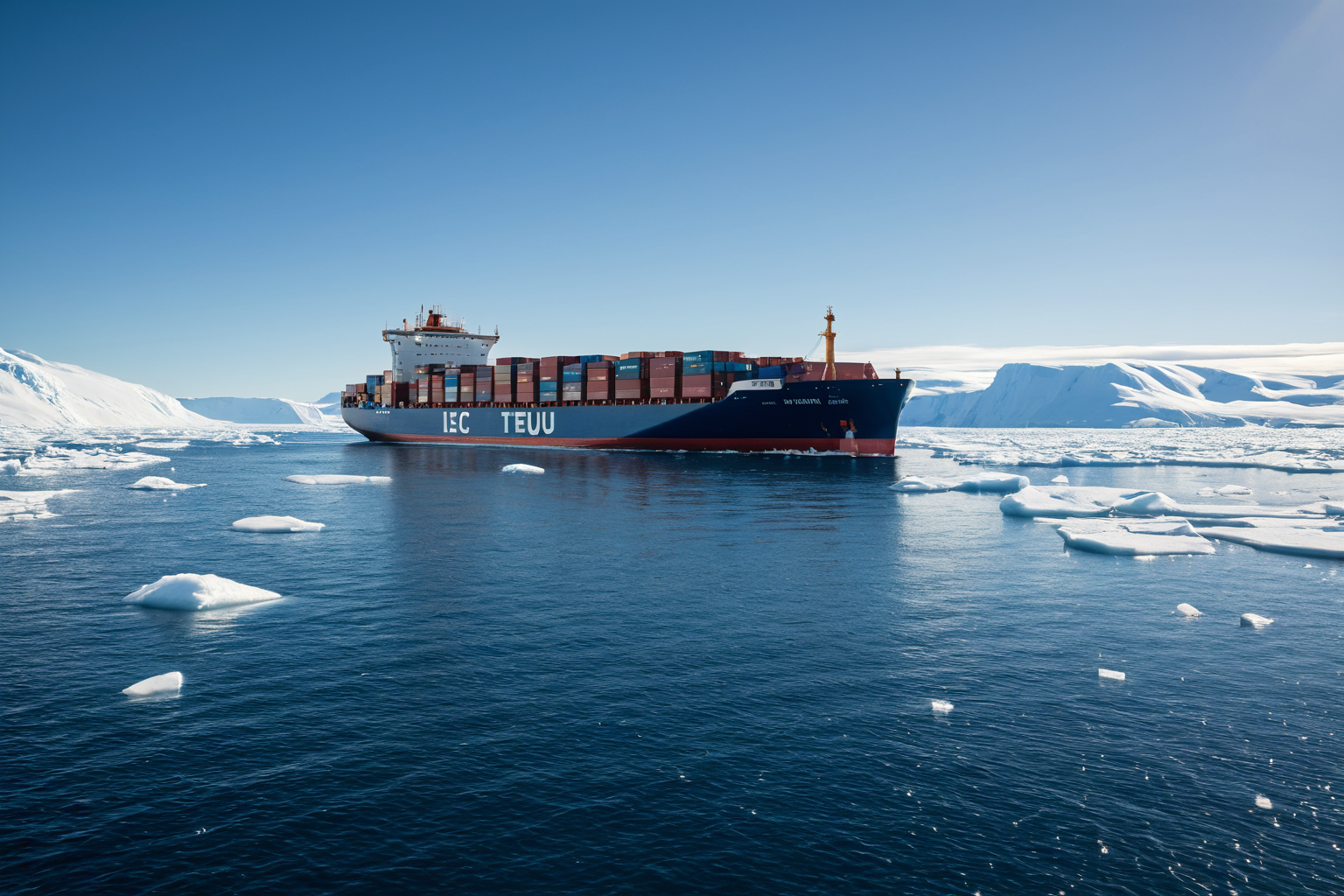
North Pole Shipping Route Trial Voyage Itinerary and Schedule
Korea's first container ship trial voyage, departing from Busan New Port on August 22, 2026, will verify a route through the Arctic Ocean to Europe. This voyage covers approximately 35% less distance compared to the Suez Canal route, with a cargo capacity of 1,300 TEUs secured.
Key Schedule for the Trial Voyage
The North Pole shipping route trial voyage will depart Busan New Port on August 22, 2026, and undertake an eight-day polar navigation to assess commercial viability and explore export routes. This marks the first such trial in a decade, supported by a government fund of 10 billion won and led by Busan-based company Pansota.
The preparation process began with a call for shipping companies on April 27, 2026, followed by an agreement signed with Pansota on May 22. Ship acquisition was finalized in July, while the government has been coordinating with relevant countries and providing financial support to attract shipping companies and expand Kimhae Airport slots.
Route and Distance Reduction Effect
The trial voyage will follow a route from Busan through the Arctic Ocean to Europe. Compared to the Suez Canal, this path is approximately 35% shorter, expected to reduce both shipping time and costs. The vessel will be a 2,700 TEU container ship capable of carrying 1,300 TEUs.
This route serves as the first trial to verify commercial feasibility, laying the groundwork for future Arctic shipping routes. Over eight days of polar navigation, the voyage will assess practical operational conditions such as weather changes and safety management.
Leadership and Support System
Pansota, a Busan-based company, leads the North Pole shipping route trial voyage, with the government investing 10 billion won in funding to support collaboration with the shipping industry. This fund will be used for ship acquisition, international coordination, and infrastructure development.
During preparation, Pansota took the lead by signing an agreement on May 22, following a call for shipping companies starting April 27. The government's support extends to attracting shipping companies and expanding Kimhae Airport slots, forming a comprehensive strategy for Arctic route development.
The trial will transport 1,300 TEUs of cargo, aiming to verify whether the cargo fill rate issue can be resolved in actual commercial operations. This step is critical for proving the viability of the North Pole shipping route as an export corridor.
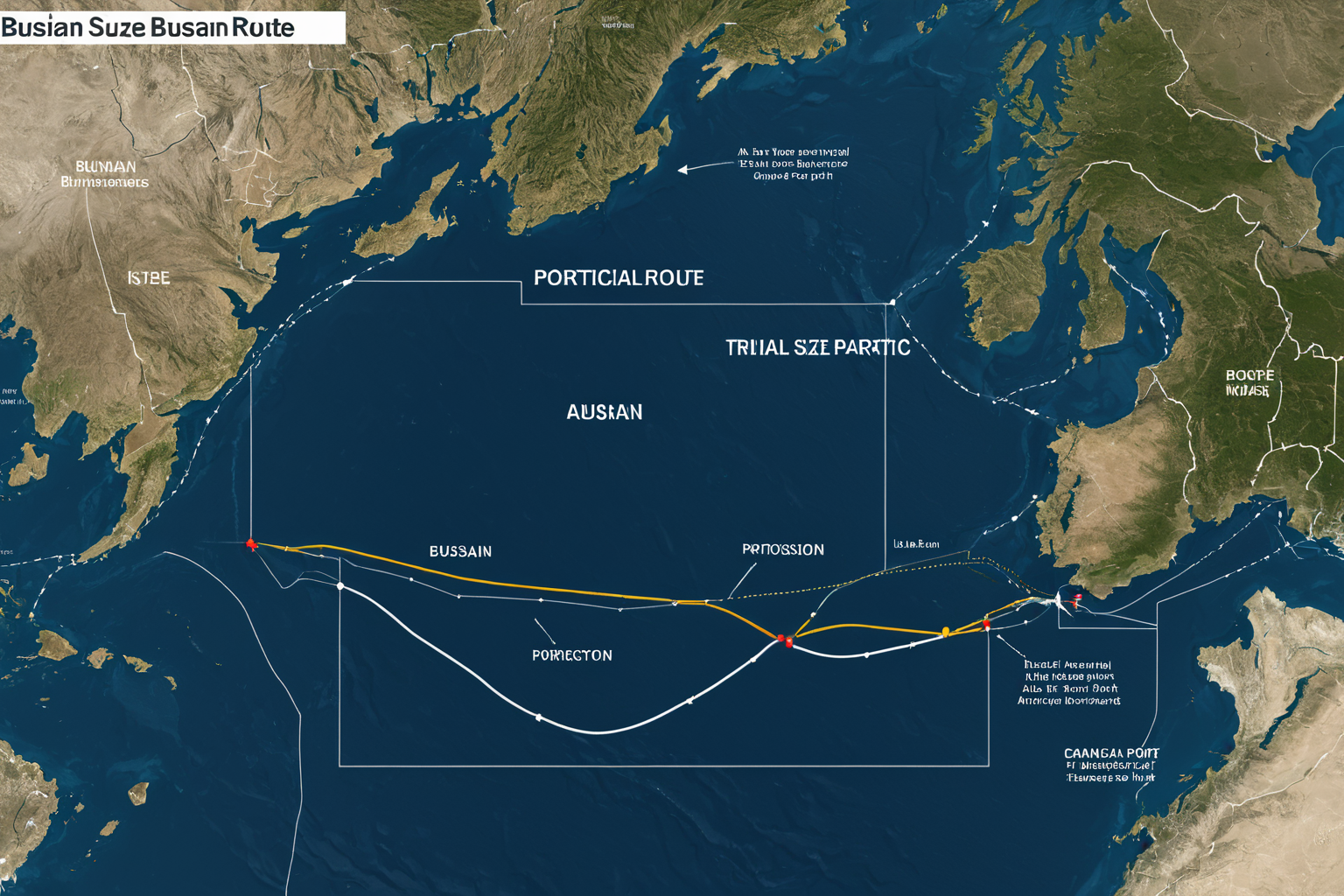
Verifying Commercial Viability of the North Pole Shipping Route
The core objective of the trial voyage is to confirm whether the North Pole shipping route can be commercially viable through eight days of polar navigation. With approximately 35% less distance compared to the Suez Canal, it is expected to reduce both transportation costs and time.
The vessel will be a 2,700 TEU container ship carrying 1,300 TEUs, serving as the first test for resolving cargo fill rate issues in real commercial operations.
Preparation Process
The North Pole shipping route trial voyage began with a call for shipping companies on April 27, 2026, and concluded with an agreement between Pansota and the government on May 22. Ship acquisition was finalized in July, while the government coordinated with relevant countries and provided financial support.
The planned route targets September 2026 for operation, aiming to verify commercial feasibility and explore export routes through eight days of polar navigation. This marks a new strategic move for South Korea's maritime industry, paving the way for international logistics innovation via the Arctic Ocean.
Government Support and Fund Allocation
The government is investing 10 billion won in funding to support the development of the North Pole shipping route. This fund will be used to attract shipping companies and expand Kimhae Airport slots, supporting infrastructure for commercializing the Arctic route.
Pansota has been selected as the leading company for this trial voyage, marking a significant milestone for South Korea's maritime industry. The funding will focus on ship acquisition, international coordination, and infrastructure development to support the initiative.
Significance and Future Outlook
The North Pole shipping route trial voyage represents a new strategy for South Korea's maritime industry, potentially reducing international logistics costs by approximately 35% compared to the Suez Canal. This will lead to cost savings and reduced transit times for cargo transportation.
By transporting 1,300 TEUs of cargo during the trial, it aims to verify whether the cargo fill rate issue can be resolved in actual commercial operations. This step is crucial for proving the North Pole shipping route's potential as a viable export corridor.
Key Information to Verify
The trial voyage will depart Busan New Port on August 22, 2026, following a route through the Arctic Ocean to Europe. The vessel will be a 2,700 TEU container ship capable of carrying 1,300 TEUs.
The government is investing 10 billion won in funding to support the development of the North Pole shipping route, with Pansota leading the initiative. The trial aims to verify commercial feasibility and explore export routes through eight days of polar navigation.
Frequently Asked Questions
When is the departure date for the North Pole shipping route trial voyage? It departs Busan New Port on August 22, 2026.
What is the route for the trial voyage? The route follows Busan → Arctic Ocean → Europe.
What is the cargo capacity? 1,300 TEUs have been secured.
You can find more articles on similar topics in one place.
View Related ArticlesFAQ
When is the departure date for the North Pole shipping route trial voyage?
It departs Busan New Port on August 22, 2026.
What is the route for the trial voyage?
The route follows Busan → Arctic Ocean → Europe.
What is the cargo capacity?
1,300 TEUs have been secured.
Korean Source
This article is an English localization of a Korean-language report from BlogScore. Original: 북극항로 시범운항의 경로와 일정은 어떻게 되나요?