
North Korea's Unidentified Missile Launch Sparks International Attention
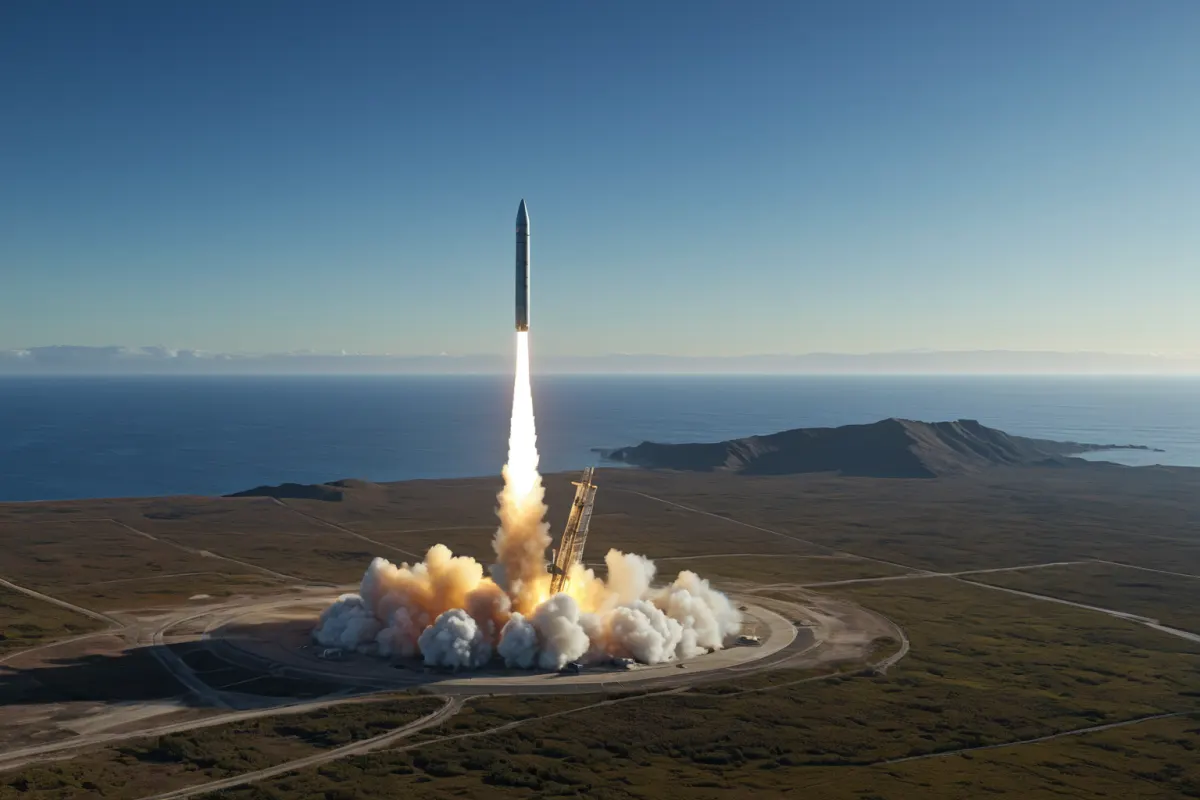
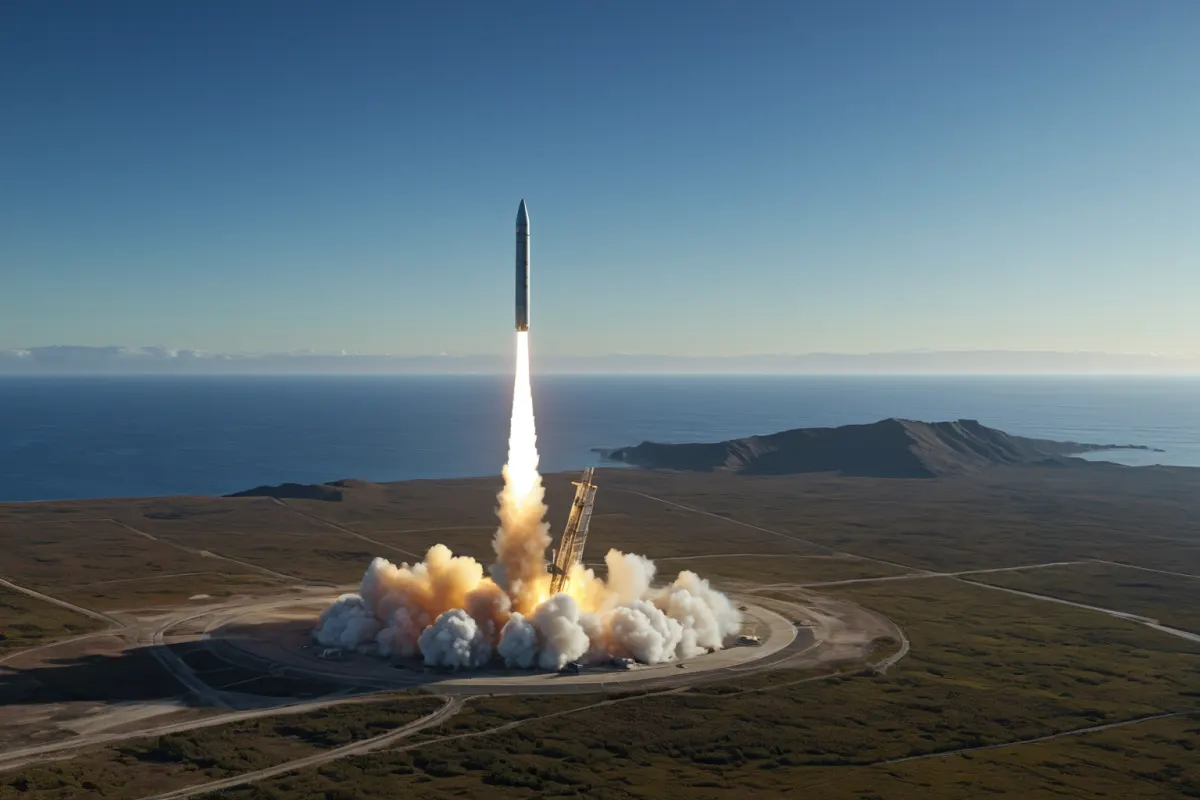
On August 11, 2026, North Korea launched an unidentified missile eastward, with the Joint Chiefs of Staff stating they are analyzing its specifications and range. This appears to be a resumption of provocations six days after a similar launch on August 6. Previous launches occurred on March 25, 2021, and April 8, 2026, toward the East Sea; some reports have speculated it could be a ballistic missile.
Confirmation of North Korea's Unidentified Missile Launch
The Joint Chiefs reported that North Korea launched an unidentified missile eastward around 9:37 PM on August 11, 2026—marking the second provocation in six days following a launch on August 6. The military is currently analyzing the missile's specifications and range to determine its exact type and purpose. Notably, this launch trajectory toward the East Sea suggests it may not be a ballistic missile, as previous launches have followed different patterns.
Comparison with Past Incidents
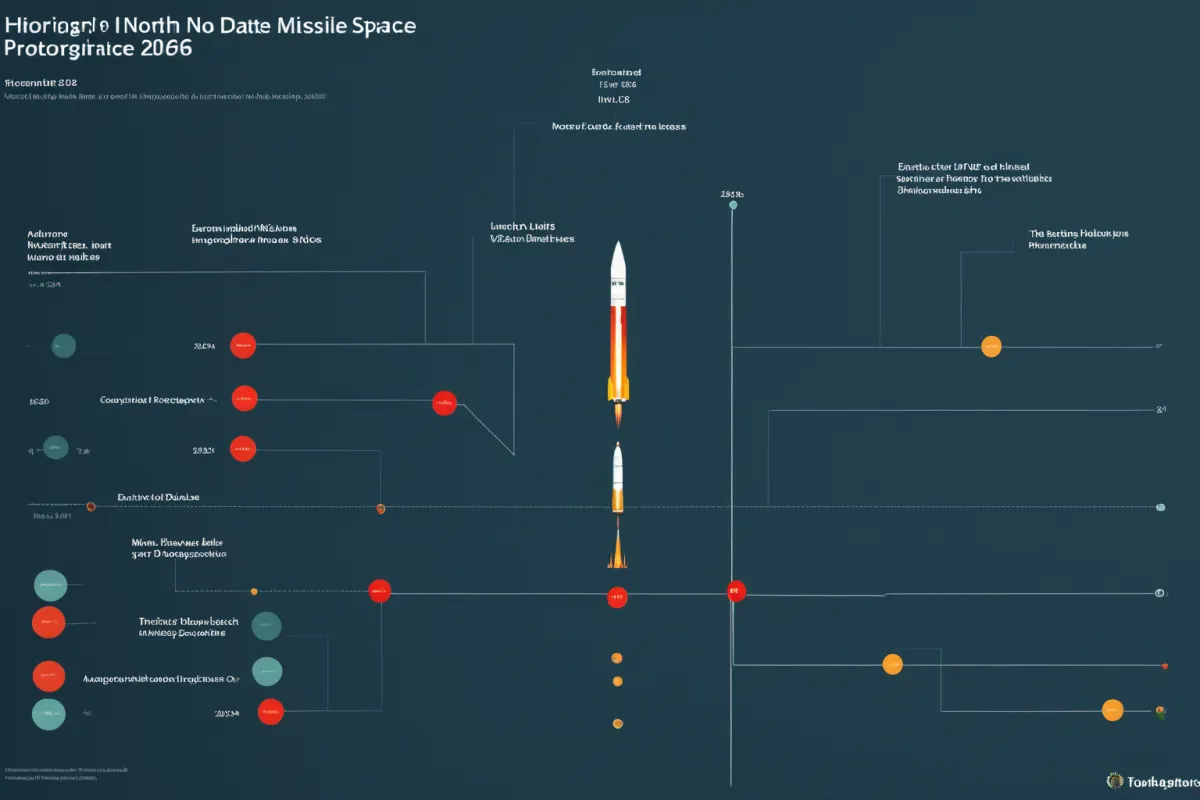
North Korea’s unidentified missile launches draw attention in historical context. On March 25, 2021, North Korea launched two unidentified missiles toward the East Sea, and the Joint Chiefs at that time noted potential ballistic missile characteristics. A similar launch on April 8, 2026, appeared to fail during early flight. In contrast, this recent launch appears to have fallen into the East Sea after a short trajectory, with analysts suggesting it may indicate North Korea is experimenting with new testing methods.
International Media Reports on Ballistic Missile Possibility
Some international media outlets have speculated that the missile could be a ballistic missile. Japan has raised concerns about potential ballistic missile characteristics and possible landing outside its Exclusive Economic Zone (EEZ), though these claims remain unconfirmed as of August 11, 2026. Japanese authorities have not yet confirmed the missile’s identity, while media like Chosun Ilbo have described this as a 'two-day consecutive provocation.' Internationally, China and the U.S. are monitoring North Korea's activities closely, with the U.S. emphasizing stability in Northeast Asia and reviewing response strategies.
International Reactions and Expert Analysis
Experts believe North Korea’s launch goes beyond simple testing and reflects military intent. Some analysts suggest North Korea may be demonstrating capabilities such as short-range ballistic missile strikes covering 450km inland with low-altitude precision targeting. China has referred to the launch using the term 'missile' rather than 'ballistic missile,' highlighting differing perspectives, while South Korea’s Joint Chiefs have publicly disclosed location and type details. This information will serve as a key reference for assessing North Korea’s military technology and intentions from an international perspective.
Political Context and International Relations
North Korea’s unidentified missile launch connects to evolving language use following regime changes. Reports from Chosun Biz on May 25, 2022, indicated that the term 'unidentified missile' disappeared after a leadership transition, suggesting shifts in North Korea’s missile policy. Recent launches in April and May 2026 have drawn international attention, signaling potential new military technology development efforts by North Korea.
Analysis and Verification Process
The Joint Chiefs are conducting thorough analysis of the missile’s specifications and range according to international standards. Following the August 11 launch, they deployed multiple observation systems to determine whether the flight failed early. Japan’s speculation about ballistic missile characteristics was mentioned in some reports but remains unverified. International organizations have requested further investigations into North Korea’s activities, which could shape future responses.
International Response and Safety Measures
The international community is strengthening vigilance in response to North Korea’s launch. Japan has raised concerns about possible landing outside its EEZ, prompting considerations for additional maritime safety measures. South Korea is maintaining a continuous analysis and reporting system through the Joint Chiefs, prioritizing public safety. The U.S. emphasizes stability in Northeast Asia while reviewing response strategies, reflecting efforts to minimize the impact of North Korea’s military activities through international cooperation.
Key Information to Verify
The exact type and purpose of North Korea’s unidentified missile remain unconfirmed. The Joint Chiefs are analyzing its specifications and range, which will be crucial for future international assessments. Japan’s speculation about ballistic missile characteristics is still in the reporting phase and requires verification. Additionally, changes in terminology since 2022—such as the disappearance of 'unidentified missile' from official language—may indicate shifts in North Korea’s policy, offering insight into potential strategic choices aimed at improving global perceptions.
Frequently Asked Questions
Is North Korea's unidentified missile a ballistic missile?
Some reports speculate it could be a ballistic missile, but its exact type remains pending confirmation from the Joint Chiefs of Staff’s analysis.
Why is North Korea continuing to launch unidentified missiles?
North Korea appears to be showcasing military capabilities to attract international attention. Changes in language use following leadership transitions should also be considered.
Why did Japan raise concerns about ballistic missile characteristics and EEZ outside landing?
Japan is analyzing the missile’s trajectory for maritime safety, though this remains unconfirmed as of August 11, 2026.
You can view similar articles on this topic in one place.
View Related ArticlesFAQ
Is North Korea's unidentified missile a ballistic missile?
Some reports speculate it could be a ballistic missile, but its exact type remains pending confirmation from the Joint Chiefs of Staff’s analysis.
Why is North Korea continuing to launch unidentified missiles?
North Korea appears to be showcasing military capabilities to attract international attention. Changes in language use following leadership transitions should also be considered.
Why did Japan raise concerns about ballistic missile characteristics and EEZ outside landing?
Japan is analyzing the missile’s trajectory for maritime safety, though this remains unconfirmed as of August 11, 2026.
Korean Source
This article is an English localization of a Korean-language report from BlogScore. Original: 북한 미상 발사체 발사, 외신 보도와 전문가 해석