
North Korea's Unidentified Missile Launch: Current Situation and Analysis
North Korea's Unidentified Missile Launch Status
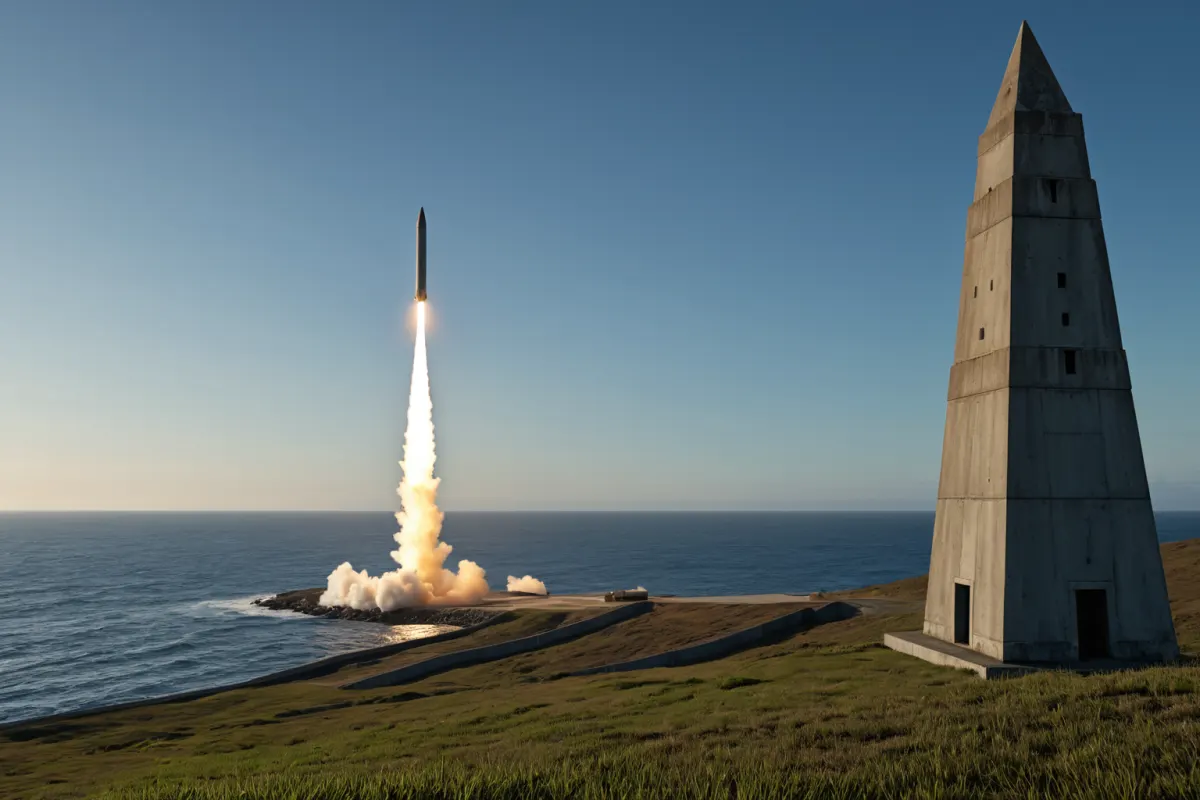
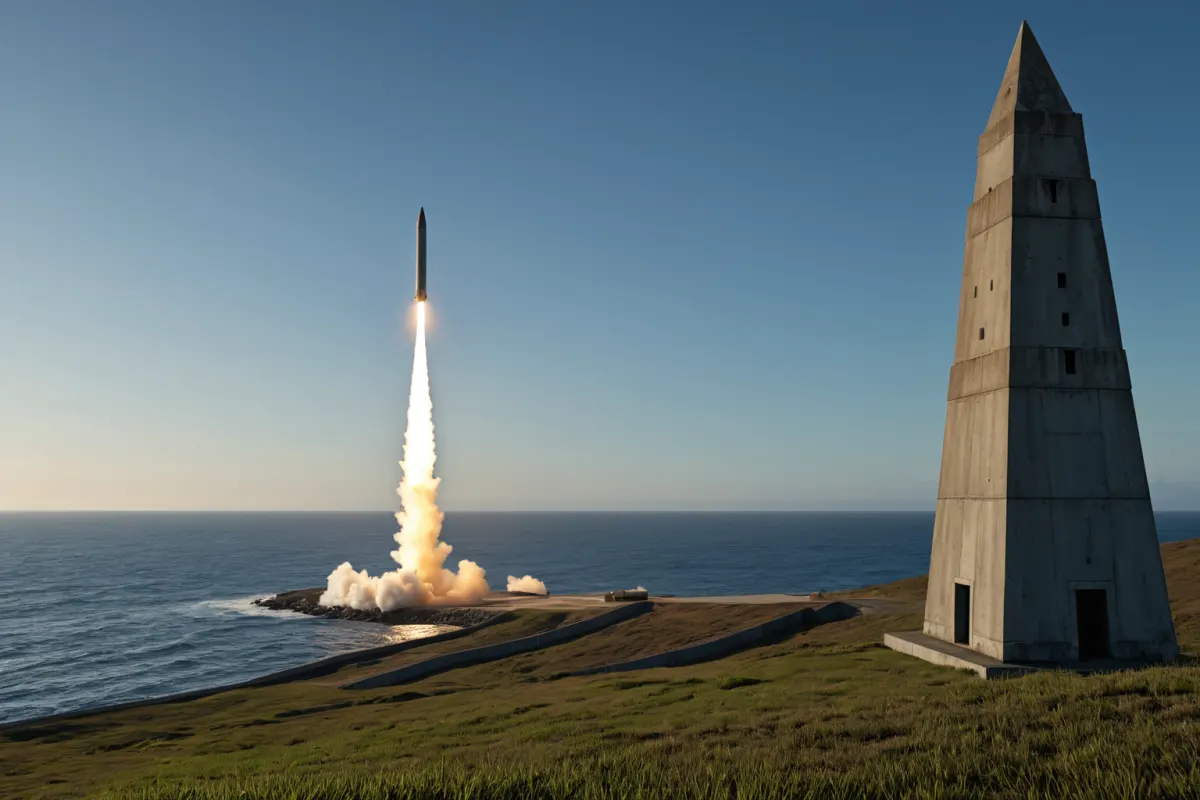
On August 6 and 11, 2026, North Korea reportedly launched unidentified projectiles eastward. The Joint Chiefs of Staff is analyzing the projectiles' specifications and range, with ongoing review to determine if they were ballistic missiles. This marks the second such launch in 42 days, indicating continued military provocations by North Korea.
Launch Schedule and Direction Confirmation
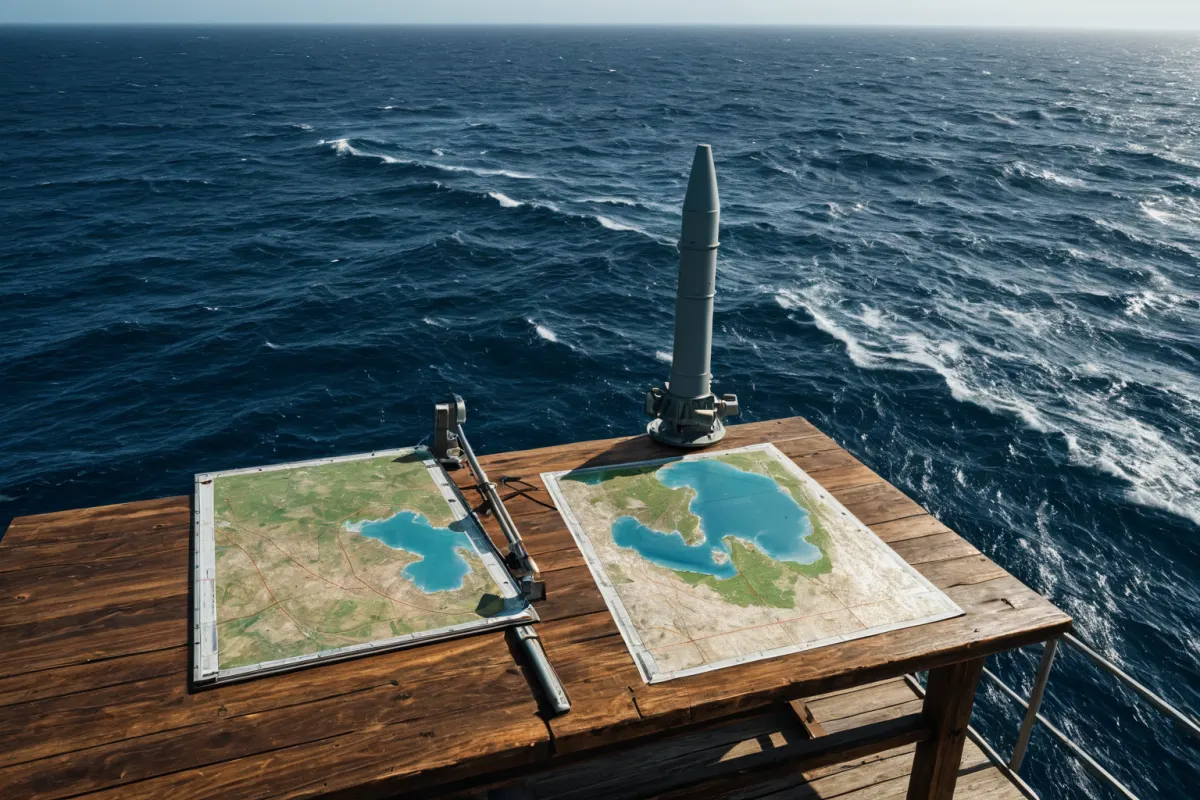
The August 6 launch was toward the East Sea, with a second launch also heading east on August 11. Given both launches were directed eastward, North Korea's intent appears to be testing in the eastern maritime direction. Notably, the projectiles reportedly disintegrated early in flight, making precise specifications difficult to determine.
The Joint Chiefs noted that due to the projectiles' disintegration mid-flight after being launched toward the East Sea, it is challenging to classify them as ballistic missiles. This suggests North Korea may be testing a different type of projectile rather than short-range missiles. The East Sea launches are also analyzed as a strategic choice considering Japan and South Korea's maritime boundaries.
Tension Amid U.S.-South Korea Military Exercises
The August 11 launch occurred amid heightened tensions preceding joint U.S.-South Korean military exercises. North Korea's second unidentified projectile launch in 42 days is being analyzed as an unprecedented frequency of provocations. Notably, the annual summer military drills are a major focus for North Korea, which appears to be using these launches as strategic measures to disrupt the exercises.
Some reports have speculated about short-range ballistic missiles and potential further provocations. However, the Joint Chiefs stated that analysis regarding whether they were ballistic missiles is still ongoing, with flight path and disintegration timing being key factors for assessment. The launch is interpreted as a show of force despite Trump's 'love call'—a reference to former U.S. President Donald Trump's diplomatic overtures.
Analysis Underway on Ballistic Missile Status
Determination of whether these were ballistic missiles remains under analysis. The Joint Chiefs plans to assess specifications and range to determine if they qualify as ballistic missiles. If classified as such, the projectiles would have traveled over 700km, indicating a significantly longer range compared to North Korea's recent missile launches.
Ballistic missiles typically follow an arc-shaped trajectory at high altitudes. However, since these projectiles disintegrated early in flight, accurately determining their trajectory is difficult. This suggests North Korea may be testing new types of launch vehicles, indicating rapid progress in missile development.
Analyzing North Korea's Provocation Background
North Korea conducted a second launch just five days after its first on August 6. This appears to be part of strategic calculations ahead of U.S.-South Korea military exercises, aiming to heighten tensions. The increasing frequency of such provocations is drawing international attention.
The Joint Chiefs are analyzing the East Sea launches as evidence that North Korea's projectiles may not be ballistic missiles, though no conclusive results have been released yet. This indicates North Korea is conducting various types of tests beyond missile development.
International Community Response
North Korea's unidentified projectile launches have drawn international attention. The U.S. and South Korea are reviewing military response plans in anticipation of potential further provocations. Discussions on the United Nations Security Council regarding North Korea's show of force are expected.
The Joint Chiefs stated they will monitor North Korea's actions in cooperation with the international community based on analysis results. This suggests North Korea may be focusing on developing new ballistic missiles. Japan and South Korea are also considering enhancing maritime surveillance systems along their shared boundaries.
Security Information and Precautions
Since the launches occurred over the East Sea, additional measures may be required in maritime border areas. There is potential for impact on air and sea traffic, necessitating coordination with relevant authorities.
Citizens are advised to remain vigilant for further launches along the east coast and verify information through official government and military announcements. Given that the projectiles reportedly disintegrated early in flight, direct risks are considered low. However, navigation and aviation activities should be monitored carefully in maritime border regions.
Key Information to Monitor
The Joint Chiefs is analyzing specifications and range to determine if these were ballistic missiles—a key factor for assessment. The two launches on August 6 and 11 demonstrate North Korea's shortened provocations cycle, indicating a more aggressive posture.
The East Sea launch direction is analyzed as a strategic choice considering Japan and South Korea's maritime boundaries. Additionally, the analysis results will provide important clues regarding North Korea's missile development speed and direction.
Frequently Asked Questions
Are North Korea's unidentified projectiles ballistic missiles?
The status as ballistic missiles is still under analysis. The Joint Chiefs is reviewing specifications and range, with a potential classification as ballistic missiles if they traveled over 700km.
When did North Korea's launches occur?
The two launches occurred on August 6 and 11, 2026, amid heightened tensions before U.S.-South Korea military exercises.
Why were the projectiles launched toward the East Sea?
North Korea appears to be testing whether they are ballistic missiles while strategically aiming to heighten tensions ahead of U.S.-South Korea military exercises.
You can view similar articles on this topic in one place.
View Related ArticlesFAQ
Are North Korea's unidentified projectiles ballistic missiles?
The status as ballistic missiles is still under analysis. The Joint Chiefs is reviewing specifications and range, with a potential classification as ballistic missiles if they traveled over 700km.
When did North Korea's launches occur?
The two launches occurred on August 6 and 11, 2026, amid heightened tensions before U.S.-South Korea military exercises.
Why were the projectiles launched toward the East Sea?
North Korea appears to be testing whether they are ballistic missiles while strategically aiming to heighten tensions ahead of U.S.-South Korea military exercises.
Korean Source
This article is an English localization of a Korean-language report from BlogScore. Original: 북한 미상 발사체 발사, 현재 상황과 분석