
North Korea Secures Bronze in Women's Gymnastics Team Event at Asian Games
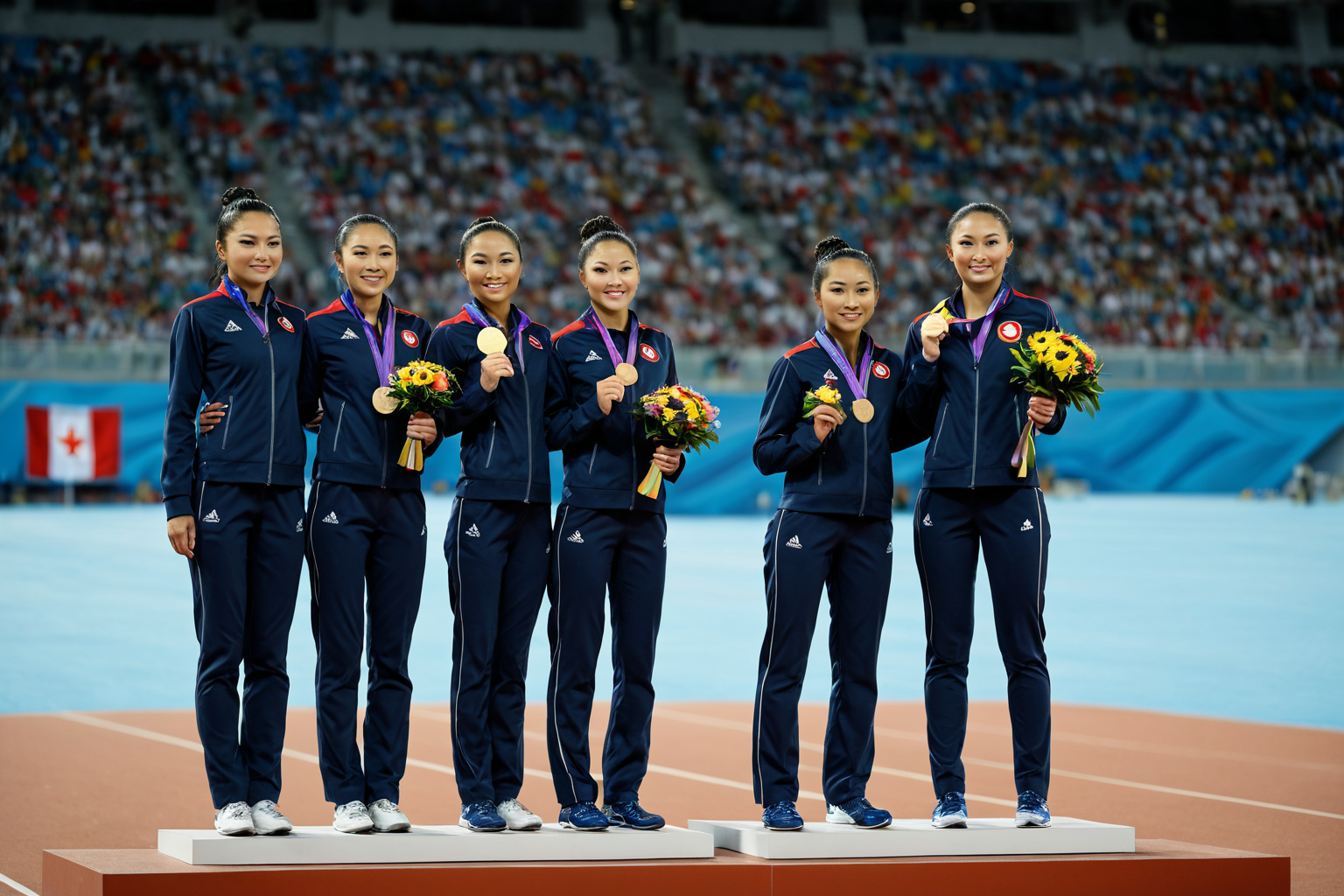
North Korea Wins Bronze in Women's Gymnastics Team Event
At the 2026 Asian Games women's artistic gymnastics team event, North Korea secured a bronze medal, achieving their fourth consecutive medal. South Korea finished fourth without a medal, with a score difference of 1.466 points from North Korea.
The results for the women's artistic gymnastics team event at the Asian Games were announced on September 23, 2026, with North Korea securing their fourth consecutive medal, demonstrating technical superiority. South Korea failed to win a team medal after a 20-year attempt, marking a significant moment in South Korean gymnastics history.
North Korea's bronze medal reflects sustained success in the gymnastics event, particularly achieving four consecutive medals, which is considered one of the highest records in Asian Games history. In addition, North Korea secured additional bronze medals in team events for sepak takraw and wushu/shooting, showcasing multi-sport achievements.
Score Difference Between North and South Korea
The women's artistic gymnastics team bronze medal was determined by a 1.466-point difference between North and South Korea. This narrow margin indicates that North Korea held a slight advantage in the competition.
South Korea's women's artistic gymnastics team attempted to win a medal for the first time in 20 years but ultimately finished fourth, failing to secure a medal. This outcome is being evaluated as an important turning point in South Korean gymnastics history, prompting discussions on future improvements.
The results of the North-South gymnastics match transcend mere sports competition, reflecting political context. Both sides maintained silence and cautious attitudes during the match, which analysts interpret as reflecting underlying political tensions.
Unusual Aspects of the North-South Gymnastics Match
The women's artistic gymnastics team event at the Asian Games drew particular attention due to the North-South confrontation. Both sides remained silent during the competition, displaying cautious attitudes toward each other, which was interpreted as reflecting political background.
North Korean athletes avoided conversation after the match, and South Korean athletes displayed similar caution. This behavior suggests that tensions between North and South Korea are also evident on the sports stage.
Notably, North Korean athlete Li Jin-mi won silver in women's singles sepak takraw, securing victory over South Korea in a North-South confrontation. Additionally, North Korea secured bronze medals in team events for wushu and shooting, demonstrating comprehensive achievements.
North Korea's Comprehensive Achievements
The women's artistic gymnastics team bronze medal marked the fourth consecutive medal for North Korea, making it a notable record in Asian Games history. This achievement is seen as an important example of sustained development in North Korean sports.
North Korea achieved success across multiple disciplines, including Li Jin-mi's silver medal in women's singles sepak takraw and bronze medals in team events for wushu and shooting. These accomplishments demonstrate North Korea's growing international competitiveness in sports.
South Korea's failure to secure a team medal after 20 years of effort highlights the need for strategic improvements within South Korea's gymnastics national team. This outcome is expected to serve as a catalyst for new growth in South Korean sports.
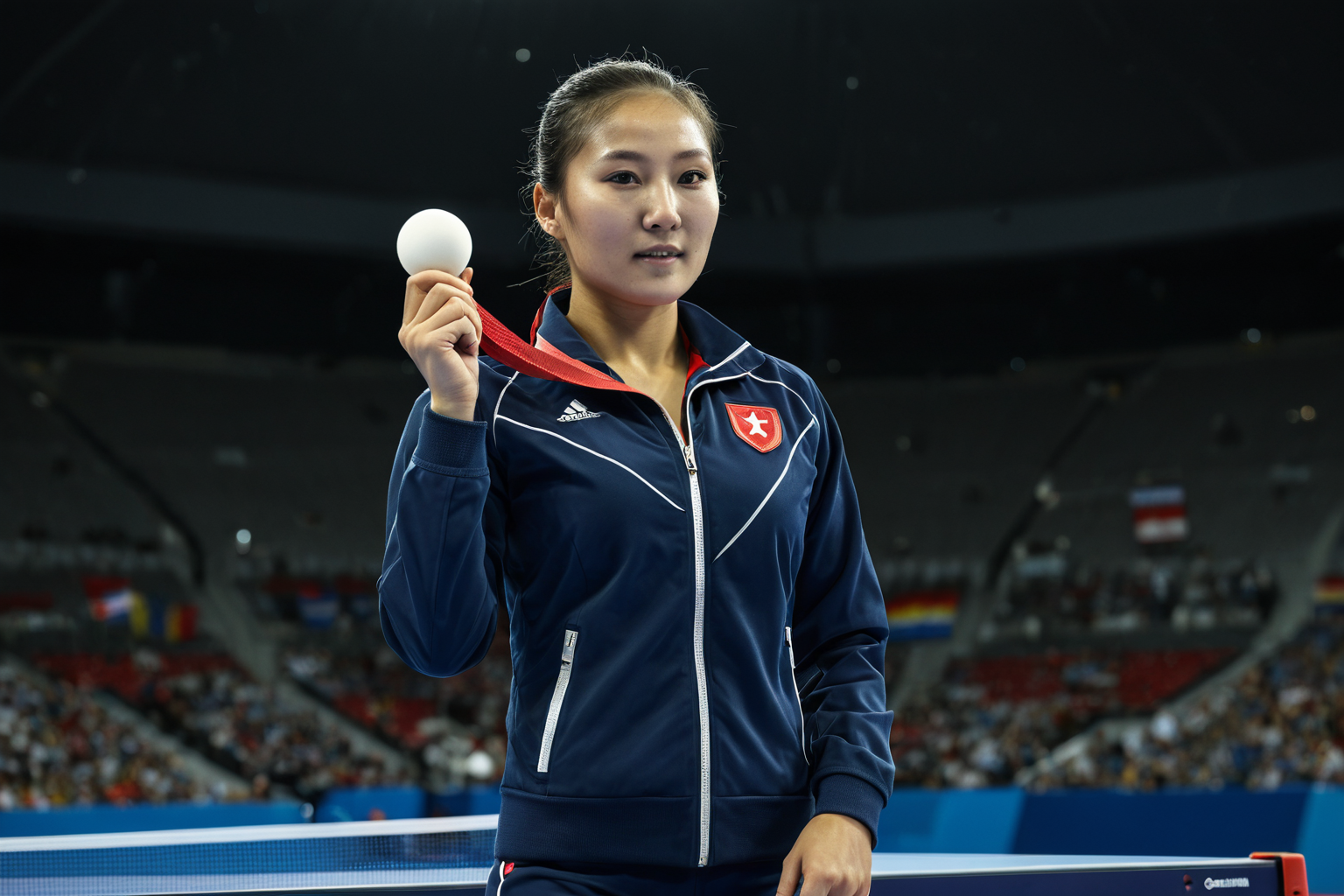
Political Context of North-South Competition
The silence and cautious attitudes displayed by both sides during the North-South gymnastics match were interpreted as reflecting political context. This shows that North-South relations influence even the sports arena.
Specifically, Li Jin-mi secured silver in women's singles sepak takraw against South Korea, winning a medal with political significance. North Korea also secured additional bronze medals in team events for wushu and shooting, showcasing comprehensive achievements.
While South Korea failed to win a medal after 20 years of attempting to secure a team medal, this outcome is expected to become a catalyst for improvement and development within South Korea's gymnastics national team. This match carries significance beyond mere sports competition, serving as an important case reflecting North-South relations on the international stage.
Medal Results and Historical Context
The women's artistic gymnastics team bronze medal secured by North Korea marked their fourth consecutive medal, a notable achievement in Asian Games history. This is seen as an important example of sustained development in North Korean sports.
South Korea's women's artistic gymnastics team failed to win a team medal after 20 years of effort, marking a significant turning point in South Korean gymnastics history. Discussions on future improvements have begun as a result.
North Korea achieved success across multiple disciplines, including Li Jin-mi's silver medal in women's singles sepak takraw and bronze medals in team events for wushu and shooting. These accomplishments demonstrate North Korea's growing international competitiveness in sports.
Information for Searchers
The results of the women's artistic gymnastics team event at the Asian Games were announced on September 23, 2026, with North Korea winning bronze and South Korea finishing fourth without a medal.
The score difference between North and South Korea was 1.466 points, indicating that North Korea held a slight advantage in the competition. This narrow margin significantly impacted the outcome of the match.
During the North-South gymnastics confrontation, both sides remained silent and displayed cautious attitudes, which analysts interpret as reflecting political context. North Korea secured additional bronze medals in sepak takraw, wushu, and shooting team events.
Frequently Asked Questions
Is North Korea's women's gymnastics team bronze medal their fourth consecutive medal?
Yes, North Korea's women's artistic gymnastics team has secured four consecutive medals at the Asian Games, setting a notable record in its history.
Did South Korea fail to win a team medal after 20 years of effort?
Yes, South Korea's women's artistic gymnastics team attempted to secure a medal for the first time in 20 years but ultimately finished fourth without winning a medal.
Why did both sides remain silent during the North-South gymnastics confrontation?
The silence and cautious attitudes displayed by both sides during the North-South gymnastics match were interpreted as reflecting political background.
Frequently Asked Questions
At the 2026 Asian Games women's artistic gymnastics team event, North Korea won bronze for the fourth consecutive time. South Korea failed to secure a medal after 20 years of effort, with a score difference of 1.466 points from North Korea.
North Korea secured additional bronze medals in sepak takraw women's singles (Li Jin-mi's silver), wushu, and shooting team events, demonstrating comprehensive achievements. This reflects sustained development in North Korean sports.
South Korea's failure to secure a team medal is expected to prompt discussions on future improvements for the national gymnastics team. This match carries significance beyond mere sports competition, reflecting North-South relations on the international stage.
You can view similar articles about this topic in one place.
View Related ArticlesFAQ
Is North Korea's women's gymnastics team bronze medal their fourth consecutive medal?
Yes, North Korea's women's artistic gymnastics team has secured four consecutive medals at the Asian Games, setting a notable record in its history.
Did South Korea fail to win a team medal after 20 years of effort?
Yes, South Korea's women's artistic gymnastics team attempted to secure a medal for the first time in 20 years but ultimately finished fourth without winning a medal.
Why did both sides remain silent during the North-South gymnastics confrontation?
The silence and cautious attitudes displayed by both sides during the North-South gymnastics match were interpreted as reflecting political background.
Korean Source
This article is an English localization of a Korean-language report from BlogScore. Original: 북한 단체전 동메달, 한국과의 경기 결과는?