
When North Korea Launches Missiles: Dates, Times, and Impact on Air and Sea Travel
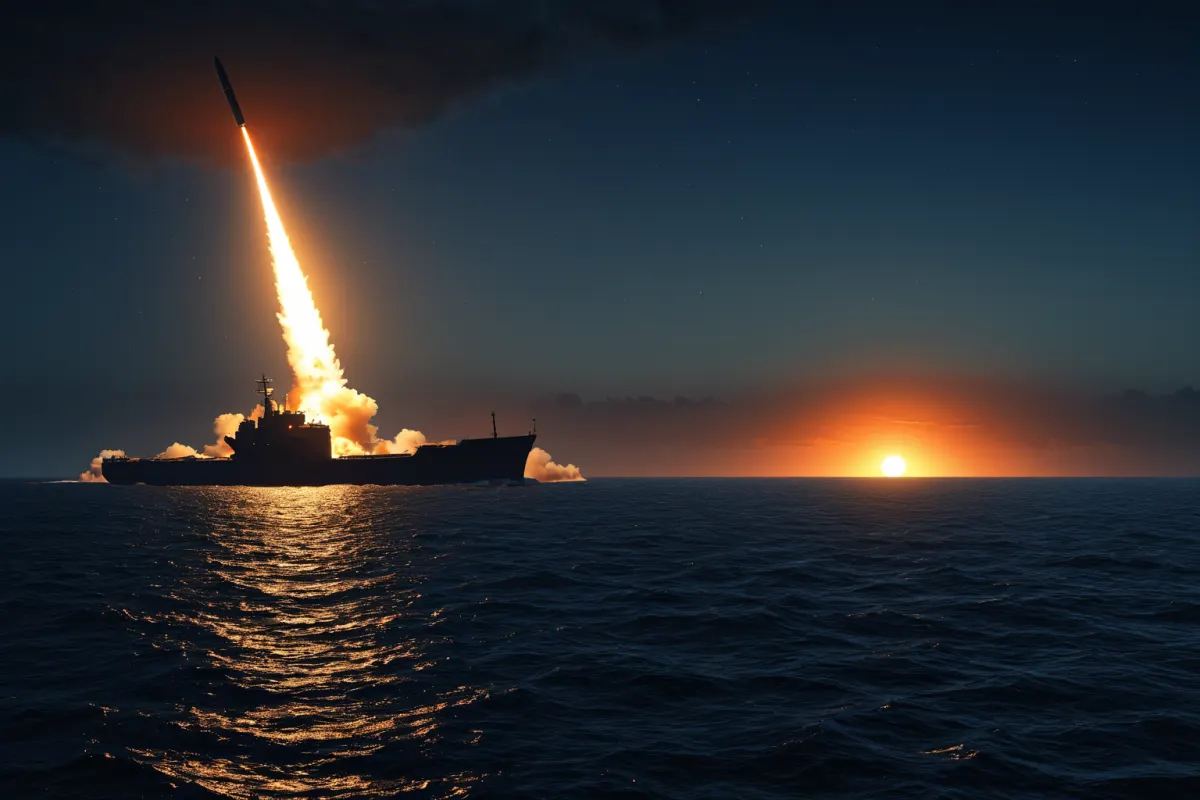
When news of a North Korean missile launch emerges, the first things to check are the date and time, followed by whether there's been an actual impact on air and sea travel. Typically, alerts at the level of warnings appear shortly after the launch in surrounding maritime and airspace zones, with airlines adjusting routes or schedules, and ships avoiding certain areas.
However, not every launch causes major disruption. The affected area varies depending on the direction the missile travels, its altitude, and potential landing zones, meaning that even on the same day, air and sea impacts can differ significantly.
How to Verify North Korean Missile Launch Dates
When checking dates, it's not enough to just consider 'the launch date.' The actual time of launch, observation time, and announcement time may all differ, making it easy to get confused if you only read the headline.
For example, even if a launch is confirmed around 7 a.m., airlines and shipping companies might adjust their plans starting the night before. Therefore, the date in news articles may not align with when the actual impact began.
You can view similar articles on this topic all at once.
View Related ArticlesHow Time of Day Affects Alert Levels
Launches during early morning hours are often taken more seriously by air traffic control and shipping companies. If they coincide with peak commuting times, even connecting flights can be affected.
Conversely, nighttime launches usually result in follow-up actions the next day—such as route inspections, airport operations checks, or maritime navigation advisories—rather than immediate collision risks. Thus, launch timing is not just a piece of information but also an indicator of how strongly measures will be implemented.
Why Air Travel Is Affected
Aircraft must avoid airspace above where the missile passes or where it might land. Even if the altitude seems high, any potential overlap with flight paths requires rerouting for safety.
International flights are particularly vulnerable to chain delays when routes change. For example, a flight from Incheon bound for Europe that takes a southern detour instead of its usual northern path may consume more fuel and extend flight time.
Passengers might wonder why their departure was delayed suddenly, but airlines often adjust boarding times or resequence takeoffs to prioritize safety.
Maritime Impact Zones
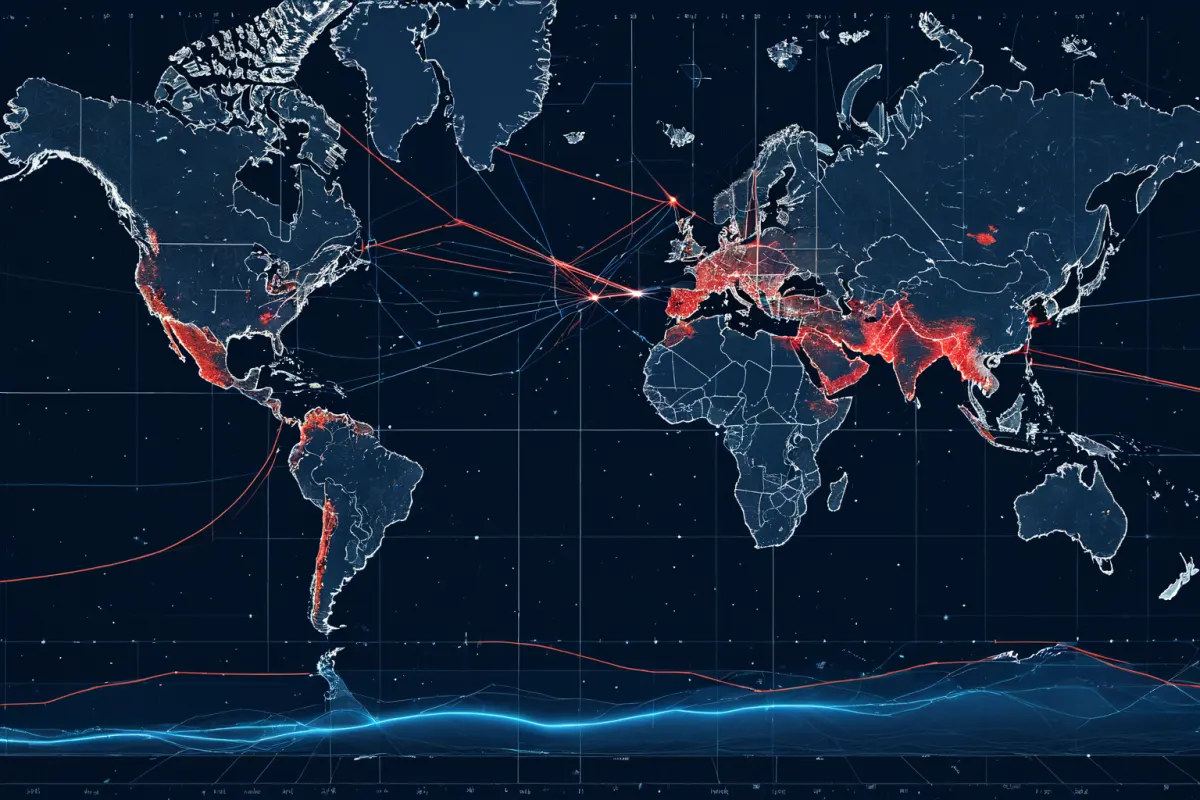
Ships move more slowly than aircraft, so advance notice is even more critical. Areas where the missile might land or nearby routes can become temporary no-go zones.
All types of vessels—passenger ships, cargo ships, and fishing boats—are affected, though the experience varies. Scheduled passenger ferries face noticeable delays due to fixed schedules, while cargo ships may arrive later after route changes, and fishing boats might need to shift their operational areas entirely.
For instance, if a vessel using an eastern sea route suddenly has to detour, fuel costs and travel time both increase. Thus, maritime impacts go beyond simple 'passable or not'—they also involve economic losses.
Key Information to Look for in News Reports
News coverage of North Korean missile launches should include direction, flight distance, maximum altitude, and estimated landing zones to help understand the real impact. These four elements are necessary to gauge how much air and sea travel will be affected.
Also, military announcements from the Joint Chiefs of Staff may differ from guidance provided by aviation or shipping authorities, so relying on just one source is insufficient. Military reports focus on launch context and response measures, while transportation agencies emphasize restricted zones and timing.
For example, when searching for information, knowing this difference helps you understand the situation more quickly.
How to Check for Travel Impacts
The easiest way is to look in news articles for mentions of launch time alongside additional phrases related to aviation or maritime travel. Terms like 'aircraft rerouting,' 'maritime caution,' or 'navigation warning' indicate that actual disruptions occurred.
If a report only states the launch without mentioning transportation impacts, it likely means there were no direct restrictions or they were minimal. In such cases, avoid overinterpreting and instead cross-check with official announcements for clarity.
For example, if news breaks in the morning about a launch but flights from Incheon are delayed by 10 to 30 minutes, it suggests adjustments were made even without major disruptions. Conversely, sea travel might only require avoiding specific zones on the same day while continuing normal operations.
Frequently Asked Questions
Q1: Do North Korean missile launches always delay flights?
No, delays occur only when the launch direction overlaps with flight paths. Many launches have no direct impact on travel schedules.
Q2: When are ships most affected by missile launches?
When potential landing zones or restricted sea areas overlap with shipping routes. Regular passenger ferries and coastal routes often show noticeable schedule changes.
Q3: How important is the date and time of launch?
The timing relative to travel schedules matters more than the launch itself. Impacts are felt more during early morning, rush hour, or peak international flight times.
This topic changes rapidly with breaking news, so it's best to check both recent articles and official advisories for accurate information.
Continue exploring similar topics.
View Category ArticlesFAQ
Do North Korean missile launches always delay flights?
No, delays occur only when the launch direction overlaps with flight paths. Many launches have no direct impact on travel schedules.
When are ships most affected by missile launches?
When potential landing zones or restricted sea areas overlap with shipping routes. Regular passenger ferries and coastal routes often show noticeable schedule changes.
How important is the date and time of launch?
The timing relative to travel schedules matters more than the launch itself. Impacts are felt more during early morning, rush hour, or peak international flight times.
Korean Source
This article is an English localization of a Korean-language report from BlogScore. Original: 북한발사체발사 날짜와 시간대, 항공·항해 영향은?