
Why North Korea's Ballistic Missile Launches Are Often Reported as 'East Sea' Events
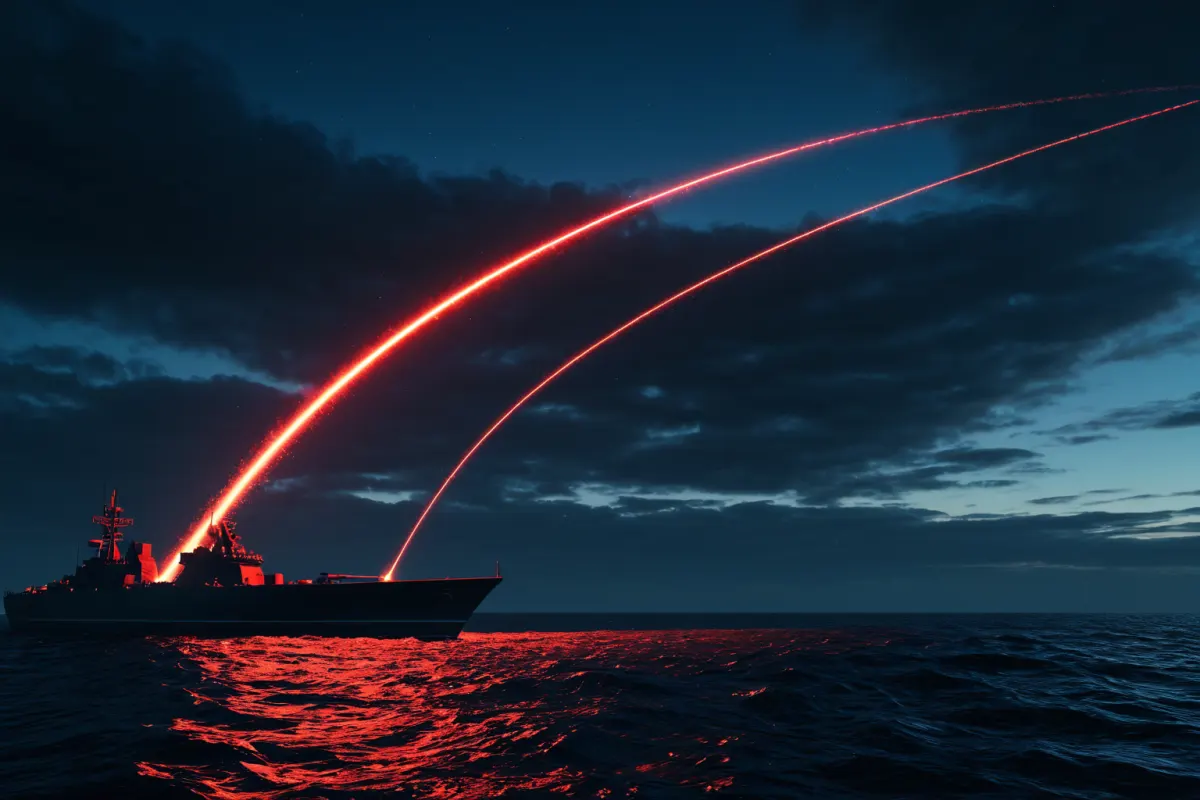
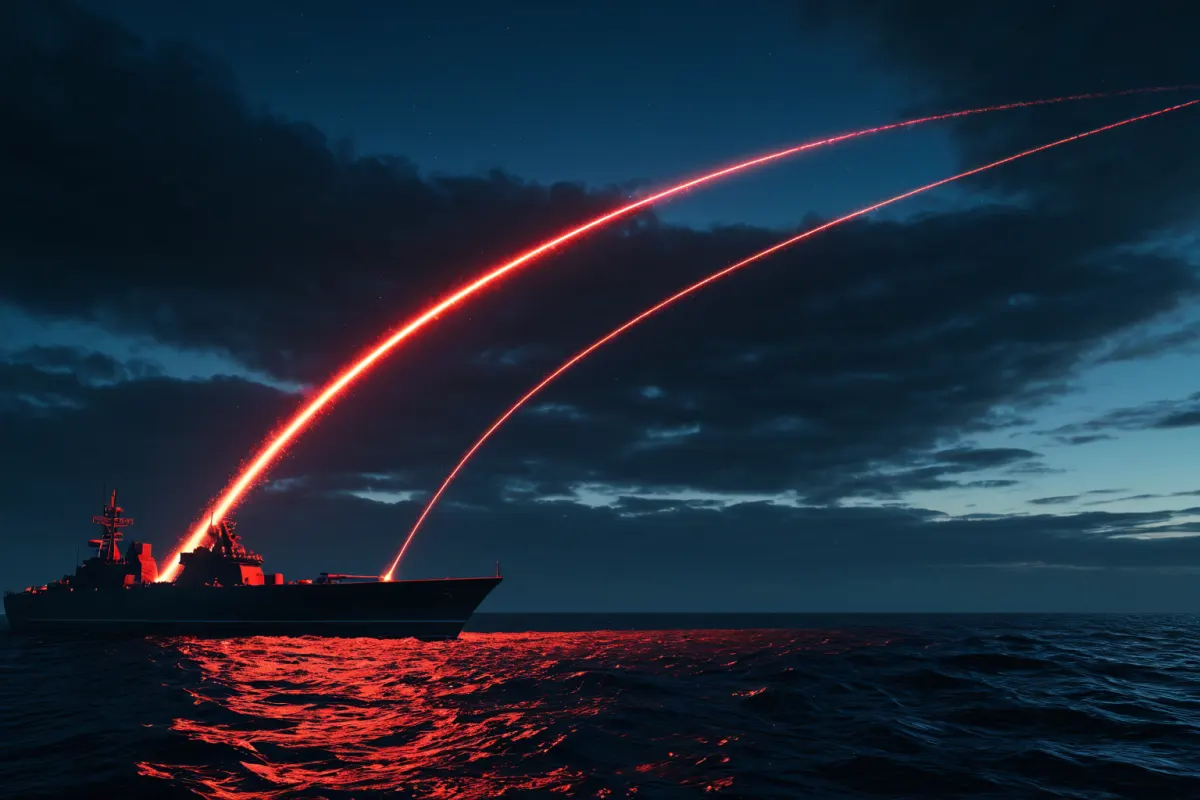
The reason North Korea's ballistic missile launch news spreads quickly based on the East Sea is because official announcements from military authorities and media alerts come almost simultaneously right after the launch. Typically, such reports focus on "where it was launched," "which direction it flew," and "what response occurred," leading searchers naturally to look for information about North Korea's ballistic missile launches over the East Sea first.
However, the rapid spread of news doesn't mean all details are immediately confirmed. Initially, only some figures like flight distance, altitude, speed, and estimated model may be released, with further analysis gradually clarifying the information.
Why East Sea Launches Get Immediate Attention
The East Sea is the most commonly mentioned direction in North Korean missile launch news. It's easy to explain the launch point and flight path, and it provides a clear reference when sharing detection results from South Korea's military and neighboring countries.
Additionally, launches toward the East Sea connect with Japan's early warning systems, joint US-South Korea monitoring systems, and maritime navigation safety concerns, making them more newsworthy. Thus, what starts as a military update quickly becomes regional security and lifestyle news.
You can view similar articles on this topic in one place.
View Related ArticlesHow North Korean Ballistic Missile Launch Information Spreads
The military authorities' announcement is usually the fastest. Subsequently, reports from the Joint Chiefs of Staff, Japanese defense announcements, overseas news agencies, and breaking news articles spread rapidly.
For example, if a launch is detected around 7 AM, it might first be reported as "unknown projectile" within minutes, then "suspected ballistic missile." Later, after confirming trajectory and specifications, more specific terms like "possible short-range ballistic missile" are used.
This process means search engines show keywords like "North Korean ballistic missile launch," "North Korean ballistic missile launch log," and "short-range ballistic missile launch." People tend to look not just for the breaking news but also whether this is the nth time and how it differs from previous incidents.
Key Points in Understanding East Sea Launches
There are several interpretations as to why North Korea specifically chooses the East Sea direction. The most common reason is safety: launching toward sea reduces the risk of debris falling on land compared to inland areas.
Another reason is that it's ideal for testing flight distance and ballistic trajectory. It allows them to verify numbers within a range that doesn't directly threaten international waters, making it a frequent choice for missile tests aimed at assessing weapon performance.

Common Features in Short-Range Ballistic Missile Launches
Short-range ballistic missiles are often detected quickly, and their trajectories are analyzed within minutes after launch. This means breaking news is fast, but initial reports frequently change details as more analysis comes in.
Common terms seen in actual news include "high-angle launch," "maximum altitude," "flight distance," and "speed." A high-angle launch involves sending the missile higher rather than farther, so numerical interpretations matter. For example, even if flight distance appears short, a high altitude might indicate a different testing purpose.
Searchers are particularly interested in this aspect. More important than simply knowing it was launched is whether this test represents a real-world threat or just an experiment, and how its performance compares to previous launches.
Verifying the Sequence with Real Examples
For example, when a breaking news report states "North Korea launches ballistic missile toward East Sea," the first things to check are launch time and direction. Next comes the estimated model, flight distance, and impact location announced by military authorities.
After that, it's helpful to confirm Japan's early warning system response, civilian aviation and maritime safety measures, and reactions from neighboring countries for a complete picture. It's better to review multiple reports from the same time period rather than relying on a single article.
For beginners, following this sequence is recommended:
- Check launch time
- Determine if it was toward the East Sea or another direction
- Verify estimated range (short vs. medium)
- Compare military announcements with overseas reports
- Supplement with additional analytical articles for accuracy
Following this sequence helps avoid being misled by sensational headlines and quickly grasp the core facts.
What to Check in North Korean Ballistic Missile Launch Logs
When reviewing launch logs, it's more useful to look at intervals and patterns rather than just counting occurrences. Repeated launches within a short period may indicate military messaging, while launches right before key events could be linked to negotiations or training.
For instance, multiple East Sea launches within a month might suggest continuous testing rather than isolated incidents. Conversely, a launch after a long gap could relate to internal schedules or diplomatic events.
However, these interpretations are based on surrounding circumstances and aren't always confirmed by official announcements. Therefore, it's important to consider not just numbers and dates but also the international situation at the time.
Important Notes When Checking Related Information
Ballistic missile news often spreads quickly with speculative language that gets repeated as fact. "Confirmed" and "estimated" have different meanings, so don't jump to conclusions based solely on headlines.
Especially the type of projectile, range, and purpose are frequently updated in early reports. A launch initially classified as short-range might later be reclassified after analysis, making it difficult to draw conclusions from the first article alone.
Additionally, responses from neighboring countries may have timing differences. Since South Korea's military announcements and Japan's reports may use different standards, slight numerical variations shouldn't immediately be considered errors.
FAQ
Q. Why are North Korean ballistic missile launches often reported as "East Sea" events?
A. Launching toward sea reduces debris risk on land and is ideal for testing flight trajectory without directly threatening international waters, making it a common reference point.
Q. What should I check first when breaking news arrives?
A. Check launch time, direction, military's initial statement, and whether the launch appears to be short-range.
Q. Why do different articles show different numbers for the same event?
A. Initial reports often use temporary detection values. As more precise analysis comes in, figures like flight distance or altitude may be adjusted.
This topic is directly related to military and security situations, so actual figures and official announcements can change over time. The safest approach is to verify with the latest news and official statements.
Continue exploring similar topics.
View Category ArticlesFAQ
Why are North Korean ballistic missile launches often reported as 'East Sea' events?
Launching toward sea reduces debris risk on land and is ideal for testing flight trajectory without directly threatening international waters, making it a common reference point.
What should I check first when breaking news arrives?
Check launch time, direction, military's initial statement, and whether the launch appears to be short-range.
Why do different articles show different numbers for the same event?
Initial reports often use temporary detection values. As more precise analysis comes in, figures like flight distance or altitude may be adjusted.
Korean Source
This article is an English localization of a Korean-language report from BlogScore. Original: 북한 탄도미사일 발사, 동해상 발사 소식이 확산된 이유