
Nipple-Sparing Mastectomy Patient Experiences: Comparing Pre- and Post-Surgery Insights
Surgical Rates and Criteria for Nipple-Sparing Mastectomy
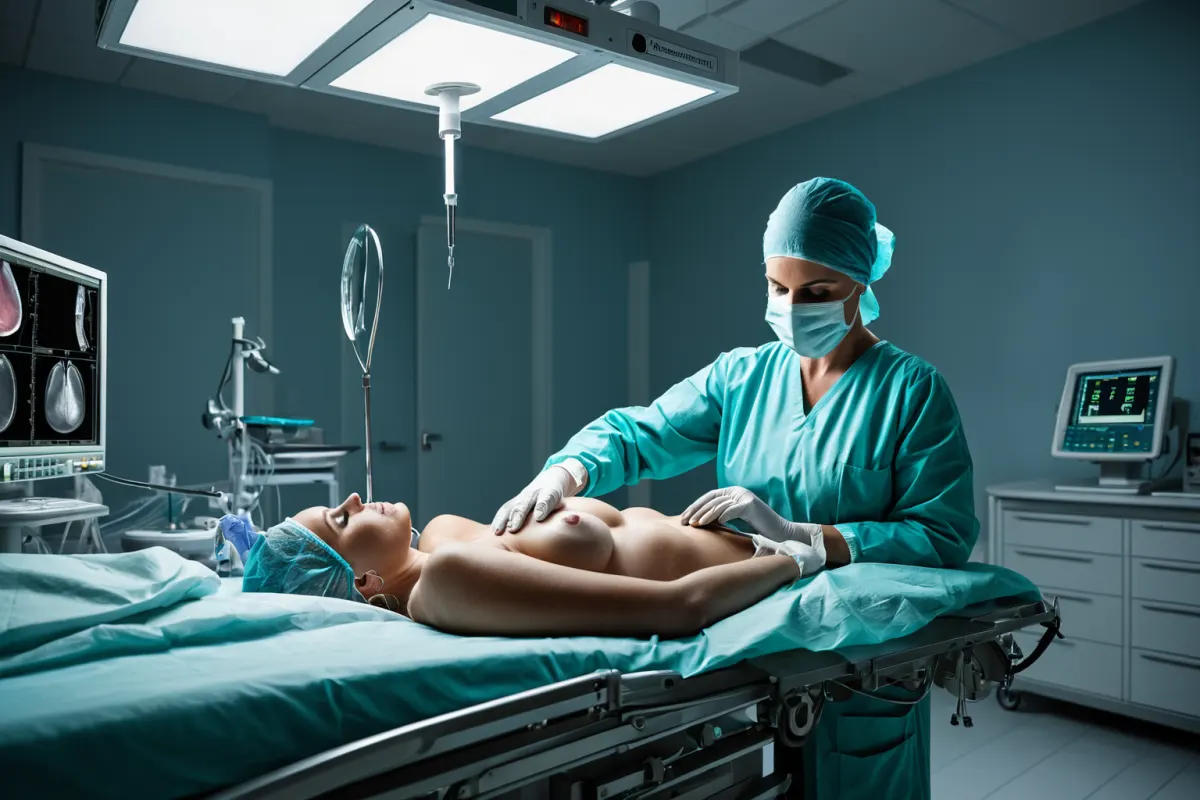
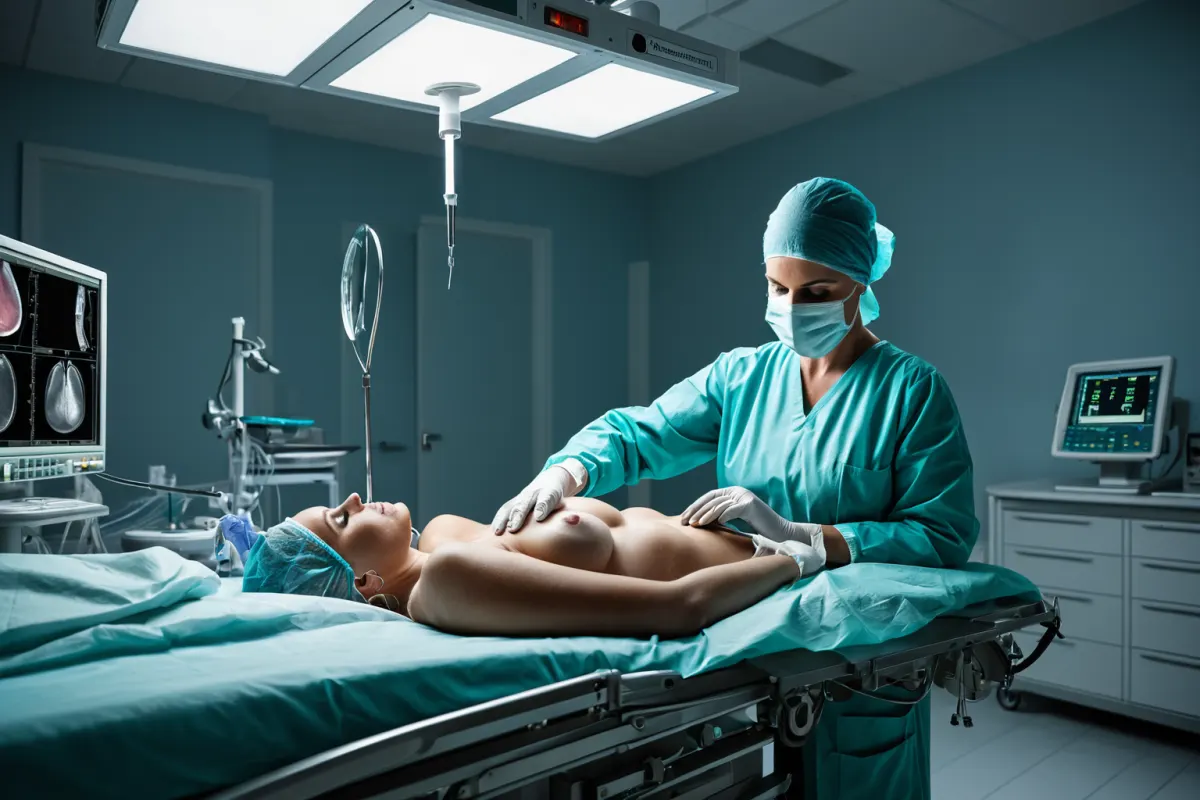
Data from Bundang Seoul National University Hospital shows that nipple-sparing mastectomy, which preserves the nipple, accounts for about 75% of breast cancer surgeries. This reflects a growing trend in prioritizing nipple preservation in recent breast cancer treatments. Notably, when tumors are larger or multiple, reconstruction surgery after excision should be considered. Nipple-sparing mastectomy removes cancerous tissue while preserving the nipple, helping reduce psychological burden for patients. The procedure is typically suitable for small tumors under 2-3cm or early-stage cases where lesions aren't near the nipple.
Reconstruction Methods and Mental Health Risks
Research indicates that mental health risks vary depending on reconstruction methods after breast cancer surgery. Using a patient's own tissue for reconstruction shows a 13% higher risk of mental health issues compared to using implants. This is an important factor patients should consider when choosing their reconstruction method. Autologous tissue reconstruction uses the patient’s skin or muscle tissue to create breast shape, offering natural appearance but potentially increasing psychological stress. In contrast, implant-based reconstruction uses artificial materials for breast reconstruction, providing faster recovery and more predictable results.
Timing Considerations for Reconstruction Surgery
According to Health Trends reporting, immediate reconstruction isn't necessary. It's often better to consider it later. This allows patients to fully recover from initial surgery and plan reconstruction to improve quality of life. Particularly after radiation therapy, reconstruction is recommended only after treatment completion, as radiation can delay tissue recovery. Deciding on reconstruction should align with both mental health stability and physical recovery.
Endoscopic Surgery Methods and Market Trends
Endoscopic techniques for breast cancer surgery are gaining attention. These allow more precise procedures and faster recovery. Endoscopic surgery removes tumor tissue through small incisions, resulting in less scarring and reduced psychological burden. Additionally, the breast implant market is projected to grow until 2035, offering patients more diverse reconstruction options.
Nipple-sparing mastectomy has become an important option in breast cancer treatment, with patient quality of life recovery depending on careful consideration of various reconstruction options and timing. This is supported by data from Bundang Seoul National University Hospital and recent research findings.
Comparing Pre- and Post-Surgery Experiences with Nipple-Sparing Mastectomy
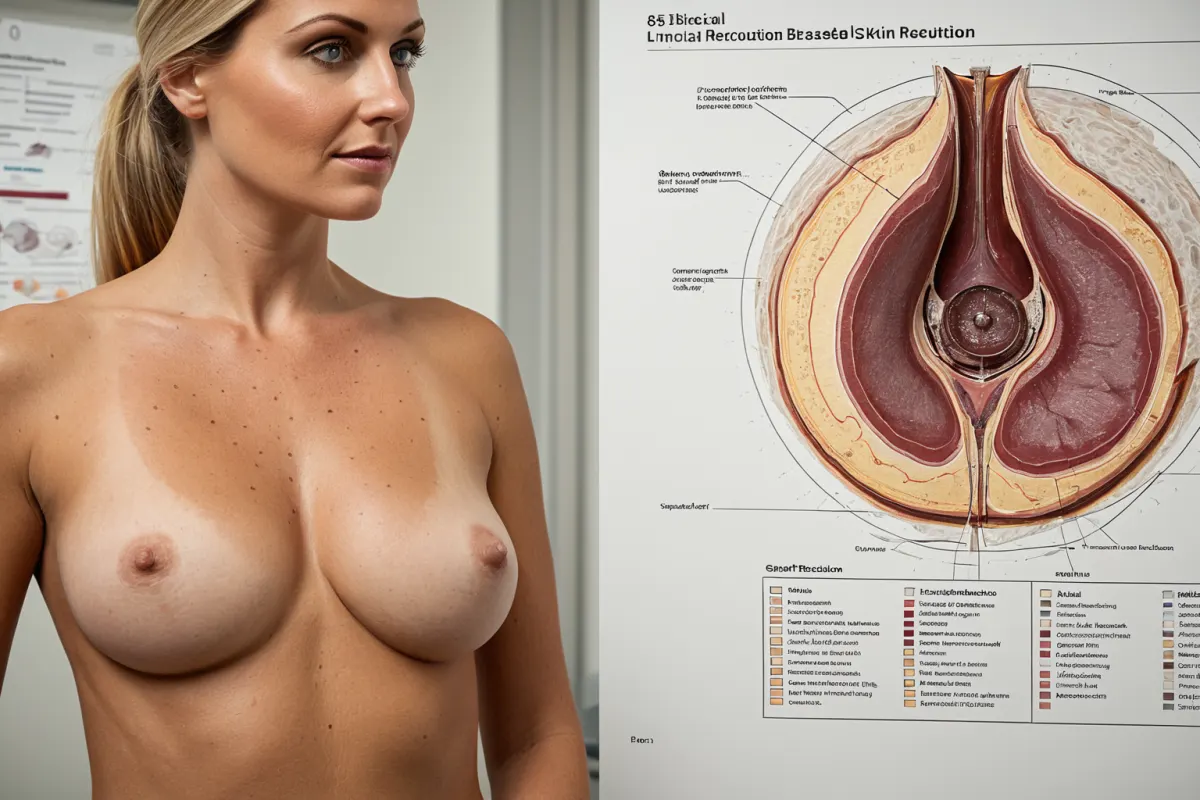
Before surgery, patients often experienced anxiety about appearance and function recovery. After considering reconstruction options, many found increased psychological stability. According to Bundang Seoul National University Hospital research, nipple preservation rates are high at 75%, reflecting a growing preference among patients for preserving the nipple during surgery. While pre-surgery concerns focused on breast shape and functionality, post-surgery discussions about reconstruction methods often led to greater mental peace. Many patients who received nipple-preserving surgery reported faster return to daily life and improved social relationships.
Relationship Between Mental Health Risks and Reconstruction Methods
Autologous tissue reconstruction carries a 13% higher risk of mental health issues compared to implants, making it an important consideration for patients. Breast reconstruction plays a vital role in improving quality of life, requiring multidisciplinary approaches and ongoing management. Increased mental health risks reflect how reconstruction methods affect psychological well-being, suggesting that professional counseling is essential for post-surgery emotional stability. Patients considering reconstruction are advised to consult with mental health specialists before making decisions.
Timing of Breast Reconstruction and Patient Experiences
As Health Trends emphasized, breast reconstruction doesn't need immediate implementation but should be considered later. This allows patients to fully recover from initial surgery and plan reconstruction for quality-of-life improvement. Actual patient experiences show that many opt for reconstruction six months or more after radiation therapy completion, when tissue recovery is complete, leading to more satisfying outcomes.
Endoscopic Surgery and Breast Implant Market
Endoscopic breast cancer surgery methods are gaining attention for their precision and faster recovery. Through small incisions, tumor tissue can be removed with minimal scarring and reduced psychological burden. The breast implant market is expected to grow until 2035, offering patients more diverse reconstruction options. Recent advancements include personalized implant technology that better meets patient needs.
Benefits and Considerations of Nipple-Sparing Mastectomy
The rise in nipple-preserving surgery rates has contributed to reduced psychological burden and improved quality of life for patients. However, when choosing reconstruction methods, mental health risks should be considered, with later timing generally preferred over immediate procedures. After nipple-sparing mastectomy, breast shape and size changes may occur, so understanding these potential changes before surgery is important. Reconstruction typically occurs six months or more after initial surgery.
Importance of Nipple Preservation in Breast Cancer Treatment
Data from Bundang Seoul National University Hospital shows that nipple-preserving procedures account for approximately 75% of breast cancer surgeries. This represents a significant choice for patients seeking psychological stability and quality-of-life recovery. Nipple preservation goes beyond maintaining appearance—it contributes to improved self-esteem in sexual relationships and daily life, especially among younger patients who often prefer this option.
Managing Mental Health with Breast Reconstruction
Breast reconstruction after cancer surgery can influence mental health risks. Considering the 13% higher risk of mental health issues with autologous tissue compared to implants, patients should consult professionals to choose appropriate methods. Mental health management should begin before reconstruction and involve assessing psychological status. Regular post-reconstruction counseling is also recommended to help maintain quality of life over time.
Recent Trends in Breast Reconstruction Surgery
According to Health Trends reporting, breast reconstruction is better considered later rather than immediately after surgery. This allows patients to fully recover and plan for quality-of-life improvement. Additionally, endoscopic techniques and growing breast implant markets offer new options. Recent research also explores regenerative medicine based on cell therapy, which may significantly change future reconstruction procedures.
Summary of Patient Experiences with Nipple-Sparing Mastectomy
Comparing pre- and post-surgery experiences shows that considering reconstruction after nipple-preserving surgery leads to psychological stability. Data from Bundang Seoul National University Hospital and recent studies confirm the importance of mental health risks and timing considerations. Patients often felt anxious before surgery but reported faster return to daily life and improved social relationships due to nipple preservation. Many also noted more satisfying results when delaying reconstruction until after radiation therapy completion.
Frequently Asked Questions
When is the best time for breast reconstruction after nipple-sparing mastectomy?
Nipple-sparing mastectomy patients should consider reconstruction later rather than immediately. After radiation therapy, it's recommended to wait at least six months post-treatment completion before proceeding with reconstruction.
Which method has lower mental health risks: autologous tissue or implant-based reconstruction?
Implant-based reconstruction shows a 13% lower risk of mental health issues compared to autologous tissue reconstruction. Patients should consult healthcare professionals to determine the best approach for their individual needs.
What is the projected growth of the breast implant market?
The breast implant market is expected to grow until 2035, offering patients more diverse options for reconstruction. Advancements in personalized implant technology are also contributing to better product availability that meets patient-specific requirements.
You can find similar articles all in one place.
View Related ArticlesFAQ
When is the best time for breast reconstruction after nipple-sparing mastectomy?
Nipple-sparing mastectomy patients should consider reconstruction later rather than immediately. After radiation therapy, it's recommended to wait at least six months post-treatment completion before proceeding with reconstruction.
Which method has lower mental health risks: autologous tissue or implant-based reconstruction?
Implant-based reconstruction shows a 13% lower risk of mental health issues compared to autologous tissue reconstruction. Patients should consult healthcare professionals to determine the best approach for their individual needs.
What is the projected growth of the breast implant market?
The breast implant market is expected to grow until 2035, offering patients more diverse options for reconstruction. Advancements in personalized implant technology are also contributing to better product availability that meets patient-specific requirements.
Korean Source
This article is an English localization of a Korean-language report from BlogScore. Original: 유두절 유두 절제술 환자 경험: 수술 전후 비교와 조언