
Newly Revised Safety Measures After Shinlim-dong Gosiwon Fire Incident
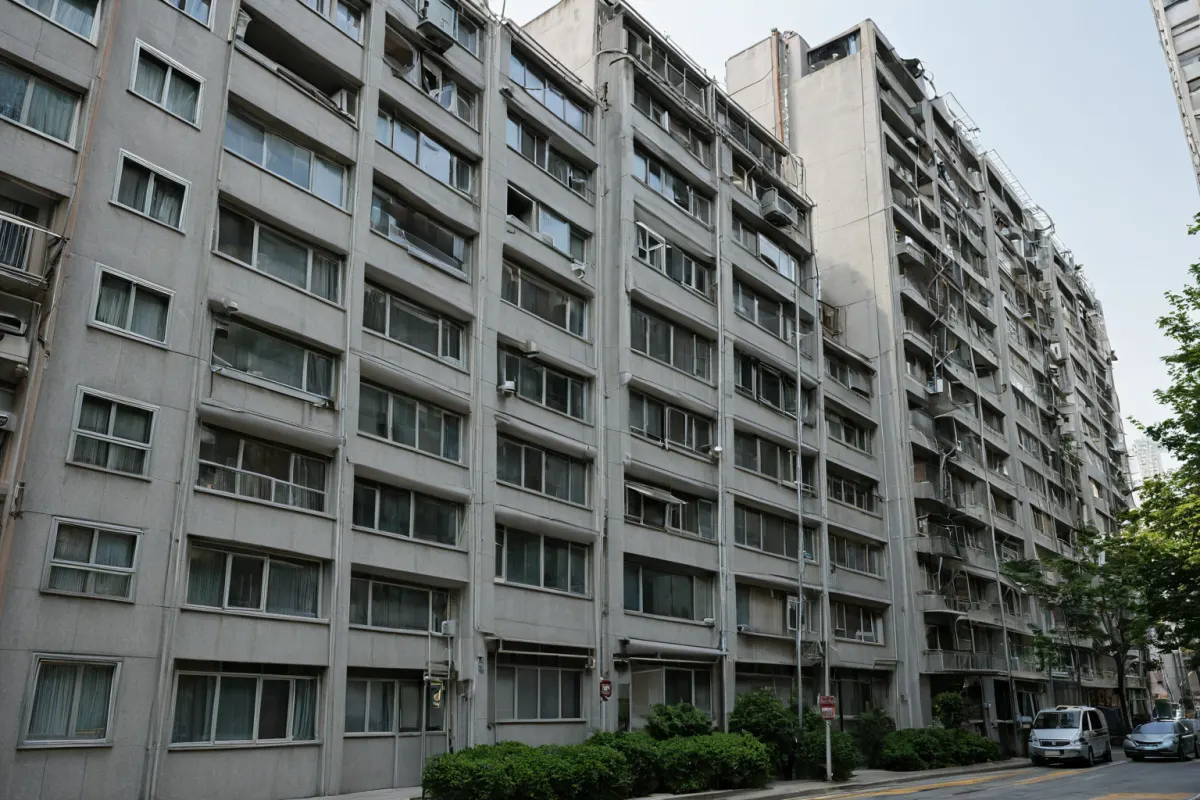
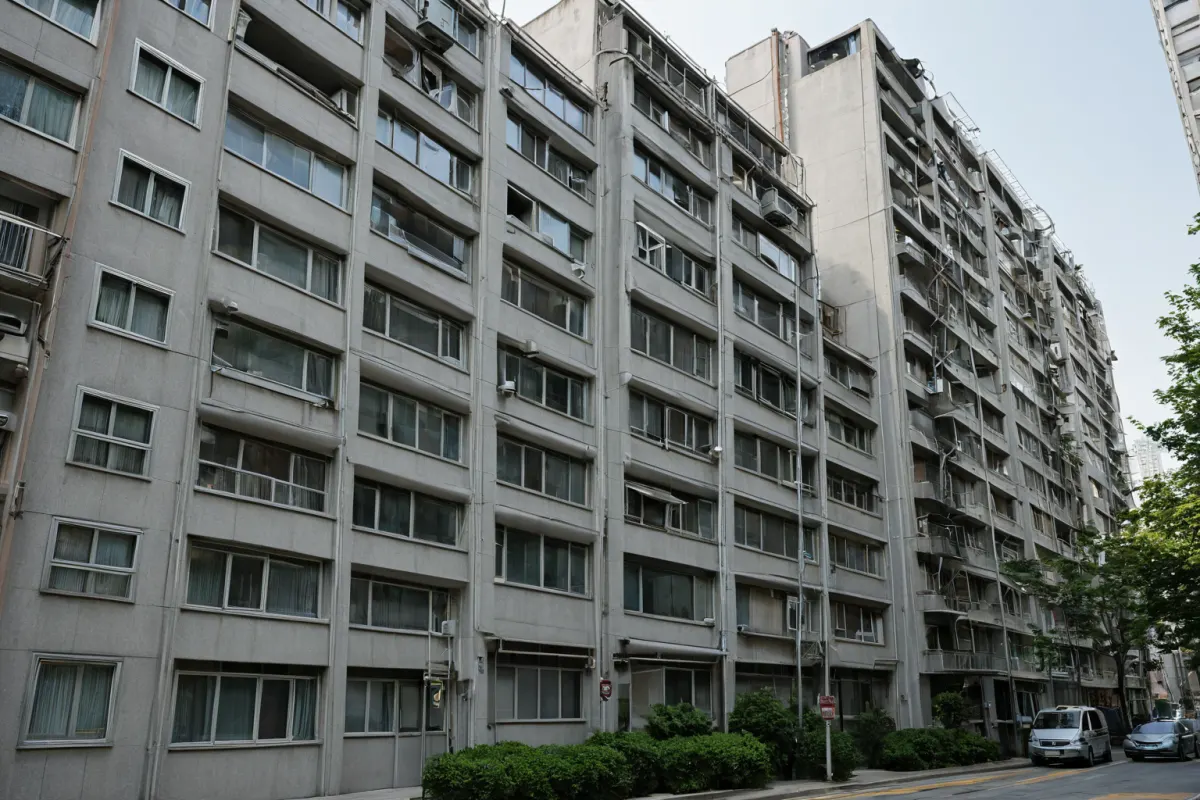
Shinlim-dong Gosiwon Fire Scene Situation
A fire broke out at a gosiwon (low-cost dormitory) in Shinlim-dong, Gwanak-gu, Seoul on the afternoon of April 10, 2019. The fire department began firefighting operations around 3:25 PM, and thick smoke and high heat were observed at the scene. The incident resulted in nine people being hospitalized and one person remaining unconscious, with some suffering burns and breathing difficulties. At that time, the gosiwon was located in an area densely populated by low-income residents, and narrow fire truck access routes delayed initial response efforts, contributing to the expansion of casualties.
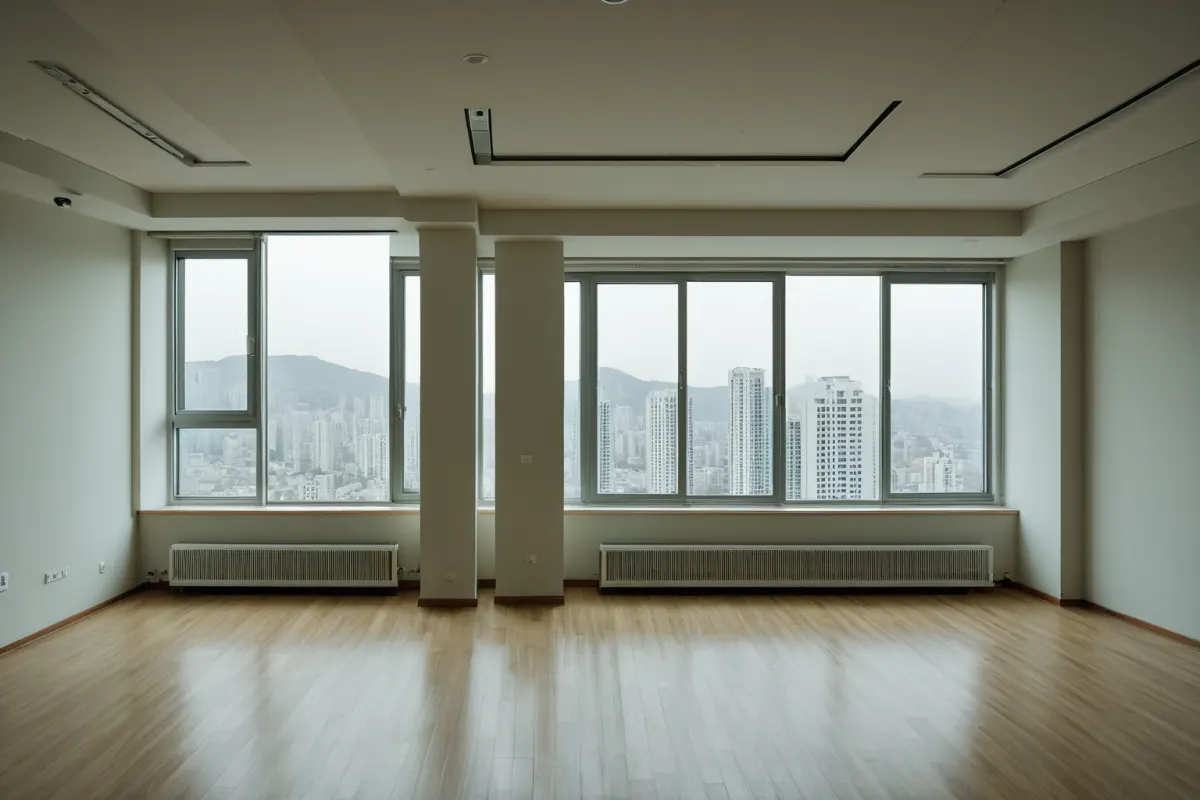
Fire Incident Details and Casualties
The Shinlim-dong gosiwon fire occurred around 3:25 PM on April 10, 2019. Residents reportedly failed to detect the fire early, causing delayed evacuations. According to fire department investigations, many rooms inside the gosiwon lacked basic sprinklers, which was identified as a key factor in failing to contain the fire's spread. Particularly, narrow rooms under 7 square meters with no windows limited evacuation routes, contributing significantly to casualties.
Seoul City has since strengthened safety management for gosiwons following this incident. The regulation prohibiting construction of rooms smaller than 7 square meters or without windows, implemented on March 18, 2019, aims to improve design for easier evacuation during fires. New gosiwons and renovations must now comply with this rule. Additionally, as of May 3, 2021, the installation rate of basic sprinklers in Seoul's gosiwons reached 97.6%, considered a success of policies enacted after the National Gosiwon tragedy.
Response Measures and Policy Changes
Seoul City has adopted multiple approaches to address gosiwon safety issues. First, mandatory basic sprinkler installation supports early fire suppression. Second, building regulations have been strengthened to improve design standards for new gosiwons. The March 18, 2019 regulation prohibiting rooms under 7 square meters or without windows is a critical policy aimed at enhancing the safety of this low-income housing type.
Additionally, Representative Hyung-Young Huh introduced and passed the 'Act on Mandatory Investigation of Vulnerable Housing Conditions in Basements and Attics with Support for Relocation Costs' through the National Assembly's plenary session on November 14, 2025. This law mandates investigations into vulnerable housing conditions in basements and attics and provides relocation cost support, expected to contribute to improved safety and living environments for gosiwon residents. With this legislation, safety inspections for basement and attic dwellers will be strengthened, and relocation support may help transition residents to better housing conditions.
Current Safety Management Status of Gosiwons
Seoul City has actively promoted the installation of basic sprinklers in gosiwons, reaching a 97.6% installation rate as of May 3, 2021. This figure represents the results of measures implemented after the National Gosiwon tragedy, with many gosiwons expanding their safety facilities. Basic sprinklers help extinguish flames during early fire stages by spraying water, significantly reducing casualties in areas densely populated by low-income residents.
Gosiwons have become the 'last resort housing' in major cities, primarily inhabited by low-income residents. Due to often poor living conditions, safety management has become increasingly important. Seoul City now conducts regular safety inspections for gosiwons and focuses on verifying sprinkler installations and compliance with building regulations since 2019.
Fire Cause and Response Procedures
The exact cause of the Shinlim-dong gosiwon fire has not been reported, but inadequate safety facilities inside contributed significantly to casualties. The lack of basic sprinklers led to severe casualties. While the fire department responded promptly after the incident, early suppression was difficult, resulting in greater damage.
Following the fire, Seoul City strengthened safety standards for gosiwons to prevent recurrence. Starting March 18, 2019, they implemented a regulation prohibiting construction of rooms under 7 square meters or without windows and promoted higher basic sprinkler installation rates. Additionally, Seoul City provides safety education and evacuation drills for gosiwon residents to enable faster response during fires.
Information to Verify
The specific cause of the Shinlim-dong gosiwon fire has not been reported, nor have exact locations or scales been disclosed. However, following this incident, Seoul City raised basic sprinkler installation rates and strengthened building regulations for improved safety management. Gosiwons remain a primary housing option for low-income residents, and Seoul City continues regular safety inspections and evacuation drills to prevent recurrence.
Readers should verify whether gosiwons have installed basic sprinklers and comply with building regulations. Additionally, with Representative Huh's law, investigations into vulnerable basement and attic dwellers' conditions will expand, along with support for relocation costs, expected to further improve safety and living environments for gosiwon residents.
Frequently Asked Questions
How did Seoul City increase the basic sprinkler installation rate in gosiwons?
Seoul City strengthened safety management after the National Gosiwon tragedy by making basic sprinkler installation mandatory. This led to a 97.6% installation rate as of May 3, 2021.
What are the building regulations for gosiwons?
Since March 18, 2019, construction of rooms smaller than 7 square meters or without windows has been prohibited. This measure aims to improve safety standards for low-income housing in gosiwons.
When did Representative Huh's bill pass the National Assembly?
Representative Hyung-Young Huh's 'Act on Mandatory Investigation of Vulnerable Housing Conditions in Basements and Attics with Support for Relocation Costs' passed through the National Assembly's plenary session on November 14, 2025.
You can view similar articles in one place.
View Related ArticlesFAQ
How did Seoul City increase the basic sprinkler installation rate in gosiwons?
Seoul City strengthened safety management after the National Gosiwon tragedy by making basic sprinkler installation mandatory. This led to a 97.6% installation rate as of May 3, 2021.
What are the building regulations for gosiwons?
Since March 18, 2019, construction of rooms smaller than 7 square meters or without windows has been prohibited. This measure aims to improve safety standards for low-income housing in gosiwons.
When did Representative Huh's bill pass the National Assembly?
Representative Hyung-Young Huh's 'Act on Mandatory Investigation of Vulnerable Housing Conditions in Basements and Attics with Support for Relocation Costs' passed through the National Assembly's plenary session on November 14, 2025.
Korean Source
This article is an English localization of a Korean-language report from BlogScore. Original: 신림동 고시원 화재 현장 상황과 대응 방안