
New Fire Chief's Policy Shift Aims to Improve Disaster Response and Build Public Trust
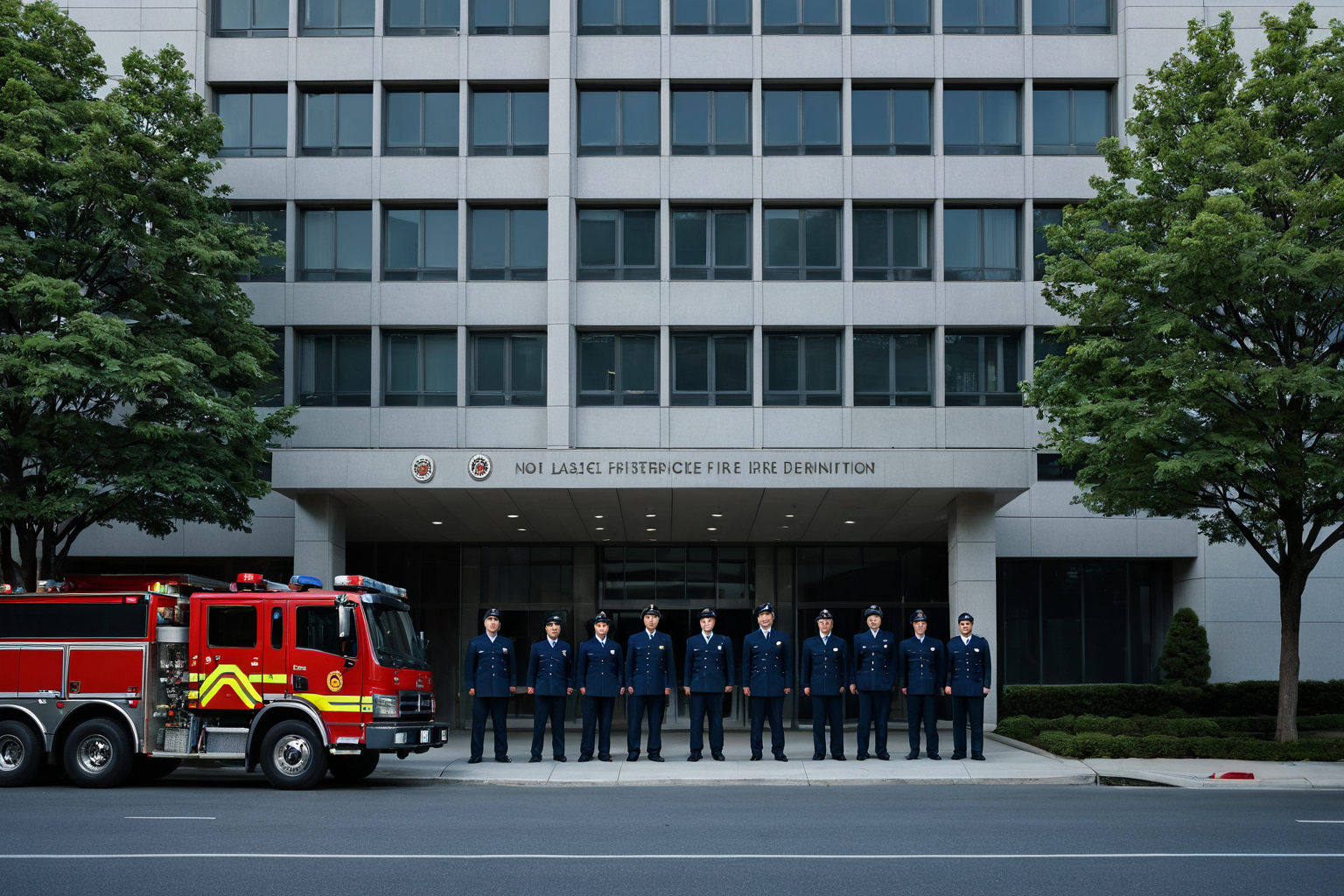
New Fire Chief Takes Office with Organizational Reform Focus
On August 21, 2026, newly appointed Fire Headquarters Director Choi Yong-chul took office, committing to 'building a fire service that earns public trust' through organizational culture reform and improved disaster response systems. With prior experience as Deputy Director of the Fire Headquarters, Choi plans to announce his organizational reform plan by September 21, 2026.
The Fire Headquarters has planned investments in AI-based 119 emergency system enhancement, unmanned firefighting robots, and expanded drone deployment for field operations within its 37.13 billion won budget for next year. These measures are part of a broader strategy to improve risk information sharing and command systems following the Wando firefighter incident.
Director Choi has set as his goal the construction of 'a strong fire system that responds to changing disaster environments,' combining internal reforms with field-oriented policies to rebuild public trust. Following the July 3, 2026 release of the investigation report on the Wando incident, the Fire Headquarters has been developing measures to address identified issues of insufficient risk information and inadequate command systems.
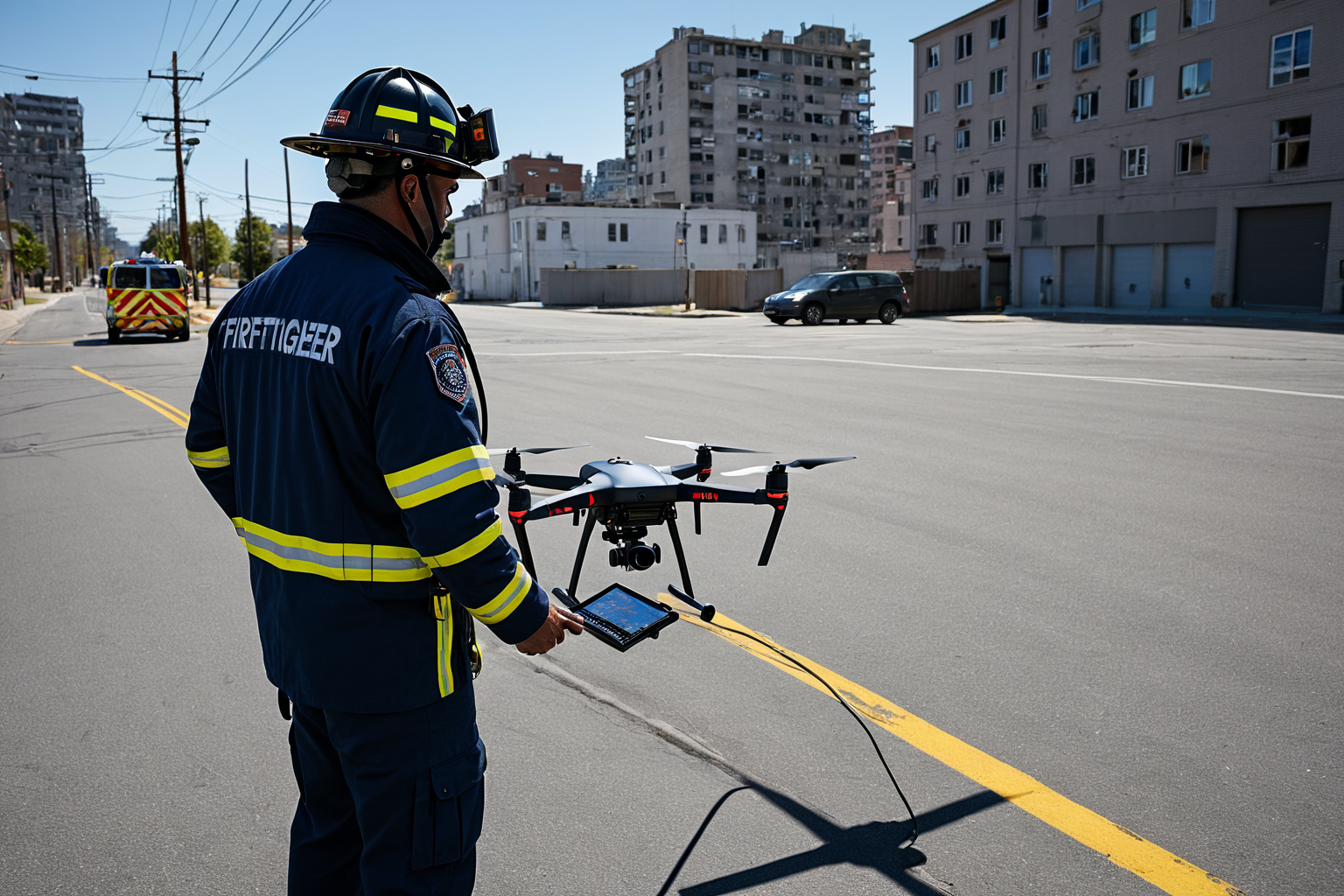
Improving Disaster Response Systems Through Technology Innovation
The Fire Headquarters is advancing AI-based 119 system enhancement, unmanned firefighting robots, and expanded drone deployment in the field. These initiatives aim to address issues of insufficient risk information and inadequate command systems identified during the Wando incident, as announced by the Fire Headquarters on August 5, 2026.
Within next year's budget of 37.13 billion won, significant investment will be made in improving fire communication networks, which is expected to play a crucial role in modernizing disaster response systems.
On May 3-4, 2026, the Fire Headquarters held a national meeting for fire command officers where it presented its direction for 'field-oriented firefighting response system' improvements. This aims to support firefighters in making rapid and accurate decisions at the scene.
Response Following Wando Incident and Strengthening Organizational Discipline
On July 3, 2026, the Fire Headquarters publicly released its investigation report on the Wando incident. The main causes identified were insufficient risk information and inadequate command systems. In response, the Fire Headquarters began developing measures, announcing its reform plan on September 14, 2026 with a commitment to 'correct mistakes regardless of rank or position.'
To implement field-oriented policies, the Fire Headquarters announced disciplinary actions against 15 officers for misconduct at the Jeonnam-Gwangju Fire Station. This is considered an initial step in strengthening organizational discipline and rebuilding public trust.
Director Choi promised to build 'a fire service that earns public trust' upon taking office on August 21, 2026, beginning a period of active policy implementation. While details were not shared before the announcement of its organizational reform plan, Director Choi has outlined key directions for the Fire Headquarters.
Next Year's Budget and Technology Investment Plan
The Fire Headquarters has secured a 37.13 billion won budget for 2027 to focus on enhancing advanced disaster response technologies, particularly AI and firefighting robots. This is central to the Fire Headquarters' modernization strategy, with significant emphasis on unmanned equipment and AI-based systems.
On August 5, 2026, the Fire Headquarters announced its plans for accelerating the construction of an AI-based 119 system and expanding the introduction of unmanned equipment, showcasing a swift response to the Wando incident. This initiative is being closely watched as a model of prompt action.
The Fire Headquarters plans to announce its organizational culture reform plan by September 21, 2026, which is expected to be a key policy for rebuilding public trust and internal reforms within the organization. Additionally, the Fire Headquarters has awarded special honors to 69 outstanding firefighters for their meritorious service as part of its field-oriented policies.
Organizational Culture Reform and Rebuilding Public Trust
Director Choi has set 'building a fire service that earns public trust' as his goal, implementing internal reforms alongside field-oriented policies. With the reform plan scheduled for release by September 21, 2026, key directions will likely be further clarified before and after this date.
The Fire Headquarters is focusing on improving risk information sharing and command systems following the Wando incident, aiming to build a modernized firefighting response system through AI-based systems and unmanned equipment. This strategy is being evaluated as an important measure for enhancing trust in the fire service and ensuring public safety.
Presented at the national meeting of fire command officers on May 3-4, 2026, the 'field-oriented firefighting response system' improvement direction aims to support rapid responses to field conditions. This policy is designed to improve firefighter efficiency and more effectively secure public safety.
On July 29, 2026, disciplinary actions against 15 officers for misconduct at Jeonnam-Gwangju Fire Station were announced. This demonstrates the Fire Headquarters' proactive approach to strengthening organizational discipline and is considered an initial step toward rebuilding public trust.
Key Information to Note
The Fire Headquarters' organizational culture reform plan is scheduled for release on September 21, 2026. It is expected to be a key policy for rebuilding public trust alongside internal reforms within the organization.
While specific details of investment in fire communication network improvements have not yet been publicly disclosed from next year's budget of 37.13 billion won, investments in AI-based systems and unmanned equipment are emerging as major priorities.
The investigation report on the Wando incident was released by the Fire Headquarters on July 3, 2026, identifying insufficient risk information and inadequate command systems as primary issues. Measures to address these problems are currently underway, with a focus on implementing AI-based systems to resolve them.
The Fire Headquarters has awarded special honors to 69 firefighters for meritorious service as part of its field-oriented policies. This is one strategy for gaining public trust and demonstrates the Fire Headquarters' cultural changes.
Frequently Asked Questions
What experience does Director Choi Yong-chul have?
Director Choi Yong-chul previously served as Deputy Director of the Fire Headquarters and has led efforts in internal reforms and field-oriented policies.
When is the organizational culture reform plan scheduled to be announced?
The Fire Headquarters plans to announce its organizational culture reform plan by September 21, 2026.
What were the main causes of the Wando incident?
The main causes identified in the Wando incident investigation report were insufficient risk information and inadequate command systems.
Frequently Asked Questions
Following Director Choi Yong-chul's appointment, the Fire Headquarters has significantly advanced policies focused on organizational reform and improved disaster response systems. The organizational culture reform plan scheduled for release by September 21, 2026 is expected to be a key strategy for rebuilding public trust while driving internal reforms within the organization.
The Fire Headquarters is focusing its efforts on building a modernized firefighting response system through AI-based systems and unmanned equipment investment. Following the Wando incident, it has concentrated on improving risk information sharing and command systems as part of this effort. This strategy is being viewed as an important measure for enhancing trust in the fire service and ensuring public safety.
The 'field-oriented firefighting response system' improvement direction presented at the national meeting of fire command officers on May 3-4, 2026 aims to support rapid responses to field conditions. This policy is designed to improve firefighter efficiency and more effectively secure public safety by enabling faster decisions in emergency situations.
The Fire Headquarters has awarded special honors to 69 meritorious firefighters as part of its field-oriented policies, which is one strategy for gaining public trust. Additionally, disciplinary actions against 15 officers for misconduct at Jeonnam-Gwangju Fire Station were announced to strengthen organizational discipline and rebuild public trust.
Within next year's budget of 37.13 billion won, investments in AI and firefighting robots will be prioritized as part of the Fire Headquarters' modernization strategy. This is central to enhancing advanced disaster response technologies and improving overall emergency response capabilities.
Director Choi has committed to building 'a fire service that earns public trust,' implementing internal reforms alongside field-oriented policies to rebuild public confidence. This represents a significant turning point for the Fire Headquarters as it builds a new era of disaster response systems.
You can view similar articles on this topic in one place.
View Related ArticlesFAQ
What experience does Director Choi Yong-chul have?
Director Choi Yong-chul previously served as Deputy Director of the Fire Headquarters and has led efforts in internal reforms and field-oriented policies.
When is the organizational culture reform plan scheduled to be announced?
The Fire Headquarters plans to announce its organizational culture reform plan by September 21, 2026.
What were the main causes of the Wando incident?
The main causes identified in the Wando incident investigation report were insufficient risk information and inadequate command systems.
Korean Source
This article is an English localization of a Korean-language report from BlogScore. Original: 소방청장 최용철 정책 변화, 재난 대응 체계 개선