
New Fire Chief Appointment Signals Shift in South Korea's Fire Safety Policies
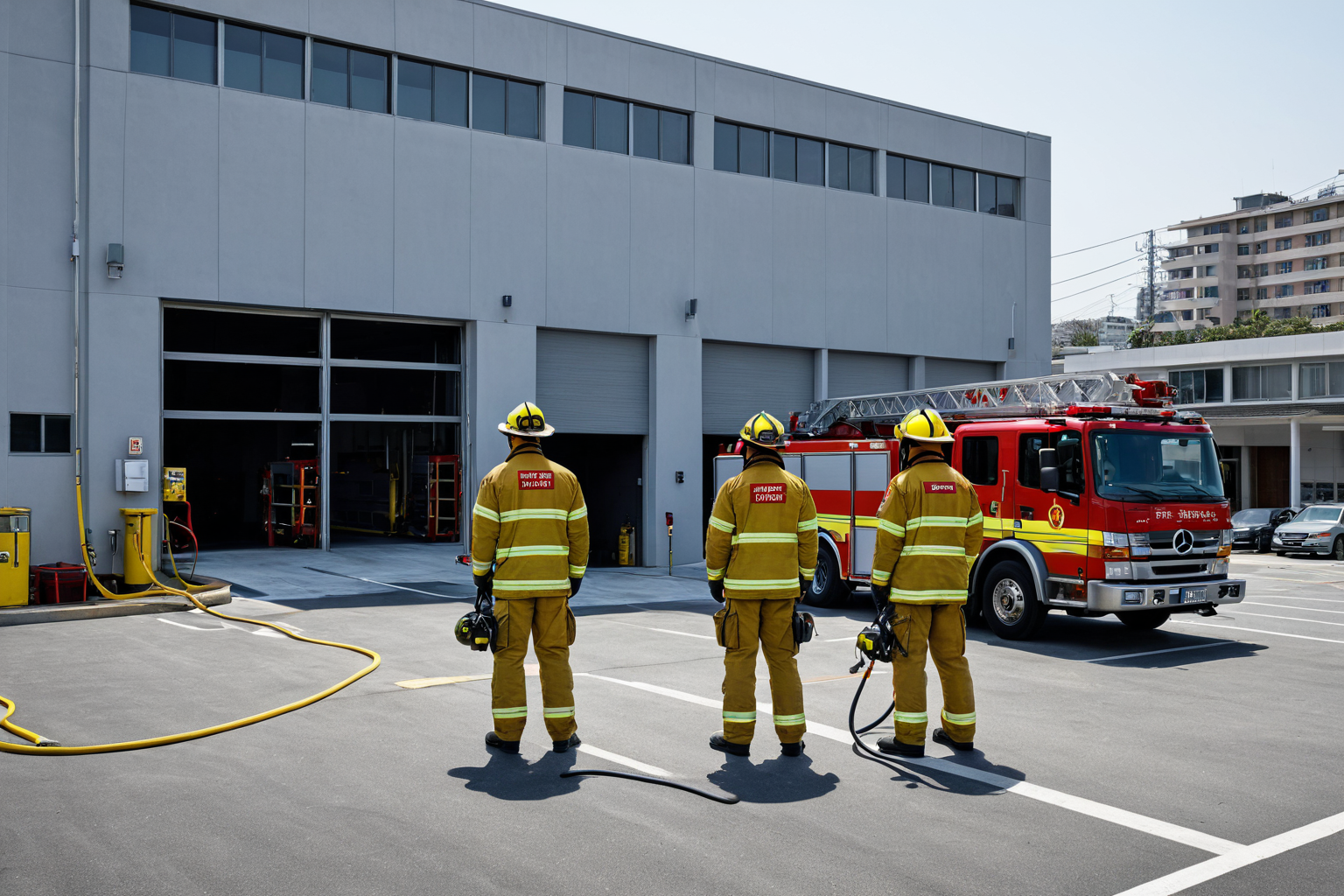
Choi Yong-cheol's Appointment: Background and Key Policy Shifts
Choi Yong-cheol was appointed as the 8th head of the Fire Administration on August 21, 2026, by President Yoon. With 27 years of hands-on firefighting experience, he aims to build a 'trusted fire service that earns public confidence' through organizational culture reform and on-the-ground policy improvements.
During his swearing-in speech on August 22, Choi announced plans to expand firefighter commander training from four weeks to 24 weeks and improve procedures for handling non-emergency and repeated reports. These changes reflect a practical approach based on field experience.
He also expressed deep responsibility over recent incidents including the death of a female firefighter and misconduct cases at Gwangju Fire Station in South Jeolla Province, pledging to apply a zero-tolerance policy against bullying and harassment. A comprehensive organizational culture reform plan will be unveiled by September 21.
This appointment comes just three months after his predecessor Kim Seung-ryong was removed due to controversy over overseas travel arrangements, reflecting urgent internal demands for improvement within the Fire Administration.
Expanding Fire Commander Training and On-the-Ground Policy Focus
A key policy shift under Choi is significantly extending firefighter commander training from four weeks to 24 weeks. This addresses inefficiencies caused by insufficient field experience among commanders.
The previous short four-week training period left commanders unable to fully understand real-world situations, which the new extended program aims to correct through comprehensive education.
Choi emphasizes strengthening new firefighters' on-site adaptability with his 'reform from the ground up' approach. This is based on analysis of data showing 95 officers handling 93,000 emergency calls in one year.
The Fire Administration also plans to improve procedures for non-emergency and repeated reports, aiming to boost operational efficiency. A policy announcement regarding this is scheduled for September 14, expected to enable faster on-site responses.
Organizational Culture Reform and Zero-Tolerance Policy
Choi's focus includes reforming internal organizational culture, particularly applying a zero-tolerance policy against bullying and harassment.
This decision follows recent incidents including the punishment of 15 officers for misconduct at Gwangju Fire Station in South Jeolla Province and the death of a female firefighter. The administration acknowledged that these events significantly damaged public trust.
The organizational culture reform plan, to be released by September 21, will include strengthened commander training alongside on-site service improvements aimed at restoring public trust. This is expected to serve as a key strategy for regaining confidence.
The Fire Administration aims to 'establish a 119 emergency service grounded in fundamentals and principles,' promising improved transparency and reliability through on-site-focused services.
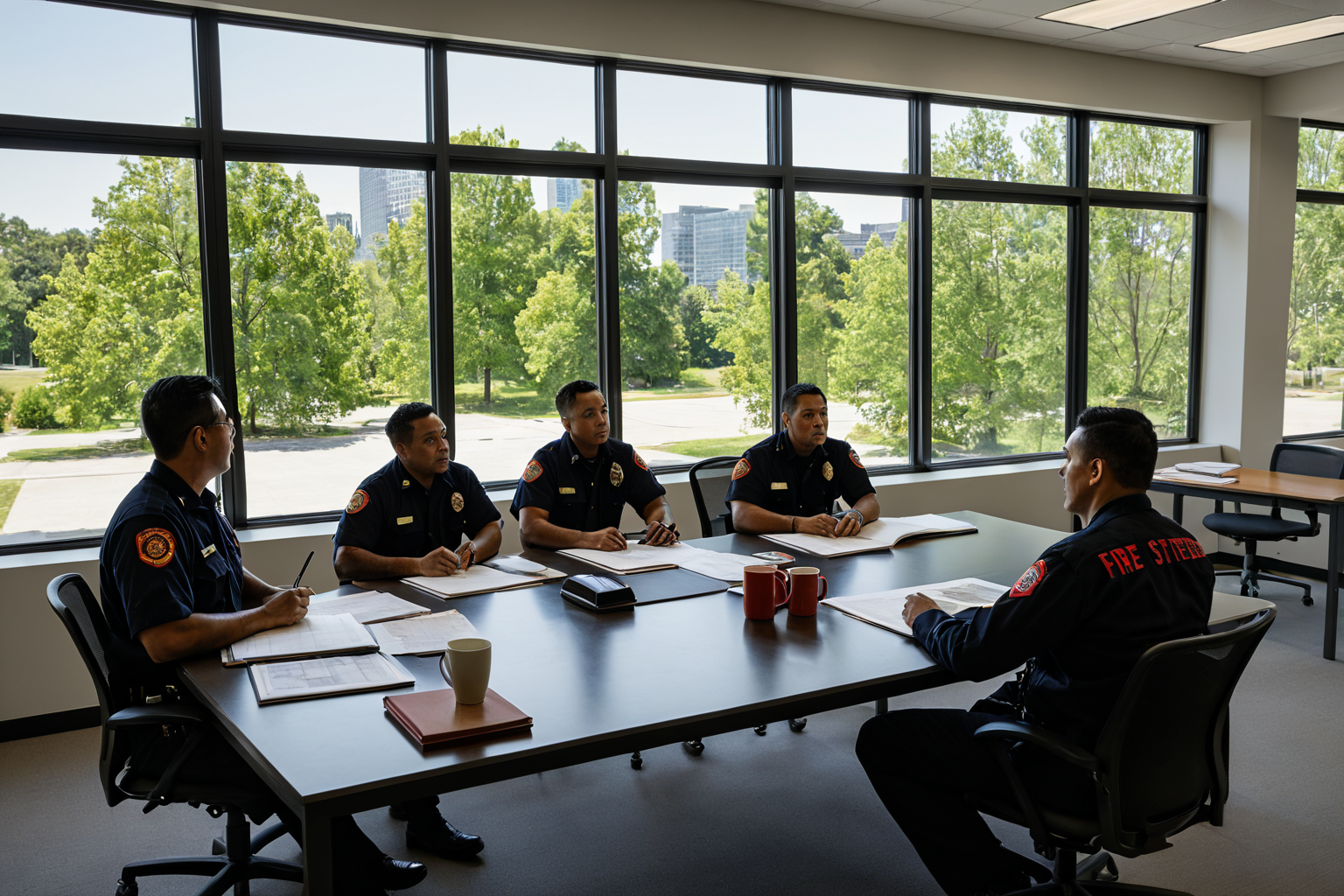
Choi's Appointment Context and Recent Incidents
With 27 years of direct firefighting experience, Choi is widely regarded as a 'fire service expert' with solid administrative experience. His predecessor Kim Seung-ryong was removed after just three months in office due to controversy over overseas travel arrangements.
During Kim's tenure, 15 officers were disciplined for misconduct at Gwangju Fire Station and a female firefighter died—a series of events that led to urgent internal demands for reform. Choi's appointment is seen as addressing these needs.
The administration has already announced major disciplinary actions regarding the female firefighter's death and expressed responsibility over the incident, marking an initial step toward rebuilding trust internally. The discipline of 15 officers also marks the beginning of applying a zero-tolerance policy against bullying and harassment within the organization.
Building on these incidents, Choi is pushing for organizational culture reform to gain public trust through concrete measures. This goes beyond simple policy changes, aiming for a cultural shift across the entire organization.
Potential Policy Shifts and Political Context
Choi's appointment reflects President Yoon's broader policy direction, with his goal of building 'a fire service that earns public trust' carrying significant political weight.
Expected policy shifts include on-site operational improvements, internal cultural reform, and rebuilding public trust. The extension of firefighter commander training and improved handling of non-emergency reports are expected to bring tangible changes.
The Fire Administration's reforms are seen not just as efficiency improvements but as efforts to transform into an organization that both the public and firefighters can trust. This will improve service quality and enable faster on-site responses.
Choi is pursuing organizational culture reform and strengthening on-the-ground policies to achieve his goal of 'a trusted fire service.' This represents a cultural shift across the entire Fire Administration, not just policy adjustments.
Public Response and Safety Information
The upcoming organizational culture reform plan will focus on improving working conditions for firefighters while rebuilding public trust. This directly impacts the quality of fire services provided to citizens.
Extending firefighter commander training is expected to enhance on-site response capabilities, while improved procedures for non-emergency and repeated reports will increase efficiency in emergency call systems. Firefighters will be better equipped to handle their duties systematically.
The application of a zero-tolerance policy against bullying and harassment is anticipated to contribute to internal trust rebuilding within the organization. This will help firefighters work in safer, healthier environments.
By aiming to 'establish a 119 emergency service grounded in fundamentals and principles,' the Fire Administration seeks to provide reliable services that citizens can trust. On-site-focused improvement plans are expected to be part of this strategy.
Key Dates and Information to Monitor
Choi's appointment took place on August 21, 2026, with his goal of 'a trusted fire service' announced in his inaugural speech. A comprehensive organizational culture reform plan is scheduled for release by September 21.
The extension of firefighter commander training and improvements to non-emergency report handling procedures are set for announcement on September 14, expected to significantly improve operational efficiency.
Organizational culture initiatives will include applying a zero-tolerance policy against bullying and harassment alongside on-site service improvements. This dual approach aims to rebuild internal trust while gaining public confidence.
The administration has already expressed responsibility over the female firefighter's death and misconduct cases at Gwangju Fire Station, marking these as starting points for cultural reform within the organization. These efforts aim to support firefighters working in safer, more trustworthy environments.
Frequently Asked Questions
What was the background behind Choi Yong-cheol's appointment?
Choi was appointed by President Yoon as the 8th head of the Fire Administration following the removal of his predecessor Kim Seung-ryong after just three months due to controversy over overseas travel arrangements. Choi is recognized as a firefighting expert with 27 years of hands-on experience.
How will firefighter commander training change?
The training period will be expanded from four weeks to 24 weeks, addressing inefficiencies caused by insufficient field experience among commanders and providing more comprehensive education to improve fire service efficiency.
When will the organizational culture reform plan be announced?
A comprehensive organizational culture reform plan is scheduled for release by September 21, 2026. It will include applying a zero-tolerance policy against bullying and harassment alongside on-site service improvement initiatives.
Frequently Asked Questions
Choi Yong-cheol, the new head of the Fire Administration, has set 'a trusted fire service that earns public confidence' as his goal. He is pursuing organizational culture reform and strengthening on-the-ground policies with a focus on concrete measures rather than simple policy changes.
The expansion of firefighter commander training and improved handling of non-emergency reports are expected to bring tangible efficiency improvements, while applying a zero-tolerance policy against bullying will help rebuild internal trust within the organization.
These reforms represent an effort for both the public and firefighters to trust the Fire Administration more. This goes beyond simple policy changes, aiming to improve service quality and enable faster on-site responses.
Choi's 'trusted fire service' goal is seen as a new beginning for the Fire Administration, with specific plans scheduled for announcement by September 21.
You can view similar articles in one place.
View Related ArticlesFAQ
What was the background behind Choi Yong-cheol's appointment?
Choi was appointed by President Yoon as the 8th head of the Fire Administration following the removal of his predecessor Kim Seung-ryong after just three months due to controversy over overseas travel arrangements. Choi is recognized as a firefighting expert with 27 years of hands-on experience.
How will firefighter commander training change?
The training period will be expanded from four weeks to 24 weeks, addressing inefficiencies caused by insufficient field experience among commanders and providing more comprehensive education to improve fire service efficiency.
When will the organizational culture reform plan be announced?
A comprehensive organizational culture reform plan is scheduled for release by September 21, 2026. It will include applying a zero-tolerance policy against bullying and harassment alongside on-site service improvement initiatives.
Korean Source
This article is an English localization of a Korean-language report from BlogScore. Original: 최용철 소방청장 임명, 소방 정책 변화 예상