
National Response to Rising Sea Temperatures and Impact on Tourism Industry
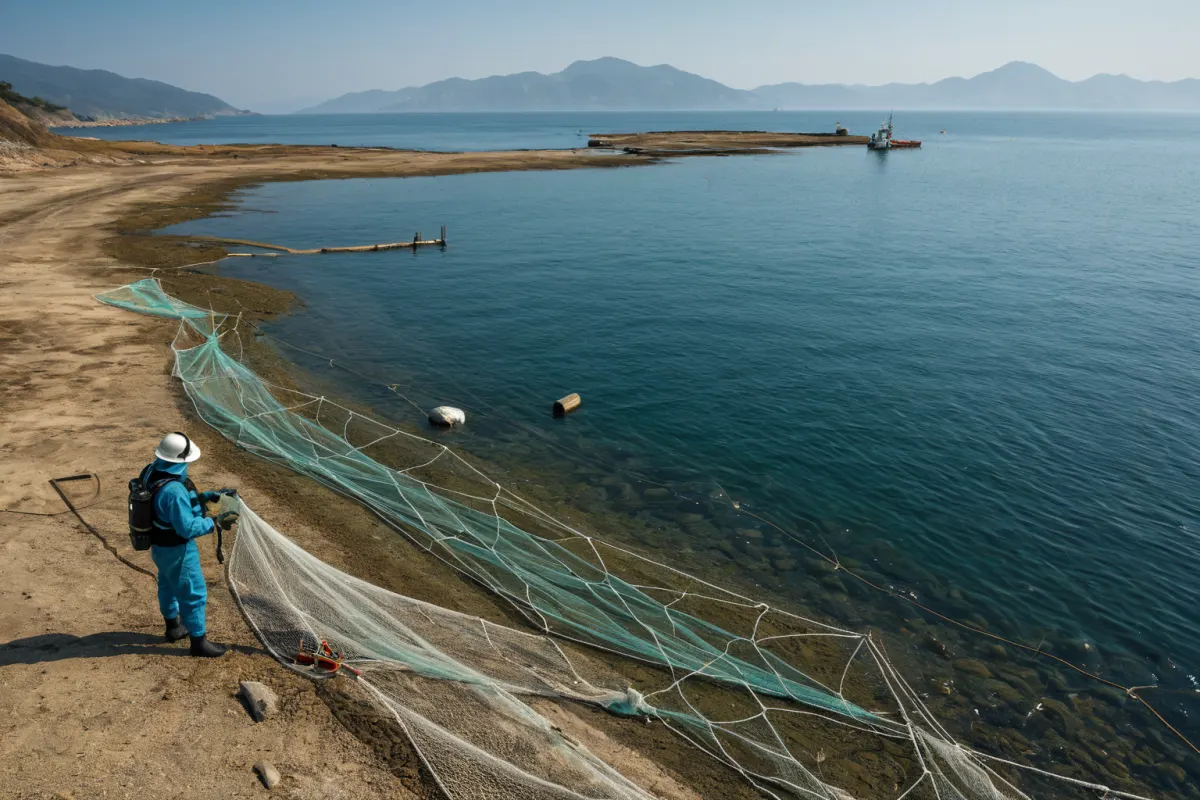
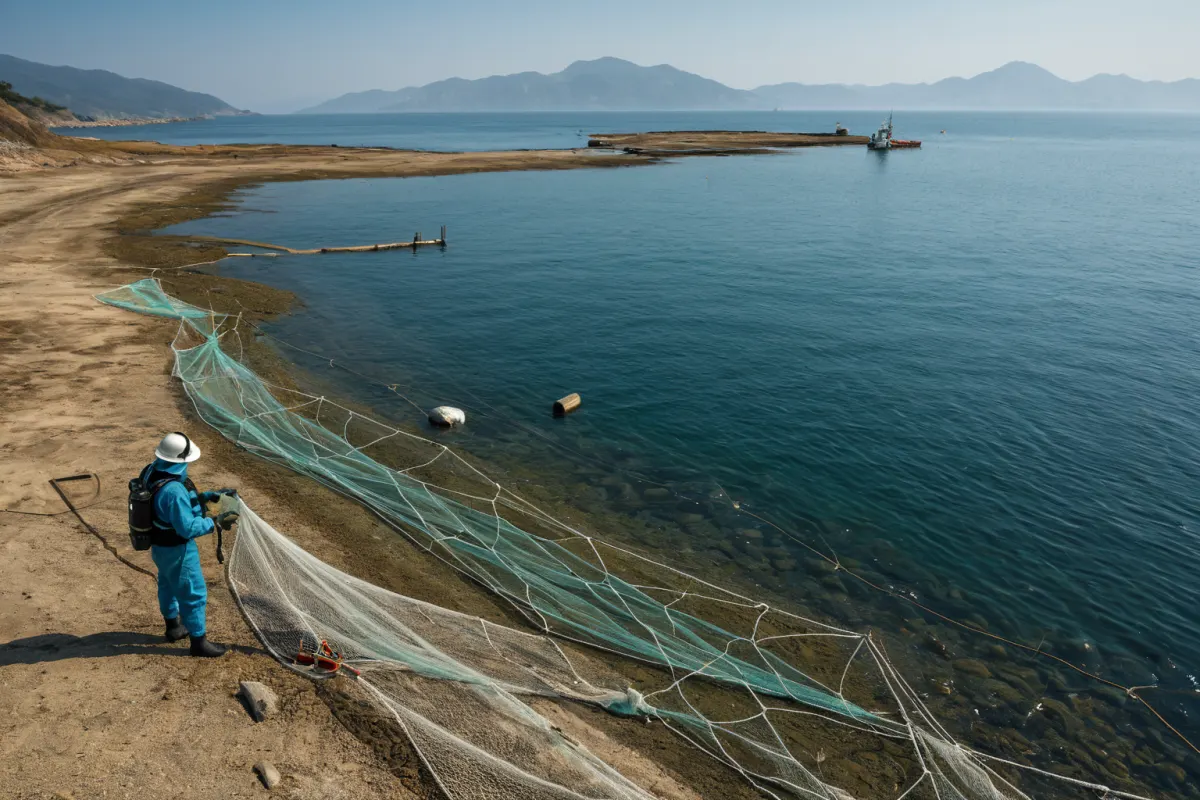
Rising sea temperatures across South Korea have caused a sharp increase in the death of farmed fish, with 450,000 fish dying and total damages amounting to ₩105 million. The government and local authorities have activated emergency response teams to develop measures against high water temperatures. This issue has become a significant concern not only for fisheries but also for food security on dining tables.
National High Sea Temperature Alert Status
High sea temperature alerts have been issued in 17 regions nationwide, contributing to the death of farmed fish and losses for fishermen. On August 6, 2026, the Gyeongsangnam-do Provincial Assembly's Committee on Agriculture, Fisheries, and Oceans conducted an on-site inspection to assess the response to high sea temperatures, with Jeju Island showing the most severe damage. The Central Federation of Fishery Cooperatives' Chairman, Noh Ryung-jin, visited a fish farm in Jeju on August 6, 2026, for emergency inspections and has gained trust from fishermen.
Scale of Damage Caused by High Sea Temperatures
A total of 450,000 farmed fish have died, with 1 million animals including livestock and farmed fish reported dead. Fishermen are suffering significant losses, particularly in Jeju where climate insurance is being widely adopted to compensate for these losses. Starting July 31, 2026, the Central Federation of Fishery Cooperatives began providing advance insurance payouts and disaster recovery loans as part of emergency measures against high sea temperatures. This has helped fishermen recover more quickly from their losses. Additionally, in Jeju, the spread of intertidal seaweed (seagrass) is being managed through marine forest restoration efforts to aid in ecosystem recovery.
Government and Local Authority Response Measures
The Ministry of Oceans and Fisheries has activated an emergency task force focused on minimizing damage from high sea temperatures. On August 3, 2026, the ministry established the emergency task force to build a nationwide cooperative system for addressing high sea temperatures. Changwon City has developed a comprehensive plan to address heatwaves and high sea temperatures, combining marine ecosystem protection with support for fishermen. Taean County requested government funding on August 6, 2026, for high sea temperature damage response and marine issues, while Deputy Minister Nam Jae-hyeon of the Ministry of Oceans and Fisheries conducted an on-site inspection in the Chungcheong region on the same day to strengthen Taean's survival strategy for fisheries.
Climate Insurance Expansion Compensating Fishermen
In Jeju, climate insurance is being expanded to help compensate fishermen for losses. This insurance was designed to provide quick financial support to fishermen in case of natural disasters caused by climate change. Starting July 31, 2026, the Central Federation of Fishery Cooperatives began providing advance insurance payouts and disaster recovery loans as part of emergency measures against high sea temperatures. Climate insurance is expanding beyond Jeju and may be adopted nationwide in the future.
Ecosystem Impact and International Response
Massive marine heatwaves in the western United States are causing widespread shock to Pacific Ocean ecosystems, while seawater temperatures in the North Sea and Baltic Sea have reached record highs. These global trends highlight the severity of rising sea temperatures worldwide. Changes in Pacific ecosystems are leading to reduced fish stocks, sparking international discussions on ocean policy. This underscores the need for South Korea to strengthen its response measures against high sea temperatures.
Double Impact Concerns in Gyeongnam Sea
In Gyeongnam Sea, a double impact from high sea temperatures and red tides is being feared. On August 5, 2026, the Gyeongsangnam-do Provincial Assembly's Committee on Agriculture, Fisheries, and Oceans confirmed this issue through an on-site inspection, adding further burden to the aquaculture industry. Authorities are working to address these issues, with discussions focusing on establishing rapid response systems for red tide occurrences.
Taean County's Response Plan
Taean County urgently proposed survival strategies for fisheries to the government and Deputy Minister Nam Jae-hyeon of the Ministry of Oceans and Fisheries conducted an on-site inspection in the Chungcheong region on August 6, 2026. Taean County is focusing on securing national budget support and agricultural water supply as essential measures for fishery survival. Additionally, they plan to develop tailored response plans by gathering feedback from local fishermen.
Expansion of High Sea Temperature Alerts and Concerns Over Rising Food Prices
The number of regions under high sea temperature alerts has expanded to 17, increasing concerns over fishing industry damage and rising food prices. This directly affects consumers, prompting the government to work on solutions. With reduced seafood supply due to high temperatures, price fluctuations are expected, making it necessary to provide consumer information and support policies.
Expansion of Intertidal Seaweed Management in Jeju
In Jeju, efforts to manage the spread of intertidal seaweed (seagrass) have led to marine forest restoration projects. This aims to protect marine ecosystems and minimize damage caused by high sea temperatures. Since July 2026, Jeju Province has implemented policies to prevent the spread of seagrass, contributing to ecosystem recovery.
Marine Police Agency and Gyeongsangnam-do Provincial Assembly Response
The Marine Police Agency has increased the allocation of on-site support supplies to strengthen response against high sea temperature damage. On August 3, 2026, they added additional supplies, providing practical assistance to fishermen. The Gyeongsangnam-do Provincial Assembly's Committee on Agriculture, Fisheries, and Oceans is inspecting on-site responses to ensure that government and local authority measures are effective.
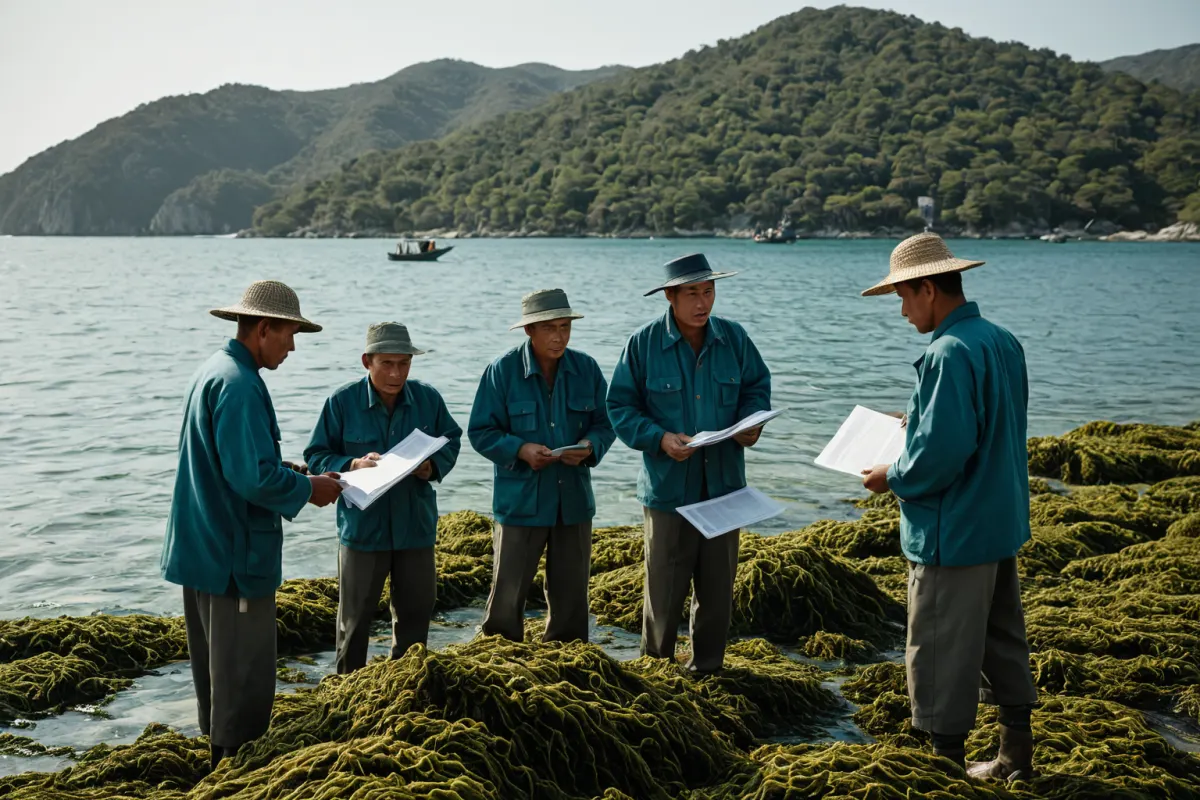
Evaluating High Sea Temperature Response Measures and Impact on Tourism Industry
The tourism industry is concerned about how to cope with the damage caused by high sea temperatures. Marine ecosystem protection and fisheries support policies can positively impact tourism recovery. In particular, marine forest restoration in Jeju and expansion of climate insurance could become new attractions for tourists. If high sea temperature response measures are effectively implemented, marine ecosystems will recover, improving the quality of tourism resources.
Effectiveness of High Sea Temperature Response Measures
The government's and local authorities' high sea temperature response measures are being implemented effectively, with climate insurance expansion in Jeju standing out. This helps fishermen compensate for losses and reduce economic burdens. Marine ecosystem protection efforts will also contribute to the long-term sustainability of tourism.
Proposed Future Response Measures
To prevent future high sea temperature events, continuous monitoring and climate change response strategies are necessary. The government and local authorities plan to develop additional measures for marine ecosystem protection. They aim to strengthen research and data collection on climate change to establish preventive response plans. Additionally, they will focus on developing region-specific tailored response strategies to minimize damage from high sea temperatures.
Key Information to Verify
High sea temperature alerts are in effect across 17 regions, with 450,000 farmed fish dead. The government and local authorities have activated emergency task forces, with Taean County and Changwon City developing response plans. In Jeju, climate insurance expansion is supporting compensation for fishermen's losses. The Marine Police Agency has increased on-site support supplies, while the Gyeongsangnam-do Provincial Assembly is inspecting on-site responses.
Frequently Asked Questions
How many regions have high sea temperature alerts? 17 regions.
How many farmed fish have died? 450,000.
How does climate insurance operate? It is used to compensate fishermen in Jeju for losses.
FAQ
How many regions have high sea temperature alerts?
17 regions.
How many farmed fish have died?
450,000.
How does climate insurance operate?
It is used to compensate fishermen in Jeju for losses.
Korean Source
This article is an English localization of a Korean-language report from BlogScore. Original: 전국 바다 고수온 대응 방안과 관광업계 영향 점검