
National Issues Research Institute Calls for Reflection on Ancestral Collaboration with Japan

National Issues Research Institute Clarifies Pro-Japanese Activities of Actor Ha Young's Great-Grandfather
The National Issues Research Institute stated that actor Ha Young's great-grandfather, An Sang-ho, engaged in pro-Japanese activities, urging historical reflection and accountability. This was reported by major media outlets including Yonhap News and YTN on August 14, 2026, during the 'Memory and Reflection' special week marking the 81st anniversary of Korea's Liberation Day.
The institute emphasized that An Sang-ho's pro-Japanese activities are clear-cut, cautioning against glorifying ancestors' mistakes. It also stated that even professionals with such records should be excluded from consideration, while avoiding collective blame.
During the 'Memory and Reflection' special week coinciding with Korea's Liberation Day 81st anniversary, the institute urged societal reflection on historical accountability. This period included criticism of the designation of Cho Byeong-ok, considered responsible for the Jeju 4.3 Incident, as a national hero.
Verification of An Sang-ho's Pro-Japanese Activities
The National Issues Research Institute confirmed that Ha Young's great-grandfather, An Sang-ho, had clear pro-Japanese activities. This was reported by Yonhap News and YTN on August 14-15, 2026.
The institute stressed that being unlisted in the 'Pro-Japanese Collaborators Dictionary' does not exempt individuals from historical accountability, noting many such figures are not officially recorded despite clear pro-Japanese actions. This highlights limitations in the dictionary's coverage and the need for thorough evaluation of all relevant records.
The institute reiterated that even professionals with pro-Japanese activities should be excluded from consideration, and collective blame should be avoided. It emphasized evaluating individuals based on their own actions rather than targeting family members or descendants.
Operation of 'Memory and Reflection' Special Week for Liberation Day 81st Anniversary
The National Issues Research Institute operated the 'Memory and Reflection' special week from August 14 to 15, 2026, marking Korea's Liberation Day 81st anniversary. During this period, it emphasized historical accountability for pro-Japanese activities and called for societal reflection.
Specifically, the institute criticized Cheonan City's designation of Cho Byeong-ok, identified as responsible for the Jeju 4.3 Incident, as a national hero, urging an end to historical distortion.
The institute released a statement on August 15, 2026, emphasizing that unlisted individuals in the 'Pro-Japanese Collaborators Dictionary' do not receive immunity, connecting this directly to An Sang-ho's case and affirming that those with clear pro-Japanese activities must be documented and evaluated.
Institute's Position on Unlisted Pro-Japanese Collaborators
The institute stressed that many individuals not listed in the 'Pro-Japanese Collaborators Dictionary' still bear historical responsibility, noting the dictionary may have strict criteria or overlook certain figures despite confirmed pro-Japanese actions.
It clarified that An Sang-ho's unlisted status does not grant him immunity from accountability. The institute argued that clear cases of pro-Japanese activities must be documented and evaluated without exception.
The institute also reiterated that even professionals with such records should be excluded, while avoiding collective blame. This underscores the importance of holding individuals accountable for their own actions rather than extending criticism to family members or descendants.
Social Significance of 'Memory and Reflection' Special Week
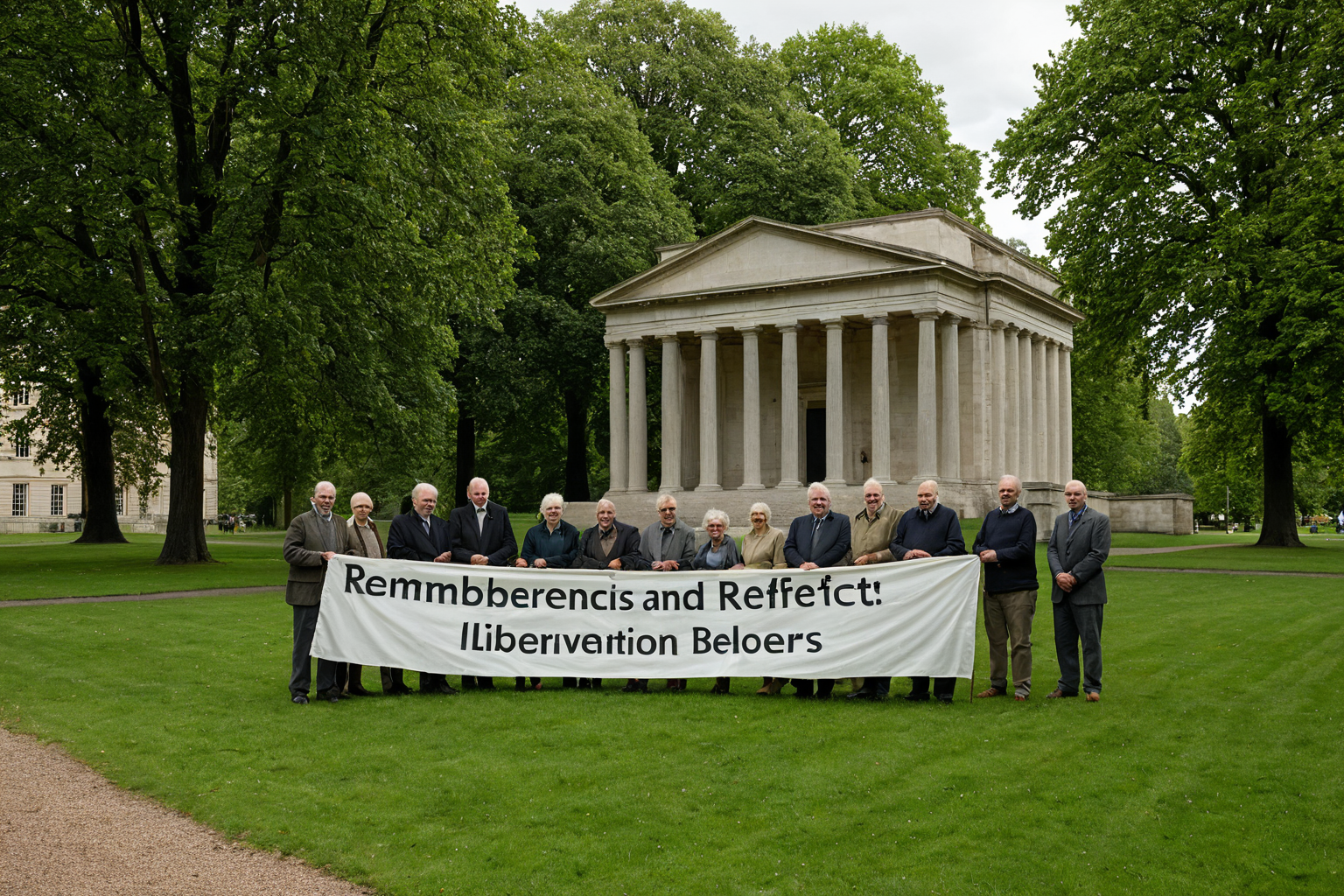
The 'Memory and Reflection' special week organized by the National Issues Research Institute focused on revisiting historical lessons ahead of Korea's Liberation Day 81st anniversary. During this period, the institute emphasized accountability for pro-Japanese activities and called for improved historical awareness in modern society.
Its criticism of Cheonan City's designation of Cho Byeong-ok as a national hero was interpreted as an effort to align historical facts with legitimacy. The institute warned that such practices risk historical distortion.
The special week provided a platform for societal reflection on past mistakes and identifying the right path forward, emphasizing that such efforts must be grounded in historical truth and legitimacy.
Changing Social Awareness of Pro-Japanese Activities
The institute's statement appears to be part of broader efforts to improve social awareness regarding pro-Japanese activities. It suggests that accurate evaluations based on historical facts can enhance overall societal understanding of history.
The institute stressed that evaluations of individuals with clear pro-Japanese activities should focus on their personal actions, not targeting family members or descendants. This aims to prevent collective blame during public discourse.
By clearly stating that unlisted individuals do not receive immunity, the institute emphasized the need for thorough review of all relevant materials to maintain historical accuracy and legitimacy.
Social Impact of Institute's Statement
The National Issues Research Institute's statement has reignited discussions about Ha Young, highlighting the importance of historical reflection through clear cases of pro-Japanese collaboration. This serves as a reminder that historical accountability must be addressed even for figures not officially recorded.
By encouraging societal reflection on past mistakes and future directions, the institute aims to contribute to improved historical awareness in modern society. Its efforts go beyond mere historical assessment, aiming to foster better understanding of history's role in contemporary life.
Verified Information
The National Issues Research Institute's statement was reported by major media outlets including Yonhap News and YTN on August 14-15, 2026. This coincided with the 'Memory and Reflection' special week marking Korea's Liberation Day 81st anniversary.
The institute confirmed An Sang-ho's pro-Japanese activities are clear-cut, stressing that being unlisted in the 'Pro-Japanese Collaborators Dictionary' does not provide immunity. It also stated that even professionals with such records should be excluded from consideration, while avoiding collective blame.
The Liberation Day 81st anniversary special week ran from August 14 to 15, 2026. During this period, the institute emphasized historical accountability for pro-Japanese activities and criticized Cheonan City's designation of Cho Byeong-ok as a national hero in relation to the Jeju 4.3 Incident.
Frequently Asked Questions
Q: What did the National Issues Research Institute reveal about actor Ha Young's great-grandfather? A: The institute revealed that Ha Young's great-grandfather, An Sang-ho, engaged in pro-Japanese activities, emphasizing that this does not grant immunity even if he is unlisted in official records.
Q: What was the institute's position on professionals with pro-Japanese activities? A: The institute stated that even professionals with pro-Japanese activities should be excluded from consideration, stressing accountability for individual actions rather than targeting family members or descendants.
Q: When did the 'Memory and Reflection' special week take place? A: The special week ran from August 14 to 15, 2026, coinciding with Korea's Liberation Day 81st anniversary, during which the institute emphasized historical accountability for pro-Japanese activities and criticized Cheonan City's designation of Cho Byeong-ok as a national hero.
Frequently Asked Questions
Q: How does the institute view its statement in terms of social impact? A: The institute views its statement as an important effort to promote societal reflection based on historical facts and legitimacy, contributing to improved historical awareness in modern society.
Q: What is the institute's stance on collective blame for pro-Japanese activities? A: The institute emphasizes avoiding collective blame, stating that evaluations should focus on individual actions rather than extending criticism to family members or descendants.
Q: How does the institute address unlisted individuals in the 'Pro-Japanese Collaborators Dictionary'? A: The institute asserts that being unlisted does not provide immunity, stressing the need for thorough review of all relevant materials to maintain historical accuracy and legitimacy.
You can view similar articles in one place.
View Related ArticlesFAQ
What did the National Issues Research Institute reveal about actor Ha Young's great-grandfather?
The institute revealed that Ha Young's great-grandfather, An Sang-ho, engaged in pro-Japanese activities, emphasizing that this does not grant immunity even if he is unlisted in official records.
What was the institute's position on professionals with pro-Japanese activities?
The institute stated that even professionals with pro-Japanese activities should be excluded from consideration, stressing accountability for individual actions rather than targeting family members or descendants.
When did the 'Memory and Reflection' special week take place?
The special week ran from August 14 to 15, 2026, coinciding with Korea's Liberation Day 81st anniversary, during which the institute emphasized historical accountability for pro-Japanese activities.
Korean Source
This article is an English localization of a Korean-language report from BlogScore. Original: 민족문제연구소, 성찰과 책임을 요구하는 사회적 목소리