
National Bank Exchange Fee Comparison: How Do Other Banks Differ?

Travel Check Card Market Intensifies Competition
National Card has shaken up the duopoly of Hana Card and Shinhan Card by introducing a 10% discount on overseas merchant fees for its Traveler's Check Card. In the first five months of 2023, Hana Card held 42% and Shinhan Card 31% of the personal overseas check card transaction volume, totaling 73%, while National Card trailed at 11%.
National Card now offers foreign currency accounts linked to over 11 currencies besides dollars, and has lowered the age limit for issuing Traveler's Check Cards from 14 to 7 years old. Additionally, it launched a service offering up to 10% discounts on overseas online and offline merchant transactions, capped at 10,000 won per month.
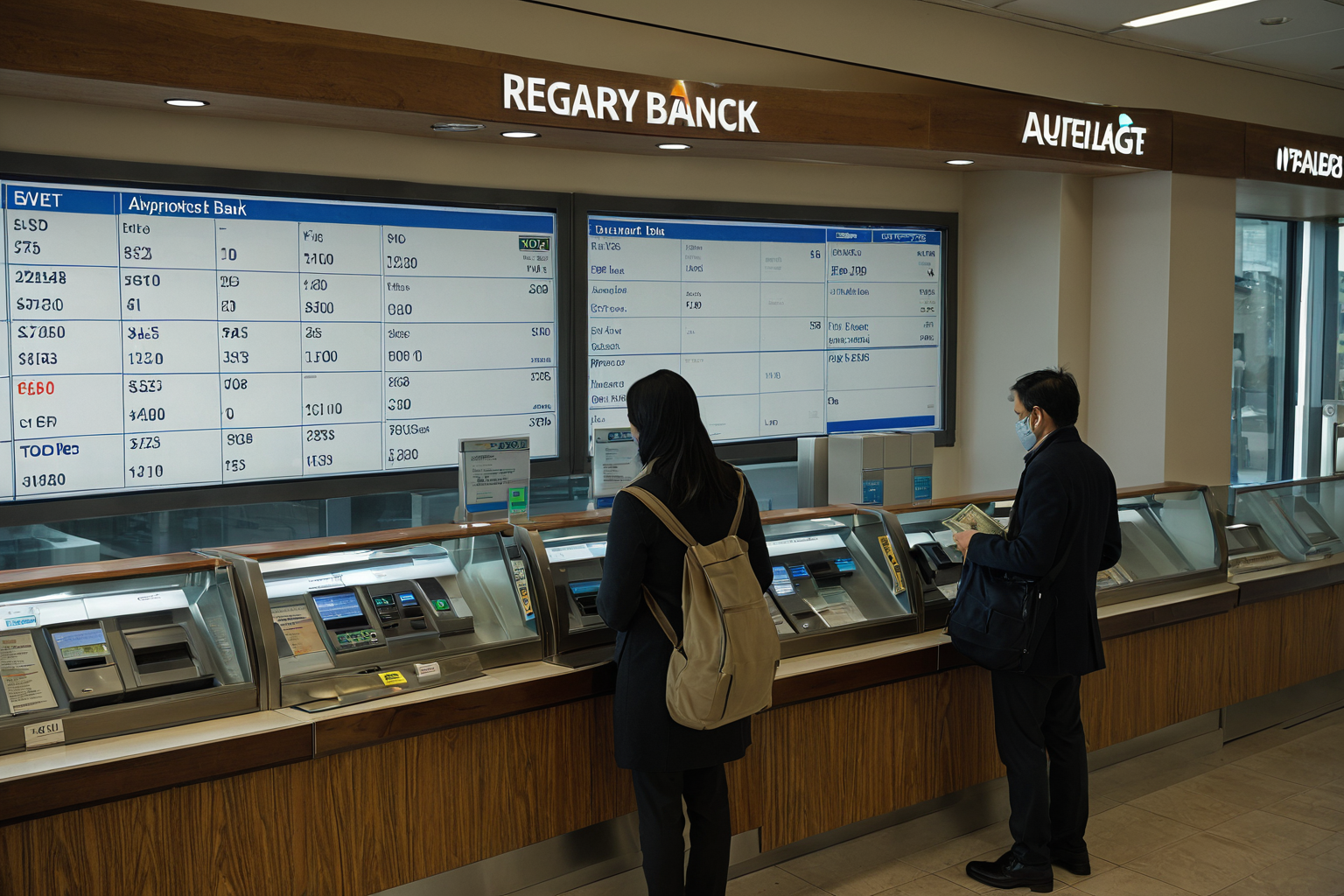
Banks' Exchange Fee War
Major commercial banks including KB National Bank are pushing forward with exchange fee exemption policies. Following Toss Bank's 'Lifetime Free Exchange' announcement, four major banks have successively launched specialized cards for free exchange services.
KB National Bank exempts management and asset management fees for non-face-to-face IRP account holders and offers additional benefits upon depositing over 50 million won. However, specific exchange fee rates and comparative data across banks remain undisclosed.
Changes in CMA and Savings Account Competition
CMA (Comprehensive Asset Management Accounts) have expanded their advantages over bank deposits due to improved convenience features like credit card payments and automatic utility bill payments. The number and amount of CMA accounts are rapidly increasing, with securities firms focusing on attracting customers through these accounts.
The Financial Supervisory Service has announced enhanced supervision measures for CMAs, including stricter requirements for holding liquid assets above a certain threshold and tighter advertising reviews. KB Financial Group recorded an all-time high operating profit of 5 trillion 843 billion won in 2024 but faces criticism over 'interest-based business' practices and public welfare concerns.
Key Exchange-Related Issues
Dollar cash selling rates at airport exchange counters are 50-70 won higher than general bank branches, resulting in a difference of about 32,000 won when exchanging 500 dollars. This creates financial loss for consumers.
Banks warn that even products labeled 'free exchange' may incur fees upon sale. While the trend toward fee exemptions continues, branch exchanges, ATMs, and exchange service fees remain key areas of focus.
Rank Changes and Future Outlook
What is National Card's market share in the travel check card market?
As of January to May 2023, based on personal overseas check card transaction volume, National Card held 11%, trailing behind Hana Card (42%) and Shinhan Card (31%).
What does KB National Bank's exchange fee exemption policy include?
KB National Bank exempts management and asset management fees for non-face-to-face IRP account holders and offers additional benefits upon depositing over 50 million won. Specific exchange fee rates remain undisclosed.
Why do CMA accounts have advantages over bank deposits?
CMA accounts offer enhanced convenience through features like credit card payments, automatic utility bill payments, and access to convenience store and subway ATMs.
References
- [Economic News] NH Nonghyup Bank, Second FDI-Focused Advisory Center in Busan (www.4th.kr)
- [Bank of the Day] KB National Bank, Woori Bank, Shinhan Bank, Hana Bank, Sh Suhyup Bank, ... (www.financialreview.co.kr)
- [Focus] Dollar Rate '1549 Won → 1372 Won'... South Korea's Currency Status Reversed in Two Months (www.econovill.com)
You can view similar articles on this topic all at once.
View Related ArticlesFAQ
What is National Card's market share in the travel check card market?
As of January to May 2023, National Card held 11% of personal overseas check card transaction volume, trailing behind Hana Card (42%) and Shinhan Card (31%).
What does KB National Bank's exchange fee exemption policy include?
KB National Bank exempts management and asset management fees for non-face-to-face IRP account holders and offers additional benefits upon depositing over 50 million won. Specific exchange fee rates remain undisclosed.
Why do CMA accounts have advantages over bank deposits?
CMA accounts offer enhanced convenience through features like credit card payments, automatic utility bill payments, and access to convenience store and subway ATMs.
Korean Source
This article is an English localization of a Korean-language report from BlogScore. Original: 국민은행 환전 수수료 비교: 다른 은행과 얼마나 다를까?