
National AI Computing Center: Infrastructure Progress and Remaining Challenges
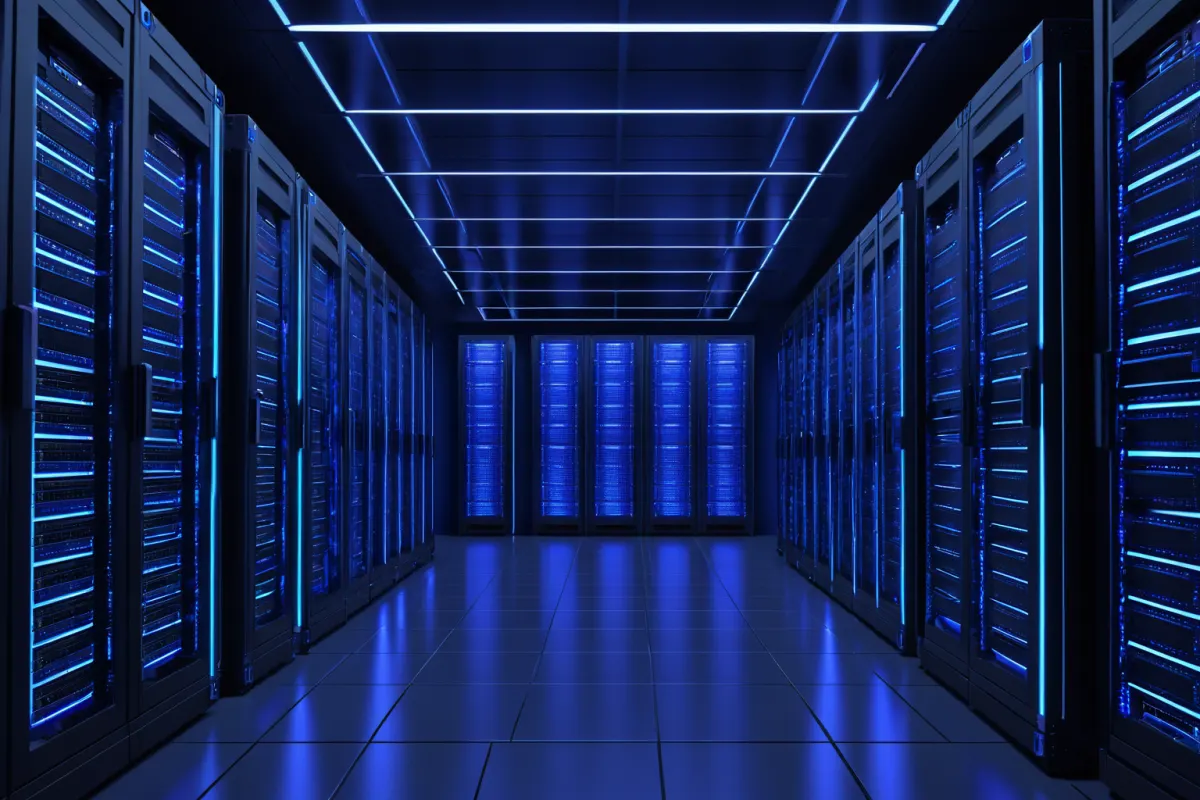
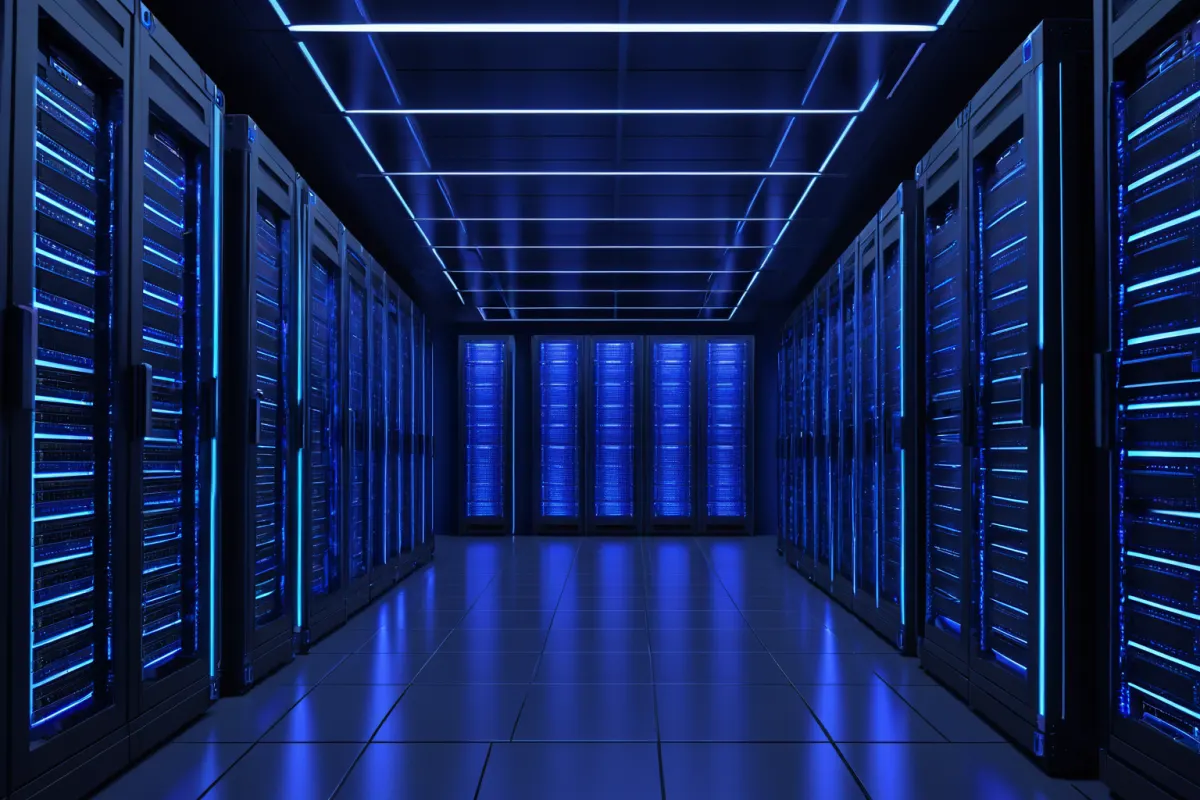
The National AI Computing Center serves as a pivotal infrastructure for accelerating South Korea's AI industry, with its success measured by how quickly and reliably it can secure high-performance computing resources. While foundational infrastructure and operational frameworks have been established, remaining challenges include securing power supply, speeding up server deployment, and expanding user base.
This is not merely about acquiring equipment—it requires a coordinated effort involving GPU resources for AI training, large-scale power, cooling systems, skilled personnel, and security protocols to translate into actual services. Thus, the center's success should be judged less by its existence and more by how effectively it can be utilized by users.
Core Role of the National AI Computing Center
The National AI Computing Center provides high-performance computing resources for domestic companies and research institutions to train and deploy AI models. In simple terms, it reduces reliance on foreign computing resources for AI development.
This is especially critical in fields like generative AI that require massive training data. Without sufficient computing power, even strong ideas face slow experimentation and higher costs. National-level computing infrastructure thus serves as both a starting point for technological advancement and a means to overcome bottlenecks.
You can view more articles on similar topics here.
View Related ArticlesWhy Infrastructure Progress is Being Noted
The most notable recent progress involves building physical infrastructure and operational frameworks step by step. It's not just about installing equipment—it's about integrating essential elements like power supply, cooling systems, network connectivity, and security design for actual operation.
For example, AI training servers require significantly more power and thermal management than standard office servers. Thus, the center's success is better measured by stable power delivery and data center operations rather than just physical construction. While it may appear quiet on the surface, this phase must be solid to enable future expansion.
Remaining Challenges: Power and Operational Efficiency
The biggest remaining challenge is securing reliable power supply. Large-scale AI computing consumes substantial electricity, so without stable power infrastructure, operational capacity could decline. Factors like electricity pricing, grid stability, and renewable energy integration must also be considered.
Operational efficiency is equally important. Simply installing equipment isn't enough—reservation systems, resource allocation, incident response, and maintenance protocols need careful design. In practice, if demand outpaces supply, long wait times can occur, making fair resource distribution critical.

Real-World Impact on Businesses and Research Institutions
The first beneficiaries of a well-functioning National AI Computing Center are startups and research institutions. These entities often cannot afford high-end GPU servers, so access to shared resources allows them to conduct experiments without prohibitive costs.
For example, an SME developing image analysis models might face rapidly escalating cloud computing costs when relying solely on external services. With public infrastructure like the National AI Computing Center, they can reduce initial costs and accelerate validation—making a significant difference in real-world industry ecosystems.
Reducing Reliance on Overseas Infrastructure
The center also reduces dependency on foreign infrastructure for critical computing resources. In AI development, supply chains for computational power are as important as model creation, so over-reliance on specific overseas platforms could create vulnerability to cost or policy changes.
A domestically established computing environment allows more flexibility in managing research data, operating services, and responding to security issues. While full independence isn't immediate, securing core computational infrastructure domestically already holds strategic value.
Practical Use Cases
For instance, a medical AI company improving image analysis models might need to repeatedly train on large datasets. By using the National AI Computing Center, they can reduce training time and costs while quickly running performance comparisons.
Similarly, university research labs conducting foundational large language model experiments could benefit from public infrastructure to handle computing demands that would otherwise be too costly for individual labs. This enables everything from academic papers to industry collaboration—key to increasing the center's overall utility.
Common Operational Challenges
Operating the National AI Computing Center can be more challenging than building it. If demand grows faster than expected, resource shortages may arise, and debates over usage priority could emerge. Short hardware replacement cycles also make long-term budget planning difficult.
Additionally, securing specialized talent is essential. Managing hardware, networks, security, and user support requires a comprehensive approach—simply purchasing equipment isn't sufficient. Ultimately, success depends less on the scale of equipment and more on sustained, stable operation over time.
Key Points to Watch
Moving forward, key metrics will include actual operational rates, public-private utilization ratios, speed of additional GPU deployment, and power management strategies. Crucially, whether the center serves only specific institutions or becomes widely accessible across industries will significantly impact its success.
This field requires more than policy announcements—it demands consistent service launches, user growth, and uninterrupted operations. The actual experience can vary widely based on operational approach, so staying updated with official announcements is recommended for the latest developments.
FAQ
Q1. Why is the National AI Computing Center necessary?
The center provides stable domestic access to high-performance computing resources required for AI training, accelerating both industry and research development.
Q2. How should progress be measured?
Success is better judged by power stability, server deployment speed, cooling/security systems, and actual user adoption rates rather than just building completion.
Q3. Can regular businesses use it?
This depends on operational policies, but the center typically aims to balance public service with industry support, so potential users should check eligibility criteria and application processes.
Continue exploring similar topics.
View Category ArticlesFAQ
Why is the National AI Computing Center necessary?
The center provides stable domestic access to high-performance computing resources required for AI training, accelerating both industry and research development.
How should progress be measured?
Success is better judged by power stability, server deployment speed, cooling/security systems, and actual user adoption rates rather than just building completion.
Can regular businesses use it?
This depends on operational policies, but the center typically aims to balance public service with industry support, so potential users should check eligibility criteria and application processes.
Korean Source
This article is an English localization of a Korean-language report from BlogScore. Original: 국가AI컴퓨팅센터 인프라 구축 성과와 남은 과제