
The Threat to the Mutton Ray Shark: Conservation Strategies for Biodiversity Preservation
The Threat to the Mutton Ray Shark: Conservation Strategies for Biodiversity Preservation
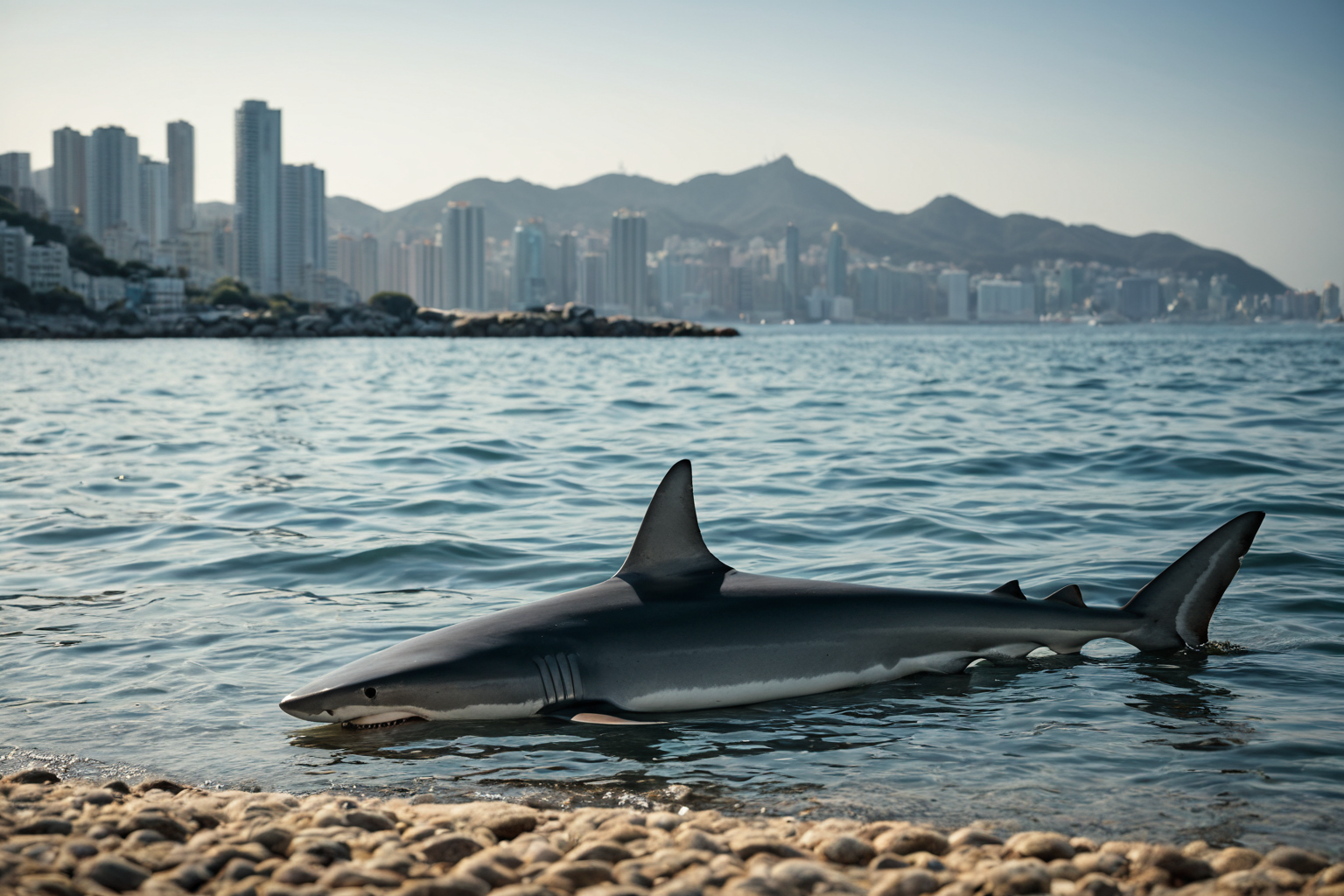
From September 18 to 19, 2026, a mutton ray shark was spotted for two consecutive days in Busan's North Port and Waterfront Park, confirming its status as an internationally endangered species. Known for low aggression, the shark has prompted discussions about guiding it back to open waters, with the Korea Institute of Ocean Science & Technology recommending natural relocation. While the mayor urged safe use of North Port, experts emphasized the need for strategic management addressing both safety and biodiversity conservation.
International Conservation Status of the Mutton Ray Shark
The mutton ray shark, a low-aggression species critical to biodiversity, was first spotted in Busan's park waterway on September 18, 2026, and reappeared at North Port Waterfront Park on the 19th. This marks an important case of urban coastal habitat use by this species.
The decline of the mutton ray shark poses a serious threat to ecological balance. The International Union for Conservation of Nature (IUCN) classifies it as 'Vulnerable,' citing habitat loss and overfishing as primary causes, with recent marine environment changes accelerating population decline.
Incident Details and Official Response
On September 18, a three-meter mutton ray shark was reported in Busan's park waterway. Media confirmed it as a mutton ray shark, prompting plans to guide it toward open waters due to its low aggression. The same day, the Korea Institute of Ocean Science & Technology recommended allowing the shark to naturally return to the ocean, leading the coast guard to remove traps from the area.
On September 19, the mutton ray shark was again spotted at North Port Waterfront Park for a second consecutive day. Mayor Jeon Jae-su urged residents and tourists to enjoy the port safely while emphasizing biodiversity conservation needs. Measures included guiding people away from the water upon sighting and temporarily halting fishing activities.
Causes of Decline and Ecological Role
The mutton ray shark's decline results from multiple factors. First, marine pollution and habitat destruction are key issues; rapid expansion of aquaculture facilities and urban development have significantly reduced its habitat.
Second, overfishing is a major problem. Despite being vital for biodiversity conservation, the species has seen population declines in some regions due to commercial fishing. Its decline appears more severe than incidents involving other sharks like the tiger shark or bull shark.
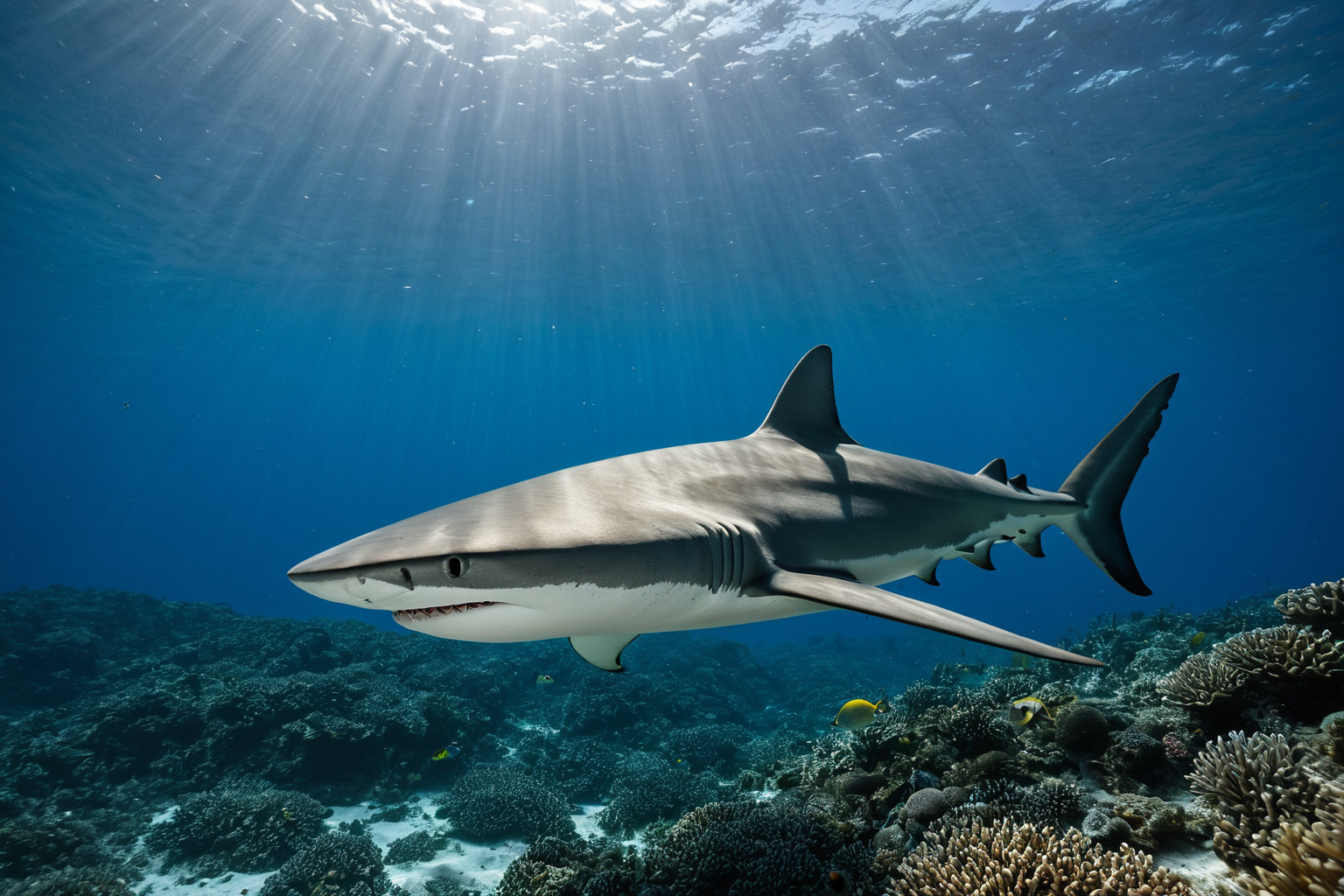
The mutton ray shark plays an important role in marine ecosystems by occupying a mid-level position in the food chain and maintaining ecological balance through interactions with various marine species. A decline could lead to reduced biodiversity and negative impacts on overall ecosystem stability.
Management and Conservation Strategies
The Korea Institute of Ocean Science & Technology proposed guiding the shark back to its habitat as a key strategy, balancing safety measures with conservation efforts. This includes adjusting aquaculture facilities to facilitate natural relocation.
Mayor Jeon's call for safe port use also conveyed positive messages about shark conservation while informing residents and tourists about the incident. Strengthening educational programs on biodiversity conservation is another recommended step.
Habitat protection requires improved marine environments and policies preventing overfishing. Government and local communities must collaborate on habitat restoration projects, alongside public awareness campaigns highlighting the species' ecological importance.
Safety Information and Management
The shark sightings caused safety concerns among residents and tourists, but authorities followed the Korea Institute's recommendation to guide it naturally back to the ocean.
To address this, North Port Waterfront Park distributed safety notices with guidelines for actions during sightings. For example, visitors were instructed to immediately move away from the water upon sighting a shark, and fishing activities were temporarily suspended in affected areas.
While considered non-aggressive and low-risk to humans, caution is still advised near sighting locations. Visitors are encouraged to maintain distance when observing sharks and exit the water promptly.
Key Information and Further Research
The mutton ray shark's endangered status highlights critical biodiversity conservation needs. Policies for habitat restoration and preventing overfishing must be strengthened accordingly.
Current data indicates the species is listed as 'Vulnerable' by IUCN, meaning it faces extinction risk but still has a significant population remaining.
Habitat loss and overfishing are identified as primary causes, requiring policy responses. Marine environment improvement alongside community-driven conservation efforts must be enhanced to address these challenges.
Frequently Asked Questions
Is the mutton ray shark aggressive?
Yes, it is known for low aggression and poses no danger to humans. The Korea Institute of Ocean Science & Technology recommends natural relocation to guide it back to the ocean.
What are the main causes of its decline?
Habitat loss due to marine pollution and urban development, along with overfishing in some regions, are primary causes. Commercial fishing has led to rapid population declines in certain areas.
What specific policies support conservation efforts?
Policies include habitat restoration, preventing overfishing, improving marine environments, community-driven conservation activities, and strengthening biodiversity education programs.
Frequently Asked Questions
The mutton ray shark sightings in Busan have drawn attention to its vulnerable status and the importance of balancing public safety with biodiversity conservation. As a non-aggressive species, it is safe for humans but requires natural relocation strategies. Its decline due to habitat loss and overfishing underscores the need for government-community collaboration on habitat restoration projects and education programs.
The North Port Waterfront Park incident offers an opportunity to develop new approaches in shark management and conservation. Continued focus on biodiversity preservation will be essential moving forward.
FAQ
Is the mutton ray shark aggressive?
Yes, it is known for low aggression and poses no danger to humans. The Korea Institute of Ocean Science & Technology recommends natural relocation to guide it back to the ocean.
What are the main causes of its decline?
Habitat loss due to marine pollution and urban development, along with overfishing in some regions, are primary causes. Commercial fishing has led to rapid population declines in certain areas.
What specific policies support conservation efforts?
Policies include habitat restoration, preventing overfishing, improving marine environments, community-driven conservation activities, and strengthening biodiversity education programs.
Korean Source
This article is an English localization of a Korean-language report from BlogScore. Original: 무태상어 멸종 위기, 생물 다양성 보전 전략