
Must-Know Actions for the Busan Drought Alert: A 5-Point Guide
Current Drought Response Status
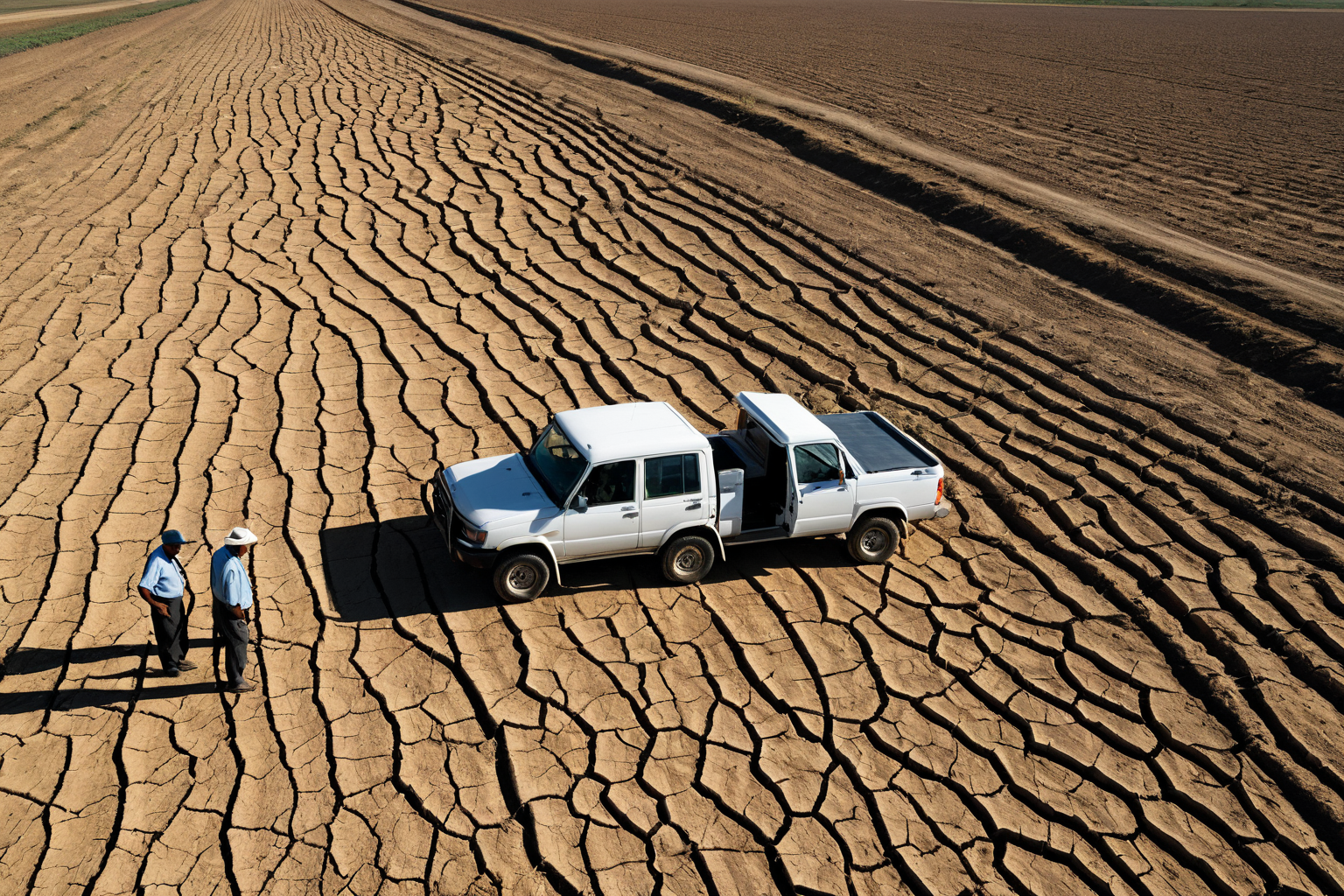
Drought alerts remain in effect across Busan and the surrounding regions, with rainfall over the past month totaling only 22.4% of the historical average, indicating a severe drought situation.
Drought Conditions and Government Response System
Changnyeong County and Uiryeong County have activated Drought Response Task Forces (TFs) to secure agricultural water supplies. Changnyeong established its TF on July 22, while Uiryeong announced a full mobilization of administrative resources for heatwave and drought response.
Busan City is advancing the construction of underwater intake towers by 2025 to address algae blooms in the Nakdong River. Additionally, Busan's Samrak Water Sports Complex and Hwamyeong have issued an 'Alert' level for algal bloom warnings, with the Nakdong River water intakes at Mugim and Maeri elevated to a 'Warning' level.
On-Site Inspections and Support Activities
Miryang City conducted on-site inspections of Miryang Dam on July 29 to monitor drought response efforts, focusing on stable household water supply. Sancheong County activated its emergency response system for heatwaves and droughts on July 28.
Goseong County activated its drought response system on July 31 after rainfall fell significantly below historical averages, while Gimhae City is intensifying agricultural water security efforts amid prolonged heatwaves and droughts. Miryang City announced additional measures on August 2 to address drought and heatwaves.
Strengthening Agricultural Water Management and Support
Eleven cities and counties in Gyeongnam Province, including Gimhae, Jinju, and Haman, have elevated their agricultural drought status to 'Alert' as of August 5. Miryang's average reservoir capacity stands at 33%, indicating a critical situation, with restricted water pricing for agricultural use implemented since July 28.
Changwon Special Self-Governing City is focusing on agricultural water support under the 'Alert' drought status and announced additional measures on August 12. Gyeongnam Agricultural Cooperative Association is enhancing field inspections and providing irrigation equipment support to bolster drought response efforts.
The Connection Between Drought and Algal Blooms
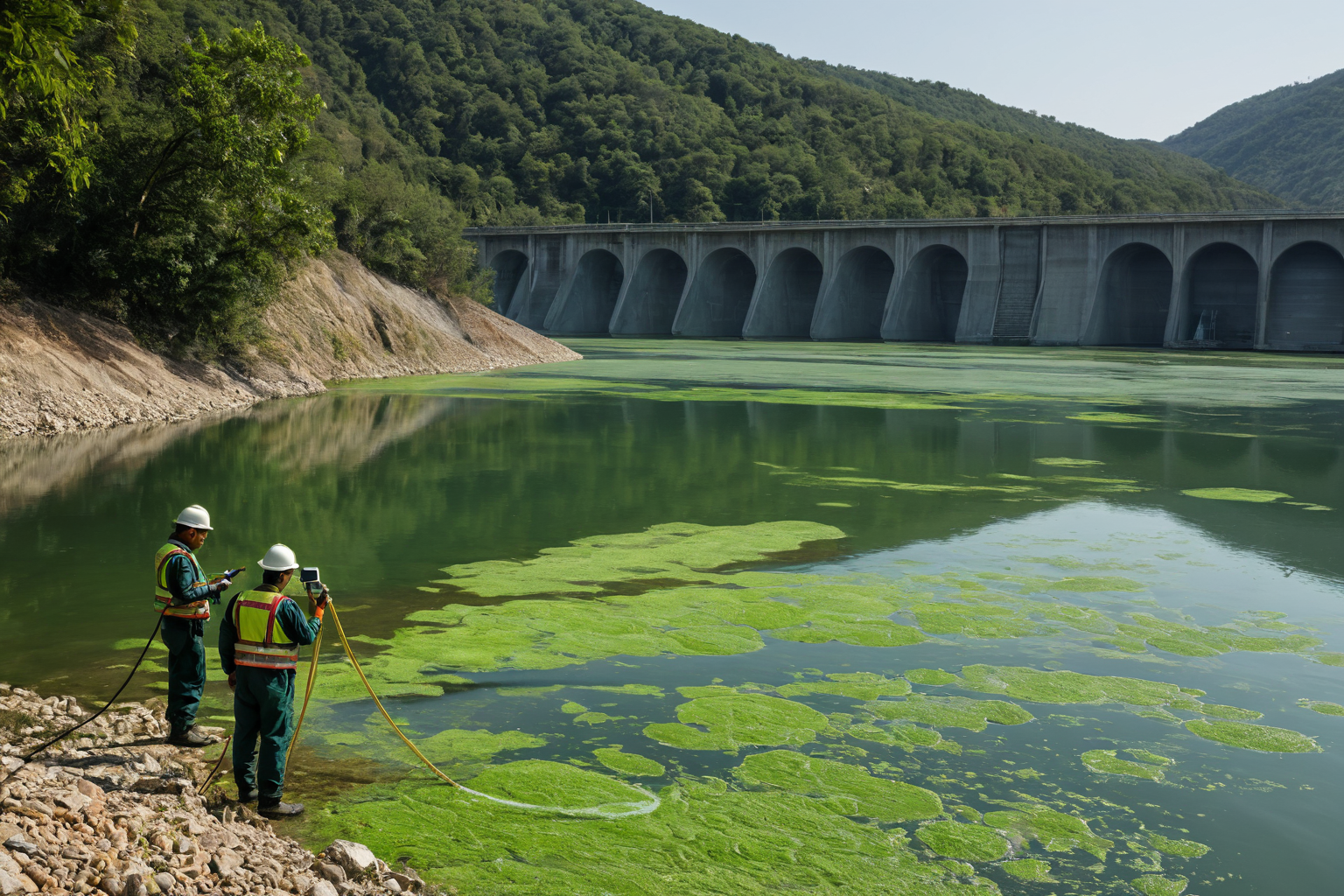
Reduced rainfall in Busan's drinking water sources has led to a surge in algal blooms. The Nakdong River water intakes at Mugim and Maeri were upgraded to 'Warning' level on June 23.
On July 12, Busan City began strengthening disinfection at intake and treatment plants due to a rapid increase in blue-green algae at the Mugim and Maeri sites. An 'Alert' level for algal blooms was issued at Samrak Water Sports Complex on August 5 due to spreading algae.
Extension of National Firefighting Mobilization Order
The National Firefighting Mobilization Order has been extended in Gyeongsang Province due to prolonged heatwaves and droughts. As of August 15, this extension marks the second consecutive day.
Busan firefighters are supporting drought response efforts across Gyeongsang Province while also participating in motorcycle fire suppression activities, according to reports from August 14.
Government and Local Government Drought Response Measures
Government and local authorities focus their drought response on site inspections, securing agricultural water supplies, and stabilizing household water supply. Changnyeong and Uiryeong have activated Drought Response Task Forces, while Miryang and Sancheong have implemented emergency response systems.
Busan City is advancing underwater intake towers by 2025 to address Nakdong River algae blooms, with enhanced disinfection at water treatment facilities. Gyeongnam Agricultural Cooperative Association is supporting irrigation equipment and strengthening field inspections for drought response. Goseong and Gimhae are fully mobilizing administrative resources for heatwave and drought management.
Current Status of Drought Response Inspections and Support
Miryang City conducted on-site inspections at Miryang Dam on July 29 to monitor drought response efforts, focusing on stable household water supply. Sancheong County activated its emergency response system for heatwaves and droughts on July 28.
Goseong County activated its drought response system on July 31 after rainfall fell significantly below historical averages, while Gimhae City announced additional measures for agricultural water security on August 11. Changwon Special Self-Governing City is intensifying agricultural water support under the 'Alert' drought status as of August 12.
Severity of Drought and Response Direction
The Busan and surrounding regions continue to face severe drought conditions, with rainfall over the past month at just 22.4% of the historical average. Miryang's reservoir capacity is critically low at 33%, leading to restricted agricultural water pricing.
Government and local authorities are prioritizing on-site inspections, securing agricultural water supplies, and stabilizing household water supply. Gyeongnam Agricultural Cooperative Association is supporting irrigation equipment and strengthening field inspections for drought response, while Busan City is advancing underwater intake towers by 2025 to address Nakdong River algae blooms.
Key Information to Verify
Drought-related measures by government and local authorities focus on site inspections, securing agricultural water supplies, and stabilizing household water supply. Changnyeong and Uiryeong have activated Drought Response Task Forces, while Miryang and Sancheong have implemented emergency response systems.
Busan City is advancing underwater intake towers by 2025 to address Nakdong River algae blooms, with enhanced disinfection at water treatment facilities. Gyeongnam Agricultural Cooperative Association supports irrigation equipment and strengthens field inspections for drought response. Goseong and Gimhae are fully mobilizing administrative resources for heatwave and drought management.
Frequently Asked Questions
When did the Busan drought alert begin?
The drought alert in Busan and surrounding regions began as rainfall over the past month dropped to just 22.4% of the historical average, indicating severe conditions.
What is the role of the Drought Response Task Force (TF)?
The Drought Response TF oversees on-site inspections and support activities related to securing agricultural water supplies.
What is Busan City's plan for addressing Nakdong River algae blooms?
Busan City is constructing underwater intake towers by 2025 to address algal blooms, while also strengthening disinfection at intake and treatment plants.
Frequently Asked Questions
The drought situation in Busan and surrounding regions remains severe, with government and local authorities focusing on site inspections, agricultural water security, and household water supply stability. Changnyeong and Uiryeong have activated Drought Response Task Forces, while Miryang and Sancheong have implemented emergency response systems.
Busan City is advancing underwater intake towers by 2025 to address Nakdong River algae blooms, with enhanced disinfection at water treatment facilities. Gyeongnam Agricultural Cooperative Association supports irrigation equipment and strengthens field inspections for drought response. Goseong and Gimhae are fully mobilizing administrative resources for heatwave and drought management.
Given the ongoing nature of the drought, additional measures by government and local authorities may be necessary in the coming weeks.
You can find more articles on similar topics here.
View Related ArticlesFAQ
When did the Busan drought alert begin?
The drought alert in Busan and surrounding regions began as rainfall over the past month dropped to just 22.4% of the historical average, indicating severe conditions.
What is the role of the Drought Response Task Force (TF)?
The Drought Response TF oversees on-site inspections and support activities related to securing agricultural water supplies.
What is Busan City's plan for addressing Nakdong River algae blooms?
Busan City is constructing underwater intake towers by 2025 to address algal blooms, while also strengthening disinfection at intake and treatment plants.
Korean Source
This article is an English localization of a Korean-language report from BlogScore. Original: 부산 가뭄 경계 발령 시 반드시 알아야 할 5가지 행동 가이드