
Multi-Use Facility Terror Response Training: Who Is Involved and What Are Their Roles?
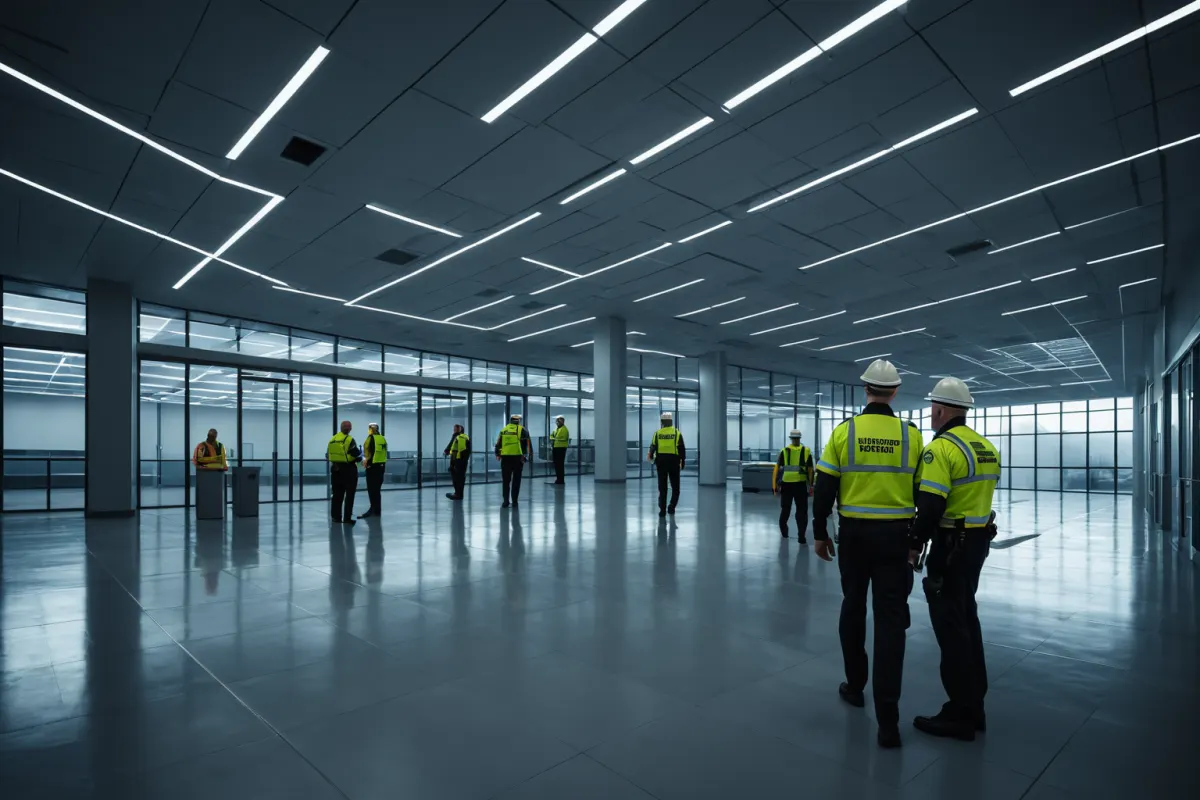
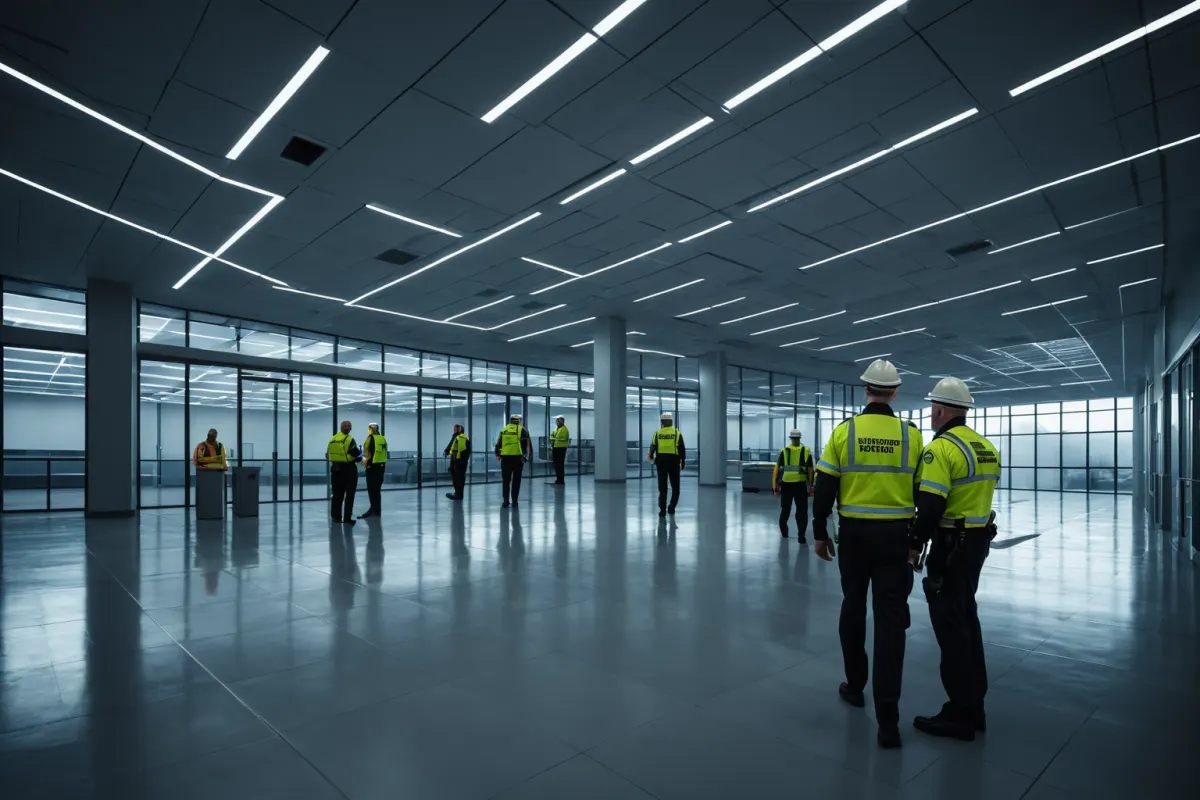
Multisite terrorism response training is a practice where staff at locations with high foot traffic rehearse what to do in case of a terrorist attack or suspicious situation. The key is not just teaching the response personnel, but ensuring everyone from facility managers to guides, security guards, and contractors know their specific roles so they can act smoothly without confusion during an actual incident.
Many people searching for this topic often wonder: Who should attend the training? What roles will they play? And what exactly do they practice on-site? This article breaks it down simply for real-world understanding.
The Training Is For Facility Managers and On-Site Response Staff
The participants in multisite terrorism response training are broader than you might think. It includes facility managers, safety officers, security personnel, information desk staff, and emergency room operators who work directly on the front lines.
Depending on circumstances, it may also include cleaning and maintenance staff, parking attendants, business tenants within the facility, and contractor teams. Since whoever is first to encounter visitors in an emergency needs to act properly, ideally all on-site personnel should be included in the training scope.
For example, in a large shopping mall, just training the safety team isn’t enough. If a guide spots something suspicious, they need to know where to report it immediately; security must control access routes; and store staff should direct customers safely. All these steps must connect seamlessly.
You can find similar articles on this topic in one place.
View Related ArticlesRoles Are Divided Into Reporting, Controlling, Evacuating, and Supporting
The most important part of the training is clearly defining roles. Everyone must know who will report the incident, who controls the scene, who guides evacuations, and who contacts external agencies—so there’s no hesitation during a real situation.
Typically, the first responder is whoever spots the suspicious situation. This person should not touch or move anything but block access to the area while immediately reporting the issue. Then safety officers or the operations center take overall command, with security controlling entry points and directing traffic flow.
Evacuation guidance often happens through announcements and on-site direction. It’s more than just carrying equipment; it requires deciding how to disperse crowds away from exits, secure stairwells and emergency routes, and clear congested areas first. Having pre-prepared maps makes this process much faster.
Here’s a simplified breakdown of roles for easy understanding:
- Spotter: Identify suspicious signs, report immediately, block access
- Operations Center: Assess the situation, contact external agencies, direct response
- Security: Control entry points, secure hazardous zones, guide people
- Guides: Direct visitors to safe evacuation routes, minimize confusion
- Support Staff: Provide medical aid, assist elderly or disabled guests, inspect facilities
If roles overlap, the scene quickly becomes chaotic. That’s why training isn’t just about memorizing steps—it’s about ensuring everyone knows how their role fits into the bigger picture.
The Training Focuses On Recognizing Suspicious Situations and Initial Response
Multisite terrorism response training emphasizes mastering basic actions rather than complex equipment use. The core is learning how to report suspicious objects, people, or unusual behavior—and how to prevent escalation.
On-site, the typical drill follows this sequence: First, someone discovers a situation and reports it immediately; then they block access, guide visitors, contact emergency services, and secure evacuation routes. After that comes scene documentation and post-incident review.
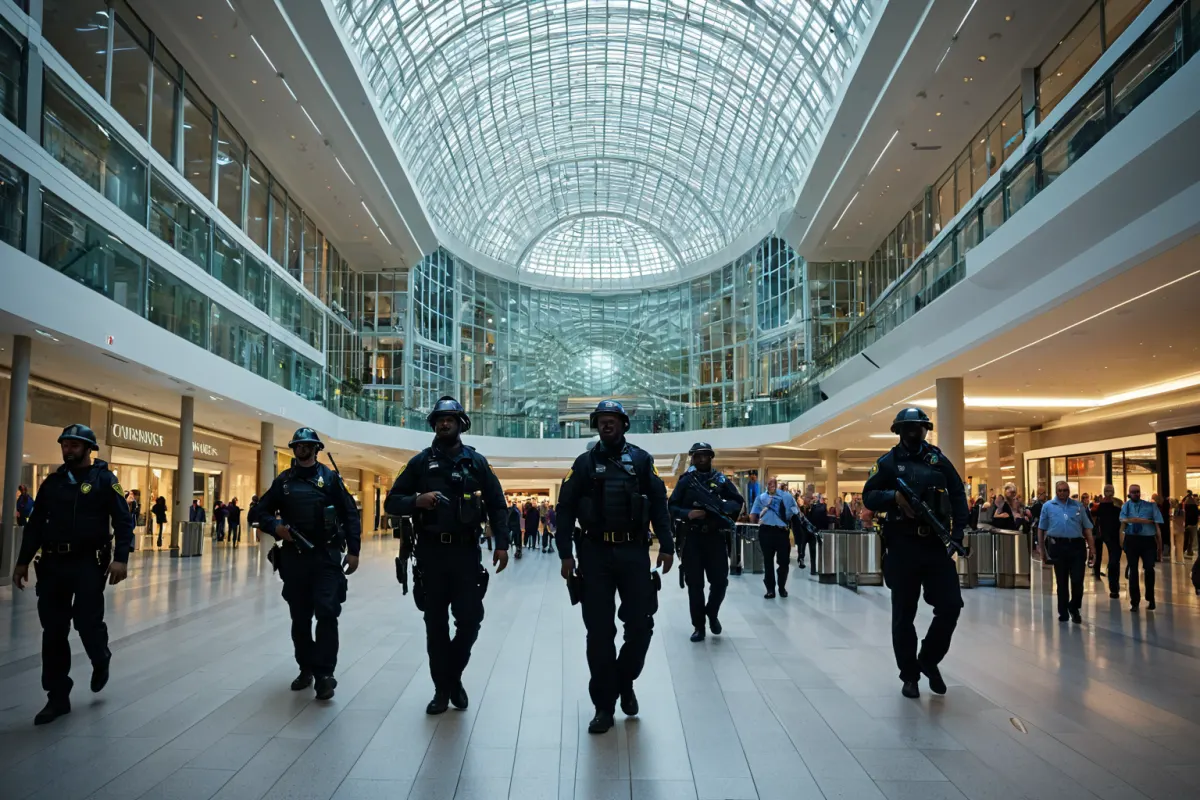
For example, imagine a suspicious bag found in a department store’s food court. Staff shouldn’t open it but should move nearby customers away before reporting through the designated channel. Security blocks access to the area while the operations center makes announcements and decides on additional evacuation zones. This flow needs to become second nature through training.
When this process becomes familiar, unnecessary decisions decrease. In a real emergency, even small delays can cause major confusion—so knowing your role is more important than just memorizing procedures.
Roles Vary By Facility Type
The roles differ based on the facility’s nature. Large shopping malls with high foot traffic need strong access control and evacuation guidance; subway stations or transfer hubs require clear broadcast instructions and distributed evacuation routes due to complex layouts. Performance venues or sports facilities must prioritize quick crowd movement because of dense seating arrangements.
Hotels must consider guest distribution across floors, while hospitals—where mobility is harder for many—should focus on protection and support before general evacuation. So even though it’s the same type of training, there’s no single “right” approach; each facility needs a tailored scenario.
That’s why managers should develop scenarios that reflect their specific environment: Which entrance is busier between underground food courts and ground-level plazas? Where are accessible routes for people with disabilities? How far does the emergency broadcast reach? Only then can role assignments be practical.
Understanding Real-Life Response Flow Through Examples
In a large shopping complex, if something suspicious is found, the first priority isn’t to confirm but to keep distance. The spotter shouldn’t touch it but should move people away and report immediately. Next, security and safety officers set up restricted zones while guides direct customers in opposite directions.
What matters most isn’t who acts first but who avoids certain actions: For instance, lingering out of curiosity, staying at the scene to watch, or changing broadcast messages on their own can be dangerous. Training should also include what not to do.
A well-executed example is when one person handles reporting, another controls entry points, a third guides customers, and a fourth documents everything. This simple division makes response speed noticeably better. In practice, this straightforward role clarity often makes the biggest difference.
Preparation Items And Checkpoints Before Training
To conduct effective training, just gathering people isn’t enough. Emergency contact lists, evacuation maps by zone, broadcast scripts, assembly points, and external agency contact procedures must be organized in advance. Especially important is keeping contact information updated since personnel changes frequently.
Common oversights include failing to clear obstacles near emergency exits, not planning for crowd control during peak hours, standardizing signals, or knowing how to protect children and people with disabilities. Missing these details can lead to training that’s done but doesn’t improve real-world response capabilities.
If starting out, don’t overcomplicate it. Begin by assigning one person per zone responsible for the area, one contact point on-site, one evacuation guide, and one documentation role. Then scale up based on facility size.
FAQ
Q1. Who must attend multisite terrorism response training?
Facility managers and on-site responders are essential. Staff who interact with visitors—such as guides, security, and safety officers—are also strongly recommended to participate.
Q2. Do regular employees need to know their roles too?
Yes. While not all staff need to lead the response, everyone should understand reporting procedures and evacuation routes so there’s no break in communication during an incident.
Q3. What is most often missed during training?
Roles are defined, but contact sequences get confused. Also, checking emergency exits for obstacles, broadcast scripts, and assembly points is frequently overlooked.
Multisite terrorism response training isn’t about complex techniques—it’s about clearly defining roles and practicing as if it were real. Since every facility has unique structures and visitor patterns, the most effective training matches your specific environment. For best results, always refer to the latest guidelines before planning your drills.
See more articles on similar topics.
View Category ArticlesFAQ
Who must attend multisite terrorism response training?
Facility managers and on-site responders are essential. Staff who interact with visitors—such as guides, security, and safety officers—are also strongly recommended to participate.
Do regular employees need to know their roles too?
Yes. While not all staff need to lead the response, everyone should understand reporting procedures and evacuation routes so there's no break in communication during an incident.
What is most often missed during training?
Roles are defined, but contact sequences get confused. Also, checking emergency exits for obstacles, broadcast scripts, and assembly points is frequently overlooked.
Korean Source
This article is an English localization of a Korean-language report from BlogScore. Original: 다중이용시설테러대응훈련 교육 대상과 역할 분담